
Fostering Informed Citizenship: A Content Analysis of Civic Literacy Initiatives in Caribbean Academic Libraries
Examining the Pivotal Role of Academic Libraries in Enhancing Civic Engagement Across the Caribbean Region
Key Insights
- The Caribbean faces significant educational challenges, including critical gaps in learning outcomes and civic illiteracy. Academic libraries are uniquely positioned to address these issues by promoting civic literacy.
- Civic literacy in the digital age demands a broad set of skills, including critical analysis, ethical decision-making, and the ability to discern reliable information from misinformation. Academic libraries can integrate digital literacy into civic education programs.
- Academic libraries in the Caribbean are evolving, with an increasing focus on information access, dissemination, and the delivery of technologically driven services. This provides a strong foundation for expanding their role in civic education and engagement.
Civic literacy, defined as the knowledge and skills necessary to participate effectively in a democratic society, is a cornerstone of a healthy and functioning democracy. In the Caribbean region, where educational transformation and community engagement are pressing concerns, the role of academic libraries in fostering civic literacy is increasingly critical. This paper presents a content analysis exploring current civic literacy initiatives within Caribbean academic libraries, drawing upon a comprehensive review of scholarly literature, institutional reports, and relevant online resources. The aim is to delineate existing practices, identify challenges, and propose pathways for academic libraries to enhance their contributions to an informed and engaged citizenry in the region.
The Imperative of Civic Literacy in the Caribbean Context
Understanding the Landscape of Educational Challenges
The Caribbean region is grappling with a profound education crisis, characterized by significant deficiencies in learning outcomes and a pressing need for skills development. Recent data highlight critical gaps that impede individual and societal progress (World Bank, 2025). This educational landscape necessitates a robust focus on foundational literacies, including civic literacy, to empower citizens to navigate complex societal issues and contribute meaningfully to democratic processes.
A prevalent concern, particularly in the digital age, is the crisis of civic illiteracy, both globally and within the Caribbean. Surveys in other regions, such as the United States, reveal alarming deficiencies in basic civic knowledge among the populace, including college graduates (ACTA, 2019; U.S. Chamber of Commerce Foundation, n.d.). Civic literacy in this era extends beyond rote memorization of governmental structures; it demands a broad set of skills, including critical analysis, ethical decision-making, and the ability to discern reliable information from disinformation (IADB Blogs, n.d.). The reintroduction of civics education in schools, as explored in Jamaica, is seen as a potential avenue to regain a more stable society (CIJN, n.d.).
The Role of Education in Shaping Civic Engagement
Research consistently highlights the intricate relationship between pedagogical practices and civic knowledge and engagement. Studies in Latin American and Caribbean countries underscore the significant role of civic learning, both in and out of school, the openness of classroom discussions, and the influence of home literacy resources in shaping civic outcomes (PMC, n.d.). This reinforces the idea that civic education is not merely about transmitting facts but about cultivating skills, values, and behaviors essential for active citizenship (Ithaka S+R, n.d.).
Defining Civic Literacy in the 21st Century
Civic literacy in the 21st century extends beyond traditional civics. It encompasses digital literacy, media literacy, and the ability to critically evaluate online content. Strengthening civic literacy through digital literacy is crucial for students to adapt to contemporary society, particularly in the Society 5.0 era (EduLearn, n.d.; ResearchGate, 2023). Libraries, with their central role in information sharing and community engagement, are ideally positioned to foster these interconnected literacies (EBSCOpost, n.d.).
Academic Libraries as Pillars of Civic Engagement
Traditional and Evolving Roles of Libraries
Academic libraries have historically served as repositories of knowledge and centers for learning. In the Caribbean, these institutions, such as the University of the West Indies libraries and the Digital Library of the Caribbean (dLOC), play a vital role in providing access to a wealth of resources related to the region's history, culture, and governance (University of the West Indies, n.d.; dLOC, n.d.; FIU Libraries, n.d.). The Association of Caribbean University, Research and Institutional Libraries (ACURIL) recognizes and honors innovative approaches to information literacy, further underscoring the commitment to enhancing user skills (Wikipedia, n.d.).
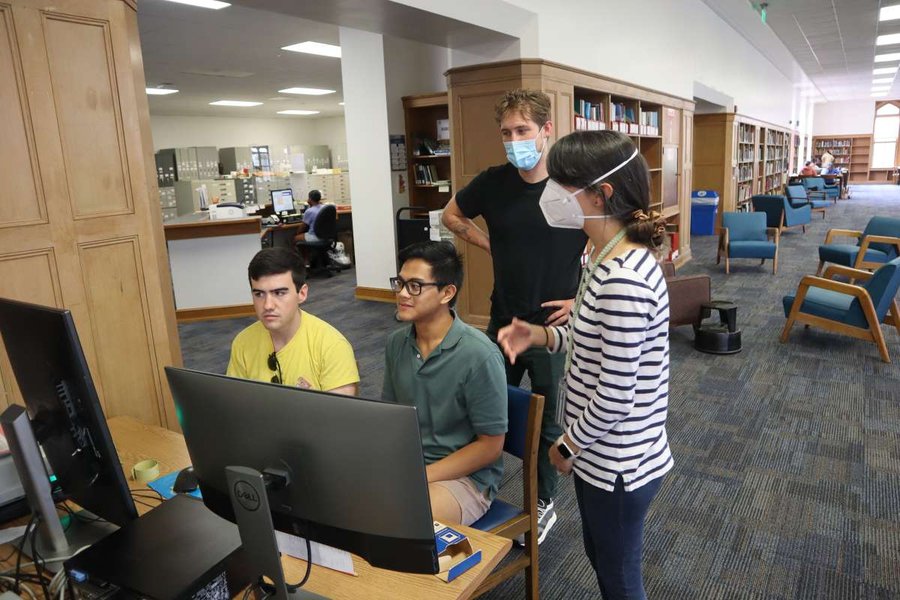
Collaborative learning spaces in a Caribbean academic library, emphasizing the importance of shared intellectual environments.
Beyond their traditional functions, academic libraries are increasingly seen as hubs for civic engagement. This involves promoting civic literacy, facilitating access to voting information, and supporting community-based initiatives (ResearchGate, n.d.; Florida Online Journals, n.d.; CRLN, n.d.). New civic engagement initiatives on campuses offer a perfect opportunity for libraries to fulfill their traditional roles of promoting civic literacy (Rutgers University, n.d.).
Integrating Information and Media Literacy with Civic Education
A key area where academic libraries can significantly contribute to civic literacy is through the integration of information and media literacy skills. In an age characterized by a deluge of information and the pervasive spread of misinformation, the ability to critically evaluate online content is paramount for informed civic participation (CSIS, n.d.). Librarians are experts in information literacy frameworks, which, when adapted for civic purposes, can equip individuals to become discerning consumers and producers of information relevant to civic life (journals.uchicago.edu, n.d.).
The importance of media literacy as a vital component of civic literacy cannot be overstated. Libraries can actively reinforce strategies for spotting fake news and help students hone their information and media literacy skills (EBSCOpost, n.d.). This includes instruction on the application of skills for critical analysis and ethical decision-making as citizens in a digital world (CiteJournal, n.d.).
Specific Library Initiatives and Programs
While specific documented programs for civic literacy in Caribbean academic libraries are less extensively detailed in the provided sources, general trends and capacities can be inferred. Academic libraries in the Caribbean are focusing on providing greater information access, dissemination, and technologically driven services, although financial and technological resources can be limiting (Emerald Insight, n.d.). This technological advancement is a strong foundation for developing digital civic literacy initiatives.
Examples from broader library contexts suggest potential applications:
- Community Forums and Discussions: Libraries can host events that encourage open dialogue on public policy issues and current events, fostering critical thinking and civil discourse (ALA, n.d.).
- Resource Guides and Collections: Curating specialized collections and creating online guides focused on civics, government, and community issues can provide readily accessible information (University of South Florida, n.d.; Broward College, n.d.).
- Partnerships with Academic Departments: Collaborating with history, political science, and social studies departments can integrate civic literacy into the curriculum, as seen in other regions with initiatives like "Project Citizen" (National-Louis University, n.d.; ERIC, n.d.).
- Digital Literacy Workshops: Offering workshops on identifying misinformation, understanding data, and navigating online political discourse can directly enhance digital civic literacy (CSIS, n.d.).
Challenges and Opportunities for Caribbean Academic Libraries
Overcoming Obstacles to Enhanced Civic Engagement
Despite the clear potential, Caribbean academic libraries face several challenges in fully realizing their role as facilitators of civic literacy:
- Resource Constraints: Limited financial, technological, and organizational resources often hinder the implementation of advanced programs and the adoption of new technologies (Emerald Insight, n.d.).
- Curricular Integration: While pedagogical practices are linked to civic engagement, consistently embedding civic literacy across diverse academic disciplines can be challenging (PMC, n.d.; ACTA, n.d.).
- Measuring Impact: Assessing the true impact of civic literacy initiatives requires robust metrics and qualitative data, which can be difficult to collect and analyze (CSIS, n.d.).
- Digital Divide: While digital literacy is crucial, disparities in internet access and digital skills among the population can limit the reach of online initiatives (YouTube, n.d. - "Ethics, Equality, & AI in the Caribbean").
Leveraging Strengths for Future Growth
Nevertheless, significant opportunities exist for Caribbean academic libraries to enhance their civic literacy efforts:
- Collaborative Networks: Strengthening partnerships with other academic institutions, community organizations, and government bodies can amplify impact. Organizations like ACURIL already foster such collaborations (Wikipedia, n.d.).
- Focus on Digital Transformation: Investing in smart library technologies and digital platforms can expand access to civic resources and facilitate interactive learning (Emerald Insight, n.d.).
- Advocacy and Awareness: Libraries can advocate for the central role of civic literacy in national educational policies and raise public awareness about their contributions.
- Research and Best Practices: Conducting further research on effective civic literacy practices tailored to the Caribbean context can inform future initiatives.
Radar chart depicting the perceived strengths and areas for growth in civic literacy initiatives within Caribbean academic libraries. Higher values indicate greater strength or potential.
The radar chart above illustrates the current status and future potential of civic literacy initiatives in Caribbean academic libraries across key dimensions. "Current Status" reflects an opinionated assessment of where libraries generally stand today, highlighting areas like Resource Availability and Curriculum Alignment as needing significant development, while Digital Integration shows moderate progress. "Future Potential" indicates the aspirational state, emphasizing the considerable room for growth across all areas, particularly in Advocacy & Outreach and Digital Integration, given strategic investments and collaborative efforts. This visual analysis underscores the need for targeted strategies to unlock the full civic engagement capabilities of these institutions.
Strategies for Enhancing Civic Literacy in Academic Libraries
To address the challenges and capitalize on opportunities, Caribbean academic libraries can implement multifaceted strategies to bolster civic literacy. These strategies combine traditional library strengths with innovative approaches to meet the demands of an increasingly complex information landscape.
Curriculum Integration and Pedagogical Support
One of the most effective ways to enhance civic literacy is by integrating it directly into academic curricula. Libraries can partner with faculty to develop courses and assignments that require students to engage with civic issues, analyze information critically, and understand governmental structures. This can involve:
- Developing Resource Guides: Creating tailored guides that link course content to relevant civic literacy resources, including primary historical documents, government reports, and credible news sources.
- Information Literacy Sessions: Offering workshops specifically designed to teach students how to evaluate the credibility of online information, identify bias, and understand the mechanisms of misinformation spread. This is especially crucial given the challenges of the "disinformation age" (IADB Blogs, n.d.).
- Supporting Experiential Learning: Collaborating on service-learning projects or community-based research initiatives that allow students to apply their civic knowledge in real-world contexts, fostering both understanding and efficacy (Ithaka S+R, n.d.).
Digital Literacy and Media Fluency Programs
Given the digital transformation of society, programs focusing on digital literacy and media fluency are indispensable. Academic libraries can be at the forefront of preparing students to be responsible digital citizens:
- Workshops on Digital Citizenship: Topics can include online privacy, digital footprints, ethical online behavior, and the responsible use of social media for civic participation.
- Fact-Checking and Source Evaluation Training: Practical sessions using tools and techniques to verify information, distinguish between news and opinion, and recognize manipulated content (EBSCOpost, n.d.).
- Data Literacy for Civic Engagement: Teaching students how to interpret and analyze data related to public policy, elections, and social issues, empowering them to make informed decisions.
Community Outreach and Partnerships
Academic libraries should extend their civic literacy efforts beyond the campus gates by actively engaging with the wider community. This enhances the library's relevance and broadens the reach of civic education:
- Public Forums and Debates: Hosting open discussions on local and national issues, inviting community leaders, experts, and citizens to share diverse perspectives (ALA, n.d.).
- Collaborations with Civic Organizations: Partnering with NGOs, community groups, and government agencies to support their civic education initiatives and provide access to library resources.
- Voter Education and Registration Drives: Facilitating access to voting information and assisting with voter registration, thereby directly contributing to democratic participation (Florida Online Journals, n.d.).
Comparative Best Practices
Looking at best practices from other regions can provide valuable insights. For instance, in the United States, initiatives like "Project Citizen" have demonstrated positive impacts on civic literacy and efficacy by engaging students in real-world problem-solving related to public policy (DigitalCommons@NLU, n.d.; ERIC, n.d.). Similarly, efforts to integrate news media into history classes teach both content and civic literacy skills, helping students differentiate between news and advertisements (The Councilor, n.d.; Corwin Connect, n.d.). These models can be adapted to the Caribbean context, considering local cultural and political nuances.
The Evolving Role of Libraries in a Digital World
The 21st century has seen a significant transformation in how information is accessed and disseminated, profoundly impacting the role of academic libraries. This shift necessitates a continuous evolution of library services to remain relevant and effective in fostering civic literacy.
Leveraging Technology for Greater Impact
Academic libraries in the Caribbean are increasingly embracing technology to enhance information access and delivery. The concept of "smart libraries," which leverage technology for improved resource management and user services, presents a significant opportunity (Emerald Insight, n.d.). This includes:
- Digital Archives and Collections: Expanding digital access to historical documents, national reports, and cultural heritage materials relevant to Caribbean civic life. The Digital Library of the Caribbean (dLOC) is a prime example of such an initiative, providing valuable resources from and about the region (dLOC, n.d.).
- Online Learning Platforms: Utilizing learning management systems and other online tools to deliver civic literacy modules, webinars, and interactive exercises, making education more accessible to a broader audience.
- Data Analytics for User Engagement: Employing data to understand user needs and preferences, allowing libraries to tailor civic literacy resources and programs more effectively.
Addressing the Disinformation Challenge
The proliferation of misinformation and disinformation poses a significant threat to civic discourse and democratic processes. Academic libraries are uniquely positioned to combat this challenge by equipping individuals with the skills to critically evaluate information:
- Workshops on Media Bias and Propaganda: Educating users on how to identify and analyze media bias, understand propaganda techniques, and differentiate between credible and non-credible sources.
- Promoting Digital Verification Tools: Introducing users to tools and strategies for fact-checking, reverse image searching, and evaluating website credibility.
- Fostering Civil Discourse: Creating spaces, both physical and virtual, where individuals can engage in respectful and informed discussions about contentious issues, promoting critical thinking over partisan rhetoric.
Framework for Assessing Civic Literacy Initiatives
To effectively evaluate and improve civic literacy initiatives in Caribbean academic libraries, a comprehensive assessment framework is essential. This framework should consider various dimensions of impact and engagement.
Key Metrics and Indicators
Measuring the success of civic literacy programs can involve a combination of quantitative and qualitative metrics. While direct causal links between education and civic engagement can be complex, certain indicators can provide valuable insights:
| Category | Examples of Metrics/Indicators | Rationale for Inclusion |
|---|---|---|
| Program Reach & Participation | Number of participants in civic literacy workshops; attendance at civic forums; usage rates of civic-themed library resources (digital and physical). | Indicates the extent to which initiatives are reaching their target audience. |
| Knowledge Acquisition | Pre- and post-program quizzes on civic knowledge (e.g., governmental structures, electoral processes); student self-assessments of understanding. | Measures the increase in factual knowledge related to civics. |
| Skill Development | Assessment of critical thinking skills in analyzing civic issues; ability to identify misinformation in media; performance on research projects requiring civic analysis. | Evaluates the development of practical skills necessary for civic engagement. |
| Attitudinal Shifts | Surveys on students' attitudes towards political participation, community involvement, and civic responsibility; qualitative feedback on increased confidence in engaging with civic matters. | Gauges changes in motivation and willingness to participate. |
| Community Impact | Number of community partnerships established; documented instances of student-led civic projects impacting local issues; feedback from community stakeholders. | Assesses the broader societal influence of library initiatives. |
This table outlines key areas for assessment, emphasizing both quantitative measures of program activity and qualitative indicators of learning and behavioral change. Such a framework allows libraries to demonstrate their value and refine their strategies for maximum impact.
Conclusion: Charting a Course for Enhanced Civic Vitality
The content analysis reveals that Caribbean academic libraries are pivotal, albeit often underexplored, institutions in fostering civic literacy. While facing challenges related to resources and the need for greater integration into formal curricula, these libraries possess immense potential to contribute to an informed and engaged citizenry. By embracing digital transformation, actively combating misinformation, and forging stronger partnerships with academic departments and community organizations, Caribbean academic libraries can significantly enhance their role in promoting the knowledge, skills, and dispositions essential for democratic participation.
Moving forward, a concerted effort is needed to support these institutions through increased funding, professional development for librarians in civic education, and the development of standardized assessment tools. By proactively addressing civic illiteracy and strengthening civic engagement, academic libraries can help ensure that the Caribbean’s future generations are well-equipped to uphold democratic values and contribute to the sustainable development of their societies.
Frequently Asked Questions (FAQ)
What is civic literacy?
Why is civic literacy important for the Caribbean?
How can academic libraries promote civic literacy?
What challenges do Caribbean academic libraries face in this role?
What is the Digital Library of the Caribbean (dLOC)?
Recommended Further Exploration
- How does digital literacy specifically enhance civic engagement in the Caribbean context?
- What are the specific impacts of misinformation on democratic processes in the Caribbean, and how can libraries help?
- What are the most effective civic education practices implemented in other developing nations that could be adapted for the Caribbean?
- What innovative funding models can support civic literacy programs in Caribbean academic libraries?
