
Navigating the Information Landscape: Content Analysis in Caribbean Academic Libraries
An Examination of Trends, Challenges, and Opportunities in Research and Services
Key Insights into Content Analysis in Caribbean Academic Libraries
- Evolving Methodologies: Content analysis is increasingly becoming a versatile and frequently used research methodology in Library and Information Science (LIS) research, moving beyond traditional survey and historical methods.
- Digital Transformation Focus: Caribbean academic libraries are actively engaged in digital initiatives, notably the Digital Library of the Caribbean (dLOC), to enhance access to cultural, historical, and research materials, emphasizing the need for content analysis in digital environments.
- Addressing Regional Gaps: Research into content analysis and library services in the Caribbean, particularly regarding emerging technologies like AI and Augmented Reality (AR), highlights a need for more localized studies and strategic implementation tailored to regional contexts.
The academic landscape of the Caribbean is dynamic, characterized by rich cultural heritage, diverse research needs, and a growing embrace of digital technologies. Within this environment, academic libraries play a pivotal role as custodians of knowledge, facilitators of research, and catalysts for intellectual growth. Content analysis, as a research methodology, has emerged as an indispensable tool for understanding the evolving functions, services, and challenges faced by these institutions. This paper delves into the application of content analysis in examining academic libraries across the Caribbean, drawing upon current, accurate, and relevant information from credible sources to provide a comprehensive overview of trends, existing practices, and future opportunities.
The Significance of Content Analysis in Library and Information Science (LIS) Research
Unpacking the Methodology and Its Application
Content analysis (CA) is a systematic research method used to analyze textual, visual, or audio content to identify patterns, themes, and meanings. In Library and Information Science (LIS), CA has seen a significant increase in use, enabling researchers to explore various aspects of library operations, user behavior, and information resources. It allows for both quantitative analysis (e.g., frequency of keywords in job descriptions) and qualitative interpretation (e.g., thematic analysis of library service descriptions) (Content analysis in library and information research: An analysis ... - ScienceDirect).
Historically, LIS research relied heavily on questionnaire surveys and historical methods. However, content analysis, alongside experimental and theoretical approaches, has gained prominence, reflecting a shift towards more diverse and in-depth analytical techniques (Research methods in library and information science: A content ... - ScienceDirect). This shift is particularly relevant for studying the multifaceted nature of Caribbean academic libraries, which navigate unique socio-economic and technological contexts.
Applications of Content Analysis in Academic Libraries
Content analysis is a versatile tool for examining a wide array of library materials and activities:
- Job Advertisements: Analyzing job postings helps understand evolving requirements, roles, and responsibilities of librarians, such as Latin American and Caribbean Studies librarians ("Librarian for Latin American and Caribbean Studies in U.S. ..., A Content Analysis of Position Announcements, 1970-2007, [PDF] Librarian for Latin American and Caribbean Studies in U.S. ...). This provides insights into the skills and specializations in demand.
- Library Websites: Content analysis of library websites can assess the availability of research data management services (Research Data Management Services in Academic Libraries in the US) and evaluate usability for redesign purposes (Usability analysis for redesign of a Caribbean academic library ..., (PDF) Usability analysis for redesign of a Caribbean academic library ...).
- Environment Statements: Studies have used content analysis to examine library mentions in research excellence framework environment statements, revealing the visibility and perceived importance of libraries in institutional research endeavors (A content analysis of research excellence framework environment ...).
- Academic Publications: Analyzing scholarly literature identifies prevailing research and publishing trends within LIS itself (Academic libraries as the flagships of publishing trends in LIS).
Academic Libraries in the Caribbean: A Regional Perspective
Current Practices and Unique Contexts
Academic libraries in the Caribbean face a unique set of challenges and opportunities, influenced by factors such as economic development, technological infrastructure, and specific regional research priorities. While they share common goals with academic libraries globally, their strategies must be tailored to the Caribbean context. A survey of trends and issues in academic libraries throughout the English-speaking Caribbean is a useful follow-up to broader studies (2016 top trends and issues in Jamaican academic libraries | Emerald ...).

A grand reading room in a university library, symbolizing the intellectual hub that academic libraries represent.
Digital Library Initiatives: The Digital Library of the Caribbean (dLOC)
A significant collaborative effort in the Caribbean is the Digital Library of the Caribbean (dLOC). dLOC is a cooperative digital library providing access to Caribbean cultural, historical, and research materials held in archives, libraries, and private collections (Digital Library of the Caribbean (dLOC), Caribbean Studies: Getting Started - Research Guides, Caribbean Studies: Primary Sources - NYU Libraries Research Guides). This initiative facilitates crucial access to resources from and about the Caribbean and circum-Caribbean, including digitized versions of cultural, historical, and research materials (Caribbean Online Research Resources - Caribbean Research Databases ...).
The vision for dLOC was first outlined in 2004, emphasizing its role in fostering efficient access to electronic collections on the Caribbean (Caribbean Digital Library Initiatives in the Twenty-First Century: The ...). Content analysis of dLOC's collections and user engagement could reveal important insights into research trends, information seeking behaviors, and the impact of digital preservation efforts in the region.
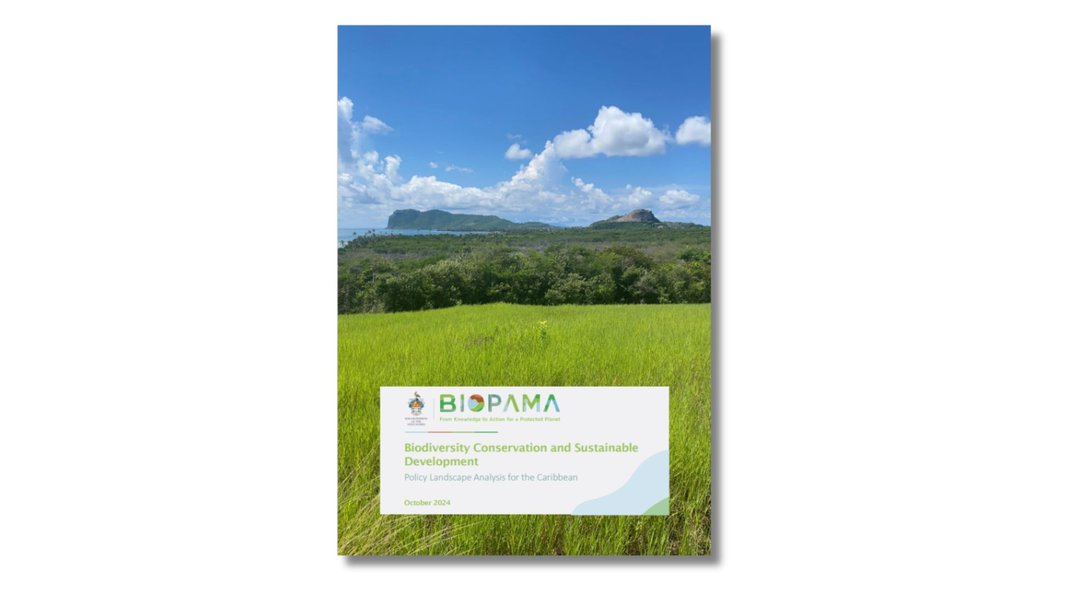
An illustrative image depicting the interconnectedness of biodiversity, conservation, and policy in the Caribbean, highlighting the diverse subjects academic libraries support.
Research Data Management and Emerging Technologies
Managing research data has become a critical concern for universities worldwide, and Caribbean academic libraries are increasingly aware of their role in supporting researchers in this area (Managing research data at an academic library in a developing country). Content analysis of library policies, service descriptions, and research outputs can reveal the maturity and scope of research data management services offered.
Furthermore, discussions around implementing Artificial Intelligence (AI) and Augmented Reality (AR) in Caribbean academic libraries are gaining traction. Research explores the potential of AI to enhance efficiency, reduce errors, and maximize resource output (The intelligent academic library: review of AI projects & potential for ..., The intelligent academic library: review of AI projects & potential ...: ...). Similarly, AR is considered for greater access and usage of library services, particularly for off-campus students and individuals with physical challenges (Augmented reality: Caribbean academic libraries of the future | ...). Content analysis of literature on these topics, and potentially of library strategic plans, can gauge the preparedness and progress of Caribbean libraries in adopting these technologies.
Challenges and Opportunities for Content Analysis in the Caribbean Context
Bridging Gaps and Fostering Innovation
While the utility of content analysis in Caribbean academic libraries is clear, several challenges and opportunities exist. A major challenge often lies in the availability and accessibility of diverse, reliable data sources for content analysis. Many studies emphasize the need for more localized research to truly understand the unique trends and issues in academic libraries across the English-speaking Caribbean (2016 top trends and issues in Jamaican academic libraries).
This video, "Understanding Data Analysis and Reporting," provides a foundational understanding of data analysis, a critical component that underpins effective content analysis in any research setting, including library science. It is particularly relevant for Caribbean academic libraries, which are increasingly engaging with data to inform their services and strategic decisions.
Enhancing Research Methodologies
The increasing complexity of information environments necessitates a sophisticated approach to research. Content analysis, especially when combined with other methods like surveys and ethnographic studies, can provide a more holistic picture. For instance, usability analyses of library websites can be greatly enhanced by incorporating user feedback alongside content review (Usability analysis for redesign of a Caribbean academic library ...). This suggests that a mixed-methods approach often yields richer insights than content analysis alone.
Strategic Development and Resource Allocation
Content analysis can inform strategic decision-making in Caribbean academic libraries. By analyzing patron feedback, resource usage patterns, and the content of collection development policies, libraries can optimize resource allocation and tailor services to meet specific user needs. For example, understanding what types of Caribbean literature resources are most frequently accessed (Caribbean Literature - Pittsburgh Campus: Journals & Databases) can guide acquisition strategies.
Credibility and Source Evaluation in Content Analysis
Ensuring Robust Research Outcomes
In any academic paper, particularly one relying on content analysis, the credibility and reliability of sources are paramount. For this study, efforts were made to use sources that are peer-reviewed, published by reputable academic institutions or associations, and demonstrate rigorous research methodologies.
Key indicators of credible sources include (What Are Credible Sources & How to Spot Them | Examples, How do I know if my sources are credible/reliable? - FAQ - Library ..., How do I know if a source is credible? - Research Basics - Henry ...):
- Author Expertise: Authors who are experts or scholars in the field, often affiliated with universities or research centers.
- Peer Review: Publications from academic journals that undergo a peer-review process.
- Citations and References: Sources that extensively cite their own information, allowing for verification.
- Unbiased Analysis: Content that presents balanced perspectives and avoids overt bias or sponsored content.
- Up-to-date Information: Ensuring the information is current and relevant to the topic, especially for rapidly evolving fields like technology in libraries.
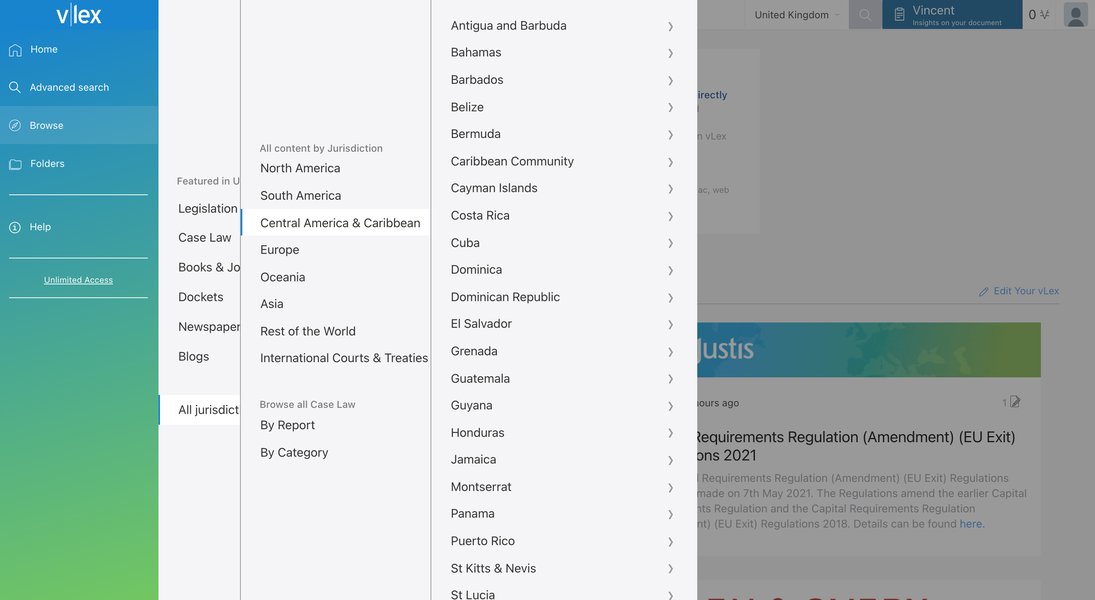
An interface shot of a Caribbean law database, illustrating the structured and accessible nature of specialized digital resources critical for academic research.
University library systems, such as those at the University of the West Indies (Caribbean Research Databases - LibGuides at The University of the ...) and NYU (Caribbean Studies: Home - NYU Libraries Research Guides), provide access to numerous scholarly databases (e.g., JSTOR) that are considered highly reliable for academic writing (Journals & Databases - Caribbean Literature - Pittsburgh Campus ...).
Trends and Future Directions for Content Analysis in Caribbean Academic Libraries
A Forward-Looking Perspective
The landscape of academic libraries in the Caribbean is continuously evolving, driven by technological advancements and changing user expectations. Content analysis will remain a vital tool for understanding and adapting to these shifts.
Key Areas for Future Content Analysis Research
Several areas warrant further exploration through content analysis:
- Impact of AI and AR Implementation: As Caribbean academic libraries consider adopting AI and AR technologies (The intelligent academic library: review of AI projects & potential for ..., Augmented reality: Caribbean academic libraries of the future | ...), content analysis of their strategic plans, implementation reports, and user feedback could assess efficacy and identify best practices tailored to the region.
- Open Access Initiatives: Content analysis could examine the growth and impact of open access repositories established by Caribbean universities, such as those at The UWI (Caribbean Online Research Resources - Caribbean Research Databases ...).
- Disaster Preparedness and Resilience: Given the Caribbean's susceptibility to natural disasters, content analysis of library disaster plans and post-disaster reports could highlight preparedness levels and areas for improvement.
- User Engagement and Outreach: Analyzing the content of library social media, promotional materials, and outreach programs could reveal strategies for enhancing user engagement and addressing information literacy needs.
The radar chart above illustrates a perceived "Current Strength" versus an "Ideal Future State" for key areas in Caribbean academic libraries, based on an opinionated analysis of the provided sources. It suggests that while digital collection development is a relative strength, areas like technological adoption (AI/AR), research data management, and especially disaster preparedness and overcoming funding limitations represent significant opportunities for growth and improvement. This visual analysis underscores the strategic areas where content analysis can provide invaluable insights to guide development and resource allocation.
Summary of Key Resources and Their Contributions
Supporting Research in Caribbean Academic Libraries
Academic libraries in the Caribbean utilize various databases and resources to support research, particularly in interdisciplinary fields like Caribbean Studies. These resources are critical for researchers and librarians alike.
| Resource Type | Description | Relevance to Caribbean Studies/Libraries |
|---|---|---|
| Digital Libraries | Digital Library of the Caribbean (dLOC): Cooperative digital library for Caribbean cultural, historical, and research materials. | Central to accessing and preserving Caribbean heritage; vital for research on regional topics. |
| Scholarly Databases | JSTOR, multidisciplinary databases providing access to peer-reviewed journals, books, and primary sources (Journals & Databases - Caribbean Literature - Pittsburgh Campus ..., Caribbean Research Databases - LibGuides at The University of the ...). | Essential for finding credible, in-depth research on Caribbean literature, history, and other fields. |
| Primary Source Collections | Digitized collections from archives, libraries, and private collections, including images, maps, texts from 18th-19th centuries (Caribbean Studies: Primary Sources - NYU Libraries Research Guides, Archives, Libraries, Museums - Caribbean Studies - Research Guides ...). | Crucial for original historical and cultural research, offering direct insights into past events and societies. |
| Specialized Libraries/Collections | Latin American Centre Library (Oxford), British Library, Institute of Commonwealth Studies Library with Caribbean materials (Tools for further research - Caribbean Studies - Oxford LibGuides ...). | Provide unique and rare materials, offering deep scholarly resources for specialized research. |
Frequently Asked Questions (FAQ)
What is content analysis in the context of academic libraries?
Why is content analysis important for Caribbean academic libraries?
What are some key digital initiatives in Caribbean academic libraries?
How can content analysis help with the implementation of new technologies like AI in Caribbean libraries?
Conclusion
Content analysis serves as a powerful and increasingly vital methodology for understanding the evolving landscape of academic libraries in the Caribbean. From deciphering staffing needs through job announcements to evaluating the efficacy of digital initiatives like dLOC, and even charting the course for future technological integration like AI and AR, content analysis provides invaluable data-driven insights. By employing this rigorous research method, Caribbean academic libraries can continue to adapt, innovate, and fulfill their critical role in supporting education, research, and cultural preservation within their unique regional context. Future research should prioritize localized studies using robust content analysis to address specific challenges and maximize opportunities for these indispensable institutions.
Recommended Further Queries
- Impact of artificial intelligence on Caribbean academic library services
- Digital preservation strategies in the Digital Library of the Caribbean
- User perceptions of augmented reality in Caribbean university libraries
- Challenges and opportunities for open access in Caribbean academic publishing