
Action Research Proposal on Classroom Noise Management Strategies and Their Effectiveness
A simple guide to testing and improving noise control methods in classrooms
Key Insights
- Clear Rules: Establish clear expectations and simple noise control rules.
- Active Strategies: Use visual and auditory cues for managing noise.
- Data Driven: Measure noise and observe changes to evaluate effectiveness.
Introduction
This action research proposal explores different strategies to manage noise in a classroom. We know that when classrooms are too noisy, it can be hard for students to learn and for teachers to teach. Therefore, finding ways to reduce unwanted noise will create a more friendly and productive learning environment. In this proposal, we will look at simple, practical methods to lower noise levels, evaluate if they work, and gather ideas from both students and teachers.
Research Problem
Many classrooms experience high levels of noise that disturb lessons and make students lose focus. This noise can come from chatting, moving around, or even excitement during lessons. This project focuses on finding ways to manage and reduce classroom noise. The main questions we aim to answer through this research are:
- What are some easy strategies that can help reduce noise in the classroom?
- How do these strategies affect the behavior and concentration of students?
- How can teachers monitor and measure success in reducing noise?
Objectives
The goals of this action research are to:
- Identify current noise levels in the classroom and the times when noise is most disruptive.
- Implement simple and effective strategies to manage noise.
- Measure and record the changes in noise levels and student engagement after the strategies are put in place.
- Gather feedback from both students and teachers on the new strategies.
- Refine the strategies based on what works best in reducing noise, so they can be used regularly.
Methodology
Participants
This research will involve a group of students and one or more classrooms. All students and teachers in these classrooms will take part in observing, testing, and giving feedback on the new noise management strategies. The participants will include students aged 8-12, as younger students may benefit most from simple and clear rules.
Data Collection Methods
We will use several ways to collect and record data:
1. Noise Level Measurements
The noise in the classrooms will be measured using a simple decibel meter before and after the strategies are applied. This will help us see if the noise levels drop when we use the new methods.
2. Observations
Teachers will observe and note when and where loud noises happen during a typical day. They will record what is happening and how students react during these times.
3. Surveys and Feedback
Both students and teachers will complete a short survey. The survey will have questions about what they think of the new rules and signals. They can tell us if they feel the classroom is quieter and if they can concentrate better.
4. Academic Performance Records
Simple records of academic work and attention during lessons will also be kept. By comparing test scores or assignments before and after the intervention, we can see if the quieter environment helps learning.
Noise Management Strategies
Several simple strategies will be tested in this action research. These include:
- Establishing Rules: At the beginning of the school year, clear and simple rules for acceptable noise levels will be set. For example, one rule could be "Quiet when the teacher is speaking."
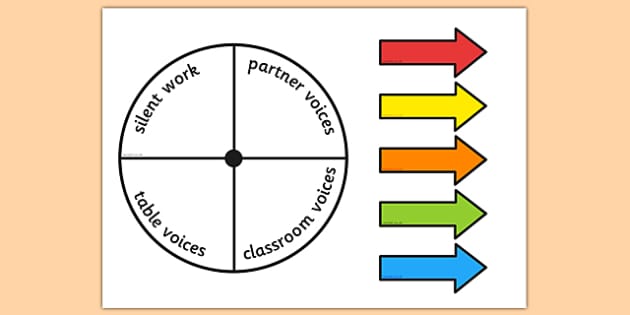
- Non-Verbal Cues: Teachers will use hand signals or a visual cue, like a "quiet sign," to remind students to lower their voices without stopping the class completely.
- Visual Noise Charts: A noise level chart will be used in the classroom. The chart shows different levels of noise using colors or numbers and encourages students to stay within an acceptable range.
- Auditory Alerts: A bell or a soft tone may be used to signal to students that it is time to quiet down.
- Quiet Breaks: Short, planned breaks where students focus on quiet tasks can help reset the classroom atmosphere when it gets too noisy.
- Improving the Physical Environment: Small changes like placing rugs on the floor or adding acoustic panels can help absorb some of the unwanted noise.
Action Plan and Timeline
The research will be carried out over a period of 6 weeks. Below is a timeline that outlines the steps of the research:
| Week | Activity | Description |
|---|---|---|
| Week 1 | Baseline Assessment | Collect data on current noise levels. Teachers observe and use a decibel meter to record noise. Students fill out a simple survey about noise and learning. |
| Week 2 | Introduce Rules and Cues | Set new classroom rules and show students non-verbal cues and visual noise charts. Explain and practice energy-sapping cues and quiet breaks. |
| Weeks 3-4 | Implementation | Continue using the noise management strategies. Teachers use a bell or tone for alerts. Regularly record noise levels and note observations. |
| Week 5 | Collect Feedback | Conduct surveys with students and teachers. Collect academic records and compare changes in classroom behavior and noise levels. |
| Week 6 | Review and Adjust Strategies | Analyze data collected, review feedback, and decide which strategies worked best. Make any necessary improvements for future use. |
Expected Outcomes
With these strategies, we expect the following outcomes:
- A decrease in overall noise levels during class.
- Improved concentration as students spend more time engaged in learning.
- Better classroom order and reduced disruptions during lessons.
- Positive feedback from both students and teachers who feel that the learning environment has improved.
Ethical Considerations
In our research, we must be careful and respectful. Some key ethical considerations are:
- Before the study begins, permissions will be obtained from school administrators and parents.
- All survey responses and observations will be kept confidential and used only for the purpose of this research.
- Participants will be informed that their feedback is voluntary and will not affect their grades or standing in the class.
- The project will follow local guidelines and ethical standards for research with minors.
Data Analysis
Data from noise measurements, observations, and surveys will be compiled and analyzed. To understand the effect of the strategies, the following will be performed:
- Comparative Analysis: Compare noise levels before and after the implementation of the strategies.
- Statistical Summary: Use simple averages and percentages to measure changes in noise levels and student responses.
- Thematic Analysis: Review written feedback and observation notes for common themes and suggestions.
Reporting Results
The results of this research will be reported in a clear and simple manner so that teachers and school administrators can understand which strategies worked best. The report will include charts showing noise levels, graphs that compare student focus before and after the intervention, and quotes from surveys that highlight the experiences of both students and teachers.
Example Report Table
| Metric | Before Intervention | After Intervention | Change |
|---|---|---|---|
| Average Noise Level (dB) | 70 dB | 60 dB | ↓ 10 dB |
| Student Engagement (%) | 65% | 80% | ↑ 15% |
| Teacher Satisfaction (%) | 50% | 75% | ↑ 25% |
Strategy Implementation Considerations
Some important ideas to keep in mind when using these strategies include:
- Consistency: It is important to use the noise management strategies consistently. When rules are applied regularly, students know what to expect, and this helps create a calm environment.
- Student Involvement: Involve students in setting the rules and choosing the cues. This may make them feel more responsible for maintaining a quiet classroom.
- Environment: Small changes in the classroom environment, such as rearranging desks or adding noise-absorbing materials, can support the overall effort to lower noise levels.
- Flexibility: Every classroom is different. It is important to adjust strategies based on what works best for your specific class.
Improvement and Future Steps
Based on the outcomes and feedback collected during the research, the good strategies can be refined and permanently adopted. Teachers are encouraged to:
- Review the noise management rules regularly with their students.
- Adjust non-verbal cues, visual aids, and quiet breaks to fit daily classroom routines.
- Share successful techniques with other teachers in the school.
- Plan regular follow-up assessments to ensure that the classroom environment remains conducive to learning over time.
References
- 22 Effective Techniques for a Quieter Learning Environment - Our Eclass
- 5 Best Noise Management Classroom Strategies - ClickView Education
-
30 Techniques to Quiet a Noisy Class - Edutopia
-
7 Effective Strategies for Managing Classroom Noise - Avenue IS
- How to Control Noisy Students and Manage Class Effectively - LinkedIn
Recommended Further Queries
Last updated March 8, 2025