
Unraveling the Future: Climate Change and Humanity's Survival
Will uncontrolled climate change lead to our extinction, or are the primary threats elsewhere? A deep dive into scientific consensus and potential realities.
The question of whether unchecked climate change could ultimately lead to the extinction of the human race is a profound concern. While the consequences of a rapidly warming planet are undeniably severe, the scientific consensus offers a nuanced perspective on this existential question. This response synthesizes current understanding from leading climate scientists and institutions to explore the likelihood of such a catastrophic outcome.
Key Insights: Climate Change and Our Future
- Direct Human Extinction Unlikely: The prevailing scientific view is that climate change, while a grave threat, is highly unlikely to directly cause the extinction of the human species. Our adaptability, technological capabilities, and wide geographic distribution are significant buffers.
- Catastrophic Impacts Short of Extinction: Failure to control climate change is projected to lead to widespread and severe consequences, including extreme weather, food and water crises, mass displacement, and significant loss of life, potentially threatening societal stability in many regions.
- "Climate Endgame" Scenarios Under Scrutiny: While not predicting extinction, some scientists emphasize that the most extreme, cascading "climate endgame" scenarios—involving large-scale societal collapse or substantial population decline—are "dangerously underexplored" and warrant more rigorous research.
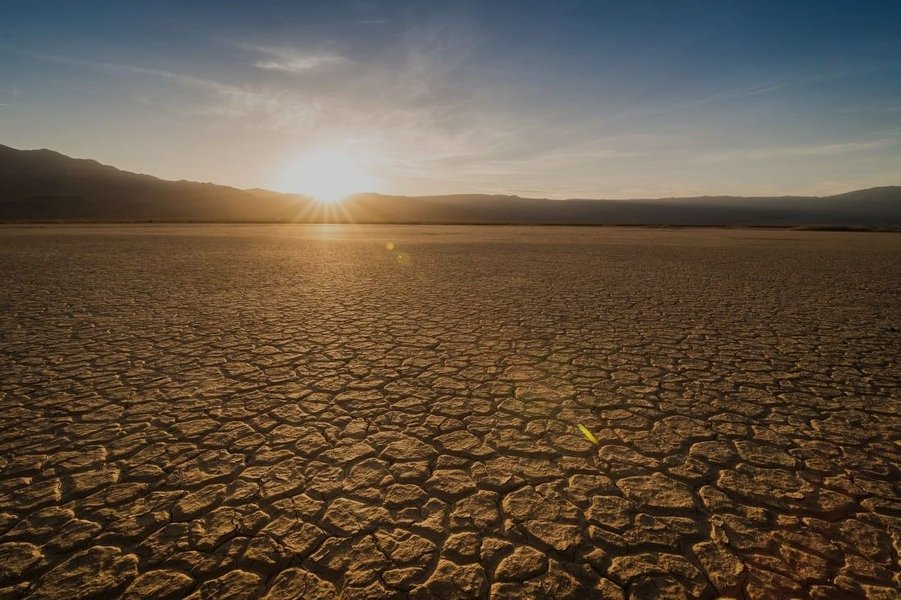
Global climate patterns are visibly changing, as depicted by NASA's data visualizations.
The Scientific Stance: Extinction Risk vs. Severe Disruption
Leading climate science bodies, such as the Intergovernmental Panel on Climate Change (IPCC), and prominent climate scientists generally agree that direct human extinction due to climate change has a "very low, if not zero" probability. Experts like Adam Schlosser from MIT's Joint Program on the Science and Policy of Global Change and Michael Mann from Penn State have stated that current climate models and evidence do not support scenarios that would render human beings extinct. Humans have demonstrated remarkable resilience and adaptability throughout history, and our global presence means that even catastrophic regional events are unlikely to wipe out the entire species.
However, this assessment does not diminish the profound severity of the threats posed by uncontrolled climate change. The distinction is crucial: while humanity as a species might survive, the stability of our civilizations, the well-being of billions, and the health of the planet are at immense risk.
The Spectrum of Severe Consequences
Failure to significantly mitigate greenhouse gas emissions will unleash a cascade of devastating impacts. These are not speculative futures but are, in many cases, already observable and projected to worsen significantly:
Extreme Weather Events
The frequency and intensity of heatwaves, droughts, heavy precipitation leading to floods, and powerful storms like hurricanes and cyclones are projected to increase. These events cause direct loss of life, destroy infrastructure, and displace communities.
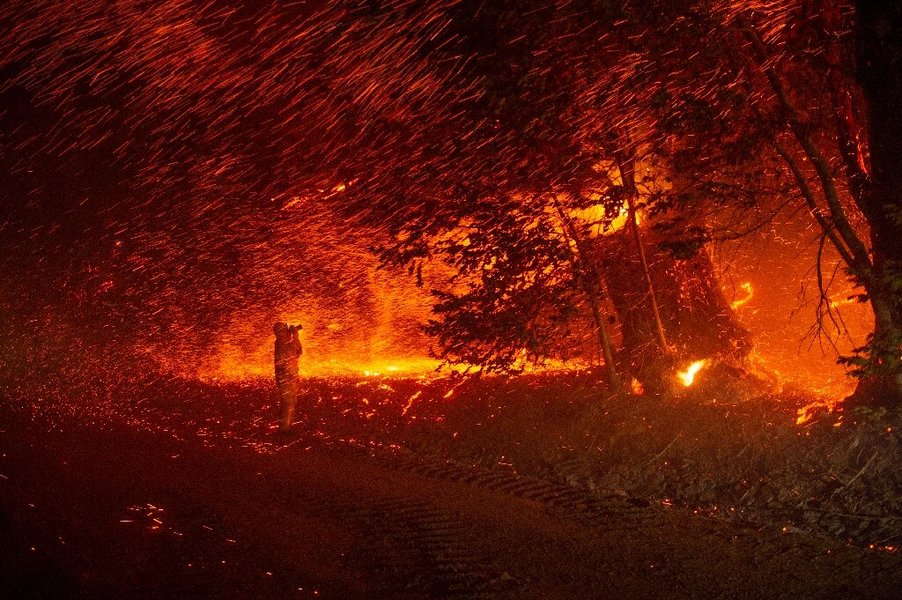
Increased frequency and intensity of wildfires are a stark example of extreme weather events linked to climate change.
Food and Water Security Under Threat
Changes in temperature and precipitation patterns will disrupt agriculture globally. Reduced crop yields, coupled with water scarcity in many regions, could lead to widespread food shortages, malnutrition, and famine. Marine ecosystems, also vital for food, are threatened by ocean warming and acidification.
Impacts on Human Health
Climate change poses direct and indirect threats to human health. Heat stress from extreme heatwaves can be fatal. Changing environmental conditions can expand the range of disease vectors like mosquitoes and ticks, leading to increased incidence of illnesses such as malaria, dengue fever, and Lyme disease. Air quality can worsen due to wildfires and pollution, and waterborne diseases can spread more easily during floods.
Ecosystem Disruption and Biodiversity Loss
Climate change is a primary driver of biodiversity loss. Estimates suggest that a significant percentage of Earth's plant and animal species (potentially over a third by 2050 and up to 70% by the end of the century) face extinction due to changing climates and habitat loss. This loss of biodiversity weakens ecosystems, disrupting essential services like pollination, water purification, and soil fertility, upon which human societies depend.
Socio-Political Instability and Displacement
The cumulative pressures of resource scarcity, environmental degradation, and extreme events can lead to mass migrations, increased competition for resources, and heightened social and political tensions. This can exacerbate existing conflicts or trigger new ones, and in severe cases, contribute to regional societal collapse. Low-lying coastal areas and small island nations face existential threats from sea-level rise.
Economic Consequences
The economic costs of climate change are vast, encompassing damage from extreme weather, losses in agricultural productivity, healthcare expenses, and reduced labor productivity. These costs disproportionately affect vulnerable populations and developing nations, widening inequalities.
Visualizing Climate Change Risks
To better understand the relative concerns associated with various climate change impacts, the following chart illustrates a qualitative assessment based on current scientific understanding. It compares the perceived likelihood and severity of different outcomes if climate change remains largely uncontrolled. "Human Extinction" is rated low in likelihood, while other impacts such as "Extreme Weather Events" and "Biodiversity Loss" are rated very high in terms of both likelihood and potential for severe disruption to human well-being and ecosystems.
The "Climate Endgame": Exploring Worst-Case Scenarios
While direct extinction is deemed unlikely, a growing body of research calls for more serious consideration of "climate endgame" scenarios. These are not necessarily about the complete eradication of humans but encompass outcomes like global societal collapse, a loss of 10% or more of the global population, or events that trigger cascading failures across critical systems. Proponents argue that these extreme possibilities, though low in probability, are "dangerously underexplored." Understanding these potential catastrophic pathways is crucial for comprehensive risk management and for motivating more urgent and ambitious climate action. It is vital to distinguish between the collapse of current societal structures or widespread depopulation and the biological extinction of Homo sapiens.
Interconnected Risks: A Mindmap of Climate Impacts
The impacts of uncontrolled climate change are not isolated; they form a complex web of interconnected challenges. This mindmap illustrates how primary climatic changes can lead to a cascade of secondary consequences affecting ecosystems, resources, human health, and societal stability, ultimately posing significant threats to human civilization, even if direct extinction remains a remote possibility.
(Many Species Extinctions)"] id2b2["Habitat Destruction & Degradation"] id2b3["Disruption of Ecosystem Services"] id2c["Severe Resource Scarcity"] id2c1["Global Food Shortages & Famine"] id2c2["Acute Water Scarcity"] id2d["Major Human Health Crises"] id2d1["Increased Heatstroke & Respiratory Illnesses"] id2d2["Spread of Vector-borne & Waterborne Diseases"] id2d3["Malnutrition"] id2e["Profound Socio-Economic Impacts"] id2e1["Mass Migration & Displacement of Populations"] id2e2["Significant Economic Damage & Instability"] id2e3["Increased Risk of Conflicts & Geopolitical Instability"] id2e4["Potential for Regional Societal Collapse"] id3["Implications for the Human Race"] id3a["Widespread Suffering & Significant Loss of Life"] id3b["Grave Threat to Global Civilization's Stability"] id3c["Direct Human Extinction
(Considered Very Low Likelihood by Mainstream Science)"]
Understanding the Nuance: Catastrophe vs. Extinction
The video below features discussion on catastrophic climate change outcomes, highlighting the scientific debate and the call for more research into extreme scenarios, which is distinct from predicting outright human extinction.
This video discusses the argument that catastrophic climate outcomes, including the concept of human extinction, require more scientific attention, even if currently considered unlikely.
It's essential to process such discussions with the understanding that "catastrophic outcomes" can mean many things short of total species extinction, including the collapse of complex societies, massive depopulation, or a significant reduction in the quality of life for survivors. While these are dire possibilities, human adaptability and our presence across diverse environments provide a buffer against complete species annihilation from climate change alone.
Summary of Key Climate Change Risks
The following table summarizes some of the primary risks associated with uncontrolled climate change, their potential severity, likelihood, and the populations most likely to be affected. It underscores that while direct extinction is a low-probability event, many other high-impact consequences are highly probable.
| Risk Category | Description | Potential Severity (Humanity-wide Impact) | Likelihood (with Uncontrolled Climate Change) | Most Affected Areas/Populations |
|---|---|---|---|---|
| Direct Human Extinction | Complete disappearance of the human species. | Existential (Ultimate Catastrophe) | Very Low | Entire human race (hypothetically) |
| Widespread Societal Collapse | Breakdown of global or multiple major societal, economic, and political structures. | Extremely High | Low to Medium | Global, interconnected societies, particularly those with existing vulnerabilities |
| Regional Societal Disruption | Severe instability, infrastructure failure, governance breakdown in specific large regions. | High | High | Vulnerable regions, developing nations, areas with high climate exposure |
| Extreme Weather Events | Increased frequency/intensity of heatwaves, powerful storms, floods, extensive droughts, and wildfires. | High | Very High | Global, especially coastal areas, arid and semi-arid regions, densely populated urban areas |
| Food & Water Insecurity | Significant reductions in crop yields, disruption of food supply chains, and severe freshwater scarcity, leading to famine and malnutrition. | High | Very High | Global, particularly agriculture-dependent regions, arid lands, and impoverished populations |
| Global Health Crises | Increased heat-related mortality, spread of infectious and vector-borne diseases, worsening malnutrition, and mental health impacts. | High | Very High | Global, with disproportionate impacts on vulnerable populations (elderly, children, chronically ill) and areas with weak health systems |
| Biodiversity Loss & Ecosystem Collapse | Mass extinction of plant and animal species, degradation and collapse of critical ecosystems (e.g., coral reefs, rainforests), disrupting essential planetary services. | High (for ecosystem health and human dependency) | Very High | Global ecosystems, with knock-on effects for all human societies |
| Mass Displacement & Migration | Large-scale movement of people due to sea-level rise, desertification, resource scarcity, and uninhabitable conditions. | High | High | Coastal populations, inhabitants of small island nations, arid and environmentally degraded regions |
Frequently Asked Questions (FAQ)
Is human extinction due to climate change considered impossible by scientists?
What are the most immediate and certain threats from uncontrolled climate change?
If not extinction, what is the worst-case plausible scenario for humanity regarding climate change?
Why is human extinction considered less likely than, for example, the extinction of many other species due to climate change?
Conclusion: A Call for Urgent Action, Not Despair
In summary, while the failure to control climate change is highly unlikely to result in the direct extinction of the human race, it unequivocally poses an existential threat to human civilization as we know it. The potential for catastrophic environmental changes, leading to widespread suffering, massive loss of life, societal collapse in vulnerable regions, and irreversible damage to the ecosystems that sustain us, is very real and demands urgent, transformative action. The focus must be on rapid decarbonization, building resilience, fostering international cooperation, and adapting to the changes already underway to mitigate the most severe consequences and secure a more sustainable future for humanity.
Recommended Further Exploration
- What are the specific regional impacts of a 3-degree Celsius global temperature rise?
- How does climate change exacerbate geopolitical instability and conflict risk?
- What are the most effective global strategies for climate change mitigation and adaptation?
- Explore the concept of 'climate tipping points' and their potential for irreversible changes.
References
Last updated May 22, 2025