
Climate Change and Humanity's Future: Navigating Complex Risks Beyond Extinction Timelines
Unpacking the scientific view on climate change's threat to human survival, focusing on societal impacts rather than imminent extinction.
The question of whether and when climate change might lead to human extinction is a profound concern. While the specter of a climate-induced end to humanity captures attention, current scientific understanding paints a more nuanced picture. It's less about a definitive date for extinction and more about understanding escalating risks, severe societal disruptions, and the urgent need for global action.
Key Insights: Understanding the Threat
- Direct Extinction Unlikely in Near Term: The prevailing scientific consensus, including bodies like the Intergovernmental Panel on Climate Change (IPCC), suggests that direct human extinction solely due to climate change in the foreseeable future is very low.
- Severe Societal Disruption is the Major Concern: The primary threats stem from catastrophic impacts on human societies, including widespread breakdowns in infrastructure, food and water security, public services, and increased conflict, rather than the complete eradication of the species.
- "Climate Endgame" Scenarios Under-Explored: Some researchers argue that worst-case scenarios, or "climate endgames"—involving cascading failures leading to significant population decline and societal collapse—are dangerously underexplored and require more intensive study.
The Scientific Stance on Human Extinction from Climate Change
According to leading climate scientists and comprehensive reports such as those from the IPCC, there is no robust evidence to suggest that climate change will cause the extinction of the human species in the near term. Experts like Adam Schlosser from MIT's Joint Program on the Science and Policy of Global Change and Michael Mann from Penn State affirm that the probability of climate change driving humans to extinction is "very low, if not zero."
However, this does not diminish the severity of the climate crisis. The concern lies in the potential for climate change to trigger widespread, devastating consequences that could dramatically alter human civilization and well-being.

Drought conditions, exacerbated by climate change, highlight the vulnerability of water resources.
Focus on Catastrophic Risks, Not Just Extinction
While outright extinction isn't the primary forecast, climate change is projected to cause:
- Mass Starvation: Disruption of agricultural systems due to extreme weather, droughts, and changing growing seasons.
- Resource Conflicts: Increased competition for dwindling resources like water and arable land, potentially leading to widespread conflict.
- Ecosystem Collapse: Loss of biodiversity and essential ecosystem services that support human life.
- Extreme Heat Waves: Periods of such intense heat that human and mammalian bodies cannot adequately cool themselves, potentially rendering some regions uninhabitable. For instance, widespread terrestrial temperatures consistently between 40-70°C would pose severe survival challenges.
- Sea-Level Rise: Inundation of coastal cities and island nations, leading to mass displacement.
The "Climate Endgame" Hypothesis
A segment of the scientific community urges for more research into "climate endgame" scenarios. These are low-probability but high-impact events where multiple climate-induced stressors (famine, extreme weather, war, disease) converge, potentially leading to global societal collapse or drastic reductions in human population. While not predicting extinction, this line of inquiry emphasizes that the most catastrophic potential outcomes of climate change have been "dangerously underexplored."
Understanding Tipping Points and Urgency
Scientific projections highlight critical thresholds in atmospheric carbon dioxide concentrations. For example, surpassing 386 parts per million (ppm) CO2 around 2015 is thought to have locked in a minimal eventual global temperature increase of about 1.5°C above pre-industrial levels. Some models suggest that crossing 405 ppm CO2 makes a 2°C rise inevitable, a level associated with severe and widespread negative impacts.
One viewpoint suggests that if critical global fossil fuel reduction targets are not met by approximately 2025 to 2031, runaway climate change could push the world past critical tipping points. While some alarming projections have linked this to near-total human extinction by 2050-2070 due to catastrophic heat, food scarcity, and environmental breakdown, this specific timeline for extinction is not the consensus view. The IPCC and mainstream climate science emphasize severe risks and the necessity of rapid emissions cuts to avoid the worst impacts, which include immense burdens and making life "really, really tough and uncomfortable" for billions, rather than complete extinction within decades.
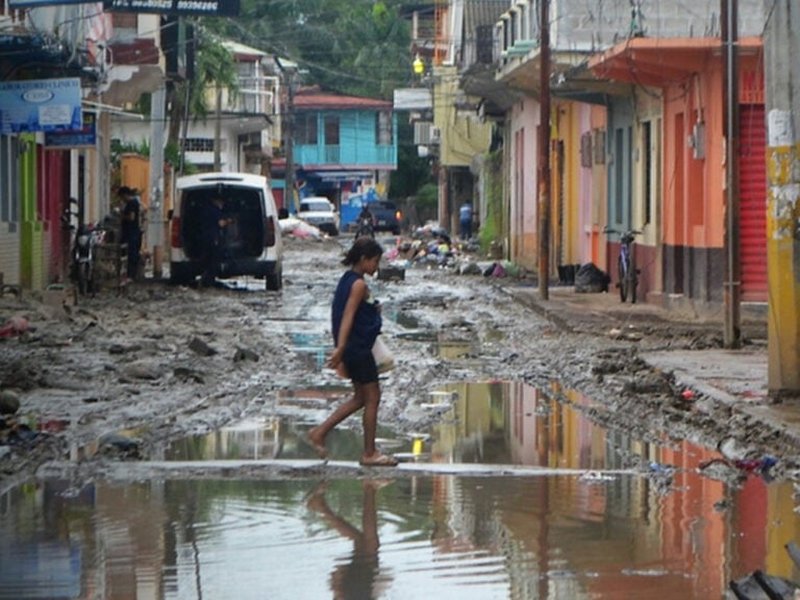
Extreme weather events like widespread flooding are becoming more frequent and intense due to climate change.
The Criticality of This Decade
The UN's IPCC underscores that humanity is nearing its last chance to prevent the most severe future harms of climate change. Significant cuts in carbon pollution and fossil fuel use—by nearly two-thirds by 2035—are deemed essential. The choices made in the current decade will resonate for thousands of years, determining the severity of challenges future generations will face.
Visualizing Climate Change Risk Factors
The following chart illustrates a qualitative assessment of various risk factors associated with climate change, comparing their current perceived impact with projected impacts under scenarios of moderate or insufficient mitigation efforts. This is an illustrative representation rather than a precise data-driven model, designed to highlight areas of growing concern.
This radar chart helps to visualize how different threats posed by climate change could escalate. While 'Direct Heat Stress' might see a significant jump, the interconnectedness means that 'Food Security Threats', 'Water Scarcity', and 'Societal Instability' are also projected to severely worsen, particularly if mitigation efforts are insufficient.
Historical Context: Climate Change and Past Extinctions
Earth's history includes five major mass extinction events, and climate change has been identified as a contributing factor in all of them. For example, prolonged droughts contributed to the decline of ancient civilizations like in Greece. Early human species, such as *Homo erectus* and Neanderthals, also faced significant environmental pressures, with climate change playing a role in their eventual extinction, often in combination with other factors like competition with *Homo sapiens* or direct hunting.
The Holocene Extinction: The Sixth Mass Extinction
Currently, Earth is considered to be in its sixth mass extinction event, often termed the Holocene or Anthropocene extinction. This ongoing crisis is largely driven by human activities, including:
- Land-use change (deforestation, agriculture, urbanization)
- Direct exploitation (overhunting, overfishing)
- Pollution
- Introduction of invasive species
- Anthropogenic climate change
Studies indicate that a significant percentage of plant and animal species (potentially over 10% by 2100) are at risk, with many populations already in decline. While humanity is the primary driver of this extinction event affecting other species, our own adaptability and global distribution make our complete extinction from these same pressures less direct, though our well-being is intrinsically linked to biodiversity and ecosystem health.
Mapping the Cascading Effects of Climate Change
Climate change isn't a single isolated problem; its impacts ripple through environmental, social, and economic systems. The mindmap below illustrates some of these interconnected consequences, showing how initial climatic shifts can lead to a cascade of secondary and tertiary problems that collectively pose a significant threat to human civilization.
Heat Stroke"] id1a2["Reduced Labor Productivity"] id1b["Droughts & Water Scarcity"] id1b1["Agricultural Failure
Food Insecurity"] id1b2["Water Conflicts"] id1c["Increased Wildfires"] id1c1["Habitat Destruction"] id1c2["Air Pollution"] id2["Sea Level Rise"] id2a["Coastal Inundation"] id2a1["Displacement of Populations"] id2a2["Loss of Infrastructure"] id2b["Salinization of Coastal Aquifers"] id2b1["Freshwater Shortages"] id3["Extreme Weather Events"] id3a["More Intense Storms & Hurricanes"] id3a1["Widespread Destruction"] id3a2["Economic Losses"] id3b["Heavy Precipitation & Flooding"] id3b1["Damage to Property & Lives"] id3b2["Waterborne Diseases"] id4["Ocean Acidification & Warming"] id4a["Coral Bleaching & Marine Ecosystem Collapse"] id4a1["Fisheries Decline"] id4a2["Loss of Biodiversity"] id5["Societal & Geopolitical Impacts"] id5a["Food & Water Insecurity"] id5a1["Malnutrition & Famine"] id5a2["Increased Social Unrest"] id5b["Mass Migration & Displacement"] id5b1["Strain on Resources in Receiving Areas"] id5b2["Potential for Conflict"] id5c["Exacerbation of Poverty & Inequality"]
This mindmap demonstrates how a primary driver like "Rising Global Temperatures" can lead to complex chains of events, ultimately resulting in significant "Societal & Geopolitical Impacts" such as food insecurity, mass migration, and increased conflict – all of which challenge human well-being and stability.
Potential Impacts of Different Warming Levels
The extent of climate change's impact is closely tied to the degree of global warming. The following table summarizes potential consequences at different temperature increase thresholds above pre-industrial levels. It's important to note that these are general projections and impacts can vary regionally.
| Warming Level | Key Impacts on Ecosystems | Key Impacts on Human Systems |
|---|---|---|
| 1.5°C | Significant risks to many unique and threatened systems (e.g., coral reefs, Arctic regions). Increased frequency of extreme weather. Some irreversible losses. | Increased risks to food security, water supply, human health, and coastal settlements. Vulnerable populations disproportionately affected. Challenges to adaptation. |
| 2°C | Substantially higher risks of widespread and irreversible impacts on ecosystems. Major biodiversity loss. Significant decline in crop yields in some regions. | More severe heatwaves, droughts, and floods. Millions more people exposed to water stress and food insecurity. Increased climate-related poverty. Significant health impacts. |
| 3°C+ | Catastrophic impacts on biodiversity, with many species facing extinction. Large-scale ecosystem transformations. Potential for irreversible tipping points (e.g., Amazon dieback, permafrost thaw). | Severe and pervasive impacts on human health, livelihoods, food security, water supply, and infrastructure. Large areas potentially becoming uninhabitable. Increased risk of mass displacement and conflict. Severe limitations to adaptation. |
This table underscores that even an increase from 1.5°C to 2°C results in substantially more severe and widespread impacts, reinforcing the urgency of limiting warming as much as possible.
Exploring Catastrophic Climate Outcomes
The video below discusses the importance of scientifically evaluating catastrophic climate change outcomes, including those that could pose existential risks or lead to widespread societal collapse. It highlights a perspective that such extreme scenarios, while perhaps of lower probability, are not given sufficient attention in mainstream climate discourse and research, yet their potential impact warrants serious consideration.
This video explores why catastrophic climate change outcomes, including human extinction, may not be receiving adequate scientific attention.
Understanding the full spectrum of potential climate impacts, including these "tail-end" risks, is crucial for informed policymaking and motivating sufficiently ambitious climate action. It's not about succumbing to doom, but about responsibly assessing all possibilities to better prepare and prevent them.
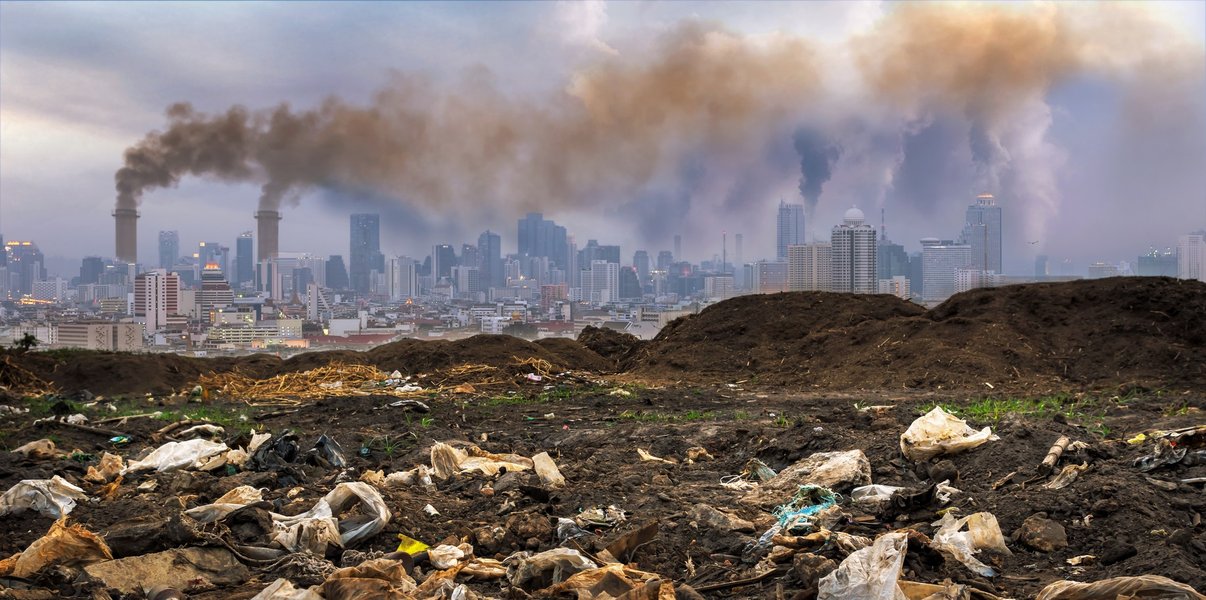
Urban areas are major contributors to emissions and also highly vulnerable to climate impacts like pollution and heat island effects.
Frequently Asked Questions (FAQ)
Will climate change make the human race go extinct soon?
What are the most immediate dangers of climate change for people?
Has climate change contributed to extinctions before?
What is meant by "climate endgame" scenarios?
What can be done to prevent the worst outcomes of climate change?
Conclusion: A Call for Action, Not Despair
While the scientific consensus indicates that climate change is unlikely to cause the direct extinction of the human race in the near future, it poses an undeniable and severe threat to global civilization, human well-being, and the planet's ecosystems. The focus should be on the very real risks of societal disruption, regional collapses, widespread suffering, and significant loss of life. The narrative is not one of inevitable doom but of urgent, decisive action. The choices humanity makes in the coming years, particularly regarding greenhouse gas emissions and adaptation strategies, will profoundly shape the future habitability of our planet and the stability of human societies for centuries to come.
Recommended Further Exploration
- What are the most dangerous tipping points in the climate system?
- How will climate change affect global food security and water availability?
- What is the role of societal collapse in past civilizations and how does it relate to climate change?
- What are the most effective global strategies for mitigating climate change and adapting to its impacts?
References
Last updated May 21, 2025