
The Role of Clinical Pharmacists in Morocco: A Comprehensive Review
Enhancing Patient Care and Medication Safety through Specialized Expertise
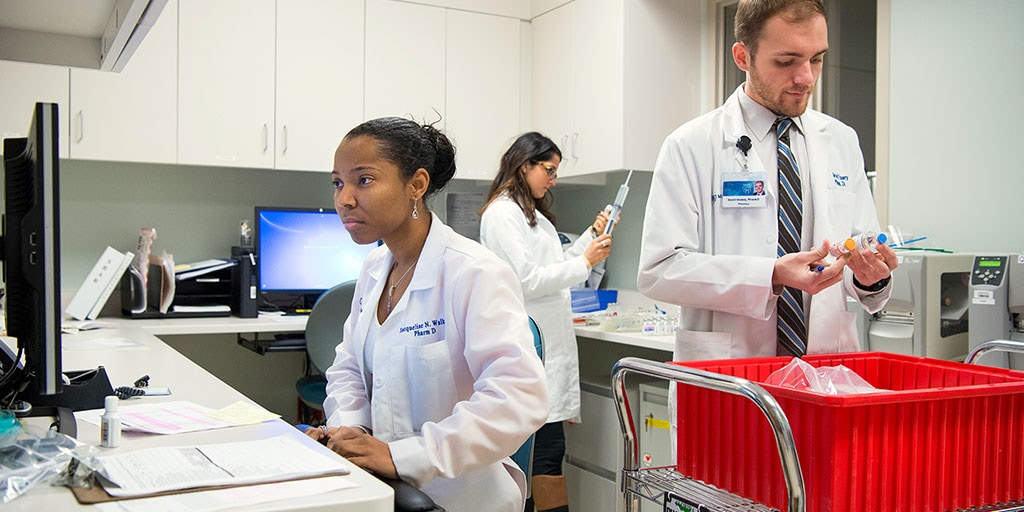
Key Takeaways
- Integration and Evolution: Since 2017, clinical pharmacists have been integral to Morocco's healthcare system, significantly contributing to patient care and medication safety.
- Specialized Roles: Clinical pharmacists play vital roles in oncology, critical care, and during public health crises like the COVID-19 pandemic, optimizing therapeutic outcomes.
- Challenges and Opportunities: Despite notable advancements, challenges such as resource limitations and the need for further training present opportunities for enhancing clinical pharmacy services.
Introduction
The healthcare landscape in Morocco has undergone significant transformations over the past decade, with the integration of clinical pharmacists marking a pivotal advancement in patient care. Clinical pharmacists, as specialized healthcare professionals, have expanded their roles beyond traditional dispensing duties to encompass comprehensive medication management, patient safety initiatives, and active participation in multidisciplinary healthcare teams. This comprehensive review examines the evolution, current roles, challenges, and future prospects of clinical pharmacists in Morocco, drawing insights from recent studies and literature.
Background and Evolution of Clinical Pharmacy in Morocco
Historical Context and Integration
Clinical pharmacy services were officially introduced in Morocco in 2017, heralding a new era in pharmaceutical care. Prior to this integration, the role of pharmacists was predominantly confined to dispensing and providing basic pharmaceutical advice. The establishment of clinical pharmacy marked a shift towards a more patient-centered approach, emphasizing the optimization of medication therapy and enhancing overall patient outcomes.
Educational and Regulatory Frameworks
The introduction of clinical pharmacy in Morocco was supported by advancements in educational curricula and regulatory policies. Pharmacy schools incorporated specialized training programs focusing on clinical aspects, pharmacotherapy, and patient care. Regulatory bodies facilitated the integration by establishing guidelines and standards that delineate the responsibilities and scope of practice for clinical pharmacists. This structured framework ensured that clinical pharmacists are well-equipped to meet the evolving demands of the healthcare system.
Comparison with International Models
While the integration of clinical pharmacists in Morocco shares similarities with international models, it also presents unique challenges and opportunities. Compared to more established systems in countries like the United States and the United Kingdom, Morocco is in the nascent stages of embedding clinical pharmacy into routine healthcare practices. However, the burgeoning healthcare infrastructure and increasing recognition of the value of clinical pharmacists provide a conducive environment for growth and development.
Roles and Responsibilities of Clinical Pharmacists
Patient Care and Therapeutic Management
Clinical pharmacists in Morocco are deeply involved in patient care, particularly in therapeutic decision-making processes. They collaborate with physicians and other healthcare professionals to develop and adjust medication regimens tailored to individual patient needs. This collaboration ensures that therapies are optimized for efficacy and safety, especially for patients with complex medical conditions or those requiring specialized treatments.
Medication Error Prevention
A critical role of clinical pharmacists is the prevention of medication errors. Through meticulous medication reviews and patient assessments, they identify and rectify prescription errors, dosage inaccuracies, and potential drug interactions. This proactive approach not only minimizes adverse drug events but also enhances patient safety and trust in the healthcare system.
COVID-19 Management
The COVID-19 pandemic underscored the indispensable role of clinical pharmacists in Morocco. They were instrumental in managing therapeutic protocols, particularly concerning the off-label use of medications such as hydroxychloroquine and azithromycin. Clinical pharmacists developed and implemented infection control protocols, provided training to healthcare staff on personal protective measures, and engaged in pharmacovigilance activities to monitor and report adverse drug reactions.
Oncology and Specialized Care
In oncology departments, clinical pharmacists conduct comprehensive medication reviews for cancer patients, identifying drug-related problems and collaborating with medical teams to optimize cancer treatment regimens. Their expertise in pharmacotherapy is crucial for managing complex chemotherapy protocols, mitigating side effects, and enhancing overall treatment outcomes.
Healthcare Team Integration
Clinical pharmacists have become pivotal members of multidisciplinary healthcare teams in Morocco. They serve as bridges between physicians, nurses, and patients, facilitating effective communication and ensuring that pharmaceutical care is seamlessly integrated into overall patient management strategies. This collaborative role enhances the cohesiveness and functionality of healthcare teams, leading to improved patient outcomes.
Impact of Clinical Pharmacists: A Statistical Overview
| Area of Impact | Statistics | Outcomes |
|---|---|---|
| Oncology Medication Reviews | Conducted 3,542 prescription reviews for 526 patients | Identified 450 drug-related problems (12.7%) |
| COVID-19 Therapeutic Management | Implemented therapeutic protocols in critical care units | Enhanced medication safety and optimized therapeutic outcomes |
| Medication Error Prevention | Performed daily medication reviews | Significantly reduced medication-related risks and errors |
| Interdisciplinary Collaboration | Integrated into multidisciplinary healthcare teams | Improved communication and coordinated patient care |
Challenges and Opportunities
Challenges
Despite the significant contributions of clinical pharmacists, several challenges impede the full realization of their potential in Morocco. These include:
- Limited Resources: Insufficient staffing and financial constraints limit the capacity of clinical pharmacists to engage in extensive patient care activities.
- Resistance to Change: Traditional healthcare structures and entrenched practices may resist the expanded roles of clinical pharmacists, hindering their integration into healthcare teams.
- Need for Specialized Training: There is a continuing need for advanced training and professional development to equip clinical pharmacists with the requisite skills for specialized care areas.
Opportunities
Conversely, there are ample opportunities to enhance the role of clinical pharmacists in Morocco:
-
Enhanced Patient Outcomes: Further integration can lead to improved patient outcomes through optimized medication management and personalized therapeutic strategies.
-
Expanding Roles: Opportunities exist to develop new roles for clinical pharmacists in primary care, outpatient settings, and community pharmacies.
-
Policy and Education: Implementing policy reforms and expanding educational programs can bolster the support and capabilities of clinical pharmacists.
Discussion and Implications
The collective insights from recent studies reveal that clinical pharmacists are indispensable to the Moroccan healthcare system. Their involvement in therapeutic management, medication error prevention, and specialized care settings like oncology and critical care underscores their multifaceted contributions. The COVID-19 pandemic further highlighted their essential role in managing public health crises, demonstrating their capacity to adapt and respond effectively.
However, to fully harness the potential of clinical pharmacists, it is imperative to address the existing challenges. Investing in training programs, enhancing resource allocation, and fostering an environment conducive to interdisciplinary collaboration are critical steps towards this goal. Moreover, policy reforms that recognize and formalize the roles of clinical pharmacists can pave the way for more structured and impactful contributions to patient care.
Future research should focus on longitudinal studies that assess the long-term outcomes of clinical pharmacy integration in various healthcare settings. Additionally, exploring patient perspectives on the involvement of clinical pharmacists can provide valuable insights into the effectiveness and acceptance of their expanded roles.
Conclusion
Clinical pharmacists in Morocco have transitioned from traditional dispensers of medication to pivotal players in the healthcare system, significantly enhancing patient care and medication safety. Their specialized roles in oncology, critical care, and pandemic response have demonstrated their ability to adapt and provide essential services in diverse healthcare scenarios. While challenges such as resource limitations and the need for specialized training persist, the opportunities for further integration and role expansion offer promising avenues for the continued evolution of clinical pharmacy services in Morocco.
Investing in the professional development of clinical pharmacists, fostering interdisciplinary collaboration, and implementing supportive policies are crucial for maximizing their impact on patient outcomes and the overall efficiency of the healthcare system. As Morocco continues to advance its healthcare infrastructure, the role of clinical pharmacists will undoubtedly be central to achieving sustainable and high-quality patient care.
References
Last updated February 15, 2025