
Review of Literature on the Benefits of Doing Clinical Research in India
A comprehensive analysis of clinical research advantages in the Indian context
Key Takeaways
- Diverse and extensive patient population: India's heterogeneous demographics provide a robust and representative sample for clinical trials.
- Cost-efficiency and advanced infrastructure: Significant savings in operational expenses combined with modern healthcare facilities drive research excellence.
- Regulatory improvements and rapid recruitment: Streamlined approval processes, efficient patient enrollment, and supportive initiatives bolster clinical research quality.
Introduction
Clinical research is a cornerstone of medical progress and innovation. India has become an increasingly attractive destination for conducting clinical trials due to its unique combination of economic advantages, diverse patient demographics, and a rapidly evolving regulatory infrastructure. This literature review examines the benefits of doing clinical research in India by synthesizing comprehensive perspectives from recent studies, industry analyses, and expert commentaries, providing an in-depth understanding of the multifaceted advantages that set India apart as a global leader in clinical trials.
Economic and Cost-Effectiveness Benefits
Lower Operational Costs and High Economic Efficiency
One of the most compelling advantages of conducting clinical research in India is its significant cost-effectiveness. Compared to Western countries where the expense of clinical research can reach exorbitant levels, India offers a highly affordable alternative. Operating costs—including clinical site fees, labor, and overall infrastructure maintenance—are substantially lower. This affordability allows pharmaceutical companies and research organizations to reallocate saved resources to more comprehensive research designs, potentially expanding the study scope or increasing the number of investigations conducted within a given timeframe. This economic advantage is a crucial factor for global sponsors who are increasingly driven by the need to manage research budgets more effectively while still ensuring high-quality data output.
Market Potential and Financial Projections
The financial benefits also extend to market growth and revenue potential. Forecasts predict that the clinical trials market in India will continue to grow robustly, driven by increasing investments from both domestic and international stakeholders. This growth is further propelled by:
Table: Economic Advantages of Clinical Trials in India
| Aspect | Description | Impact |
|---|---|---|
| Operational Costs | Substantially lower cost structure compared to Western nations | Significant budget savings |
| Market Growth | Expanding clinical research expenditure with projected billions in market size | Increased funding opportunities |
| Resource Allocation | Ability to invest saved funds in advanced research technology | Enhanced study designs and higher trial volumes |
This table emphasizes the economic facets that contribute to India's allure as a prime destination for clinical research, facilitating the reallocation of financial resources for further innovation.
Scientific and Demographic Advantages
Diverse Patient Population
India is home to over 1.3 billion people, offering a vast, heterogeneous population that is unmatched by many other countries. This demographic diversity—spanning various ethnic groups, genetic backgrounds, and socio-economic strata—provides researchers with a unique opportunity to enroll a wide-ranging participant pool. Such extensive diversity is instrumental in:
- Enhancing the generalizability of clinical trial results to a broader global population
- Understanding disease variability across different genetic and environmental backgrounds
- Facilitating studies on both communicable and non-communicable diseases due to the varied epidemiological landscape
This vast and varied recruitment base not only accelerates the pace of enrollment due to the availability of many treatment-naïve patients but also enriches research data, thereby ensuring that outcomes are applicable to a wide range of populations.
Epidemiological Diversity and Patient Recruitment
The benefits of a diverse patient population extend to recruitment efficiencies. In India, high rates of various diseases allow for rapid patient identification and enrollment. This swift recruitment process is a boon for clinical studies that typically suffer from delayed timelines in countries with smaller patient pools. Additionally, this robust demographic makes it possible to study diseases with complex etiologies—such as diabetes, cardiovascular diseases, and emerging infectious diseases—in depth.
Advanced Infrastructure and Technological Integration
State-of-the-Art Healthcare Facilities and Skilled Professionals
India's healthcare infrastructure has undergone substantial modernization over recent years. A network of advanced hospitals and specialized research centers, equipped with state-of-the-art technological tools, supports the efficient conduct of clinical trials. Indian cities host numerous tertiary hospitals that not only provide high-quality patient care but also serve as dedicated centers for clinical research.
Additionally, India boasts a large pool of highly trained, English-speaking medical professionals. Many of these professionals have received training abroad, ensuring that the standards of care and research methodology in India are on par with global practices. This combination of modern infrastructure and skilled human resources creates a conducive environment for conducting both conventional and innovative clinical trials.
Digital Solutions and Technological Innovations
The adoption of digital technology within the clinical research sphere further enhances India’s appeal. Digital tools, such as electronic data capture systems, wearable health monitoring devices, and cloud-based data management platforms, are being increasingly integrated into clinical trials. These technologies streamline data collection, improve accuracy, and facilitate real-time monitoring, all of which contribute to the overall quality and efficiency of research.
In recent years, the use of wearables has emerged as a significant trend, enabling remote patient monitoring and continuous data collection. This innovation not only improves patient compliance and data integrity but also allows clinical studies to transition into more decentralized or hybrid models. The result is an improved clinical trial framework that is not only more flexible but also cost-effective in managing data and generating insights.
Regulatory Environment and Quality Assurance
Evolving Regulatory Framework
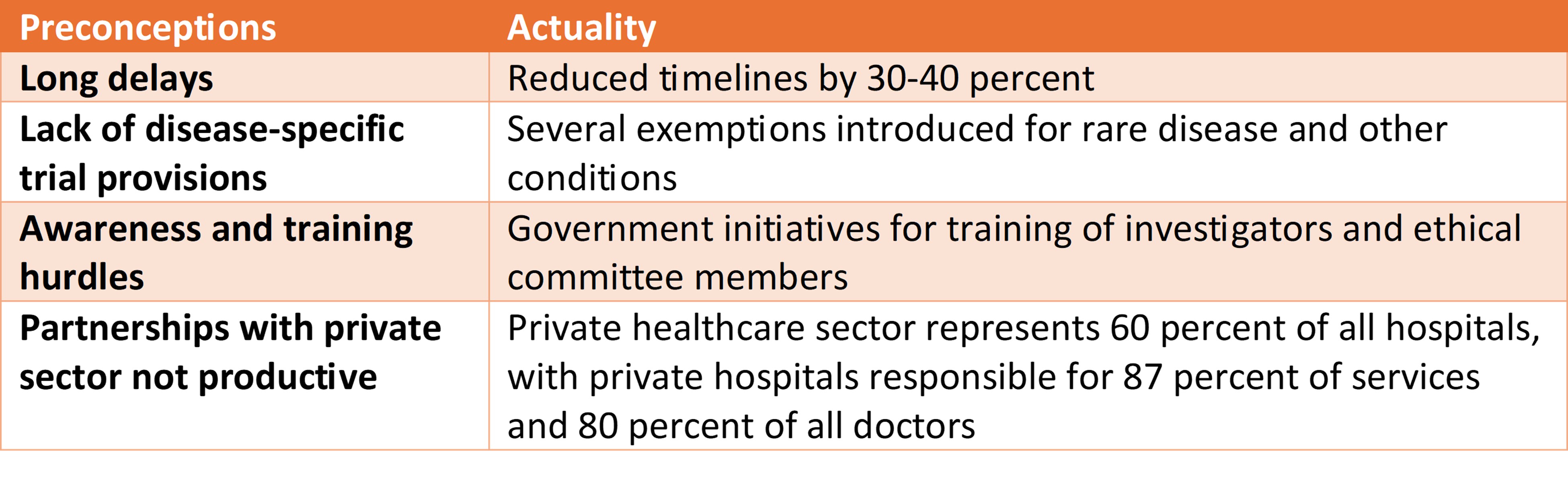
While historical challenges in the regulatory landscape once posed significant obstacles, recent years have seen notable improvements that enhance the credibility and efficiency of clinical research in India. The introduction and implementation of new regulatory guidelines have streamlined the approval process, reducing delays experienced in earlier frameworks. These developments ensure that trials are not only ethically sound but also adhere to internationally recognized standards.
Regulatory reforms have focused on enhancing transparency, ensuring patient safety, and streamlining administrative processes. Such harmonization with global standards builds trust among international sponsors and participants alike, making India an increasingly favorable destination. The establishment of national health policies and initiatives that support clinical research has further cemented India’s reputation as a reliable research hub.
Ethical Considerations and Compliance
A critical pillar of clinical research is the adherence to strict ethical guidelines. Recent regulatory improvements in India have placed a strong emphasis on the ethical conduct of clinical trials. Governance structures such as institutional review boards (IRBs) and ethics committees are integral in ensuring that research protocols are rigorously reviewed for patient safety and rights.
Additionally, enhanced training for investigators and clinical staff contributes to improved compliance with standard operating procedures. This robust regulatory environment not only protects patients but also ensures that data generated during clinical trials are credible and can be trusted by the global community.
Socio-Economic and Long-Term Growth Benefits
Capacity Building and Economic Impact
Beyond the immediate financial incentives, clinical research in India has broader socio-economic implications. The influx of global clinical trials contributes significantly to the local economy through job creation, skill development, and technology transfer. Furthermore, the collaborations between global pharmaceutical companies and local research institutions foster capacity building. This synergy not only elevates standards of healthcare delivery but also propels the nation’s research capabilities on the global stage.
The introduction of clinical research initiatives in India has also spurred improvements in healthcare infrastructure at the grassroots level. With such development, there is a positive ripple effect on public health outcomes, as enhanced clinical research often leads to better disease surveillance, early detection strategies, and improved treatment protocols. This long-term growth promises sustained benefits that extend well beyond the realm of medical research.
Future Directions and Sustainability
Looking forward, the landscape of clinical research in India is set to become even more dynamic. Continuous investments in technology, further regulatory refinements, and the expansion of research infrastructure will help India maintain its competitive edge. Innovations in digital solutions, including the expanded use of artificial intelligence for data management and precision medicine, are expected to drive further efficiencies in clinical trials.
As global pharmaceutical companies continue to seek cost-effective and robust clinical research environments, India’s established advantages lend credence to predictions that the country will solidify its role as a pivotal hub in global clinical research. Strategic initiatives designed to address existing challenges such as rural infrastructure limitations and ethical oversight will pave the way for sustained growth and innovation.
Challenges and Considerations
Addressing Ethical and Operational Hurdles
Despite the numerous benefits, challenges persist that need continued attention. Ensuring that ethical standards keep pace with rapid recruitment and technological integration remains a significant concern. While the regulatory environment has improved, continuous monitoring and enhancement of these frameworks are necessary to protect patient rights and data integrity.
Operational challenges also include the need for improved infrastructure in rural regions, where access to state-of-the-art facilities may lag behind urban centers. Addressing such disparities is crucial for ensuring that clinical trials can benefit from the full spectrum of the vast Indian population. Strategic collaborations between government bodies, industry players, and academic institutions are essential to overcome these hurdles.
The Role of Digital Transformation
Rapid technological advancements are reshaping clinical research dynamics globally. In India, the infusion of digital solutions—spanning electronic data capture systems, wearable devices, and cloud-based platforms—is redefining traditional clinical trial operations. However, with these advancements come challenges related to data volume management, cybersecurity, and ensuring that digital tools effectively augment rather than complicate research efforts.
Thoughtful implementation and continuous evaluation of these digital strategies are paramount. They must be integrated into a framework that emphasizes rigor, transparency, and patient-centricity while bringing down overall costs and enhancing quality.
Conclusion
In summary, the multifaceted benefits of conducting clinical research in India are underscored by the nation’s economic advantages, diverse patient demographics, modernized infrastructure, and progressively refined regulatory environment. These factors collectively create a robust framework that supports rapid patient recruitment, cost-effective operations, and high-quality research outputs. While challenges such as ensuring ethical compliance and addressing infrastructural disparities may persist, ongoing reforms and digital innovations are poised to overcome these obstacles. As global demand for efficient and inclusive clinical trials grows, India’s strategic advantages will likely continue to attract significant investments, ultimately fostering continued advancements in medical research and patient care.
References
- The Future of Clinical Research in India: Opportunities and Growth Prospects - PNB Vesper
- Benefits of Clinical Trials in India - ClinPro Research
- Benefits of Conducting Clinical Trials in Developing Countries Like India - Hilaris Publisher
-
Benefits of Clinical Research Services in India - Biosphere CRO
- Understanding Clinical Trials Scenario in India - Clival
- Regulatory Enhancements Modernization and Robust Data Collection in India - Biorasi
- Unlocking India's Potential for Future Clinical Research - LinkedIn
- Clinical Trial Trends in 2025: Investment and Technological Shifts - Pharmaceutical Technology
- Clinical Research Projects Insights for 2025 - LinkedIn
- The 2025 Outlook for India's Clinical Trials Industry - Express Pharma
- Why Big Pharma Will Continue to Choose India for Clinical Research - Citeline
- Top 8 Reasons to Choose India as Your Clinical Trial Destination - Credevo
Learn More
Last updated February 18, 2025