
Navigating the Clopidogrel-Omeprazole Conundrum: A Critical Interaction Unpacked
Understanding the intricate dance between two widely used medications and its profound clinical implications.

- 1.The Core Mechanism: CYP2C19 Inhibition and Clopidogrel Activation
- 2.Clinical Impact: Balancing GI Protection with Cardiovascular Risk
- 3.Navigating the Therapeutic Landscape: Recommendations and Alternatives
- 4.The Mechanism of Interaction Visualized
- 5.Detailed Comparison of PPIs and Their CYP2C19 Interaction
- 6.The FDA's Stance and Regulatory Warnings
- 7.Understanding the Interaction: A Deeper Dive
- 8.Frequently Asked Questions (FAQ)
- 9.Conclusion
- 10.Recommended Further Reading
- 11.Referenced Search Results
- Potent Enzyme Inhibition: Omeprazole significantly inhibits the CYP2C19 enzyme, crucial for activating clopidogrel, leading to reduced antiplatelet effectiveness.
- Conflicting Clinical Evidence: While pharmacodynamic studies show reduced clopidogrel efficacy, large-scale clinical outcomes regarding cardiovascular events remain debated across various studies.
- Safer Alternatives and Guidelines: Regulatory bodies and clinical guidelines strongly recommend avoiding omeprazole with clopidogrel, advocating for alternative PPIs like pantoprazole or lansoprazole when gastric protection is needed.
The co-administration of clopidogrel and omeprazole represents a significant and frequently encountered drug interaction in clinical practice. Both medications are staples in modern medicine: clopidogrel, an antiplatelet agent, is vital for preventing thrombotic events in patients with cardiovascular disease, while omeprazole, a proton pump inhibitor (PPI), is widely used to manage acid-related gastrointestinal conditions. The interaction between these two drugs has been a subject of extensive research and debate, primarily due to omeprazole's ability to interfere with the metabolic pathway of clopidogrel, potentially compromising its therapeutic benefits.
The Core Mechanism: CYP2C19 Inhibition and Clopidogrel Activation
Unraveling the enzymatic process that governs clopidogrel's antiplatelet action.
Clopidogrel is what is known as a "prodrug." This means it is administered in an inactive form and requires metabolic activation within the body to exert its pharmacological effect. The liver enzyme cytochrome P450 2C19 (CYP2C19) plays a pivotal role in this activation process, converting clopidogrel into its active metabolite. This active metabolite then irreversibly binds to the P2Y12 receptor on platelets, thereby preventing platelet aggregation and subsequent clot formation.
Omeprazole, on the other hand, is a potent inhibitor of the CYP2C19 enzyme. When omeprazole is co-administered with clopidogrel, it competitively inhibits CYP2C19. This inhibition reduces the amount of clopidogrel that is converted into its active form. Consequently, patients taking both medications may experience a diminished antiplatelet effect from clopidogrel. Pharmacokinetic and pharmacodynamic studies have consistently demonstrated a reduction in clopidogrel's platelet inhibition effect, sometimes by as much as 30% to 50% when taken concurrently with omeprazole.
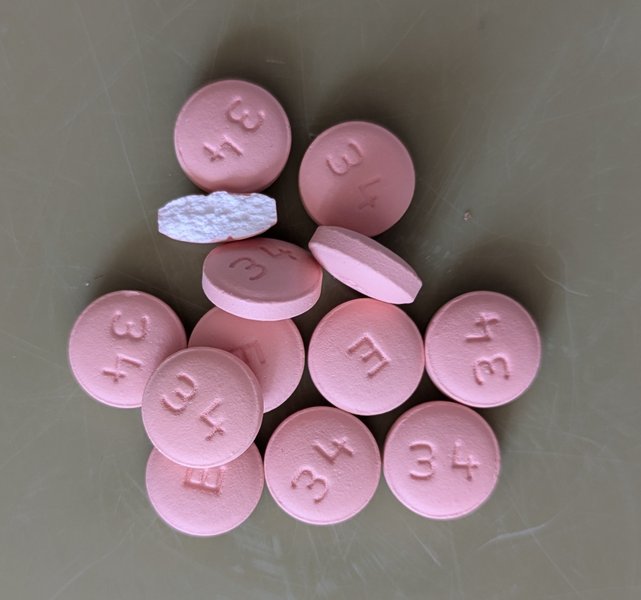
Chemical structure of Clopidogrel.
Why CYP2C19 is Central to Clopidogrel's Efficacy
The genetic variations in CYP2C19 also influence clopidogrel's effectiveness. Individuals classified as "poor metabolizers" due to genetic polymorphisms in their CYP2C19 enzyme naturally have a reduced ability to convert clopidogrel to its active form. The co-administration of omeprazole further exacerbates this issue, potentially leading to an even more pronounced reduction in antiplatelet activity in these susceptible individuals. This highlights the complexity of personalized medicine and the importance of considering individual metabolic profiles.
Clinical Impact: Balancing GI Protection with Cardiovascular Risk
The ongoing debate on whether reduced antiplatelet effect translates into adverse cardiovascular outcomes.
The primary concern arising from the clopidogrel-omeprazole interaction is the potential for an increased risk of cardiovascular events, such as myocardial infarction (heart attack) or ischemic stroke, due to the reduced antiplatelet effect. Regulatory bodies, including the U.S. Food and Drug Administration (FDA), have acknowledged this risk by issuing warnings and boxed labels against the concomitant use of omeprazole (and esomeprazole) with clopidogrel.
However, the clinical relevance of this interaction has been a subject of considerable debate in the medical community. While pharmacodynamic studies consistently show reduced platelet inhibition, the impact on hard clinical outcomes (e.g., cardiovascular events) is not always definitively confirmed across all clinical trials and observational studies:
- Evidence of Increased Risk: Some observational studies, including a nationwide cohort study published in Nature, have indicated an increased risk of ischemic stroke in patients taking both clopidogrel and omeprazole. These studies often attribute this to the PPI's inhibition of CYP2C19.
- Conflicting Evidence (COGENT Trial): Conversely, the pivotal Clopidogrel and the Optimization of Gastrointestinal Events (COGENT) trial found no significant increase in cardiovascular events when clopidogrel was co-administered with omeprazole. Instead, the trial highlighted a significant reduction in gastrointestinal bleeding events, a known complication of clopidogrel therapy. This trial suggested a potential benefit in terms of GI protection without a clear corresponding increase in cardiovascular risk. However, it's worth noting that the COGENT trial utilized a fixed combination of clopidogrel and omeprazole, which might not entirely reflect real-world clinical practice.
- Mixed Meta-Analyses: Meta-analyses attempting to synthesize the evidence have also yielded mixed results, some showing a modest increase in cardiovascular events, while others find no statistically significant difference. This heterogeneity underscores the complexities involved in studying such interactions, which can be influenced by patient populations, study design, duration of follow-up, and genetic variations.
This radar chart illustrates the comparative profiles of Omeprazole versus alternative PPIs (Pantoprazole/Lansoprazole) across several critical clinical dimensions related to clopidogrel co-administration. Values are opinionated analyses on a scale of 1 (low impact) to 5 (high impact). Omeprazole shows high impact on CYP2C19 Inhibition and Reduced Clopidogrel Activation, with notable Regulatory Warnings, reflecting its strong interaction. Conversely, alternative PPIs demonstrate minimal impact on these crucial interaction points, while still providing GI Bleed Protection.
Navigating the Therapeutic Landscape: Recommendations and Alternatives
Clinical guidelines and safer choices for patients requiring both antiplatelet and gastric protection.
Given the potential for reduced clopidogrel efficacy and the existing regulatory warnings, current clinical guidelines generally advise caution and recommend avoiding the concomitant use of omeprazole (and esomeprazole) with clopidogrel, particularly in patients at high cardiovascular risk.
Preferred Proton Pump Inhibitor Alternatives
When PPI therapy is necessary for patients on clopidogrel—for instance, to mitigate the risk of gastrointestinal bleeding—alternative PPIs are preferred due to their less significant impact on CYP2C19 activity. These alternatives include:
- Lansoprazole: Demonstrated to have minimal interaction with CYP2C19.
- Pantoprazole: Also exhibits a weak inhibitory effect on CYP2C19, making it a safer option.
- Rabeprazole: Similarly, has a lower propensity to inhibit CYP2C19.
These PPIs are metabolized by different cytochrome P450 enzymes or have less potent inhibitory effects on CYP2C19, thus preserving clopidogrel's activation pathway. The decision to use any PPI with clopidogrel should always be individualized, carefully weighing the patient's risk of GI complications against the potential for reduced antiplatelet efficacy. For patients with a high risk of GI bleeding, the benefits of PPI co-administration often outweigh the theoretical cardiovascular risks, provided a safer PPI alternative is chosen.
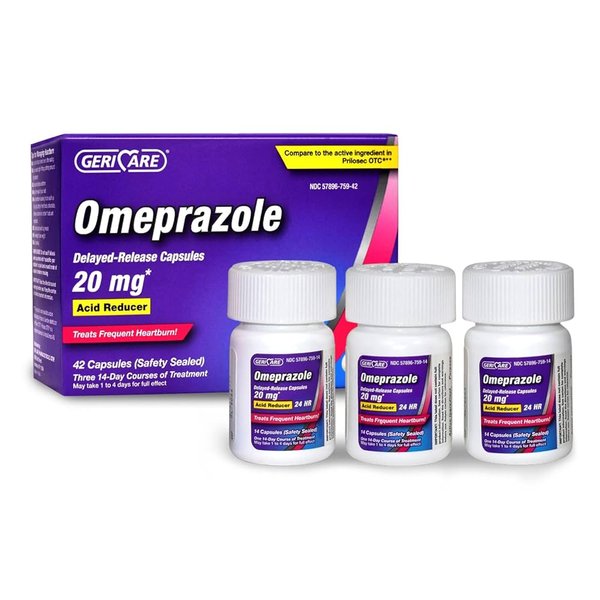
Omeprazole, a proton pump inhibitor.
Other Considerations and Strategies
- H2 Receptor Antagonists: In some cases, H2 receptor antagonists (e.g., famotidine, ranitidine) could be considered for gastric protection if a PPI is deemed too risky or if the patient's acid suppression needs are less critical. These agents do not interact with the CYP2C19 pathway.
- Timing of Dosing: Some studies have explored staggering the administration of clopidogrel and omeprazole to minimize the interaction. However, evidence supporting the consistent clinical effectiveness of this strategy is not definitive, and it's generally not a primary recommendation over switching to a safer PPI.
- Genetic Testing: For certain high-risk patients, genetic testing for CYP2C19 polymorphisms might be considered to guide antiplatelet therapy selection, although this is not yet a routine practice for all patients on clopidogrel.
The Mechanism of Interaction Visualized
A mindmap depicting the complex interplay between clopidogrel, omeprazole, and the body's metabolic pathways.
To further clarify the intricate relationship between clopidogrel and omeprazole, the following mindmap illustrates the key components and pathways involved in their interaction, from enzymatic activation to clinical outcomes.
This mindmap visually outlines the core components of the clopidogrel-omeprazole interaction. It highlights how clopidogrel, as a prodrug, depends on the CYP2C19 enzyme for activation and antiplatelet effects. Omeprazole's role as a potent CYP2C19 inhibitor leads to reduced clopidogrel activation, potentially increasing cardiovascular risks. The map also summarizes key clinical considerations, including regulatory warnings, recommended alternative PPIs, the GI protection aspect, and the ongoing debate surrounding clinical outcome data.
Detailed Comparison of PPIs and Their CYP2C19 Interaction
Understanding the nuances of different proton pump inhibitors in the context of clopidogrel therapy.
The differences in how various PPIs interact with the CYP2C19 enzyme are critical for clinical decision-making. This table provides a comparative overview of commonly used PPIs and their interaction potential with clopidogrel.
| PPI | CYP2C19 Inhibition Potency | Impact on Clopidogrel Activation | Clinical Recommendation with Clopidogrel | Examples of Use |
|---|---|---|---|---|
| Omeprazole | High (Potent inhibitor) | Significant reduction | Generally avoid; FDA warnings exist. | Gastric ulcer, GERD (when not with clopidogrel) |
| Esomeprazole | High (Potent inhibitor) | Significant reduction | Generally avoid; similar to omeprazole. | Gastric ulcer, GERD (when not with clopidogrel) |
| Pantoprazole | Low (Weak inhibitor) | Minimal to no reduction | Preferred alternative. | Gastric ulcer, GERD, stress ulcer prophylaxis |
| Lansoprazole | Low (Weak inhibitor) | Minimal to no reduction | Preferred alternative. | Gastric ulcer, GERD |
| Rabeprazole | Low (Weak inhibitor) | Minimal to no reduction | Preferred alternative. | Gastric ulcer, GERD |
This table summarizes the interaction profiles of various proton pump inhibitors (PPIs) with clopidogrel, highlighting their CYP2C19 inhibition potency, the resulting impact on clopidogrel activation, and corresponding clinical recommendations. Omeprazole and esomeprazole are noted for their high inhibition and should generally be avoided with clopidogrel. Pantoprazole, lansoprazole, and rabeprazole, with their low inhibition potential, are preferred alternatives when gastric protection is needed alongside clopidogrel therapy.
The FDA's Stance and Regulatory Warnings
Official guidance on managing the clopidogrel-omeprazole interaction.
The FDA has been proactive in addressing the clopidogrel-omeprazole interaction. In 2009 and 2010, the agency issued drug safety communications, including a boxed warning, to inform healthcare professionals and patients about the reduced effectiveness of clopidogrel when co-administered with omeprazole or esomeprazole. These warnings emphasized that omeprazole significantly decreases the antiplatelet effect of clopidogrel, potentially increasing the risk of adverse cardiovascular events. The FDA's stance serves as a strong recommendation against the routine co-prescription of these specific PPIs with clopidogrel.
This bar chart illustrates the relative "impact scores" of various aspects related to the clopidogrel-omeprazole interaction, based on opinionated analyses. Scores range from 0 to 10, reflecting the perceived significance or strength of each factor. CYP2C19 Inhibition and FDA Warnings score highly, underscoring the fundamental pharmacological issue and the regulatory response. Clinical Consensus and Alternative PPI Recommendation also have high scores, reflecting widespread agreement on cautious practice and viable solutions. The GI Protection Benefit, while important, shows a slightly lower score in the context of the overall interaction's complexity and risks.
Understanding the Interaction: A Deeper Dive
Exploring the biochemical pathways and clinical considerations.
The YouTube video "How Omeprazole interacts with Clopidogrel" provides an excellent animated overview of the biochemical mechanisms behind this drug interaction. It explains how clopidogrel, a prodrug, is activated by the CYP450 enzyme system, specifically highlighting the crucial role of CYP2C19. The video then demonstrates how omeprazole acts as an inhibitor of this very enzyme, thereby preventing the effective conversion of clopidogrel to its active form. This visual explanation simplifies complex pharmacology, making it accessible to both healthcare professionals and patients seeking to understand the underlying science of why this interaction is a concern.
This video explains the molecular mechanism of how omeprazole inhibits the activation of clopidogrel.
Frequently Asked Questions (FAQ)
What is the primary concern with taking clopidogrel and omeprazole together?
Are all proton pump inhibitors (PPIs) equally problematic with clopidogrel?
What do regulatory bodies like the FDA recommend regarding this interaction?
If a patient on clopidogrel needs acid suppression, what are the alternatives to omeprazole?
Is there any benefit to taking omeprazole with clopidogrel?
Conclusion
The interaction between clopidogrel and omeprazole represents a critical pharmacological consideration, stemming from omeprazole's potent inhibition of the CYP2C19 enzyme, which is vital for clopidogrel's activation. This inhibition can lead to a significant reduction in clopidogrel's antiplatelet effect, raising concerns about increased cardiovascular risks. While the clinical impact on hard cardiovascular outcomes remains a subject of ongoing research and debate, regulatory bodies like the FDA have issued strong warnings against the concomitant use of these specific medications. For patients requiring both antiplatelet therapy with clopidogrel and gastric protection, the prevailing clinical recommendation is to opt for alternative proton pump inhibitors such as pantoprazole, lansoprazole, or rabeprazole, which exhibit minimal interference with CYP2C19. Individualized patient assessment, considering the balance between gastrointestinal protection and cardiovascular risk, is paramount in making informed therapeutic decisions.
Recommended Further Reading
- Impact of CYP2C19 genetics on clopidogrel response
- Clinical guidelines for PPI use with antiplatelet therapy
- Differences in CYP metabolism among PPIs
- Strategies to mitigate drug interactions in cardiovascular patients