
Interaction between EZH2 and DNMT3B in Prostate Cancer
Unraveling the Epigenetic Nexus Fueling Prostate Cancer Progression
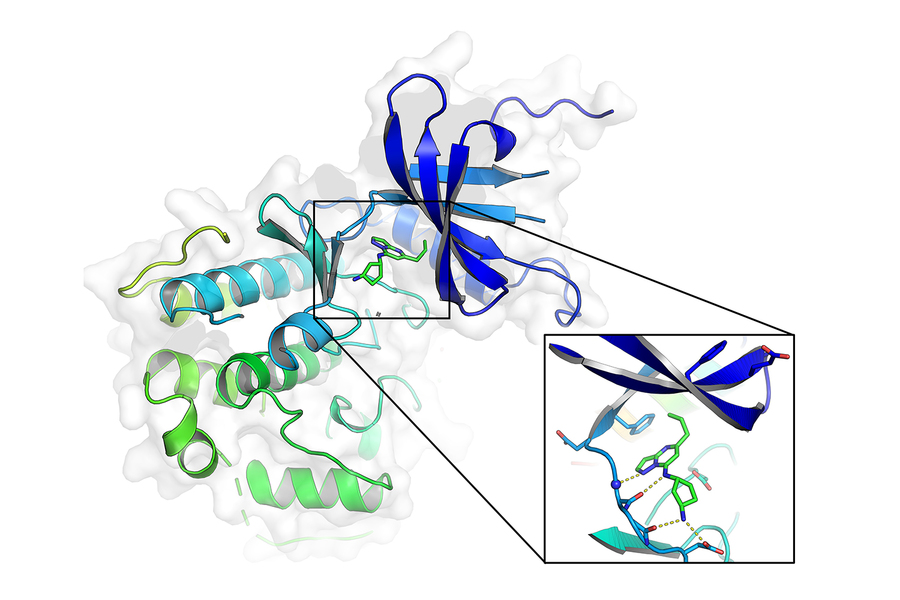
Key Takeaways
- Epigenetic Synergy: EZH2 and DNMT3B collaboratively silence tumor suppressor genes through histone and DNA methylation, driving prostate cancer progression.
- Prognostic Indicators: Elevated levels of EZH2 and DNMT3B are closely associated with advanced stages, metastasis, and poor prognosis in prostate cancer patients.
- Therapeutic Targets: Inhibiting the EZH2-DNMT3B axis presents a promising therapeutic strategy to reverse epigenetic silencing and inhibit tumor growth.
Introduction
Prostate cancer remains one of the most prevalent malignancies affecting men worldwide. A critical aspect of its progression involves intricate epigenetic modifications that regulate gene expression without altering the underlying DNA sequence. Among the key players in this epigenetic landscape are Enhancer of Zeste Homolog 2 (EZH2) and DNA Methyltransferase 3B (DNMT3B). Understanding the interaction between EZH2 and DNMT3B is pivotal for unveiling the mechanisms driving prostate cancer progression and for developing targeted therapeutic interventions.
Roles of EZH2 in Prostate Cancer
EZH2 is a core component of the Polycomb Repressive Complex 2 (PRC2) and functions as a histone methyltransferase. It specifically catalyzes the trimethylation of histone H3 at lysine 27 (H3K27me3), a modification associated with transcriptional repression of target genes.
Overexpression and Cancer Progression
In prostate cancer, EZH2 is frequently overexpressed, particularly in advanced and metastatic cases. This overexpression correlates with aggressive tumor behavior, increased invasiveness, and poorer clinical outcomes. EZH2-mediated H3K27me3 leads to the silencing of tumor suppressor genes, thereby facilitating unchecked cellular proliferation and survival.
Mechanistic Insights
EZH2 not only modifies histone proteins but also interacts with other epigenetic regulators, enhancing its role in gene silencing. Its interaction with DNMT3B amplifies its repressive effects, creating a robust silencing mechanism that is difficult to reverse. This interplay is particularly significant in castration-resistant prostate cancer (CRPC), where EZH2 contributes to therapy resistance by maintaining an epigenetic landscape favorable for cancer cell survival.
Roles of DNMT3B in Prostate Cancer
DNMT3B is a de novo DNA methyltransferase responsible for adding methyl groups to cytosine residues in CpG islands, leading to DNA methylation and gene silencing. In the context of prostate cancer, DNMT3B plays a pivotal role in silencing tumor suppressor genes and promoting oncogenic pathways.
Expression Patterns and Clinical Significance
DNMT3B expression is elevated in the later stages of prostate cancer, particularly during the transition to castration-resistant forms. High levels of DNMT3B are associated with global DNA hypermethylation patterns, which contribute to the stable silencing of genes involved in cell cycle regulation, apoptosis, and differentiation.
Impact on Gene Silencing
The methylation activity of DNMT3B targets specific gene promoters, including those of key tumor suppressors like GSTP1 and RARB2. This targeted methylation ensures the sustained repression of these genes, thereby promoting tumor growth and survival. Additionally, DNMT3B's role in maintaining DNA methylation patterns is crucial for the epigenetic memory that supports cancer cell proliferation.
Interaction between EZH2 and DNMT3B
The interaction between EZH2 and DNMT3B constitutes a significant epigenetic crosstalk that reinforces gene silencing mechanisms in prostate cancer. This collaboration involves both histone modification and DNA methylation, creating a multifaceted repressive environment that is integral to cancer progression.
Epigenetic Collaboration
EZH2 and DNMT3B work in tandem to establish and maintain a repressive chromatin state. EZH2-mediated H3K27me3 serves as a signal for DNMT3B recruitment to specific genomic loci. Once recruited, DNMT3B catalyzes DNA methylation at these sites, leading to robust and stable gene silencing. This synergistic interaction ensures that tumor suppressor genes remain inactive, providing a favorable environment for cancer cell growth and metastasis.
Direct Physical Interaction
Studies have demonstrated a direct physical interaction between EZH2 and DNMT3B. EZH2 facilitates the binding of DNMT3B to target gene promoters, enhancing DNMT3B’s methylation activity. This direct interaction is particularly relevant in advanced prostate cancer, where it contributes to the maintenance of an aggressive tumor phenotype by continuously suppressing anti-proliferative and apoptotic genes.
Consequences of the Interaction
The collaborative repression by EZH2 and DNMT3B results in the silencing of multiple tumor suppressor genes, including HOXB13, GSTP1, and RARB2. The persistent inactivation of these genes disrupts normal cellular functions such as differentiation, cell cycle control, and apoptosis, thereby promoting oncogenesis and tumor progression. Moreover, this interaction is implicated in the development of therapy resistance, particularly resistance to androgen deprivation therapies used in prostate cancer treatment.
Molecular Mechanisms of the Interaction
The molecular interplay between EZH2 and DNMT3B involves several key mechanisms that facilitate their cooperative gene-silencing functions.
Recruitment and Enzymatic Enhancement
EZH2 acts as a scaffold that recruits DNMT3B to specific genomic loci. Upon binding, EZH2 enhances the enzymatic activity of DNMT3B, increasing the efficiency of DNA methylation at targeted promoters. This dual modification—H3K27me3 and DNA methylation—establishes a highly repressive chromatin state that is less accessible to transcriptional machinery.
Feedback Loops and Epigenetic Stability
The modifications introduced by EZH2 and DNMT3B create positive feedback loops that stabilize the repressive chromatin state. H3K27me3 can facilitate the binding of additional repressive factors, while DNA methylation can prevent the binding of transcriptional activators. This epigenetic stability ensures that once tumor suppressor genes are silenced, they remain inactive, contributing to the sustained malignancy of prostate cancer cells.
Impact on Gene Expression and Tumor Suppression
The EZH2-DNMT3B axis plays a crucial role in the regulation of gene expression patterns that govern cell proliferation, survival, and differentiation. By repressing tumor suppressor genes, this interaction facilitates uncontrolled cell growth and resistance to apoptosis, key hallmarks of cancer.
Silencing of Tumor Suppressor Genes
Key tumor suppressor genes targeted by the EZH2-DNMT3B interaction include:
-
HOXB13: Involved in prostate cell differentiation; its silencing promotes cell proliferation.
-
GSTP1: Plays a role in detoxification; its inactivation leads to increased cellular stress and DNA damage.
-
RARB2: Regulates cell cycle and differentiation; its repression removes critical checks on cell proliferation.
Consequences for Cellular Function
The inactivation of these tumor suppressor genes disrupts normal regulatory pathways, leading to enhanced cell cycle progression, reduced apoptosis, and increased metastatic potential. This molecular environment fosters the development of aggressive prostate cancer phenotypes that are challenging to treat with conventional therapies.
Clinical Significance and Prognostic Value
The expression levels of EZH2 and DNMT3B have significant prognostic implications in prostate cancer. Elevated expression of these proteins is often indicative of a more aggressive disease course and poorer patient outcomes.
Biomarkers for Disease Progression
High levels of EZH2 and DNMT3B correlate with advanced tumor stages, increased likelihood of metastasis, and reduced overall survival rates. These proteins serve as valuable biomarkers for identifying patients at higher risk of disease progression and for stratifying patients based on their likelihood of responding to specific therapies.
Predicting Therapeutic Response
The presence of elevated EZH2 and DNMT3B can predict resistance to standard androgen deprivation therapies. Patients with high expression levels of these proteins may benefit from alternative or combinatory treatment strategies targeting the epigenetic regulators to overcome resistance and improve therapeutic outcomes.
Therapeutic Implications and Strategies
The EZH2-DNMT3B axis presents a promising target for therapeutic intervention in prostate cancer. By disrupting this interaction, it is possible to reverse epigenetic silencing and restore the expression of tumor suppressor genes, thereby inhibiting tumor growth and progression.
EZH2 Inhibitors
EZH2 inhibitors, such as tazemetostat and GSK126, are designed to block the methyltransferase activity of EZH2. By inhibiting EZH2, these drugs decrease H3K27me3 levels, reducing gene silencing and allowing the re-expression of tumor suppressor genes. Clinical trials have shown that EZH2 inhibitors can slow down tumor growth and enhance the sensitivity of cancer cells to other treatments.
DNMT Inhibitors
DNMT inhibitors like decitabine and azacitidine target the DNA methylation activity of DNMT3B. These agents incorporate into DNA and trap DNMT enzymes, leading to passive demethylation over successive cell divisions. The reactivation of silenced tumor suppressor genes can inhibit cancer cell growth and induce apoptosis.
Combination Therapies
Combining EZH2 inhibitors with DNMT inhibitors may provide a synergistic effect, effectively disrupting the coordinated function of EZH2 and DNMT3B. This combinatory approach can lead to more profound epigenetic reprogramming, overcoming the plasticity of cancer cells and reducing the likelihood of resistance development.
Overcoming Therapy Resistance
Targeting the EZH2-DNMT3B axis is particularly relevant for overcoming resistance to androgen receptor (AR) antagonists like enzalutamide. By reversing the epigenetic modifications that contribute to AR signaling and therapy resistance, these targeted treatments can restore the efficacy of existing therapies and improve patient outcomes.
Current Research and Future Directions
Ongoing research continues to elucidate the detailed mechanisms of the EZH2-DNMT3B interaction and its role in prostate cancer. Future studies are focused on identifying additional components of this epigenetic network, understanding the context-dependent effects of their interactions, and optimizing combination therapies for maximum therapeutic benefit.
Biomarker Development
Efforts are underway to develop more precise biomarkers based on EZH2 and DNMT3B expression levels. These biomarkers aim to improve patient stratification, ensuring that those who are most likely to benefit from epigenetic therapies are accurately identified.
Novel Inhibitors and Drug Delivery Systems
Research is exploring novel inhibitors with higher specificity and reduced toxicity profiles. Additionally, advancements in drug delivery systems, such as nanoparticle-based carriers, are being investigated to enhance the targeted delivery of EZH2 and DNMT inhibitors directly to tumor cells, minimizing systemic side effects.
Personalized Medicine Approaches
Integrating epigenetic profiling into personalized medicine approaches allows for tailored treatment strategies based on the specific epigenetic landscape of an individual's tumor. This personalized approach can optimize therapeutic efficacy and mitigate adverse effects by targeting the most relevant epigenetic alterations.
Conclusion
The interaction between EZH2 and DNMT3B plays a pivotal role in the epigenetic regulation of prostate cancer, driving tumor progression, metastasis, and therapy resistance through the coordinated silencing of tumor suppressor genes. Understanding this interaction provides valuable insights into the molecular underpinnings of prostate cancer and opens avenues for the development of targeted epigenetic therapies. Inhibiting the EZH2-DNMT3B axis holds significant promise for improving clinical outcomes, particularly in advanced and treatment-resistant forms of prostate cancer. Continued research in this area is essential for translating these insights into effective therapeutic strategies and enhancing the precision of prostate cancer treatment.
References
Last updated January 24, 2025