
Understanding India's Coastal Ecosystems and Biodiversity Challenges
Exploring the diversity, challenges, and innovative research approaches on India's 8,100 km coastline
Key Takeaways
- Diverse Ecosystems: India's coastline sustains mangroves, coral reefs, seagrass beds, salt marshes, estuaries, and more, each crucial for ecological balance.
- Species Richness and Research Gaps: While taxonomic research is advanced in certain groups like seaweeds, corals, and marine mammals, many invertebrates (e.g., sponges and tunicates) remain under-explored.
- Advancements in Research Techniques: Modern techniques are emerging to overcome limitations of traditional culturing that only captures a fraction of microbial diversity.
Overview of India's Coastal Ecosystems
India's extensive 8,100 km coastline is a dynamic mosaic of marine and coastal ecosystems that are indispensable to both environmental health and economic activities. These ecosystems include mangroves, coral reefs, seagrass beds, salt marshes, estuaries, lagoons, rocky shores, and sandy beaches, each providing unique ecological services. Their roles range from serving as nurseries for numerous fisheries species to acting as natural barriers that protect inland areas from storms and erosion. In addition, these diverse habitats support photosynthesis and contribute significantly to global bioproductivity.
Mangroves and Their Role
Ecological Importance
Mangroves are critical not only for coastal protection but also for carbon sequestration and maintaining water quality. They stabilize shorelines, reduce erosion, and provide habitats for a multitude of species including fish, birds, and crustaceans. In India, mangrove ecosystems form complex networks that act as buffer zones against coastal hazards.
Coral Reefs, Seagrass Beds, and Salt Marshes
Biodiversity Hotspots
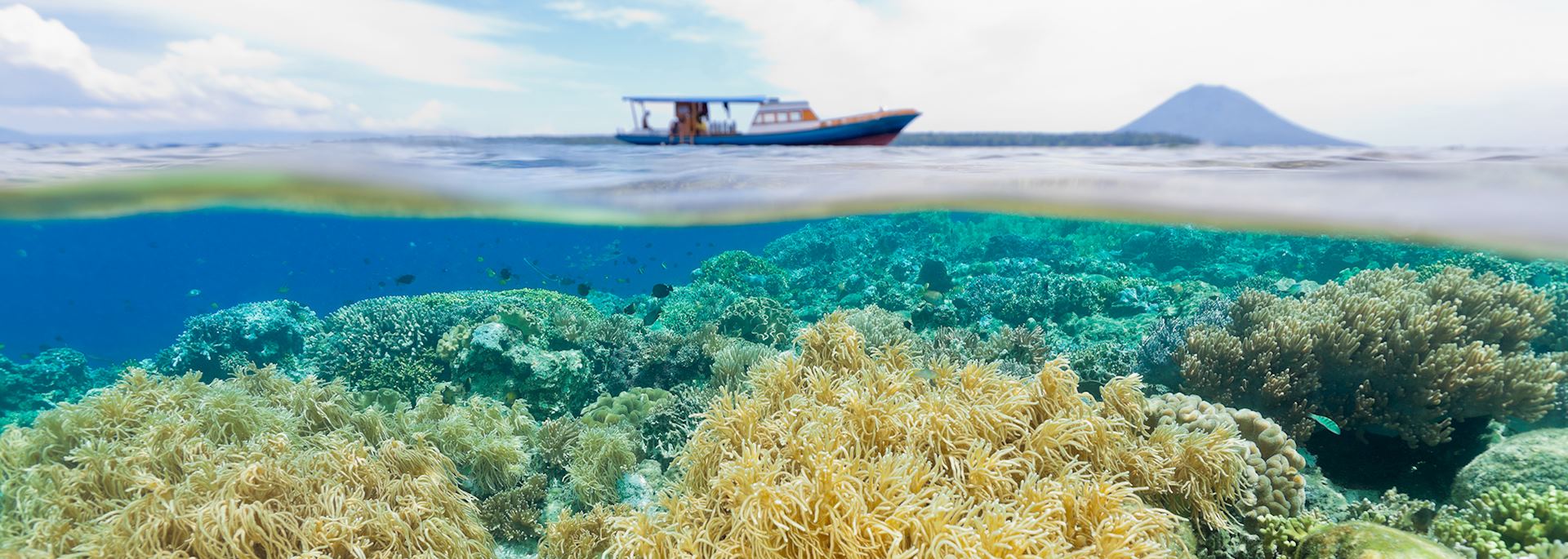
Coral reefs, often referred to as the "rainforests of the sea," host a significant proportion of marine life. Despite covering a comparatively small area, these reefs support up to 25% of marine species worldwide. Their vibrant ecosystems sustain complex food webs and contribute to local economies through tourism and fisheries. Seagrass beds, similarly, play a vital role in supporting marine life by acting as nurseries for numerous fish species and protecting coastlines through sediment stabilization. Salt marshes, though less expansive, are essential for nutrient cycling and as resting grounds for migratory birds.
Biodiversity and Taxonomic Insights
India's coastal regions are remarkably rich in biodiversity, with an estimated over 17,795 known marine and coastal species. This phenomenon reflects an intricate tapestry of life spread across various taxonomic groups. Key groups such as seaweeds, seagrasses, corals, crustaceans, molluscs, and marine mammals have been extensively studied and are well-documented. In contrast, numerous invertebrate groups, including sponges, tunicates, and other smaller taxa, have not been rigorously examined. Such research gaps not only limit our understanding of these species but also hinder the development of effective conservation strategies.
Species Diversity in Numbers
A detailed breakdown of species found within some of India’s key coastal habitats highlights the breadth of biodiversity:
| Ecosystem Type | Notable Featured Species | Ecological Role |
|---|---|---|
| Mangroves | Diverse flora and associated fauna | Coastal protection, nursery habitats |
| Coral Reefs | Over 200 coral species, numerous reef fishes | Biodiversity hotspot, coastal protection |
| Seagrass Beds | Sea turtles, dugongs, many fish species | Nurseries for marine life, sediment stabilization |
| Salt Marshes | Various molluscs and migratory birds | Nutrient cycling, flood buffering |
Additionally, nearly 1,000 of these species have received legal protection due to overexploitation, underscoring the significance of regulatory measures in safeguarding vulnerable species and habitats.
Challenges Facing Coastal Ecosystems
Despite the rich biodiversity of these coastal ecosystems, numerous challenges threaten their long-term viability and sustainability. Increased pressures from human activities, including intensive fishing, recreational use, and indiscriminate waste disposal, are major factors leading to habitat degradation and species decline. Overexploitation not only depletes valuable species but also disrupts the balance of ecological communities.
Anthropogenic Pressures and Habitat Degradation
Fishing, Urban Expansion, and Pollution
Overfishing remains one of the most pressing issues, as it depletes fish stocks and affects the food web dynamics within these ecosystems. Urban expansion along the coast leads to habitat fragmentation and increased runoff, which carries pollutants into these sensitive areas. Moreover, recreational activities, while boosting local economies, often contribute to the physical degradation of sensitive habitats through trampling or the anchoring of boats.
Climate Change Impacts
Rising Sea Levels and Temperature Changes
Climate change adds further complexity to the conservation landscape. Rising sea levels can inundate low-lying areas, thus threatening mangroves and salt marshes, while increased ocean temperatures can lead to coral bleaching, where corals lose their symbiotic algae and become more susceptible to disease. These changes exacerbate existing pressures, making the need for robust conservation and adaptive management strategies even more urgent.
Advancements in Research and Conservation Strategies
The growing demand for biotechnological and ecological insights has accelerated advancements in research methodologies aimed at a comprehensive understanding of coastal ecosystems. Traditional microbiological culturing techniques, which capture less than 1% of microbial diversity, are being supplemented—and in some cases replaced—by cutting-edge molecular and genomic approaches. These technologies open new avenues for exploring the vast array of microorganisms that have thus far remained hidden.
Innovative Research Techniques
Molecular Methods and Metagenomics
Modern techniques, such as DNA sequencing and metagenomics, allow scientists to analyze environmental samples without the need for traditional culturing. These methods examine the genetic material extracted directly from ecosystems, revealing the complexities of microbial communities and their metabolic pathways. Metagenomic studies have considerably expanded our knowledge, uncovering numerous species and functions that were previously undetectable.
Metagenomics not only facilitates a better understanding of biodiversity but also provides vital insights for biotechnological applications. The biochemical pathways identified through these approaches have the potential to unlock new resources for pharmaceuticals, agriculture, and industrial processes. This is particularly relevant in the context of India's marine ecosystems, where the interplay between diverse microbial communities and their host organisms continues to be a frontier for exciting discoveries.
Emerging Techniques in Biodiversity Assessment
Remote Sensing and Environmental DNA (eDNA) Analysis
Alongside molecular methods, remote sensing and environmental DNA (eDNA) analyses are revolutionizing biodiversity assessments. Remote sensing techniques use satellite imagery and aerial photography to monitor large-scale changes in coastal habitats. This allows researchers to track habitat degradation, vegetation changes in mangrove forests, and alterations in coral reef structures over time.
Environmental DNA analysis involves collecting water samples and extracting genetic material shed by organisms. This non-invasive method can detect species even when they are invisible to the naked eye, offering a more sensitive and comprehensive measure of biodiversity. These innovative approaches
Enhancing Conservation Measures
Integrative Management Strategies
As research methodologies evolve, conservation strategies must adapt accordingly. Effective management of coastal ecosystems now relies on a synthesis of new scientific insights and traditional conservation practices. Marine protected areas (MPAs), legally enforced sanctuaries, and community-based management programs serve as the pillars of conservation. These measures are designed to mitigate overexploitation and promote sustainable use of marine resources.
Legal frameworks, such as wildlife protection laws, have been instrumental in safeguarding nearly 1,000 species that are particularly vulnerable to human activities. However, the continuous monitoring and adaptive management of these ecosystems are essential. The application of modern monitoring technologies—including remote sensing and biosensors—enables real-time data collection, which, when integrated with traditional field studies, provides a holistic view of ecosystem health. This integrative approach is crucial for identifying emerging threats and implementing timely conservation measures.
Case Studies and Practical Applications
Several case studies have demonstrated how innovative research methods and conservation initiatives can successfully integrate to protect coastal ecosystems. In regions where modern molecular techniques have been applied, researchers have discovered unexpected microbial diversity that underpins ecosystem resilience. For example, a collaborative project along a section of India's coastline combined environmental DNA analysis with high-resolution satellite imaging to map changes in mangrove density and assess restoration efforts.
Case Study Example: Mangrove Restoration
Integrating Remote Sensing and Field Data
In one coastal area, remote sensing data was used to identify degraded mangrove sections affected by urban runoff and coastal development. Subsequent field sampling, enhanced by eDNA analysis, provided insights into the specific species present and their recovery trajectories. This dual approach not only validated the damage assessment provided by remote sensing but also offered granular biological details that can steer effective restoration strategies. The insights from such projects have reinforced the importance of combining technological advances with traditional ecological knowledge, to achieve sustainable management of coastal resources.
Biotechnological Applications
Unlocking Natural Biochemical Pathways
The increased focus on biotechnological applications of marine ecosystems is driven by the discovery of novel microorganisms and enzymes that have wide-ranging industrial and pharmaceutical applications. Traditional culturing techniques only scratch the surface, capturing less than 1% of the potential microbial diversity. By harnessing metagenomic techniques, scientists are identifying genes responsible for unique biochemical processes that could lead to the development of new drugs, biofuels, and industrial catalysts.
In practice, the genomic data obtained from these studies are used to design experiments aimed at harnessing these biochemical pathways, thereby contributing not only to economic development but also to enhanced ecological management. The cross-disciplinary nature of this research, combining ecology, molecular biology, and biotechnology, exemplifies the holistic approach required to tackle complex environmental challenges.
Interdisciplinary Collaboration for Future Research
Addressing the challenges faced by India's coastal ecosystems requires an interdisciplinary approach that incorporates expertise from marine biology, ecology, biotechnology, and environmental science. Collaborative research initiatives bring together academic researchers, policymakers, conservation practitioners, and local communities to develop comprehensive strategies that support both ecological integrity and sustainable development.
Policy and Community Engagement
Strengthening Regulatory Frameworks
Sound policy-making, supported by rigorous scientific data, is critical for the effective management of natural resources. The integration of community engagement with formal regulatory measures ensures that conservation efforts are both locally relevant and scientifically grounded. Empowering local communities through education and participation in monitoring projects fosters a sense of stewardship that is essential for the long-term success of ecological conservation.
Moreover, policies that incentivize sustainable practices—such as eco-friendly tourism and responsible fishing—play a significant role in reducing anthropogenic pressures on delicate coastal ecosystems.
Conclusion
In conclusion, India's 8,100 km coastline is an ecological treasure trove, reflecting an astounding diversity of life across various ecosystems. While notable progress has been made in taxonomic research on groups such as seaweeds, corals, and marine mammals, significant research gaps persist with regard to many invertebrates, such as sponges and tunicates. This, coupled with intensifying threats from human-induced activities and climate change, underscores the urgent need for innovative scientific approaches.
Advances in molecular techniques, metagenomics, remote sensing, and environmental DNA analyses are revolutionizing our ability to explore and understand these ecosystems. Such tools not only enhance our biological knowledge but also open new avenues for biotechnological applications, aiding in the development of more effective conservation and management strategies. The integrative approach that combines these modern research methodologies with traditional ecological practices and robust policy frameworks is essential for protecting the rich marine biodiversity and ensuring the sustainable utilization of India's coastal resources.
References
- Environment-Coastal and Marine Ecosystems of India - UPSCTREE
- Coastal and Marine Biodiversity of India - ScienceDirect
- Coastal and Marine Biodiversity of India - ResearchGate
More
Last updated February 18, 2025