
Ecosystem Restoration for Coastal Resilience
Strategies and Initiatives to Protect Our Coastal Environments
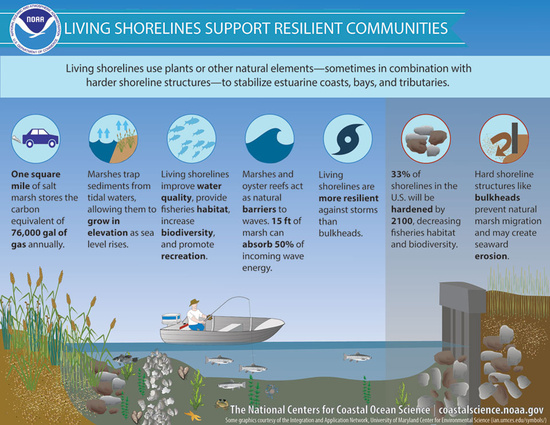
Key Highlights
- Natural Barriers: Restoration of coastal wetlands, mangroves, and coral reefs to protect shorelines from storms and sea-level rise.
- Community and Biodiversity Benefits: Enhanced ecosystem functionality supports diverse species and local communities while mitigating climate impacts.
- Innovative Funding and Initiatives: Involvement of organizations such as NOAA and The Nature Conservancy fosters sustainable projects and strategic restoration investments.
Understanding the Role of Ecosystem Restoration
Ecosystem restoration is a multifaceted strategy designed to revive and enhance the health of coastal areas. These efforts aim to rebuild natural systems that protect communities and wildlife from natural hazards and the impacts of climate change. Coastal ecosystems, including wetlands, mangroves, coral reefs, seagrass meadows, and oyster reefs, act as natural buffers that absorb and dissipate the energy of storms, reduce coastal erosion, and provide critical habitats for marine and terrestrial species.
The Significance of Coastal Ecosystems
Healthy coastal environments offer benefits that extend far beyond climate stress mitigation. They provide economic, ecological, and social advantages including:
Protection Against Natural Disasters
Coastal ecosystems serve as the first line of defense against natural storms, hurricanes, and sea level rise. They absorb wave energy and reduce the force of incoming surges, preventing shoreline erosion and safeguarding inland communities. For instance, coral reefs can provide flood protection benefits that can be valued at over \( \$1 \text{ million per kilometer} \) in some cases.
Biodiversity Preservation
The diversity of life supported by coastal ecosystems is essential for maintaining environmental balance. These habitats offer food, shelter, and breeding grounds for numerous species, from migratory fish to various birds and terrestrial animals. The biodiversity present also increases the resilience of the ecosystem, ensuring it can recover from perturbations.
Carbon Sequestration Benefits
Many coastal zones, particularly wetlands and mangroves, function as carbon sinks, sequestering significant amounts of carbon dioxide from the atmosphere. This capability helps mitigate climate change and underscores why ecosystem restoration is essential not only for local benefits, but also for global climate change mitigation.
Economic and Social Advantages
Restoring coastal ecosystems can lead to improved local economies through the stabilization of fisheries, enhancement of tourism, and provision of recreational spaces. Additionally, involving local communities in restoration initiatives cultivates a sense of stewardship and ownership, often resulting in more successful and sustainable projects.
Key Strategies in Ecosystem Restoration
Various strategies are employed to restore coastal ecosystems effectively. The approach usually combines direct interventions, such as planting and physical restoration, with indirect methods that support overall environmental health and sustainable management practices. Below, we explore the comprehensive strategies that underscore coastal restoration:
Restoring Natural Barriers
One of the primary focuses of coastal ecosystem restoration is the recovery of natural structures that serve as buffers between coastlines and the forces of nature.
Coastal Wetlands and Mangroves
Wetlands, including salt marshes and tidal flats, along with mangrove forests, play a critical role in absorbing wave energy and reducing erosion. Restoration efforts center around:
- Planting native vegetation to stabilize soils.
- Reintroducing species that enhance the ecosystem's functionality.
- Removing invasive species to restore natural balance.
These habitats not only act as a shield against storm surges but also provide important ecosystem services such as water filtration and nutrient cycling.
Coral Reef Regeneration
Coral reefs offer significant wave attenuation and serve as focal points for marine biodiversity. Restoration methods include:
- Direct transplantation of coral fragments.
- Utilizing interdisciplinary approaches which involve ecological, hydrodynamic, and engineering techniques to support reef recovery.
- Monitoring water quality and mitigating stressors such as pollution and overfishing.
Seagrass Meadows and Oyster Reefs
Seagrass meadows help stabilize shorelines and support diverse marine life while oyster reefs form living shorelines that further reduce wave energy, combat erosion, and provide critical habitat. Restoration in these areas involves:
- Seeding and transplantation practices.
- Establishing protective legislation and sustainable harvesting protocols.
- Community-based monitoring and iterative management practices to ensure longevity and success.
Innovative Funding and Initiatives
Successful ecosystem restoration often depends on robust funding mechanisms and targeted initiatives supported by national organizations and international collaborations. These programs are critical for facilitating large-scale projects that can bolster coastal resilience.
Leading Organizations and Funding Opportunities
Several key organizations play lead roles in shaping and executing coastal restoration projects:
NOAA’s Transformational Habitat Restoration
The National Oceanic and Atmospheric Administration (NOAA) is at the forefront of habitat restoration efforts in coastal regions. Through their Transformational Habitat Restoration and Coastal Resilience Grants, NOAA supports projects that restore a variety of coastal environments including marine, estuarine, and Great Lakes ecosystems. These projects are geared towards:
- Rebuilding sustainable fisheries.
- Conserving threatened species.
- Integrating nature-based solutions to enhance climate resilience.
The Nature Conservancy's Coastal Resilience Program
The Nature Conservancy applies a science-driven approach to reducing flood risks and conserving coastal habitats. Their program emphasizes:
- Assessing and restoring critical habitats.
- Implementing nature-based solutions to buffer coastal regions.
- Engaging local communities to promote sustainable practices and stewardship.
National Wildlife Federation and Community Engagement Initiatives
By involving local communities and stakeholders, the National Wildlife Federation ensures that restoration initiatives drive both ecological and socioeconomic benefits. Their efforts focus on fostering community engagement and creating programs that integrate environmental education and local conservation practices.
Practical Approaches and Intervention Techniques
Restoration is not only about funding and planning but also about the effective implementation of field strategies that combine biological, physical, and engineering techniques.
Direct and Indirect Restoration Methods
Successful coastal restoration leverages both direct and indirect methods to rehabilitate and protect ecosystems.
Direct Interventions
Direct techniques include hands-on restoration measures to quickly re-establish key species and vegetation:
- Planting native vegetation such as mangroves and seagrass to stabilize sediments.
- Transplanting coral fragments to damaged reefs to encourage natural regeneration.
- Constructing living shorelines using natural materials like sand, oyster shells, and native plants to create flexible barriers against wave action.
Indirect and Community-Based Strategies
Often, building resilience involves a strategic plan that includes:
- Engaging local communities in planning and monitoring efforts, ensuring that restoration tactics align with local needs and practices.
- Utilizing adaptive management practices that allow restoration projects to evolve based on changing environmental conditions.
- Implementing policy and regulatory frameworks that protect restored areas and promote sustainable land use practices.
These combined strategies ensure that restored ecosystems remain resilient and can effectively support both human and ecological communities in the long term.
A Comparative Overview of Restoration Initiatives
The following table highlights various restoration initiatives, strategies, and outcomes from key organizations:
| Initiative/Organization | Focus Area | Strategies Employed | Benefits |
|---|---|---|---|
| NOAA Habitat Restoration | Marine, Estuarine, Great Lakes |
|
|
| The Nature Conservancy | Coastal Flood Risk Reduction |
|
|
| National Wildlife Federation | Coastal and Wetland Restoration |
|
|
| Additional Initiatives | Barrier Beaches, Oyster Reefs, Salt Marshes |
|
|
Implementing Long-Term Coastal Resilience
For ecosystem restoration to be successful, ongoing maintenance, monitoring, and adaptive management are essential. This long-term outlook involves:
Prioritizing Restoration Sites
Effective restoration begins with the identification and prioritization of areas most likely to yield beneficial outcomes. Factors such as current conservation status, proximity to human settlements, and vulnerability to climate impacts are taken into account during site selection.
Adaptive Management Approaches
As restoration projects progress, changes in environmental conditions necessitate an adaptive management approach. Constant monitoring of ecological indicators, such as water quality, species population dynamics, and sediment stability, informs modifications to restoration techniques. Adaptive management ensures that initiatives remain effective over time and can respond rapidly to unforeseen challenges.
Stakeholder Engagement and Local Involvement
Successful restoration projects engage multiple stakeholders including local communities, governmental bodies, academic institutions, and non-governmental organizations. By incorporating local knowledge and ensuring community participation, projects are more likely to align with the needs and cultural values of the people who depend on these ecosystems for their livelihoods.
Monitoring and Evaluation
Continuous assessment through well-designed monitoring programs is a fundamental component of ecosystem restoration. This process involves:
- Establishing baseline conditions for later comparison.
- Using scientific methodologies to measure progress.
- Adjusting restoration techniques based on performance data.
Ultimately, integrating these steps fosters resilient coastal systems capable of withstanding and recovering from environmental disturbances, thereby protecting communities, wildlife, and natural resources into the future.
References
- Transformational Habitat Restoration and Coastal Resilience Projects - NOAA
- Coastal Resilience - The Nature Conservancy
-
Protecting and Restoring Coastal Ecosystems - National Wildlife Federation
- Restoration and Nature-Based Solutions - NOAA Coastal Science
- Coastal Restoration Challenges and Strategies - MDPI
Recommended Queries
Last updated March 7, 2025