
The Cold War: Historical Context and Key Characteristics
A comprehensive analysis of the ideological and geopolitical rivalry shaping the 20th century
Key Takeaways
- The Cold War emerged from post-World War II power struggles, defining a bipolar world order.
- It was characterized by ideological conflict, proxy wars, and an intense arms race between the US and USSR.
- The Cold War influenced global politics, technological advancements, and cultural landscapes until its conclusion in 1991.
Origins and Historical Context
The Cold War, spanning from 1947 to 1991, was a prolonged period of geopolitical tension between the United States and the Soviet Union. Emerging in the aftermath of World War II, this conflict was not characterized by direct military engagements between the two superpowers but instead by their competition for global influence and ideological supremacy. The defeat of Nazi Germany in 1945 left a power vacuum in Europe, setting the stage for the U.S. and USSR to vie for dominance.
Key elements contributing to the onset of the Cold War include the ideological divergence between capitalism and communism. The United States championed a capitalist system emphasizing free markets and democratic governance, whereas the Soviet Union promoted a Marxist-Leninist framework advocating for state-controlled economies and one-party rule. This fundamental clash of ideologies fueled mutual distrust and suspicion, as each side sought to prevent the other's influence from expanding globally.
At the Potsdam Conference in July-August 1945, the Allied leaders struggled to reconcile their differing visions for post-war Europe, further exacerbating tensions. The division of Germany into capitalist West Germany and communist East Germany became a tangible representation of the broader ideological divide. The establishment of the "Iron Curtain" by Winston Churchill in 1946 symbolized the physical and ideological separation between the Western and Eastern blocs.
Ideological Clash and Global Realignment
Capitalism vs. Communism
The ideological battle between capitalism and communism was at the heart of the Cold War. The United States viewed communism not only as a political ideology but as a direct threat to democratic institutions and economic freedoms. Conversely, the Soviet Union perceived capitalism as an exploitative system that led to social inequalities and imperialist ambitions. This dichotomy drove both superpowers to seek allies worldwide, support friendly regimes, and undermine opposing governments.
Formation of Military Alliances
In response to mutual suspicions, the United States and its Western allies formed the North Atlantic Treaty Organization (NATO) in 1949, creating a military alliance aimed at countering Soviet expansion. The Soviet Union responded by establishing the Warsaw Pact in 1955, aligning Eastern European communist nations under its control. These alliances solidified the division of Europe into two blocs, symbolized by Winston Churchill's term "Iron Curtain," which delineated the boundary between Western and Eastern spheres of influence.
The formation of these military alliances not only heightened the sense of an impending conflict but also structured international relations around a clear binary opposition. This polarization extended beyond Europe, influencing alignments in Asia, Latin America, Africa, and the Middle East, where both superpowers sought to expand their spheres of influence through diplomatic, economic, and military means.
Major Events and Proxy Wars
Berlin Blockade and Airlift (1948-1949)
One of the earliest crises of the Cold War was the Berlin Blockade, where the Soviet Union attempted to sever Allied access to West Berlin in an effort to consolidate control over the city. In response, the United States and its allies organized the Berlin Airlift, supplying West Berlin entirely by air for nearly a year. This successful operation not only alleviated the immediate crisis but also symbolized the commitment of the Western powers to resisting Soviet pressure.
Korean War (1950-1953)
The Korean War epitomized the use of proxy conflicts as battlegrounds for Cold War rivalries. North Korea, supported by the Soviet Union and China, invaded South Korea, which was backed by United Nations forces led by the United States. The war ended in a stalemate, resulting in the continued division of Korea and reinforcing the pattern of indirect confrontations between the superpowers.
Cuban Missile Crisis (1962)
The Cuban Missile Crisis marked the pinnacle of Cold War tension, as the Soviet Union deployed nuclear missiles in Cuba, just 90 miles from the U.S. coast. The ensuing 13-day standoff brought the world to the brink of nuclear war, highlighting the dangers of nuclear brinkmanship. The crisis was ultimately resolved through diplomatic negotiations, with the USSR agreeing to remove its missiles from Cuba in exchange for the U.S. pledging not to invade the island and removing its missiles from Turkey.
Vietnam War (1955-1975)
The Vietnam War was another major proxy conflict, where the United States intervened to support South Vietnam against the communist North, which received backing from the Soviet Union and China. The protracted and unpopular war significantly impacted U.S. domestic politics and public opinion, ultimately leading to the withdrawal of American forces and the unification of Vietnam under communist rule.
Afghan War (1979-1989)
The Soviet invasion of Afghanistan further exemplified the Cold War's proxy conflicts. The USSR aimed to support the communist government in Afghanistan, while the United States provided aid to the Mujahideen fighters resisting Soviet control. The decade-long conflict drained Soviet resources and contributed to its eventual collapse, demonstrating the limits of Soviet military power.
These proxy wars not only drained the economies and resources of the involved superpowers but also had profound impacts on the regions where they were fought. They often led to prolonged instability, loss of life, and the rise of militant groups that continued to influence regional politics long after the Cold War ended.
Arms Race and Nuclear Deterrence
Nuclear Arms Race
Central to the Cold War was the nuclear arms race, a competition between the United States and the Soviet Union to develop and stockpile nuclear weapons. The U.S. initially held the advantage with the atomic bombs dropped on Japan in 1945. However, the USSR successfully tested its first atomic bomb in 1949, leveling the field and setting the stage for a prolonged period of nuclear competition. This arms race led to the accumulation of vast nuclear arsenals, with each side aiming to deter the other through the doctrine of Mutually Assured Destruction (MAD).
Mutually Assured Destruction (MAD)
MAD became a strategic doctrine whereby both superpowers recognized that any use of nuclear weapons would result in complete annihilation for both the attacker and the defender. This understanding ostensibly prevented the outbreak of direct nuclear conflict, as both sides were deterred by the certainty of mutual destruction. While it maintained a fragile peace, this doctrine also perpetuated a constant state of arms readiness and crisis management.
Expansion of Conventional Military Forces
In addition to nuclear capabilities, both the United States and the Soviet Union invested heavily in conventional military forces. This included expanding armies, navies, and air forces, as well as developing advanced weaponry. The competition extended to technological advancements in missile systems, surveillance technologies, and other forms of military hardware, all aimed at maintaining or achieving parity in military strength.
The arms race also spurred advancements in missile technology, including the development of intercontinental ballistic missiles (ICBMs) capable of delivering nuclear warheads across continents. The deployment of strategic bombers and submarines added layers of complexity to nuclear deterrence, ensuring that both superpowers could sustain a retaliatory strike even in the event of a surprise attack.
Space Race and Technological Competition
The Space Race
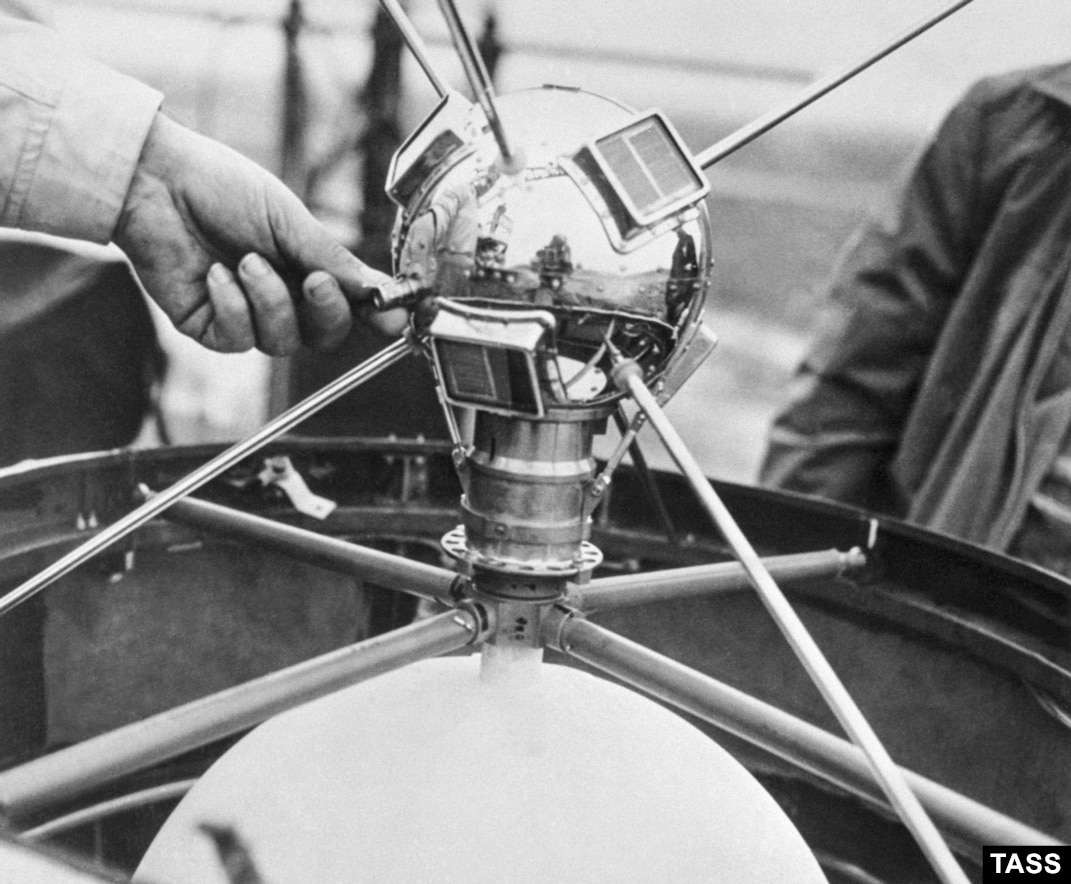
The space race was a significant aspect of the Cold War, symbolizing technological prowess and ideological superiority. Initiated by the Soviet Union's launch of Sputnik, the first artificial satellite, in 1957, the competition intensified as each superpower sought dominance in space exploration. The United States achieved a pivotal victory with the Apollo 11 Moon landing in 1969, demonstrating its technological capabilities and bolstering national pride.
Technological Innovations
The Cold War spurred numerous technological innovations beyond space exploration. Advancements in computing, telecommunications, and aerospace emerged from military needs and competition. These innovations had lasting impacts, shaping modern technology and industries, and illustrating how geopolitical rivalry can drive scientific progress.
Technological competition also extended to intelligence and surveillance systems, with both superpowers developing sophisticated technologies for espionage, reconnaissance, and data analysis. The desire to achieve technological supremacy fueled investments in research and development, leading to breakthroughs that would later benefit civilian sectors.
Cultural and Propaganda Wars
Propaganda Efforts
Cultural and propaganda efforts were integral to the Cold War strategy. Both the United States and the Soviet Union utilized media, literature, art, and education to promote their respective ideologies and discredit the other. The U.S. emphasized themes of freedom, democracy, and prosperity, while the USSR focused on social equality, anti-imperialism, and the virtues of socialism.
Cultural Influence and Soft Power
The competition extended to cultural domains, where both superpowers sought to influence global public opinion through entertainment, sports, and international aid. American jazz, cinema, and consumer culture were promoted as symbols of modernity and freedom, whereas Soviet ballet, classical music, and literature were showcased to demonstrate cultural sophistication and ideological strength.
Education and Information Campaigns
Educational exchanges and information campaigns were also tools in the cultural warfare. The United States established programs like the Fulbright Scholarship to foster academic exchanges, while the Soviet Union promoted similar initiatives to attract foreign students and intellectuals to its system. These efforts aimed to spread their respective ideologies and counter the influence of the opposing bloc.
Moreover, both superpowers invested in broadcasting services that targeted international audiences. American broadcasts like Voice of America transmitted news and cultural programs, promoting democratic values, while the Soviet Union used Radio Moscow and other outlets to disseminate socialist perspectives and counter Western narratives.
Impact on Decolonization and Global Politics
Support for Decolonization Movements
As nations in Africa, Asia, and Latin America gained independence from colonial powers, the Cold War context influenced these decolonization movements. Both the United States and the Soviet Union sought to expand their spheres of influence by supporting emerging nations aligned with their ideologies. This often led to interventions, aid, and military support to friendly regimes or groups, sometimes exacerbating internal conflicts and contributing to instability.
Non-Aligned Movement
Not all newly independent nations chose to align explicitly with either superpower. The Non-Aligned Movement emerged as a coalition of countries striving for sovereignty and neutrality amidst Cold War tensions. Leaders like India's Jawaharlal Nehru advocated for a path independent of the U.S. and Soviet influence, seeking peaceful coexistence and economic development without ideological entanglements.
Global Institutions and Diplomacy
The Cold War shaped international institutions and diplomatic relations. Organizations like the United Nations became arenas for superpower diplomacy and competition, with the U.S. and USSR often wielding veto power to influence outcomes. This politicization of global institutions sometimes led to paralysis in addressing international crises, as cooperative solutions were hindered by mutual distrust and competing interests.
Furthermore, regional organizations and bilateral agreements were frequently influenced by the need to align with one of the superpower blocs. Economic partnerships, military alliances, and cultural exchange programs were often designed to reinforce geopolitical strategies rather than purely mutual benefits.
Domestic Effects and Societal Changes
Militarization of Society
The Cold War led to the militarization of society in both the United States and the Soviet Union. In the U.S., this was evident through widespread civil defense measures, including "duck and cover" drills in schools, and increased military spending that influenced economic and industrial policies. Similarly, the Soviet Union prioritized military and industrial capabilities to match or surpass Western strengths.
Economic Impact
Significant portions of each superpower's budget were allocated to military and defense expenditures, often at the expense of domestic social programs. The arms race placed enormous strain on national economies, especially in the Soviet Union, where the burden contributed to economic stagnation and eventual collapse.
Civil Liberties and Political Repression
Both blocs experienced internal political repression to maintain stability and suppress dissent. In the United States, the fear of communist infiltration led to McCarthyism, characterized by aggressive investigations and accusations of subversion. In the Soviet Union, the KGB enforced loyalty through surveillance, censorship, and the suppression of political dissenters, maintaining strict control over political and social life.
These domestic policies had profound effects on society, cultivating environments of suspicion, limiting freedom of expression, and shaping public perception of the "other." The pervasive fear of espionage and subversion influenced cultural expressions, personal relationships, and even everyday behaviors, embedding the Cold War mindset into the fabric of daily life.
End of the Cold War and Its Legacy
Reforms and the Collapse of the Soviet Union
The end of the Cold War was precipitated by a series of reforms initiated by Soviet leader Mikhail Gorbachev in the mid-1980s. Policies such as Glasnost (openness) and Perestroika (restructuring) aimed at granting more freedom of expression and economic restructuring. However, these reforms inadvertently weakened the Soviet Union's control, leading to increased political liberalization, economic turmoil, and the eventual dissolution of the USSR in 1991.
Fall of the Berlin Wall
The symbolic end of the Cold War was marked by the fall of the Berlin Wall in 1989, which had separated East and West Berlin since 1961. This event signified the weakening of Soviet influence in Eastern Europe and the movement towards reunification and democratization, leading to the collapse of communist regimes across the region.
Global Political Shifts
The dissolution of the Soviet Union resulted in the emergence of the United States as the sole remaining superpower, ultimately reshaping global politics. New independent states emerged from the former Soviet republics, and the shift towards a unipolar world order brought new challenges and dynamics in international relations.
Technological and Cultural Legacy
The technological advancements and cultural exchanges initiated during the Cold War have had lasting impacts. Innovations in space technology, computing, and military hardware continue to influence contemporary science and industry. Additionally, the cultural exchanges and propaganda efforts left enduring footprints on global culture, media, and societal norms.
Moreover, the geopolitical landscape post-Cold War has been shaped by the legacies of alliances, conflicts, and political structures established during the Cold War. Issues such as nuclear proliferation, regional conflicts, and the balance of power continue to be influenced by the historical context of this pivotal period.
Summary of Key Cold War Events
| Year | Event | Significance |
|---|---|---|
| 1948-1949 | Berlin Blockade and Airlift | First major crisis of the Cold War; demonstrated Western commitment to resisting Soviet pressure |
| 1950-1953 | Korean War | Proxy war illustrating Cold War tensions; resulted in division of Korea |
| 1962 | Cuban Missile Crisis | Closest the world came to nuclear war; highlighted the dangers of nuclear brinkmanship |
| 1969 | First Moon Landing | Major victory for the U.S. in the Space Race; symbolized technological and ideological superiority |
| 1979-1989 | Soviet-Afghan War | Prolonged conflict weakening the Soviet Union; contributed to its eventual collapse |
| 1985-1991 | Gorbachev's Reforms (Glasnost and Perestroika) | Led to increased openness and restructuring; accelerated the end of the Soviet Union |
| 1989 | Fall of the Berlin Wall | Symbolic end of the Cold War; led to German reunification and collapse of Eastern Bloc |
| 1991 | Dissolution of the Soviet Union | Official end of the Cold War; shifted global power dynamics to a unipolar world |
Conclusion
The Cold War era was a defining period in modern history, characterized by intense ideological rivalry, geopolitical maneuvering, and significant global impact. The absence of direct large-scale conflict between the United States and the Soviet Union belied the pervasive tension and the high stakes involved in the competition for global supremacy. From the formation of military alliances and the occurrence of critical proxy wars to the arms race that kept the world under the shadow of nuclear annihilation, the Cold War influenced virtually every aspect of international relations and domestic policies in the involved nations.
Technological and cultural battles, such as the Space Race and propaganda wars, not only underscored the ideological divide but also spurred advancements that continue to shape the contemporary world. The legacy of the Cold War is evident in the enduring alliances, the shape of international institutions, and the collective memory of nations that lived through this tense period. The collapse of the Soviet Union and the shift towards a unipolar world order brought about significant changes, yet many of the dynamics and lessons from the Cold War continue to inform current global politics and security strategies.
References
Last updated January 20, 2025