
Unlocking the Human Body: Your Comprehensive Guide to College Anatomy & Physiology
Navigate the complexities of A&P with essential concepts, a study roadmap, and practical tips for success in this foundational science course.
Embarking on a college-level Anatomy and Physiology (A&P) course is a significant step, particularly for students aiming for careers in healthcare, biology, and related scientific fields. This foundational science delves into the intricate details of the human body, providing a crucial understanding of how we are built and how we function. It's a journey from the microscopic world of cells and molecules to the macroscopic complexity of organ systems working in concert.
Key Highlights of Anatomy & Physiology
- Structure Dictates Function: Understand the fundamental principle that a body part's anatomical form is intrinsically linked to its physiological role.
- Levels of Organization: Grasp how the body is hierarchically structured, from chemicals and cells to tissues, organs, systems, and the complete organism.
- Homeostasis is Key: Learn about the body's remarkable ability to maintain a stable internal environment through intricate feedback mechanisms, essential for survival.
Deciphering the Disciplines: Anatomy vs. Physiology
While often studied together, anatomy and physiology are distinct disciplines:
Anatomy: The Science of Structure
Anatomy is the scientific study of the body's structures and their organization. It involves identifying body parts, understanding their physical relationships, and describing their location. Anatomy can be studied at different scales:
- Gross (Macroscopic) Anatomy: The study of large body structures visible to the naked eye, such as organs (heart, brain, kidneys) and organ systems.
- Microscopic Anatomy: The study of structures that require magnification to be seen, including:
- Cytology: The study of cells.
- Histology: The study of tissues.
Physiology: The Science of Function
Physiology is the scientific study of how the body's structures function, both individually and collectively. It explores the chemical and physical processes that occur within the body to sustain life. Physiology examines how body parts carry out their life-sustaining activities, focusing on the mechanisms and regulation of bodily functions at molecular, cellular, organ, and system levels.
Together, A&P provide a holistic understanding of the human body, revealing how its intricate design enables its complex functions.

Visual guides and textbooks are invaluable resources for studying the detailed structures of human anatomy.
Introductory Video Overview
For a dynamic introduction to the core concepts of Anatomy & Physiology, the following video provides an engaging overview, setting the stage for deeper study. It covers the basic definitions, levels of organization, and the importance of homeostasis.
This introduction highlights the interconnectedness of body systems and the fascinating complexity you'll explore throughout your A&P course.
Core Concepts in Anatomy & Physiology
Mastering college-level A&P requires a solid understanding of several fundamental concepts:
1. Levels of Structural Organization
The human body exhibits a clear hierarchy of structural organization, building complexity from simple components:
- Chemical Level: Atoms combine to form molecules (e.g., water, proteins).
- Cellular Level: Molecules form organelles within cells, the basic units of life.
- Tissue Level: Groups of similar cells with a common function form tissues (epithelial, connective, muscle, nervous).
- Organ Level: Different types of tissues combine to form organs (e.g., stomach, heart, brain) with specific functions.
- Organ System Level: Organs work together in organ systems (e.g., digestive system, cardiovascular system) to accomplish broad functions.
- Organism Level: All organ systems function together to constitute the living human being.
Visualizing the Hierarchy
This mindmap illustrates the hierarchical organization of the human body, starting from the fundamental chemical level and progressing up to the complex organism, branching into the major organ systems.
(Atoms, Molecules)"] id2["Cellular Level
(Cells, Organelles)"] id3["Tissue Level"] id3a["Epithelial"] id3b["Connective"] id3c["Muscle"] id3d["Nervous"] id4["Organ Level
(e.g., Heart, Stomach, Brain)"] id5["Organ System Level"] id5a["Integumentary"] id5b["Skeletal"] id5c["Muscular"] id5d["Nervous"] id5e["Endocrine"] id5f["Cardiovascular"] id5g["Lymphatic/Immune"] id5h["Respiratory"] id5i["Digestive"] id5j["Urinary"] id5k["Reproductive"] id6["Organism Level
(Human Being)"]
2. The Interplay of Structure and Function
A central theme in A&P is that structure determines function. The specific form, shape, and arrangement of anatomical components are directly related to their physiological roles. For example, the thin walls of lung alveoli (structure) are perfectly suited for efficient gas exchange (function).
3. Homeostasis: Maintaining Balance
Homeostasis is the body's ability to maintain relatively stable internal conditions despite continuous changes in the external environment. This dynamic state of equilibrium is crucial for survival. Key aspects include:
- Set Points: Ideal values for physiological parameters (e.g., body temperature, blood glucose).
- Feedback Systems: Mechanisms that monitor internal conditions and make adjustments.
- Negative Feedback: The most common type; the response counteracts the initial stimulus, bringing the condition back towards the set point (e.g., regulating body temperature).
- Positive Feedback: Less common; the response enhances the original stimulus, pushing the condition further away from the set point until a specific event occurs (e.g., blood clotting, childbirth contractions).
4. Anatomical Terminology
A standardized language is essential for precise communication in A&P. This includes:
- Anatomical Position: The standard reference point (standing upright, feet parallel, arms at sides, palms forward).
- Directional Terms: Describe the location of one body part relative to another (e.g., superior/inferior, anterior/posterior, medial/lateral, proximal/distal, superficial/deep).
- Body Planes: Imaginary flat surfaces dividing the body (sagittal, frontal/coronal, transverse).
- Body Cavities: Spaces housing internal organs (e.g., dorsal cavity [cranial, vertebral], ventral cavity [thoracic, abdominopelvic]).
5. Cell Biology Fundamentals
Understanding the structure and function of cells is foundational. This includes knowledge of key organelles (nucleus, mitochondria, ribosomes, endoplasmic reticulum, Golgi apparatus), the cell membrane (structure, transport mechanisms like diffusion, osmosis, active transport), and basic cellular processes (metabolism, cell cycle, communication).
6. Tissue Types
Familiarity with the four primary tissue types is crucial:
- Epithelial Tissue: Covers body surfaces, lines cavities, and forms glands.
- Connective Tissue: Supports, protects, and binds other tissues together (e.g., bone, cartilage, blood, adipose tissue).
- Muscle Tissue: Specialized for contraction and producing movement (skeletal, cardiac, smooth).
- Nervous Tissue: Composed of neurons and glial cells, responsible for communication and control.
7. The Major Organ Systems
A comprehensive understanding of the 11 major organ systems, their primary components, and their functions is essential. College A&P typically explores each system in detail.
Overview of Human Organ Systems
The following table summarizes the 11 major organ systems and their primary functions, illustrating the division of labor within the human body.
| Organ System | Primary Components | Primary Functions |
|---|---|---|
| Integumentary | Skin, hair, nails, sweat glands | Protection, temperature regulation, sensory reception, vitamin D synthesis |
| Skeletal | Bones, cartilage, ligaments, joints | Support, protection, movement (with muscles), blood cell formation, mineral storage |
| Muscular | Skeletal muscles, tendons | Movement, posture maintenance, heat production |
| Nervous | Brain, spinal cord, nerves, sensory receptors | Fast-acting control system, communication, coordination, detecting stimuli |
| Endocrine | Hormone-secreting glands (pituitary, thyroid, adrenal, pancreas, etc.) | Slow-acting control system, regulation of growth, metabolism, reproduction via hormones |
| Cardiovascular | Heart, blood vessels (arteries, veins, capillaries), blood | Transport of oxygen, carbon dioxide, nutrients, wastes, hormones; defense |
| Lymphatic / Immune | Lymphatic vessels, lymph nodes, spleen, thymus, tonsils, immune cells | Fluid balance, defense against pathogens and disease |
| Respiratory | Nasal cavity, pharynx, larynx, trachea, bronchi, lungs | Gas exchange (oxygen intake, carbon dioxide removal) |
| Digestive | Oral cavity, esophagus, stomach, small intestine, large intestine, liver, pancreas, gallbladder | Breakdown and absorption of nutrients, elimination of indigestible waste |
| Urinary | Kidneys, ureters, urinary bladder, urethra | Elimination of nitrogenous wastes, regulation of water, electrolyte, and acid-base balance |
| Reproductive | Male: Testes, ductus deferens, penis. Female: Ovaries, uterine tubes, uterus, vagina, mammary glands. | Production of offspring, production of sex hormones |
8. Integration of Systems
Recognize that organ systems do not function in isolation. They are highly integrated and interdependent. For example, the respiratory system provides oxygen needed by the cardiovascular system to deliver to tissues, while the nervous and endocrine systems regulate the functions of nearly all other systems.
Relative Importance of Study Approaches in A&P
Success in Anatomy and Physiology often requires a blend of different learning strategies. While memorization of terms is necessary, deeper conceptual understanding, visualization skills, hands-on lab experience, and the ability to integrate knowledge across systems are equally, if not more, important. This chart provides a relative comparison of the emphasis often placed on various study skills in a typical college A&P course.
This visualization suggests that while memorization has its place, excelling in A&P heavily relies on understanding concepts, linking structure to function, visualizing complex arrangements, applying knowledge practically, and seeing the body as an integrated whole.
A Roadmap for Learning Anatomy & Physiology
College A&P courses typically follow a logical progression, often divided into two semesters (A&P I and A&P II). Here's a general outline:
Part 1: Foundations and Support/Movement/Control Systems (Often A&P I)
1. Introduction and Basic Concepts
- Definitions of Anatomy and Physiology
- Levels of Organization
- Structure-Function Relationship
- Homeostasis and Feedback Mechanisms
- Anatomical Terminology (Position, Directions, Planes, Cavities)
2. Chemical and Cellular Level
- Basic Chemistry (if included)
- Cell Structure and Function (Organelles, Membrane Transport, Cell Cycle)
3. Tissue Level
- Epithelial Tissue
- Connective Tissue
- Muscle Tissue
- Nervous Tissue
4. Integumentary System
- Skin structure and functions
- Accessory structures (hair, nails, glands)
5. Skeletal System
- Bone tissue histology
- Bone development and growth
- Axial and Appendicular Skeleton
- Joints (Articulations)
6. Muscular System
- Muscle tissue types (Skeletal, Smooth, Cardiac)
- Skeletal muscle anatomy (gross and microscopic)
- Physiology of muscle contraction
- Major skeletal muscles
7. Nervous System
- Organization of the Nervous System
- Nervous tissue (Neurons, Glia)
- Neurophysiology (Action Potentials, Synapses)
- Central Nervous System (Brain, Spinal Cord)
- Peripheral Nervous System (Nerves, Ganglia)
- Autonomic Nervous System
- Senses (Special and General)
Part 2: Maintenance, Regulation, and Continuity Systems (Often A&P II)
8. Endocrine System
- Hormones and their mechanisms
- Major endocrine glands and their secretions
9. Cardiovascular System
- Blood (Composition, Functions)
- Heart (Anatomy, Physiology, Electrical Activity)
- Blood Vessels (Arteries, Veins, Capillaries)
- Blood Flow and Pressure Regulation
10. Lymphatic System and Immunity
- Lymphatic vessels and organs
- Innate and Adaptive Immunity
11. Respiratory System
- Anatomy of the Respiratory Tract
- Mechanics of Breathing (Ventilation)
- Gas Exchange and Transport
12. Digestive System
- Anatomy of the Digestive Tract and Accessory Organs
- Physiology of Digestion and Absorption
- Metabolism and Nutrition
13. Urinary System
- Kidney Anatomy and Physiology
- Urine Formation
- Fluid, Electrolyte, and Acid-Base Balance
14. Reproductive System
- Male and Female Reproductive Anatomy
- Physiology of Reproduction
- Pregnancy and Development (Brief Overview)
Integrating Laboratory Work
Most college A&P courses include a significant laboratory component. Labs provide crucial hands-on experience with anatomical models, preserved specimens (dissection), histology slides (microscopy), and physiological experiments. Actively participating in labs is vital for reinforcing lecture concepts and developing practical skills.
Effective Study Strategies for A&P Learners
Anatomy and Physiology can be demanding due to the volume of information and complexity of concepts. Employing effective study strategies is key to success:
- Be Proactive and Consistent: Don't fall behind! Read assigned material *before* lectures. Review notes shortly after class. Study regularly in smaller, focused sessions rather than cramming.
- Embrace Visual Learning: A&P is highly visual. Utilize diagrams, anatomical atlases, 3D models (physical or digital), flashcards with images, and draw structures yourself to understand spatial relationships.
- Focus on Understanding, Not Just Memorization: While terminology requires memorization, strive to understand the *why* behind structures and processes. Constantly ask yourself how a specific structure contributes to its function and how systems interact.
- Master the Language: Create flashcards (physical or digital, like Quizlet) for anatomical terms, physiological processes, and key facts. Use mnemonic devices for lists (e.g., cranial nerves, bone names).
- Actively Engage with Material: Rewrite notes in your own words. Teach concepts to yourself or study partners. Work through practice questions and case studies provided in textbooks or by instructors.
- Integrate Lecture and Lab: Connect what you learn in lectures with what you see and do in the lab. Use lab time to solidify your understanding of anatomical structures and their relationships.
- Utilize Diverse Resources: Don't rely solely on the textbook. Explore online videos (like Crash Course, Khan Academy), interactive anatomy apps (like Visible Body), study guides, and review books.
- Form Study Groups: Discussing complex topics with peers can expose different perspectives, clarify misunderstandings, and reinforce learning. Explaining concepts to others is a powerful way to test your own understanding.
- Practice Retrieval: Regularly test yourself without looking at your notes. Use end-of-chapter quizzes, online practice tests, and create your own questions.
- Stay Organized: Keep track of lecture notes, lab materials, and study resources. Follow the syllabus closely and plan your study schedule around exams and assignments.
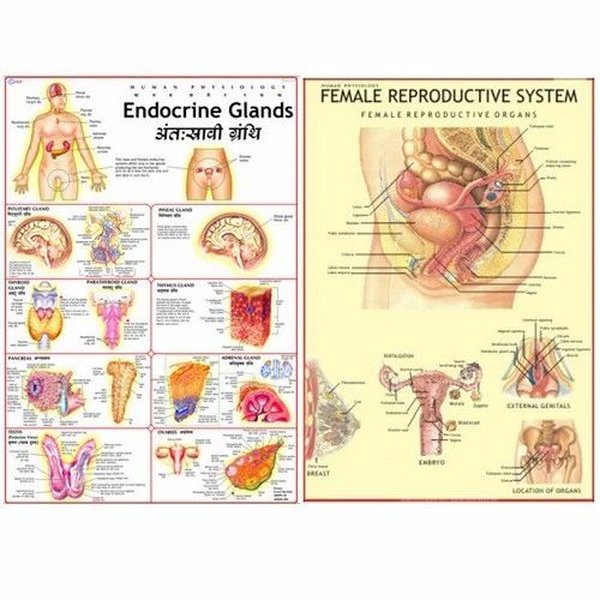
Physiology charts visually explain complex bodily processes and relationships between systems.
Frequently Asked Questions (FAQ)
What's the difference between Anatomy and Physiology?
Anatomy is the study of the structure of body parts and their relationships to one another (What is it? Where is it?). Physiology is the study of the function of body parts – how they work individually and together to carry out life-sustaining activities (How does it work?). They are inseparable because structure always reflects function.
Is college A&P considered a difficult course?
Many students find A&P challenging due to the large volume of information, complex terminology, and the need to integrate concepts across different levels (from cells to systems). However, with consistent effort, effective study strategies (like those listed above), and a genuine interest in the subject, success is very achievable. Time management and active learning are crucial.
How much memorization is required?
There is a significant amount of terminology (names of bones, muscles, nerves, physiological processes) that needs to be memorized. However, simply memorizing facts is not enough. True understanding comes from linking the terminology to anatomical structures, physiological functions, and the overarching principles like homeostasis and the structure-function relationship. Focus on understanding concepts to make memorization more meaningful and durable.
What is the difference between A&P I and A&P II?
Typically, A&P is taught as a two-semester sequence. A&P I usually covers foundational concepts (terminology, cells, tissues) and then delves into the integumentary, skeletal, muscular, and nervous systems. A&P II builds upon this foundation, covering the remaining systems like the endocrine, cardiovascular, lymphatic, respiratory, digestive, urinary, and reproductive systems, often with a greater emphasis on physiological regulation and integration.
Why is A&P important for health science careers?
A&P provides the fundamental knowledge base for understanding health and disease. Healthcare professionals (nurses, doctors, physical therapists, paramedics, etc.) need a deep understanding of normal body structure and function to recognize abnormalities, understand disease processes (pathophysiology), perform physical assessments, interpret diagnostic tests, and administer treatments effectively.
References
- Overview of Anatomy and Physiology - OpenStax
- Core Concepts of Physiology - Definitions - Physiology.org
-
Anatomy and Physiology Notes - Harvard RITSCloud
- Key Concepts in Anatomy and Physiology - Quizlet
- Human anatomy terminology - Kenhub
- Anatomy and Physiology - Crafton Hills College
- Making Anatomy & Physiology Fun: Studying Tips - Visible Body Blog
Recommended

Last updated April 23, 2025