
A Hilariously Chaotic Summary of Game of Thrones
Exploring Westeros with Wit, Iron Thrones, and Fiery Dragons
Key Takeaways
- Medieval Mayhem: Westeros is a blend of brutal politics, backstabbing, and absurdly twisted family dynamics.
- Characters with Quirks: From stoic Starks to the debonair yet devious Lannisters, each character’s eccentricities fuel both drama and comedy.
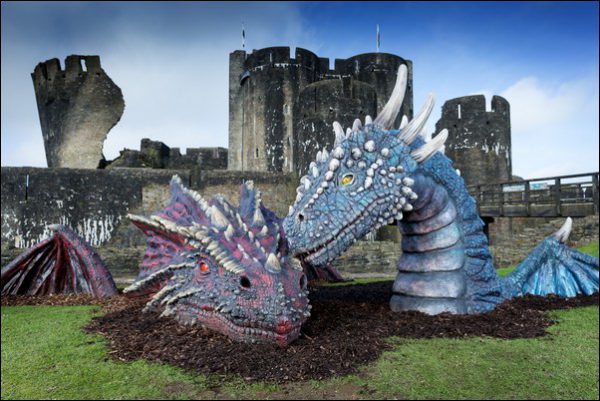
- Dragons and Iron Chairs: Epic battles, fire-breathing dragons, and an uncomfortably ornate throne drive the narrative with humor and irony.
The World of Westeros as a Comedic Stage
Imagine a reality TV show that takes place in a medieval setting, where honor and chivalry are never as they seem. Game of Thrones is that show, a wild blend of epic battle scenes, gothic intrigue, and an ever-present wry commentary on the human condition. Every character is part of a larger tapestry of fate and farce, orchestrated, whether willingly or not, by the unseen hands of destiny. The very notion of ancient prophecies, dark magic, unexpected betrayals, and sudden shifts in power is intertwined with moments that could easily be seen as hilariously absurd.
A Kingdom of Quirks and Chaos
At its core, Game of Thrones is the ultimate medieval soap opera – where family loyalty is tested, alliances are as fickle as the weather, and every noble house seems to host its own dysfunctional family reunion. The stark irony in the narrative lies in its treatment of traditional heroism. The noble houses are forced to navigate a landscape where ideals are constantly undermined by treachery, and where even the most honorable character can find themselves on the receiving end of betrayal.
The Starks: Kings of Cold-Hearted Tragedy
The narrative begins with the Starks, a family renowned both for their unwavering honor and their chronic streak of unfortunate events. Hailing from the wintry expanse of the North, these characters epitomize the rugged nobility that characterizes traditional medieval heroes, yet quickly become emblematic of the tragicomic existence in Westeros. Their repeated misfortunes, often culminating in dramatic deaths, serve as an endless source of dark humor. In particular, the patriarch, Ned Stark, finds himself ensnared in a web of political intrigue despite his practical sense of honor—a predicament that leads to his untimely – and quite literal – decapitation.
For fans who cherish irony, the Starks’ fall is a perfect punchline. It’s as if Westeros is a cruel game show where simply trying to do the right thing guarantees a grim fate, making the very act of being honorable seem ironically foolish.
The Lannisters: Fabulous, Ruthless, and Endlessly Entertaining
In stark contrast to the stoic Starks, the Lannisters embody a brand of humor that is as biting as it is sophisticated. Known for their immense wealth, striking looks, and intricate internal dramas, these characters are reminiscent of a royal version of modern celebrity families. Their infamous mantra – “The Lannister always pays his debts” – takes on a near-mythical status, yet it is interspersed with moments of absurdity. The family’s penchant for incest, intricate betrayals, and their sneering dismissal of conventional moral standards adds an element of dark humor and satirical commentary on real-world power dynamics.
Characters like Tyrion, whose wit is as sharp as his tongue, provide comic relief through incisive one-liners that cut through the gloom of political dread. His observant humor and drunken wisdom often serve as the only respite from the ever-looming threat of violence and treachery. The Lannisters, with their opulent halls and toxic familial bonds, are a constant reminder that in Westeros, wealth and glamour are no shields against the absurdities of fate.
Daenerys Targaryen: The Revolutionary Dragon Queen
No comedic exploration of Game of Thrones would be complete without mentioning Daenerys Targaryen. Starting a life in exile only to rise as a beacon of hope—or terror, depending on perspective—her character arc is littered with paradoxical moments. Initially, she seems destined to liberate the oppressed and lead a just revolution; however, as the plot unfurls, her obsession with power and her dramatic flair for destruction become apparent. One cannot help but chuckle at the idea of a queen whose primary mode of transportation is a dragon, a fire-breathing beast whose very presence redefines the term "wingman" in the context of ancient warfare.
Her journey is comparable to that of an overzealous influencer, inadvertently providing a medley of both awe-inspiring and absurdly tragic moments that encapsulate the unpredictable nature of Westeros. Whether she is rallying for the cause of justice or accidentally turning cities to ash with a casual flick of her wrist, her character remains one of the most irresistibly comical leads in a saga defined by its grim themes.
Jon Snow: The Bewildered Bastard
Jon Snow, with his famously laconic refrain, “You know nothing,” represents one of the most paradoxically humorous figures in the series. Positioned on the borderline between nobility and legitimacy, Jon embodies the everyman thrust into an extraordinary situation. His dedication to duty and honor is often undercut by the overwhelming absurdity of the world around him. As he battles wildlings, contemplates impossible love, and slowly unravels the intricate familial ties that bind him to the broader saga, his clueless nonchalance becomes a source of both dramatic tension and unintended comedy.
His journey, filled with ironic twists—ranging from surprising familial revelations to moments of accidental heroism—serves as a perfect microcosm of Westeros: a place where the line between greatness and foolishness is as blurred as the mists that roll over the Wall.
Westeros: The Ultimate Backstabbing Battlefield
At a glance, Westeros might appear to be a typical medieval territory, but upon closer inspection, one come to realize that it is a realm where the norm is relentless betrayal. Noble families routinely pit themselves against each other in a deadly game of “Who Can Betray Whom?”, reminiscent in spirit of an immensely destructive board game. Every whispered conspiracy, every secret alliance, every drastic twist elevates the narrative from mere tragedy to a side-splitting farce. Just as a contemporary political scandal might be riddled with human error and hubris, so is the dance of honor and treachery in Westeros a continuous source of grim humor.
A Table of the Most Iconic Westerosi Intrigues
| House/Character | Comedic Element | Notable Moment |
|---|---|---|
| The Starks | Tragicomic downfall of noble intentions | Ned's honorable demise amid political treachery |
| The Lannisters | Glamorous ruthlessness with absurd family dynamics | Tyrion’s sarcastic quips and the family's scandalous secrets |
| Daenerys Targaryen | The paradox of a liberator turned accidental destroyer | Her fiery conquests and dramatic rise from exile |
| Jon Snow | The bewildered noble destined for murky revelations | His clueless leadership and shockingly ironic ancestry |
| The White Walkers | Cosmic party crashers from the frozen north | The constant reminder that “winter is coming” |
Humor Intertwined with Tragedy and Irony
In every episode, viewers are treated to a blend of dark humor and tragic inevitabilities. Westeros is a place where fate seems to have a perverse sense of humor—where the policies of governance, loyalty, and love are frequently undercut by the unexpected appearance of dragons, the sudden reversals of fortune, and moments that defy all conventional logic. It’s as if the narrative itself is winking at the audience, reminding us that even in the darkest times, life finds a way to be ridiculously absurd.
The juxtaposition between the sheer brutality of political power plays and the almost slapstick misfortunes of its characters creates an atmosphere where humor is born out of sheer existential irony. It is this combination of elements that makes Game of Thrones not just a saga of power struggles, but also a canvas for laugh-out-loud moments that belie its otherwise grim narrative.
Backstabbing and Banter
Every twist in the plot feels like a punchline waiting to be delivered. Whether it’s the subtle art of backstabbing during family feuds or the unexpected turns of fate that see characters meet their bizarre ends, the series treats viewers to an endless parade of moments where tragedy and humor coalesce. The dialogue, laden with clever wordplay and biting sarcasm, reinforces the idea that in a world where being honorable often leads to fatal outcomes, sometimes the best defense is a sharp wit.
This interplay of humor and tragedy is perhaps best exemplified by moments where characters make decisions so outlandish that they almost drift into parody. Whether it’s branching out into unintended alliances or pursuing aims that defy rational strategy, every major character in Westeros seems destined to provide an inadvertent commentary on the sheer absurdity of absolute power.
The Ongoing Irony of the Iron Throne
At the heart of it all lies the elusive and notoriously uncomfortable Iron Throne. More than just a seat of power, the throne symbolizes the absurd extents to which people will go for authority and legacy. The very design of this scorched and twisted chair is in itself a jest—a representation of the disastrous and often humorous outcomes that arise in the struggle for control. It is as if every ruler, by merely attempting to sit on it, accepts the inevitable fate of karma delivered in the form of betrayal, subterfuge, or—quite literally—a beheading.
The ironies abound, making the quest for the throne a relentless source of comedic material. Every time a character seems poised for greatness, the unpredictability of fate—and a sometimes ludicrous turn of events—reminds both the characters and the audience that in Westeros, power is a double-edged sword that often cuts deeper than anticipated.
Conclusion
In sum, Game of Thrones stands out not just as a chronicle of dire power struggles and epic battles but also as a fascinating canvas for dark humor and pointed satire. The intricate web of duty, honor, and betrayal is rendered all the more compelling by the series’ unflinching ability to laugh at itself. Whether you’re marveling at the tragic decline of the Starks, the lavish yet ludicrous machinations of the Lannisters, or the transformative journey of an outsider like Daenerys, it’s clear that the humor embedded in the chaos of Westeros is both razor-sharp and deeply reflective of the absurdities inherent in the quest for power.
As viewers navigate through endless twists, graphic visuals, and quirky quotable moments, they are always reminded that the true comedy of Game of Thrones lies in its introspective commentary on the cyclical nature of history, the paradox of dreams and destinies, and the human tendency to rise above tragedy—even if only to stumble in a beautifully ironic way. By blending the somber with the humorous, the epic with the absurd, and the grandiose with the minuscule, Game of Thrones has cemented its place as not only an unparalleled fantasy narrative but also a non-stop parade of hilariously unpredictable calamities.
References
- Funny GOT Episode Recap - Reddit
- 16 Surprisingly Funny Moments In Game of Thrones - Ranker
- Game Of Thrones: The Funniest Quotes - Game Rant
- 21 Genuinely Funny Game Of Thrones Moments - BuzzFeed
- A Humorous Game Of Thrones Recap - ComicBook.com
- Samuel L. Jackson's Hilarious GOT Recap - Rolling Stone
More
Last updated February 19, 2025