
COMELEC Champions Transparent Elections in the Cordillera Administrative Region
A stirring narrative of democracy amidst the rugged highlands and political rivalries
Key Highlights
- Robust Security Measures: Enhanced monitoring in politically sensitive areas including Abra.
- Modern Voting Innovations: Transition to advanced automated systems to ensure election integrity.
- Community Engagement: Grassroots efforts to educate voters and uphold democratic discipline.
A Different Beat: Life and Political Tension in the CAR
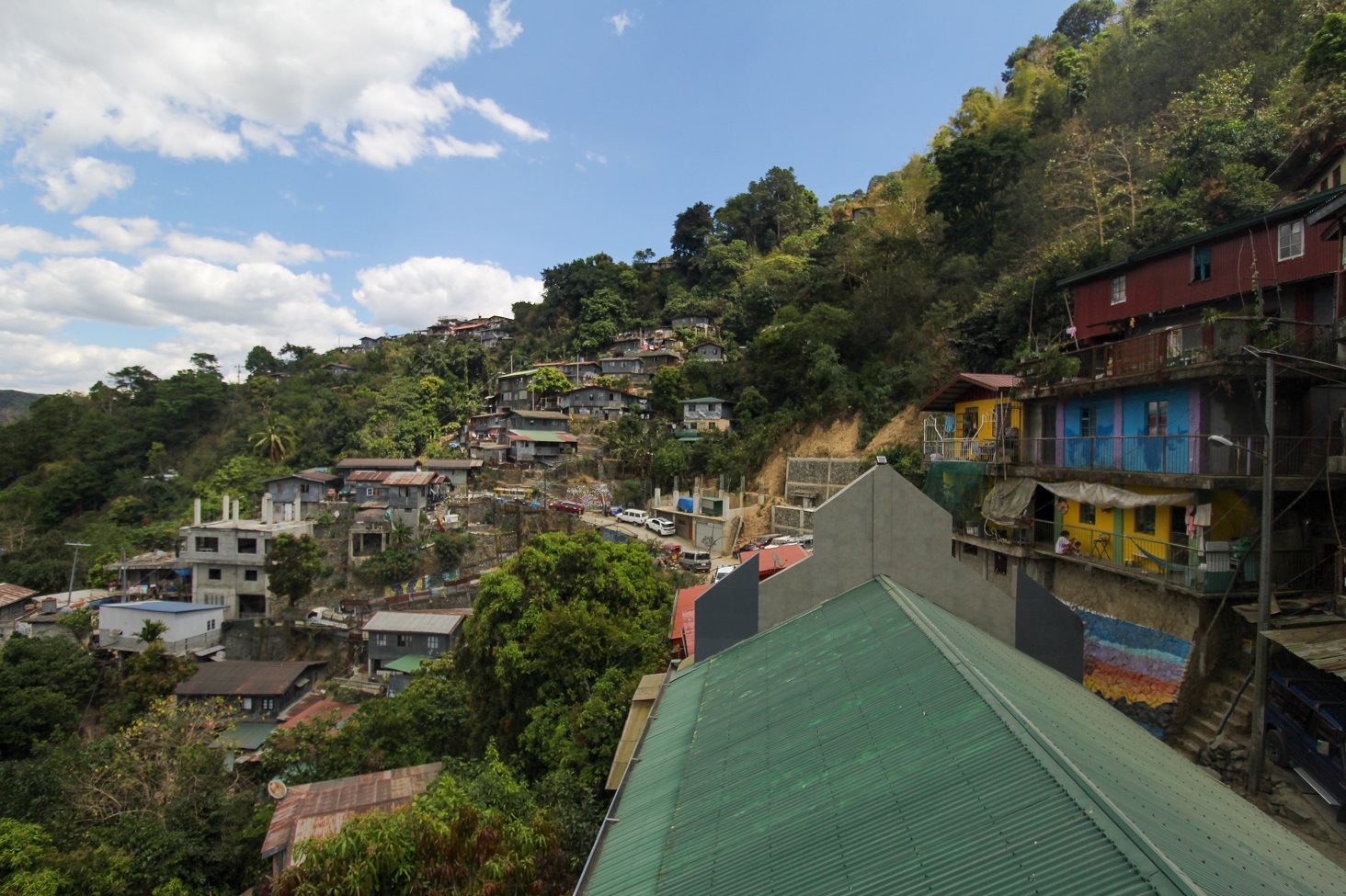
Amidst the deep valleys and rugged terrain of the Cordillera Administrative Region (CAR), the air is thick with anticipation. This region, known for its ancient traditions and vibrant cultural tapestry, now finds itself at the forefront of the 2025 midterm elections—a defining moment in the country’s evolving democratic journey. The Commission on Elections (COMELEC) has taken proactive measures to ensure that each ballot cast upholds the principles of fairness and transparency.
In the northern province of Abra, political tensions often mirror the steep, winding trails of its mountainous landscapes. Here, the legacy of intense local rivalries and historical disputes continues to shape the political narrative. The region is classified under varying degrees of risk; some towns are marked “yellow” for their turbulent political debates, while others, like Bucay, bear an “orange” label due to past concerns of external disruptions, including threats posed by organized groups. These classifications have propelled COMELEC to adopt a multifaceted strategy aimed at noise dilution and genuine dialogue among constituents.
Preparing the Polls: Behind the Scenes in the Highlands
Revolutionizing Elections with Technology and Tradition
The evolution of the electoral process in CAR is not merely a technological upgrade; it is a fusion of modern innovations and the rich heritage of its people. In recent months, COMELEC has been diligent in setting the stage for what many hope will be a testament to democratic ideals. Rather than allowing the rustic charm of the region to be overshadowed by the complexities of modern voting, organizers have implemented state-of-the-art automated systems derived from international expertise.
Advanced Voting Technology
The shift to an automated election system is a strategic move intended to overcome previous challenges related to manual errors and fraud. With a contract awarded to a reputable South Korean firm, Miru Systems Inc., COMELEC has embraced a platform that promises faster vote tabulation without sacrificing accuracy. This adoption of advanced technology is crucial in a region where voter turnout is not just a number, but a celebration of local voices and identity.
In addition, efforts have been made to ensure that remote areas in the highlands are not left behind. Mobile voting units equipped with these systems are set to navigate the winding roads, ensuring that even those in isolated hamlets have the opportunity to participate fully in the national dialogue.
Bridging Ancient Traditions with Modern Democracy
The electorate in CAR is as diverse as its rugged surroundings. Here, local governance is interwoven with indigenous practices that have defined the region for centuries. Traditional rituals and community gatherings play a critical role in unifying voters, turning the act of voting into a communal celebration rather than a mere bureaucratic process. COMELEC officials have acknowledged this cultural nuance by working closely with community leaders to ensure that the electoral process respects indigenous customs, thereby enhancing transparency and trust.
Indeed, a unique aspect of the CAR elections lies in how the modern apparatus of democracy is tailored to fit cultural contexts. One striking example is the integration of “barangay assemblies” where community members listen to candidates’ visions and share experiences from the mountains and valleys. These forums are designed as interactive spaces to highlight accountability and facilitate a grassroots understanding of election protocols, bridging the gap between age-old traditions and contemporary governance.
Defending Democracy: Security and Integrity in the Field
Tensions and Truth in the High-Risk Zones
Security remains a central pillar of COMELEC’s strategy for the 2025 elections. In the politically charged towns of Abra, where rivalries have fueled both passionate debates and sporadic violence, a robust security framework has been put into action. Together with local law enforcement agencies, including the Philippine National Police (PNP) and the Armed Forces of the Philippines (AFP), COMELEC has implemented an aggressive monitoring system tailored to preempt any form of electoral misconduct.
Over the last few months, concerted efforts have been directed toward curbing vote-buying and other fraudulent activities. The use of modern digital payment restrictions, such as those imposed on e-wallets like GCash, demonstrates a forward-thinking approach, tackling age-old challenges with new-age technology. These measures have been complemented by regular police patrols in hotspot areas, ensuring that the integrity of the elections is preserved.
Campaign Regulations and Legal Oversight
In an effort to further consolidate electoral integrity, COMELEC has instituted stringent regulations on campaign materials. This move is essential in the CAR, where unchecked political narratives can easily escalate tensions. Recently, all Senate candidates were directed to remove any unauthorized campaign materials from public spaces in the region, an imposition aimed at fostering a level playing field for all contenders.
These regulatory actions highlight the balance between maintaining order and ensuring that every voter’s voice is heard. They remind us that safeguarding democracy is not solely about advancing technology, but also about instituting a culture of accountability and mutual respect among political players.
The Human Element: Personal Stories and Local Voices
Arrivals and Departures: A Day in the Life of a CAR Election
While the national spotlight often focuses on the figures and the towering political narratives, the lifeblood of the CAR elections is found in the personal stories of its people. Maria, a school teacher from a small barangay, shared her perspective on the evolving electoral process. “For us, voting is more than an obligation. It’s a way to honor our ancestors, our traditions, and our right to shape our future,” she said, speaking passionately about how modern tools have invigorated community solidarity.
Likewise, Ramon, a local barangay captain, has witnessed firsthand the transformation of the polling process. “Before, there was always suspicion and hesitation. But now, the system is transparent and efficient. We see our votes counted accurately, and that instills trust in our leaders,” he remarked. These narratives echo across the region, resonating with both the young and the old, uniting them in the shared mission of preserving democratic values.
Community Engagement Workshops
In preparation for the elections, local government units and COMELEC collaborated to host several community engagement workshops. These sessions were not just about explaining how to vote; they were immersive experiences that celebrated both technological progress and cultural heritage. Through storytelling sessions, musical performances, and interactive demonstrations of the new automated systems, residents received a comprehensive understanding of what the upcoming polls would entail.
The meticulous planning behind these workshops underscores the commitment to ensuring every voter is empowered with knowledge. It is this integrative approach—melding technology with tradition—that sets the CAR elections apart from other regional electoral processes.
Policy Perspectives and Future Outlook
Forward-Thinking Governance in Adapting to Change
Looking beyond the immediate electoral cycle, COMELEC’s efforts in the CAR signal a broader evolution in Philippine democracy. The integration of international technology partnerships and rigorous legal frameworks is part of a long-term vision to upgrade the country’s political landscape. The emphasis on early planning for future elections, as indicated by proposals for early funding and year-specific preparatory programs, illustrates a forward-thinking strategy aimed at consolidating democratic practices across the archipelago.
COMELEC’s comprehensive approach—ranging from technical modernization and legal oversight to grassroots engagement—has not only revamped the elections in the CAR but has also set benchmarks for administrative efficiency across the nation. This strategic fusion of heritage with modernity has built a resilient electoral framework that promises to uphold democratic principles now and in the years to come.
Table of Key COMELEC CAR Election Measures
| Aspect | Initiative | Impact |
|---|---|---|
| Technology | Adoption of automated voting systems by Miru Systems Inc. | Faster, accurate vote counting and reduced fraud |
| Security | Deployment of additional PNP and AFP units | Enhanced safety in high-risk areas |
| Campaign Regulations | Strict rules on campaign material and vote-buying prevention | Equitable election environment |
| Community Engagement | Local workshops and barangay assemblies | Empowered and informed electorate |
| Future Planning | Proposals for early electoral funding and preparatory programs | Long-term electoral integrity |
Narrative Reflections
A Celebration of Democracy in the Highlands
The ongoing preparations and concerted efforts in the Cordillera Administrative Region tell the story of a community uniting under the banner of democratic progress. In the midst of political rivalries and historical challenges, there is a palpable sense of hope—a belief that change is not only possible, but necessary. The COMELEC CAR elections have become much more than a routine electoral exercise; they symbolize a dynamic intersection between the enduring cultural identity of the highlands and the untiring quest for political transparency.
As the mountains stand as silent guardians of tradition, so too does the collective voice of the CAR residents serve as a pillar to democracy. It is a reminder that every vote carved into ballot papers—or captured by sophisticated scanners—carries the weight of history, the promise of a just future, and the undying spirit of a community committed to progress.
References
- COMELEC Gears Up for Elections - Philippine News Agency
- Ballot Printing Updates - Inquirer.net
- COMELEC Readiness for 2025 - Philippine Information Agency
-
Electoral Outcomes Expected Soon - Philstar
- Vote-Buying Prevention Measures - MSN
Recommended Searches
Last updated March 15, 2025