
COMELEC CAR Elections: A New Chapter in Philippine Democracy
A creative nonfiction piece capturing the spirit and challenges of the 2025 electoral season in the Cordillera Administrative Region
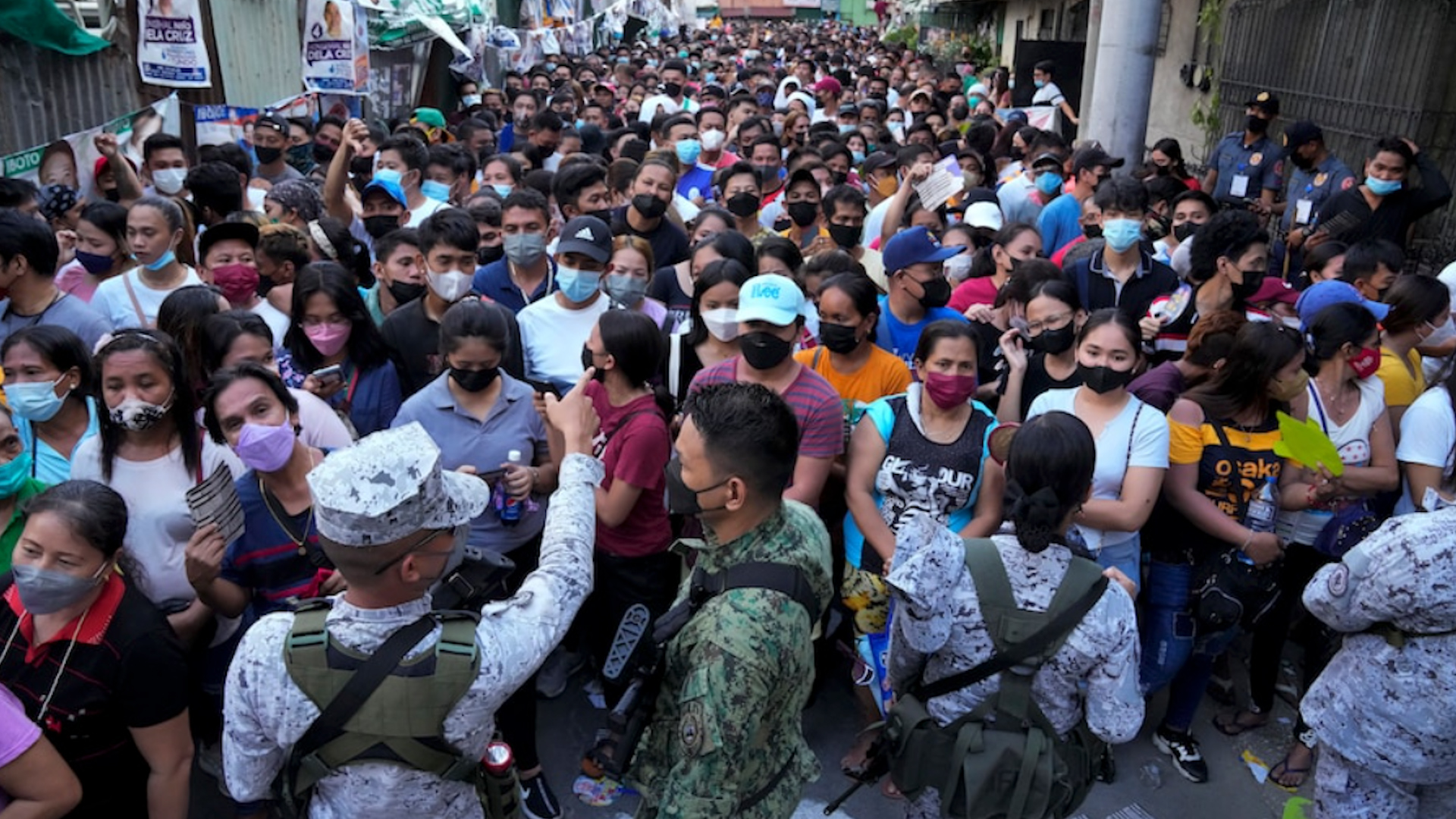
Highlights
- Lead with Clear Facts: The article opens by addressing who, what, when, where, and why of the election.
- Vivid Descriptions: It captures both the excitement and concerns surrounding the COMELEC preparations in the CAR.
- Local Focus: Emphasis on grassroots political engagement and the unique challenges in the Cordillera Administrative Region.
COMELEC CAR Elections: Setting the Stage for the 2025 National and Local Polls
The 2025 national and local elections in the Philippines are fast approaching, with the Commission on Elections (COMELEC) intensifying its preparations in the Cordillera Administrative Region (CAR). Scheduled for May 12, 2025, this election is expected to be a turning point for both political institutions and the vibrant local communities in CAR. In what is a blend of anticipation and cautious optimism, the COMELEC, under the leadership of its officials, is ensuring every measure is in place to guarantee a peaceful, credible, and orderly electoral process.
Who, What, When, Where, and Why
The lead paragraph of this news article encapsulates the essential details: Who is involved, what the event is, when and where it will occur, and why it is of importance. With COMELEC at the helm, the CAR elections not only represent the democratic aspirations of the Filipino public but also the diligent work taken to ward off irregularities such as illegal campaign activities and vote-buying. The elections are set to take place nationwide on May 12, 2025, with the CAR serving as one of the focal regions for heightened electoral vigilance.
A Closer Look at the Preparations in the Cordillera Administrative Region
Strengthening the Electoral Infrastructure
The COMELEC has left no stone unturned in its preparations for the electoral process. In the Cordillera Administrative Region, efforts have focused on reinforcing the security, technology, and manpower needed to conduct credible elections. A significant part of these measures includes the distribution of updated ballot papers and the setup of robust automated counting machines in key polling stations across the region. This modernization effort intends to streamline vote tallying and minimize human error, ensuring swift and accurate results.
Enhanced Voter Education and Registration Programs
One of the key areas of focus has been on boosting voter awareness and registration. The COMELEC has implemented extensive voter education programs, particularly aimed at younger citizens who are increasingly enthusiastic about participating in the democratic process. Workshops and community outreach initiatives have been organized to help voters understand the proper use of automated voting systems, ensuring that even those with limited technical expertise can participate confidently.
Monitoring and Regulation to Prevent Electoral Irregularities
Given the high stakes, COMELEC has identified and is actively monitoring over 403 potential "areas of concern" where electoral malpractices could emerge, including select locales within CAR. Strict measures have been imposed on candidates and campaign groups, such as issuing notices to 66 senatorial candidates to remove illegal campaign materials. These regulatory steps demonstrate the commission’s commitment to fair campaigning, safeguarding the integrity of the elections.
Community Collaboration and Security Measures
Security remains a top priority. In a collaborative effort, COMELEC has been working together with local law enforcement, community leaders, and even international tech experts to establish guidelines and protocols that ensure safety during the election day. Discussions involving cutting-edge security practices and IT innovations underscore the commitment to not only protect voters but also to maintain transparency and accountability throughout the electoral process.
Challenges and Controversies Surrounding the Elections
Allegations and Preventive Actions
Despite all the robust preparations, the electoral process in CAR has not been without its share of challenges. Allegations have surfaced regarding individuals and groups exploiting loopholes to engage in vote-buying and other forms of electoral fraud. To combat these issues, the COMELEC has enforced temporary controls on electronic transactions, such as a daily transfer limit on popular e-wallet applications like GCash. Such restrictions are aimed at curbing the flow of illicit funds that could potentially be used for vote manipulation.
The Role of Legal and Social Perspectives
The legal framework surrounding electoral conduct is another arena where controversies have emerged. Critics have called for greater transparency concerning deals made with private consortia and have urged the government to postpone or reevaluate exemptions granted to certain spending bans. These discussions highlight the dynamic interplay between political necessity and legal strictures aimed at ensuring an election free from corruption.
Enforcement of the Election Gun Ban
Security concerns extend to the enforcement of the election gun ban, a measure strictly implemented to prevent violent disruptions during the polls. Since January 12, authorities have arrested over 1,600 individuals for violating this ban, underscoring the tension and vigorous law enforcement efforts that characterize the election season. This proactive stance by the COMELEC and local police is designed to create a safe environment for voters and to reaffirm the rules that protect the democratic process.
Grassroots Impact and Citizen Engagement
A Community at the Heart of Politics
In the Cordillera Administrative Region, the elections are as much about local heritage as they are about political power. The region, known for its rich cultural tapestry and indigenous communities, brings a unique flavor to the electoral process. Local leaders and civic organizations are integral to educating voters, ensuring that the democratic process reflects not just national directives but also local concerns and aspirations. This synergy between national ambitions and grassroots priorities defines the vibrant political landscape in the region.
Personal Stories Amid Electoral Chaos
Amid the organizational efforts and rigorous security measures, personal stories of hope and civic duty are emerging. For many young voters and community activists, the upcoming elections represent a chance to reimagine their futures. One high school teacher in Baguio City described how her students have taken the initiative to educate their families about the importance of voting, using social media and community meetings. These narratives of individual and collective agency bring a human dimension to an otherwise bureaucratic process, emphasizing that at the heart of every election are the lives of everyday Filipinos eager to shape their destiny.
Educational Campaigns: Informing and Empowering
Educational initiatives spearheaded by both government agencies and non-governmental organizations are pivotal in demystifying the electoral process. These campaigns are designed to combat electoral misinformation and to foster a sense of responsibility among voters. Informative sessions about the correct use of automated counting machines, the importance of verifying voter registration, and the potential implications of election outcomes are among the topics covered. This effort seeks to transform voter fatigue into active civic participation, ensuring that every citizen is well-informed and ready to contribute meaningfully.
Innovative Measures: Technology and Transparency
Adoption of Automated Election Systems
Technology’s role in modernizing the electoral process cannot be overstated. The COMELEC has integrated advanced automated election systems designed to secure the transmission of votes and to ensure that the results are transmitted swiftly and accurately. This move is in line with efforts to secure international certification, which bolsters global confidence in the Filipino electoral system. The adoption of these systems represents a significant pivot from traditional manual counting methods and underscores the country’s commitment to keeping pace with global standards in election technology.
Technological Integration and Security Protocols
The advance in technology is paired with stringent security protocols. Local IT experts are working alongside COMELEC officials to set up guidelines meant to prevent cyber intrusions and safeguard data integrity. Plans include regular system audits and real-time monitoring of voting software to ensure that any potential breach can be swiftly addressed. These measures not only protect the election but also ensure that the transparency inherent in a democratic process is maintained throughout the procedure.
A Transparent Process in a Complex Environment
Transparency is fundamental to the integrity of any democratic process. Recognizing this, the COMELEC has made concerted efforts to publicly release data regarding voter registration drives, the setup of polling stations, and the measures taken to curb electoral fraud. Critically, the intention is to build public trust by openly addressing potential issues and clearly outlining strategies to counter them. Amid prospective challenges, these actions aim to offer reassurance that every step of the electoral process is being conducted with fairness and ethical standards.
Summary Table of COMELEC CAR Initiatives
| Aspect | Details |
|---|---|
| Voter Education | Intensive outreach programs, workshops, and community meetings targeted at clarifying voting procedures and system usage. |
| Security Measures | Strict enforcement of the election gun ban, collaboration with local law enforcement, and monitoring of "areas of concern". |
| Technology Integration | Deployment of automated counting machines, cybersecurity protocols, and real-time system monitoring to safeguard results. |
| Regulatory Compliance | Issuance of directives for removing illegal campaign materials and controlling e-wallet transactions to curb vote-buying. |
| Community Engagement | Local initiatives that involve grassroots organizations and public education campaigns fostering civic participation. |
References
- Winning senators, party-list groups in 2025 polls expected within a week — Philstar
- Comelec: 66 Senate bets ordered to remove illegal campaign materials in CAR — GMA Network
- Comelec identifies 403 'areas of concern' for May 2025 polls — Philippine News Agency
- Comelec closely monitors 10 Abra towns — Philippine News Agency
- COMELEC taps DOST and DICT for secure and transparent 2025 elections — DOST
Recommended Related Queries
Last updated March 15, 2025