
Comprehensive Overview of Cold War Politics
An In-Depth Analysis of the Cold War’s Historical Context, Key Events, Leaders, and Lasting Impact
Key Takeaways
- Ideological Clash: The Cold War was fundamentally driven by the opposing ideologies of capitalism and communism, shaping global alliances and conflicts.
- Significant Events: Critical moments such as the Cuban Missile Crisis, the Berlin Wall construction, and the Space Race were pivotal in defining the Cold War era.
- Enduring Impact: The Cold War influenced political structures, economic policies, technological advancements, and international relations that continue to resonate today.
Historical Context
Post-World War II Division
Following the devastation of World War II, Europe was starkly divided into two opposing spheres of influence. The United States and its Western allies promoted democracy and capitalism, establishing a bloc that sought economic recovery and political stability. In contrast, the Soviet Union extended its reach by establishing communist regimes throughout Eastern Europe, creating a buffer zone against potential Western aggression.
The Yalta Conference (1945) and the Potsdam Conference (1945) underscored the growing tensions between the Allies, particularly over the future governance and reconstruction of Europe. These disagreements set the stage for the Cold War, as mutual distrust and conflicting objectives became more pronounced.
Ideological Conflict
The Cold War was fundamentally an ideological battle between capitalism, championed by the United States, and communism, led by the Soviet Union. The U.S. aimed to contain the spread of communism through policies like the Truman Doctrine and the Marshall Plan, which provided economic and military assistance to countries threatened by communist expansion. Conversely, the USSR sought to expand its influence by supporting communist movements and establishing allied states.
This ideological divide not only influenced political alliances but also permeated cultural and social spheres, leading to propaganda wars, espionage, and a pervasive atmosphere of suspicion and fear.
Nuclear Arms Race
The development and stockpiling of nuclear weapons by both the United States and the Soviet Union ushered in an era of unprecedented military competition. The doctrine of Mutually Assured Destruction (MAD) emerged, positing that the use of nuclear weapons by either superpower would result in total annihilation for both, thereby deterring direct large-scale conflicts.
This arms race extended beyond nuclear weapons to include advancements in conventional military technology, space exploration, and intelligence capabilities, significantly impacting national economies and international relations.
Timeline of Significant Events
Early Cold War (1947-1953)
- 1947: Truman Doctrine and Marshall Plan – The U.S. committed to supporting nations resisting communism and provided economic aid to rebuild Western Europe.
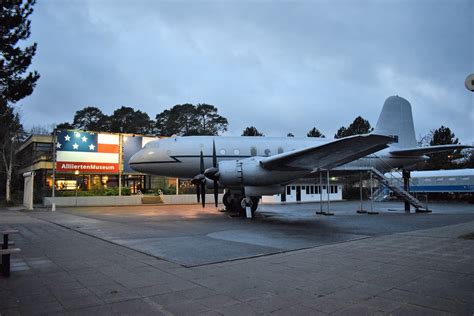
- 1948-1949: Berlin Blockade and Airlift – The Soviet Union blocked access to West Berlin, leading to a massive airlift by Western allies to supply the city.
- 1949: Formation of NATO – The North Atlantic Treaty Organization was established as a collective defense alliance among Western nations.
- 1950-1953: Korean War – A proxy war between communist North Korea (supported by China and USSR) and capitalist South Korea (backed by the U.S. and UN forces) ended in a stalemate.
Peak Cold War (1953-1962)
- 1953: Death of Stalin – The passing of Soviet leader Joseph Stalin led to a brief period of de-Stalinization under Nikita Khrushchev.
- 1955: Warsaw Pact Formation – The Soviet Union and its Eastern European allies established the Warsaw Pact as a counterbalance to NATO.
- 1957: Sputnik Launch – The Soviet Union launched Sputnik, the first artificial Earth satellite, igniting the Space Race.
- 1961: Construction of the Berlin Wall – East Germany erected the Berlin Wall to prevent citizens from fleeing to West Berlin, becoming a powerful symbol of the Cold War divide.
- 1962: Cuban Missile Crisis – The discovery of Soviet nuclear missiles in Cuba brought the world perilously close to nuclear war before a diplomatic resolution was achieved.
Détente Period (1962-1979)
- 1963: Nuclear Test Ban Treaty – The United States, Soviet Union, and United Kingdom agreed to prohibit nuclear weapon tests in the atmosphere, in outer space, and under water.
- 1972: Strategic Arms Limitation Treaty (SALT I) – The U.S. and USSR committed to limiting their strategic nuclear weapons, marking a significant step towards easing tensions.
- 1975: Helsinki Accords – A major diplomatic agreement that improved relations between the Communist bloc and the West, focusing on respect for human rights and economic cooperation.
- Improved US-China Relations – Diplomatic efforts led to the normalization of relations between the United States and the People's Republic of China, altering the global balance of power.
Renewed Hostility and the Second Cold War (1979-1985)
- 1979: Soviet Invasion of Afghanistan – The USSR intervened in Afghanistan to support the communist government, leading to a prolonged and costly conflict.
- 1980s: Reagan's Military Buildup – U.S. President Ronald Reagan significantly increased military spending and initiated the Strategic Defense Initiative (SDI), intensifying the arms race.
- 1983: NATO's Double-Track Decision – NATO decided to deploy intermediate-range nuclear missiles in Europe while continuing arms control negotiations with the USSR.
End of the Cold War (1985-1991)
- 1985: Rise of Mikhail Gorbachev – Gorbachev became the Soviet leader and introduced reforms aimed at restructuring the Soviet economy and society.
- 1989: Fall of the Berlin Wall – The dismantling of the Berlin Wall became a powerful symbol of the collapse of communist regimes in Eastern Europe.
- 1991: Dissolution of the Soviet Union – The Soviet Union officially disbanded, marking the definitive end of the Cold War.
Role of Key Leaders
United States Leaders
- Harry S. Truman: Initiated the Truman Doctrine and Marshall Plan, setting the foundation for U.S. containment policy against communism.
- Dwight D. Eisenhower: Promoted the policy of "massive retaliation" and oversaw significant developments in nuclear strategy.
- John F. Kennedy: Navigated the Cuban Missile Crisis, preventing nuclear war and advancing the U.S. commitment to the Space Race.
- Ronald Reagan: Advocated for increased military spending and a hardline stance against the USSR, playing a crucial role in the eventual end of the Cold War.
Soviet Union Leaders
- Joseph Stalin: Consolidated Soviet control over Eastern Europe post-WWII and initiated aggressive policies that heightened Cold War tensions.
- Nikita Khrushchev: Led the USSR during the Cuban Missile Crisis and initiated de-Stalinization, attempting to reform the Soviet system.
- Leonid Brezhnev: Oversaw a period of stagnation but maintained Soviet influence through the Warsaw Pact and détente efforts.
- Mikhail Gorbachev: Introduced significant reforms (Glasnost and Perestroika) that ultimately weakened Soviet control and led to the dissolution of the USSR.
Other Notable Leaders
-
Winston Churchill (UK): His "Iron Curtain" speech vividly articulated the division between Eastern and Western Europe, influencing Western policies.
-
Fidel Castro (Cuba): Played a central role in the Cuban Missile Crisis, aligning Cuba with the Soviet Union against the U.S.
-
Mao Zedong (China): His leadership strengthened communist movements and affected Sino-Soviet relations, impacting global Cold War dynamics.
Global Impact of the Cold War
Political Impact
The Cold War significantly shaped global political alliances and institutions. The formation of NATO and the Warsaw Pact solidified the division of Europe and established clear blocs of opposing ideologies. Additionally, the Cold War led to the creation and strengthening of international organizations such as the United Nations, which became arenas for diplomatic negotiations and conflict resolution.
Many nations, particularly in Asia, Africa, and Latin America, became battlegrounds for proxy wars, where the superpowers supported opposing sides to advance their own interests without engaging in direct conflict.
Economic Impact
The intense military and technological competition between the U.S. and USSR led to massive expenditures in defense and space programs. While Western economies leveraged this competition to drive technological innovation and economic growth, the Soviet Union struggled with the unsustainable costs of maintaining its military and supporting its allies, contributing to its eventual collapse.
Economic aid programs, such as the Marshall Plan, were pivotal in rebuilding war-torn Europe, fostering economic stability, and preventing the spread of communism by promoting prosperity and development.
Technological Advancements
The Cold War spurred significant technological innovations, particularly in the fields of aerospace, computing, and telecommunications. The Space Race, highlighted by events like the Soviet launch of Sputnik and the U.S. Apollo moon landings, pushed the boundaries of scientific research and technological development.
Advancements in satellite technology, nuclear energy, and cyber capabilities were direct outcomes of the competitive spirit of the Cold War, laying the groundwork for many modern technologies.
Proxy Wars
Numerous conflicts around the globe were influenced by Cold War rivalries, where the superpowers supported opposing factions to extend their influence. Notable proxy wars include the Korean War, Vietnam War, and the Soviet-Afghan War. These conflicts resulted in significant loss of life, economic disruption, and long-term regional instability.
Proxy wars also contributed to the rise of insurgent groups and contributed to political changes in various regions, often undermining local governance and complicating international relations.
Social and Cultural Impact
The pervasive fear of nuclear war influenced societal behaviors, leading to the construction of fallout shelters, widespread civil defense drills, and a general sense of anxiety during periods of heightened tension.
Propaganda and media were extensively used to shape public opinion and promote ideological values. Films, literature, and art from the Cold War era often reflected themes of espionage, patriotism, and the existential threat of nuclear conflict.
The competition also fostered a culture of innovation and resilience, inspiring advancements in education, particularly in the sciences, to support national security and technological superiority.
Technological and Scientific Race
Space Race
The Space Race was a crucial aspect of the Cold War, symbolizing the technological and ideological competition between the U.S. and USSR. Key milestones include:
| Year | Event |
|---|---|
| 1957 | Sputnik 1: The first artificial Earth satellite launched by the USSR. |
| 1961 | Yuri Gagarin: The first human in space, aboard Vostok 1. |
| 1969 | Apollo 11: NASA's successful Moon landing with astronauts Neil Armstrong and Buzz Aldrin. |
Nuclear Technology
The development of nuclear technology was central to Cold War dynamics. Both superpowers invested heavily in nuclear arsenals, leading to the proliferation of nuclear weapons. Efforts to control nuclear arms resulted in treaties such as the Nuclear Test Ban Treaty and the Strategic Arms Limitation Treaty (SALT I), which aimed to prevent nuclear escalation and reduce the threat of nuclear war.
Cyber and Intelligence Technologies
Espionage and intelligence-gathering were critical components of the Cold War. Both the U.S. and USSR developed sophisticated intelligence agencies, such as the CIA and KGB, which employed advanced technologies for surveillance, cryptography, and cyber operations. The competition in intelligence allowed for significant advancements in these fields, influencing modern cybersecurity practices.
Conclusion
The Cold War was a defining period of the 20th century, characterized by intense geopolitical rivalry, ideological conflicts, and technological competitions between the United States and the Soviet Union. Its legacy is evident in the current global political landscape, technological advancements, and the enduring influence of the superpower dynamics established during this era.
The Cold War not only shaped international relations and national policies but also left an indelible mark on culture, society, and technology. Understanding this period is crucial for comprehending the complexities of modern geopolitics and the ongoing implications of the strategies and decisions made during these decades of tension and competition.
References
Last updated January 19, 2025