
Transformer: An In-Depth Exploration
Understanding the Core Component of Modern Electrical Systems
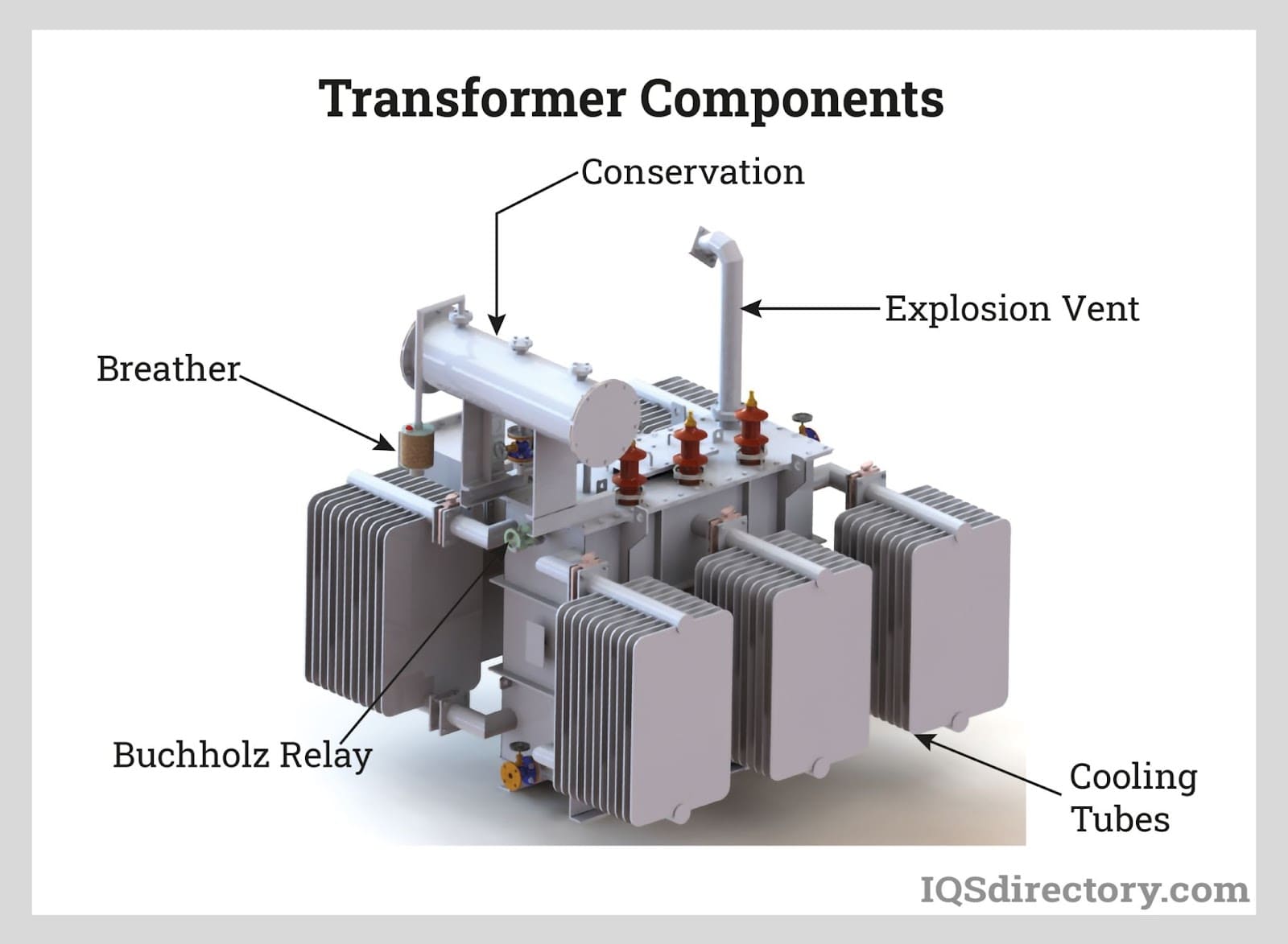
Key Takeaways
- Essential for Power Distribution: Transformers are pivotal in stepping voltage levels up or down, ensuring efficient power transmission and safe usage.
- Variety of Types and Applications: From household appliances to industrial machinery, transformers come in various forms tailored to specific needs.
- Fundamental Principles: Operate based on electromagnetic induction, relying on primary and secondary coils and a magnetic core to transfer energy.
Introduction to Transformers
Transformers are indispensable components in the realm of electrical engineering, facilitating the efficient transfer and regulation of electrical energy across various applications. By leveraging the principles of electromagnetic induction, transformers enable the modification of voltage levels in alternating current (AC) systems without altering the frequency, thereby ensuring the seamless distribution of power from generation sources to end consumers.
Fundamental Principles of Transformer Operation
Electromagnetic Induction
The operation of a transformer is grounded in Faraday's law of electromagnetic induction. When an alternating current flows through the primary winding, it generates a time-varying magnetic field within the transformer's core. This fluctuating magnetic flux induces an electromotive force (EMF) in the secondary winding, facilitating the transfer of electrical energy from the primary to the secondary circuit without direct electrical connection.
Primary and Secondary Coils
A transformer comprises two main coils of wire: the primary coil and the secondary coil. The primary coil receives the input voltage, creating a magnetic field as current flows through it. The secondary coil, immersed in this magnetic field, induces an output voltage proportional to the turns ratio between the two coils. The relationship between the number of turns in the primary (N₁) and secondary (N₂) coils dictates whether the transformer is a step-up or step-down type.
The Magnetic Core
The core of a transformer serves as a conduit for the magnetic flux generated by the primary coil. Typically constructed from laminated silicon steel to minimize energy losses due to eddy currents, the core enhances the efficiency of the transformer by providing a low-reluctance path for the magnetic field. Proper core design is crucial for optimizing transformer performance, reducing heat generation, and ensuring longevity.
Types of Transformers
Step-Up and Step-Down Transformers
Step-Up Transformers
Step-up transformers increase the voltage from the primary to the secondary coil. This is achieved by having a greater number of turns in the secondary winding compared to the primary. They are predominantly used in power plants to elevate voltage levels for efficient long-distance transmission, thereby minimizing energy losses.
Step-Down Transformers
Conversely, step-down transformers reduce the voltage from the primary to the secondary coil by having fewer turns in the secondary winding. These are commonly employed in residential and commercial settings to deliver safe and usable voltage levels for everyday appliances and devices.
Isolation Transformers
Isolation transformers provide electrical isolation between the primary and secondary circuits, enhancing safety by preventing direct electrical connection. They are instrumental in protecting sensitive equipment from voltage spikes and reducing electrical noise, thereby ensuring stable operation in medical devices, laboratory instruments, and audio equipment.
Autotransformers
Autotransformers feature a single winding that serves both as the primary and secondary coil, providing a variable taps for voltage adjustment. They are more compact and cost-effective compared to traditional two-coil transformers but offer less electrical isolation. Autotransformers are used in applications like voltage regulation and motor starting, where compact size and efficiency are paramount.
Specialized Transformers
Toroidal Transformers
Toroidal transformers have a donut-shaped core, offering enhanced efficiency and reduced electromagnetic interference. Their compact design makes them ideal for use in audio electronics, medical equipment, and space-constrained environments.
Three-Phase Transformers
Designed for three-phase electrical systems, these transformers handle higher power levels and are integral to industrial power distribution and large-scale electrical infrastructure. They facilitate balanced load distribution and efficient energy transfer within industrial settings.
Core Components of a Transformer
Primary Coil
The primary coil is the entry point for electrical energy into the transformer. It is connected to the power source and is responsible for generating the magnetic field essential for inducing voltage in the secondary coil.
Secondary Coil
The secondary coil is where the transformed voltage emerges. Depending on the design and application, it either steps up or steps down the voltage relative to the primary coil. The secondary coil's electrical characteristics determine the suitability of the transformer for specific applications.
Magnetic Core
The magnetic core, typically composed of laminated silicon steel, serves as the medium through which the magnetic flux travels from the primary to the secondary coil. Its material and construction are optimized to minimize energy losses and enhance the transformer's overall efficiency.
Insulation Materials
Insulation materials are employed to prevent electrical short circuits and ensure safe operation by separating the primary and secondary windings. High-quality insulation is essential for maintaining transformer integrity, especially under high-voltage conditions.
Operational Mechanism
Electromagnetic Induction Process
When alternating current flows through the primary coil, it creates a time-varying magnetic field within the core. This changing magnetic field induces a voltage in the secondary coil proportional to the turns ratio. The fundamental relationship governing this process is expressed by the equation:
V₁/V₂ = N₁/N₂
Where:
- V₁ = Primary voltage
- V₂ = Secondary voltage
- N₁ = Number of turns in the primary coil
- N₂ = Number of turns in the secondary coil
Energy Transfer Efficiency
Transformers are highly efficient devices, often achieving efficiency rates above 95%. Factors influencing efficiency include core material quality, winding precision, and minimization of energy losses due to hysteresis and eddy currents. Proper design and maintenance are critical to sustaining high efficiency and prolonging transformer lifespan.
Applications of Transformers
Power Transmission and Distribution
Transformers play a crucial role in the electrical power grid by adjusting voltage levels for optimal transmission. Step-up transformers elevate voltage for long-distance travel, reducing current flow and minimizing energy loss. Upon reaching distribution centers, step-down transformers reduce voltage to safe levels suitable for residential and commercial use.
Household and Consumer Electronics
Within homes, transformers are integrated into a myriad of devices to ensure appropriate voltage levels. Items such as telephone chargers, power adapters, and televisions utilize transformers to convert mains electricity to the necessary operational voltages, ensuring safe and reliable performance.
Industrial Machinery and Equipment
Industries rely on transformers to supply specific voltage requirements for heavy machinery, manufacturing equipment, and specialized tools. Transformers ensure that machinery operates efficiently and safely by providing consistent and regulated power tailored to industrial needs.
Renewable Energy Systems
With the rise of renewable energy sources like solar and wind power, transformers are essential in adapting the generated electricity to grid-compatible voltages. They facilitate the integration of renewable energy into existing power infrastructure, promoting sustainable energy utilization.
Transportation and Electric Traction
Electric trains, subways, and other forms of electric traction systems employ transformers to manage voltage levels required for propulsion and onboard systems. Transformers ensure the reliable operation of transportation networks by maintaining appropriate voltage specifications.
Design Considerations
Material Selection
The choice of materials for the core and windings significantly impacts transformer performance. High-grade silicon steel is favored for cores due to its magnetic properties and low energy loss characteristics. Copper or aluminum are commonly used for windings, balancing conductivity and cost considerations.
Cooling Mechanisms
Transformers generate heat during operation, necessitating effective cooling systems to prevent overheating and ensure longevity. Common cooling methods include:
-
Natural Air Cooling: Relies on ambient air movement to dissipate heat.
-
Forced Air Cooling: Utilizes fans to enhance air circulation around the transformer.
-
Oil-Immersed Cooling: Employs mineral oil to absorb and transfer heat away from the core and windings.
Insulation and Safety
Robust insulation systems are paramount to prevent short circuits and electrical hazards. Insulation materials must withstand operational temperatures and electrical stresses. Safety standards and regulations dictate the minimum requirements for transformer design to ensure user and equipment protection.
Advantages and Benefits
Efficiency and Reliability
Transformers boast high efficiency rates, often exceeding 98%, making them reliable components in electrical systems. Their ability to maintain consistent performance under varying load conditions contributes to the stability and dependability of power distribution networks.
Voltage Regulation
Transformers provide precise voltage adjustments, ensuring that electrical devices receive power within their specified voltage ranges. This regulation is critical for the safe and optimal functioning of electronic appliances, industrial machinery, and sensitive equipment.
Scalability and Versatility
Transformers are adaptable to a wide range of applications and power levels, from small-scale electronic devices to large industrial installations. Their scalable design allows for customization to meet specific voltage and current requirements, enhancing their versatility across different sectors.
Economic and Environmental Impact
By enabling efficient power transmission and reducing energy losses, transformers contribute to cost savings and lower operational expenses in power distribution systems. Additionally, their role in integrating renewable energy sources supports environmental sustainability by facilitating the transition to greener energy solutions.
Challenges and Considerations
Energy Losses
Despite high efficiency, transformers are susceptible to energy losses due to hysteresis and eddy currents in the core, as well as resistive heating in the windings. Minimizing these losses through advanced materials and design enhancements is an ongoing focus in transformer engineering.
Thermal Management
Effective thermal management is critical to prevent overheating, which can degrade transformer components and reduce lifespan. Implementing efficient cooling systems and selecting appropriate materials are essential strategies for maintaining optimal operating temperatures.
Maintenance and Longevity
Transformers require regular maintenance to ensure continued performance and to identify potential issues before they escalate. Proper upkeep involves monitoring insulation integrity, checking cooling systems, and conducting routine inspections to extend transformer lifespan and reliability.
Innovations and Future Trends
Advanced Materials
Research into novel materials, such as amorphous steel cores and high-conductivity conductors, aims to further enhance transformer efficiency and reduce energy losses. These materials offer improved magnetic properties and lower resistive losses, contributing to more sustainable transformer designs.
Smart Transformers
The integration of smart technologies into transformers facilitates real-time monitoring and diagnostics. Smart transformers are equipped with sensors and communication capabilities, enabling proactive maintenance, enhanced reliability, and optimized performance within modern smart grids.
Eco-Friendly Designs
Environmental considerations drive the development of transformers with lower ecological footprints. This includes the use of biodegradable insulating fluids, recyclable materials, and energy-efficient manufacturing processes, aligning transformer technology with global sustainability goals.
Integration with Renewable Energy
As the adoption of renewable energy sources grows, transformers are evolving to better integrate diverse and decentralized power generation systems. Innovations in transformer design support the seamless incorporation of solar, wind, and other renewable energy into existing power infrastructures.
Comparative Analysis of Transformer Types
| Type of Transformer | Main Function | Applications | Advantages | Disadvantages |
|---|---|---|---|---|
| Step-Up Transformer | Increases voltage from primary to secondary coil. | Power transmission, industrial applications. | Efficient for long-distance power distribution. | Higher cost due to more windings. |
| Step-Down Transformer | Decreases voltage from primary to secondary coil. | Residential power supply, consumer electronics. | Provides safe voltage levels for end-users. | Consumes more power at high loads. |
| Isolation Transformer | Provides electrical isolation between circuits. | Medical equipment, sensitive electronics. | Enhances safety and reduces electrical noise. | Higher cost and larger size. |
| Autotransformer | Adjusts voltage with a single winding serving both coils. | Voltage regulation, motor starting. | Compact and cost-effective. | Lack of electrical isolation. |
| Toroidal Transformer | Operates with a donut-shaped core for higher efficiency. | Audio electronics, medical devices. | Reduced electromagnetic interference. | More expensive manufacturing process. |
| Three-Phase Transformer | Handles three-phase electrical systems for higher power levels. | Industrial power distribution, large-scale electrical grids. | Efficient for high power applications. | Complex design and higher cost. |
Maintenance and Troubleshooting
Routine Inspections
Regular inspections are vital to identify signs of wear, overheating, or insulation degradation. Visual checks for corrosion, oil leaks, and physical damage, combined with thermal imaging, can help detect potential issues before they escalate.
Electrical Testing
Performing electrical tests such as ratio tests, insulation resistance tests, and load tests ensures that the transformer operates within specified parameters. These tests help in assessing the transformer's health and identifying anomalies in performance.
Preventive Maintenance
Implementing preventive maintenance strategies, including timely oil replacement, cleaning of cooling systems, and tightening of electrical connections, can significantly prolong transformer lifespan and enhance reliability. Predictive maintenance using advanced monitoring technologies is also gaining prominence.
Economic Impact of Transformers
Cost Considerations
Transformers represent a significant investment in both initial procurement and ongoing maintenance. Balancing cost with efficiency and reliability is crucial for utilities and industries aiming to optimize operational expenses while ensuring robust power infrastructure.
Return on Investment
High-efficiency transformers contribute to reduced energy losses, translating to cost savings over the transformer's operational life. Investing in quality transformers with superior materials and design can yield substantial returns by enhancing system efficiency and minimizing downtime.
Global Market Trends
The global demand for transformers is influenced by factors such as urbanization, industrial growth, and the adoption of renewable energy sources. Emerging markets present significant opportunities for transformer manufacturers, driven by infrastructure development and expanding power distribution networks.
Environmental Considerations
Energy Efficiency
Improving transformer energy efficiency is critical for reducing overall energy consumption and minimizing greenhouse gas emissions. Advanced designs and materials that lower core and winding losses contribute to more sustainable power systems.
Eco-Friendly Materials
Adopting environmentally friendly materials, such as biodegradable insulating oils and recyclable core laminations, aligns transformer manufacturing with global sustainability goals. These practices reduce environmental impact and support the circular economy model.
Regulatory Compliance
Compliance with environmental regulations and standards ensures that transformer operations do not adversely affect ecosystems and human health. Adhering to guidelines on emissions, waste management, and material usage is essential for responsible transformer deployment.
Future Outlook
Smart Grid Integration
The evolution of smart grids necessitates transformers that are capable of real-time monitoring and adaptive voltage regulation. Smart transformers equipped with sensors and communication interfaces enhance grid resilience and facilitate the integration of diverse energy sources.
Advancements in Transformer Technology
Ongoing research into transformer technology focuses on enhancing efficiency, reducing size and weight, and improving thermal management. Innovations such as solid-state transformers are emerging, offering greater control and flexibility in power distribution systems.
Renewable Energy Integration
As the shift towards renewable energy accelerates, transformers are being designed to handle fluctuating power inputs and integrate seamlessly with solar, wind, and other renewable energy systems. This integration supports the transition to a more sustainable and decentralized energy landscape.
Conclusion
Transformers are the backbone of modern electrical systems, enabling efficient power transmission and distribution across vast distances and varied applications. Their ability to adjust voltage levels seamlessly ensures the reliable operation of everything from household appliances to industrial machinery. As technological advancements continue to enhance transformer efficiency and integrate smart functionalities, their role in supporting sustainable and resilient power infrastructures becomes increasingly vital. Understanding the principles, types, and applications of transformers is essential for harnessing their full potential in an ever-evolving energy landscape.
References
Last updated February 1, 2025