
Exploring Wellness Tourism in 2025: A Comprehensive Guide
Discover the rejuvenating world of wellness tourism, its benefits, trends, and top destinations for 2025.
Key Highlights of Wellness Tourism in 2025
- Growing Popularity: Wellness tourism is experiencing significant growth, driven by an increasing desire for health-inspired vacations and holistic well-being.
- Diverse Benefits: It offers a wide array of benefits, including physical fitness, mental clarity, emotional healing, and long-term healthy lifestyle habits.
- Economic Impact: Wellness tourism boosts local economies by driving demand for services, creating jobs, and supporting infrastructure development.
What is Wellness Tourism?
Wellness tourism is defined as travel specifically undertaken to improve one's physical and mental health. It represents the intersection of the tourism and wellness industries, catering to individuals who prioritize holistic health and preventive care while traveling. This form of tourism goes beyond mere relaxation, offering transformative experiences that nurture the body, mind, and soul.
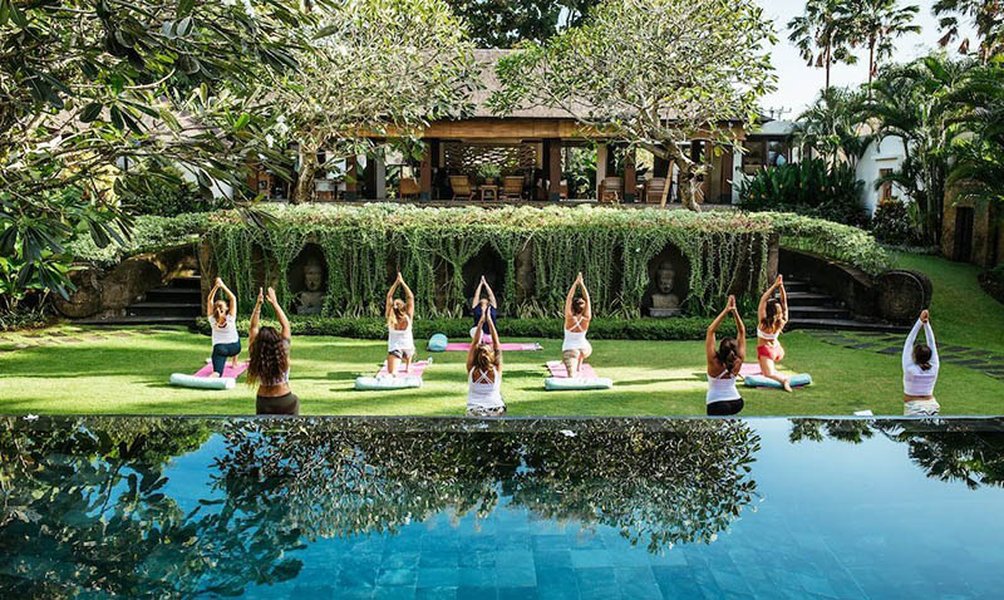
Yoga retreat in Bali, a popular wellness tourism destination.
The Historical Roots of Wellness Tourism
The concept of wellness tourism is not new. Ancient civilizations recognized the therapeutic benefits of practices like sacred temple baths and mineral thermal springs. The ancient Greeks built Asclepion Temples, considered the world’s first health centers, offering cures for various ailments. Today, many wellness activities draw inspiration from these ancient practices, such as visiting holy hot springs or traveling to sacred places for healing.
The Surge in Popularity Post-Pandemic
The COVID-19 pandemic significantly boosted the popularity of wellness tourism. As people sought unconventional ways to care for their health, the trend of linking travel with well-being gained momentum. This surge reflects a broader shift towards prioritizing personal well-being and health-inspired travel experiences.
Benefits of Wellness Tourism
Wellness tourism offers a wide range of benefits that extend beyond the typical vacation experience. These benefits encompass physical, mental, emotional, and even economic aspects.
Physical Health Benefits
Wellness retreats and activities often include practices that improve physical fitness, flexibility, and overall health. These may include:
- Yoga and Pilates: Improve flexibility, build muscle, and enhance physical fitness.
- Hiking and Outdoor Activities: Provide opportunities for exercise in natural settings, boosting cardiovascular health.
- Spa Therapies: Alleviate pain, enhance blood circulation, relieve muscle tension, and promote relaxation through thermal baths, hydrotherapy, and massage.
- Plant-Based Diets: Support overall health through nutritious and organic food options commonly offered at wellness retreats.
Mental and Emotional Well-being
The serene environments and focused activities of wellness tourism can significantly enhance mental and emotional health:
- Stress Reduction: Provides an escape from daily stressors, helping to reduce anxiety and promote relaxation.
- Improved Cognitive Function: Peaceful environments and slow pace enhance focus and mental clarity.
- Emotional Healing: Supportive environments in wellness retreats help travelers reconnect with themselves and heal emotionally.
- Mindfulness and Meditation: Practices like mindfulness meditation and yoga promote mental clarity and emotional balance.
Long-Term Health Improvements
Wellness retreats often equip travelers with habits and practices that contribute to healthier lifestyles long after the vacation ends. This lasting impact sets wellness tourism apart from standard holidays.
Unexpected Benefits
Beyond the obvious perks of relaxation and rejuvenation, wellness tourism offers several less-expected benefits, including:
- Boosted Immunity: Activities and therapies can enhance the body's natural defenses.
- Cultural Enrichment: Exposure to new cultures and practices broadens perspectives and enhances personal growth.
- Personal Growth: Wellness retreats provide opportunities to try new things and reflect on personal well-being.
Economic Impact of Wellness Tourism
Wellness tourism is a powerful economic force, driving revenue generation, job creation, and infrastructure development in various destinations.
Revenue Generation
Wellness tourism significantly benefits local economies by driving demand for accommodations, restaurants, wellness centers, and other related services.
Job Creation
The growth of wellness tourism leads to the creation of new jobs across various sectors, from hospitality workers to wellness practitioners.
Infrastructure Development
To accommodate the rising demand, destinations invest in the construction of state-of-the-art wellness centers, retreat facilities, and eco-friendly accommodations. This development enhances the attractiveness of the destination and boosts the local construction industry.
Destination Branding
Successful wellness tourism initiatives contribute to a destination's branding efforts, generating positive word-of-mouth marketing and attracting repeat visitors. This increased visibility benefits wellness-related businesses and stimulates other sectors such as hospitality, transportation, and retail.
Wellness Tourism Trends in 2025
Several key trends are shaping the wellness tourism landscape in 2025, reflecting evolving consumer preferences and a deeper understanding of holistic well-being.
Personalized Wellness Plans
Many retreats are moving towards offering personalized wellness plans tailored to individual needs and goals. These plans may include customized fitness routines, dietary guidelines, and therapy sessions.
Sustainable and Eco-Friendly Practices
There is a growing emphasis on sustainability and eco-friendly accommodations. Travelers are increasingly seeking accommodations that minimize environmental impact and support local communities.
Integration of Technology
Cutting-edge science and technology are being integrated into wellness retreats, offering advanced treatments and biohacking techniques. This includes rooms designed for optimal sleep and the latest in health-monitoring devices.
Focus on Mental Wellness
With increasing awareness of mental health, retreats are incorporating programs that address stress, anxiety, and emotional well-being. These programs often include mindfulness practices, meditation, and therapeutic activities.
Top Wellness Retreat Destinations for 2025
Numerous destinations around the world are recognized for their exceptional wellness offerings. Here are some notable locations and retreats to consider in 2025:
United States
The USA is home to a vast number of health and wellness centers, offering a wide range of activities such as yoga, meditation, fitness, and detox programs.
- The Ranch Hudson Valley: Offers guided wellness programs prioritizing fitness, nourishing meals, and relaxation.
- Miraval Arizona: Known for its comprehensive wellness programs and serene desert setting.
- Canyon Ranch: Provides tailored experiences with options for specific wellness goals and intensive deep dives.
Europe
Europe boasts a rich history of wellness practices, with destinations like Switzerland and Italy offering unique experiences.
- Switzerland: Renowned for its sanatoriums offering fresh Alpine air and therapeutic climates.
- Hotel Quelle Nature Spa Resort (Italy): Offers luxurious wellness amid the Dolomites, with a focus on natural therapies.
Asia
Asia is a popular destination for wellness tourism, with countries like Bali and India offering a blend of ancient healing practices and modern therapies.
- Bali: Known for its lush jungles and holistic healing retreats, such as COMO Shambhala Estate.
- India: Blends ancient healing practices with modern wellness trends, supported by the AYUSH Visa for exploring Ayurvedic treatments and yoga retreats.
- Ananda in the Himalayas (India): Offers Ayurveda, yoga, meditation, and detox programs in a serene mountain setting.
Other Notable Destinations
- Kamalaya Koh Samui (Thailand): Offers comprehensive wellness programs in a tranquil island setting.
- SHA Mexico: A science-driven facility staffed by physicians, dietitians, and fitness experts.
- The Retreat at Blue Lagoon (Iceland): Combines geothermal hot springs with luxury spa treatments.
Types of Wellness Retreats
Wellness retreats come in various forms, each catering to specific needs and preferences. Here are some common types:
Spa Retreats
These retreats focus on relaxation and rejuvenation through spa treatments such as massages, facials, and hydrotherapy.
Fitness Retreats
Fitness retreats emphasize physical activity and exercise, offering programs like hiking, cycling, and personal training.
Yoga and Meditation Retreats
These retreats center around practices like yoga, meditation, and mindfulness, promoting mental clarity and emotional balance.
Detox Retreats
Detox retreats aim to cleanse the body and mind through specialized diets, therapies, and activities.
Luxury Wellness Retreats
These retreats combine wellness programs with high-end accommodations, gourmet cuisine, and personalized services. They offer a transformative experience in a luxurious setting.
Choosing the Right Wellness Retreat
Selecting the perfect wellness retreat depends on individual goals, preferences, and needs. Here are some tips to help you find the best fit:
- Define Your Goals: Determine what you hope to achieve from the retreat, whether it's stress reduction, fitness improvement, or emotional healing.
- Consider Your Preferences: Think about your preferred activities, environment, and level of luxury.
- Read Reviews: Look for feedback from other travelers to get an idea of the retreat's quality and effectiveness.
- Check the Program: Ensure the retreat offers programs and activities that align with your goals and interests.
- Evaluate the Location: Choose a location that appeals to you, whether it's a serene mountain setting, a tranquil beach, or a lush forest.
Global Wellness Tourism Market
The wellness tourism market is experiencing substantial growth and is projected to continue expanding in the coming years.
Market Size and Growth
The global wellness tourism market was valued at $451 billion and is projected to reach an impressive $1 trillion by 2030. This growth is driven by increasing awareness of the benefits of wellness tourism and a rising demand for health-inspired travel experiences.
Key Market Drivers
Several factors are contributing to the growth of the wellness tourism market:
- Escalating Health Costs: People are seeking preventive approaches to healthcare, leading to increased interest in wellness tourism.
- Demographic and Lifestyle Trends: An aging population and a greater emphasis on healthy lifestyles are driving demand for wellness travel.
- Increased Awareness: Growing awareness of the benefits of wellness tourism is attracting more travelers.
Market Segmentation
The wellness tourism market can be segmented based on various factors, including:
- Type of Activity: Spa treatments, fitness programs, yoga and meditation, and detox programs.
- Destination: Regions and countries known for their wellness offerings, such as the United States, Europe, and Asia.
- Traveler Type: Individuals, couples, families, and groups.
The Future of Wellness Tourism
The future of wellness tourism looks promising, with continued growth and innovation expected in the coming years. As more people prioritize their health and well-being, wellness tourism will likely become an even more integral part of the travel industry.
Emerging Trends
- Digital Detox: Retreats offering a complete digital detox are becoming increasingly popular, allowing guests to disconnect from technology and reconnect with themselves and nature.
- Rewilding: Experiences that focus on reconnecting with nature through outdoor activities and immersive experiences.
- Personalized Nutrition: Programs that offer tailored dietary plans based on individual needs and preferences.
Challenges and Opportunities
While wellness tourism offers numerous benefits, there are also challenges to consider:
-
Maintaining Authenticity: Ensuring that wellness offerings are genuine and not simply marketing gimmicks.
-
Addressing Accessibility: Making wellness tourism more accessible to a wider range of travelers, regardless of their budget or physical abilities.
-
Promoting Sustainability: Minimizing the environmental impact of wellness tourism and supporting local communities.
Despite these challenges, the opportunities for growth and innovation in wellness tourism are vast. By addressing these challenges and embracing emerging trends, the wellness tourism industry can continue to thrive and positively impact the health and well-being of travelers worldwide.
Examples of Wellness Tourism Activities
The following table illustrates examples of activities that fall under wellness tourism, categorized by their primary focus:
| Category | Activity | Description | Benefits |
|---|---|---|---|
| Physical Wellness | Yoga Retreat | Immersive yoga sessions in a serene environment | Improved flexibility, strength, and mindfulness |
| Mental Wellness | Meditation Workshop | Guided meditation and mindfulness exercises | Reduced stress, improved focus, and emotional balance |
| Spa & Relaxation | Thermal Bathing | Soaking in natural hot springs | Muscle relaxation, pain relief, and enhanced circulation |
| Nutrition | Cooking Class | Learning to prepare healthy, plant-based meals | Improved dietary habits and nutritional knowledge |
| Nature Immersion | Guided Forest Bathing | Walking and engaging senses in a forest environment | Reduced stress, improved mood, and enhanced immunity |
FAQ
What are the main benefits of wellness tourism?
Wellness tourism offers numerous benefits, including physical fitness improvements, mental clarity, emotional healing, stress reduction, and the adoption of long-term healthy lifestyle habits.
How has the pandemic influenced wellness tourism?
The COVID-19 pandemic significantly increased the popularity of wellness tourism as people sought new ways to prioritize their health and well-being.
What are some popular wellness tourism destinations?
Popular destinations include the United States, Switzerland, Bali, and India, each offering unique wellness experiences and programs.
What types of activities are common in wellness retreats?
Common activities include yoga, meditation, spa treatments, fitness programs, cooking classes, and nature immersion experiences.
What is the economic impact of wellness tourism?
Wellness tourism drives revenue generation, job creation, and infrastructure development in local economies, contributing to overall socioeconomic growth.
References
Last updated April 13, 2025