
Why Highlighting Dimensions of Wellness is Crucial in Wellness Hotels
Enhancing Guest Experience and Market Position through Comprehensive Wellness Strategies
Key Takeaways
- Comprehensive Wellness Enhances Guest Satisfaction and Loyalty: Addressing multiple dimensions of wellness ensures guests receive a holistic experience, fostering satisfaction and repeat visits.
- Differentiation in Competitive Market Attracts Targeted Guests: Clearly highlighting wellness dimensions sets the hotel apart from competitors, attracting a niche market seeking specialized wellness services.
- Strategic Operational Focus Improves Business Efficiency and Growth: Emphasizing wellness dimensions guides operational and design decisions, leading to optimized resource use and sustained business growth.
Comprehensive Wellness Experience
Multidimensional Approach to Guest Well-being
Wellness is a multifaceted concept that transcends mere physical health. By highlighting various dimensions such as physical, mental, emotional, spiritual, social, and environmental wellness, hotels can offer a holistic experience that caters to the diverse needs of their guests. This comprehensive approach ensures that all aspects of a guest's well-being are addressed, leading to a more meaningful and fulfilling stay.
Physical Wellness
Physical wellness involves activities that enhance the body's health and fitness. Wellness hotels often provide state-of-the-art fitness facilities, personalized training sessions, yoga classes, and healthy dining options. These offerings help guests maintain their fitness routines, recover from physical stress, and achieve their health goals.
Mental and Emotional Wellness
Mental and emotional wellness focuses on stress management, relaxation, and mental clarity. Amenities such as meditation rooms, mindfulness workshops, art therapy sessions, and counseling services are integral to supporting guests' mental health. By providing these resources, hotels help guests unwind, reduce anxiety, and achieve a state of mental equilibrium.
Spiritual and Social Wellness
Spiritual wellness encompasses activities that provide a sense of purpose and connection, such as guided meditation, spiritual retreats, and holistic healing sessions. Social wellness fosters a sense of community through group activities, social gatherings, and communal spaces. These dimensions ensure that guests not only focus on individual well-being but also build meaningful connections with others.
Environmental Wellness
Environmental wellness emphasizes the importance of surroundings in promoting well-being. This includes eco-friendly initiatives, access to nature, sustainable practices, and serene landscapes within the hotel premises. By creating a harmonious and sustainable environment, hotels enhance the overall wellness experience and contribute to guests' mental and physical health.
Meeting and Exceeding Guest Expectations
Enhancing Guest Satisfaction and Loyalty
Today's wellness travelers are more informed and proactive about their health and well-being. By clearly highlighting various dimensions of wellness, hotels can meet and exceed these sophisticated expectations. Satisfied guests are more likely to return and recommend the hotel to others, fostering loyalty and generating positive word-of-mouth.
Personalization of Services
Personalization is key to meeting diverse wellness needs. Hotels can offer tailored wellness programs that cater to individual preferences, whether guests are seeking intense physical fitness routines, deep relaxation, spiritual enrichment, or social engagement. This personalized approach enhances the guest experience, making each stay unique and memorable.
Long-term Well-being and Education
Wellness hotels often aim to educate guests on maintaining a healthy lifestyle beyond their stay. By providing workshops, informational resources, and wellness seminars, hotels empower guests with knowledge and strategies to incorporate wellness practices into their daily lives. This educational aspect contributes to the guests' long-term well-being and strengthens their connection to the hotel.
Market Differentiation and Competitive Advantage
Setting the Hotel Apart in a Crowded Market
The hospitality industry is highly competitive, particularly within the wellness niche. By effectively highlighting multiple dimensions of wellness, hotels can differentiate themselves from standard accommodations. This differentiation serves as a unique selling point, attracting guests who prioritize a comprehensive wellness experience over traditional hotel amenities.
Unique Selling Points (USPs)
Wellness dimensions act as distinct USPs that can attract a targeted audience. For instance, a hotel that emphasizes spiritual and environmental wellness can appeal to eco-conscious travelers and those seeking spiritual growth. These unique offerings help the hotel stand out, making it a preferred choice for wellness-focused guests.
Revenue Generation through Wellness Services
Offering a wide range of wellness services, such as spa treatments, fitness programs, and healthy dining options, can significantly boost a hotel's revenue. Guests are often willing to pay a premium for specialized wellness experiences that contribute to their overall health and well-being.
Health and Well-being Benefits
Promoting Comprehensive Health Outcomes
Highlighting various dimensions of wellness helps guests understand the specific health benefits they can gain from their stay. Environmental wellness, for example, might include access to nature and green spaces, which have been shown to improve mental health and reduce stress levels. By clearly communicating these benefits, hotels can attract health-conscious travelers seeking meaningful wellness experiences.
Enhanced Healing and Stress Relief
Wellness initiatives that focus on emotional and mental dimensions, such as meditation, mindfulness sessions, and art therapy, help guests manage stress and promote overall emotional healing. These targeted services contribute to improved mental health and greater overall satisfaction.
Long-term Health and Personal Growth
A comprehensive wellness approach offers guests experiences that extend beyond temporary relaxation. By providing tools and practices for long-term health and personal growth, hotels contribute to the guests' sustained well-being and quality of life.
Operational and Design Focus
Guiding Strategic Decisions for Enhanced Wellness Offerings
Understanding and emphasizing wellness dimensions can significantly influence a hotel's operational and design strategies. Whether it's developing state-of-the-art fitness facilities, creating serene meditation spaces, or implementing sustainable practices, a focus on wellness ensures that resources are allocated effectively to enhance the guest experience.
Wellness-focused Design and Architecture
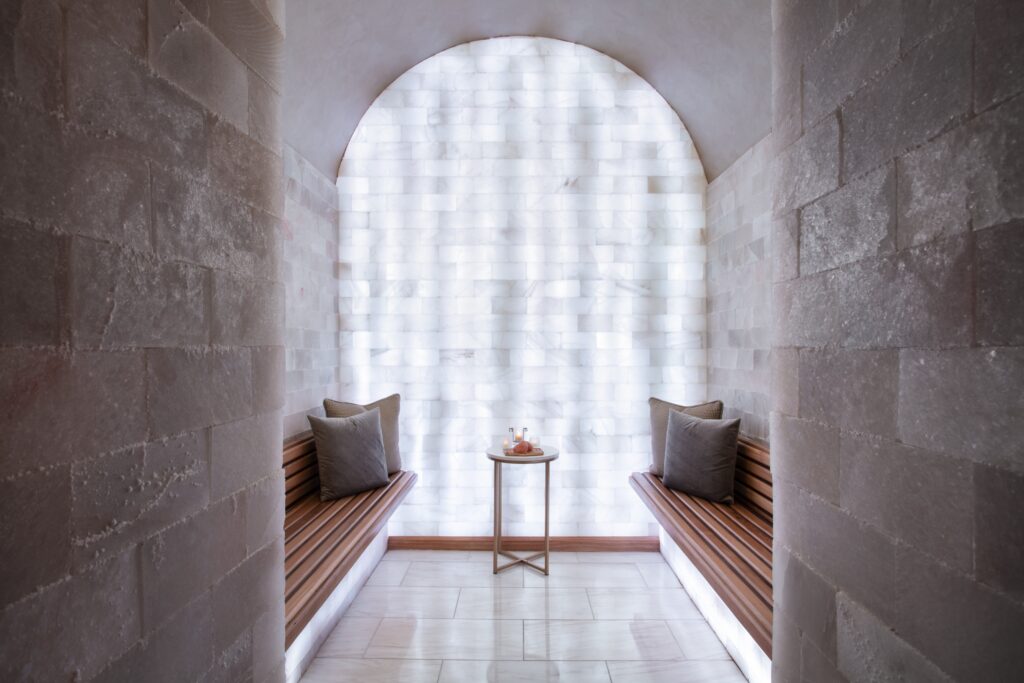
Incorporating biophilic design elements, such as natural lighting, green spaces, and sustainable materials, can create a soothing and health-promoting environment. These design choices not only enhance the aesthetic appeal of the hotel but also contribute to the physical and mental well-being of both guests and staff.
Staff Wellness and Productivity
A focus on wellness extends to the hotel's staff as well. Providing wellness programs for employees can improve their morale and productivity, leading to better service delivery and a more positive overall atmosphere within the hotel.
Quantitative Measurement and Continuous Improvement
Assessing and Enhancing Wellness Offerings
Using tools like the Scale of Wellness Hotel Amenities (SWHA), hotels can quantitatively measure their wellness offerings. This enables them to assess their performance, identify areas for improvement, and continuously enhance their wellness services. Regular evaluation ensures that the hotel remains aligned with guest needs and market trends.
Performance Metrics and Feedback
Implementing performance metrics and collecting guest feedback are essential for understanding the effectiveness of wellness programs. By analyzing data and responding to guest input, hotels can make informed decisions to refine their wellness strategies, ensuring that they consistently meet and exceed guest expectations.
Building a Wellness Community
Fostering Connections and Sustained Engagement
Emphasizing multiple dimensions of wellness fosters an environment of support and community among guests. Group activities, social gatherings, and communal spaces encourage guests to share their wellness journeys, creating a sense of belonging and ongoing mutual support. This community-building aspect not only enhances the guest experience but also promotes sustainable lifestyle changes.
Networking and Support Systems
Wellness communities within hotels provide guests with opportunities to network, share experiences, and support each other's wellness goals. This sense of community can lead to lasting relationships and a strong emotional connection to the hotel, encouraging repeat visits and long-term loyalty.
Dimensions of Wellness and Hotel Services
| Dimension of Wellness | Corresponding Hotel Services |
|---|---|
| Physical | Fitness centers, personal training, yoga classes, healthy dining options |
| Mental | Meditation rooms, mindfulness workshops, mental health counseling |
| Emotional | Art therapy sessions, emotional wellness workshops, stress management programs |
| Spiritual | Spiritual retreats, guided meditation, holistic healing sessions |
| Social | Group activities, social gatherings, communal spaces |
| Environmental | Eco-friendly initiatives, access to nature, biophilic design elements |
Conclusion
Highlighting the dimensions of wellness in a wellness hotel context is essential for delivering a comprehensive and satisfying experience that addresses the diverse needs of guests. By adopting a multidimensional approach to wellness, hotels can enhance guest satisfaction and loyalty, differentiate themselves in a competitive market, and promote long-term health and well-being. Strategic operational and design decisions, coupled with continuous measurement and improvement, ensure that wellness offerings remain effective and relevant. Moreover, building a wellness community fosters sustained engagement and support among guests, contributing to their overall well-being and the hotel's enduring success.
References
Last updated February 12, 2025