
Comprehensive Overview of Wellness: Key Elements and the Six Towers
Understanding the Foundations of Holistic Well-Being
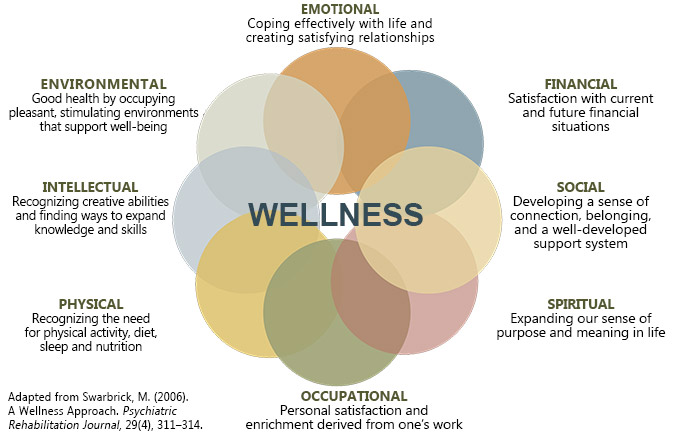
Key Takeaways
- Holistic Approach: Wellness encompasses multiple interconnected dimensions that collectively contribute to overall well-being.
- Interdependence: Each dimension of wellness influences and is influenced by the others, highlighting the importance of balance.
- Active Engagement: Achieving wellness is an ongoing, proactive process that involves continuous self-improvement and adaptation.
Introduction to Wellness
Wellness is a comprehensive and multidimensional concept that transcends the mere absence of illness. It embodies a proactive and holistic approach to health, integrating various aspects of an individual's life to foster a balanced and fulfilling existence. The framework of wellness is often visualized through the metaphor of "towers," each representing a fundamental dimension that supports overall well-being.
The Six Dimensions of Wellness
1. Physical Wellness
Physical wellness is the foundation of overall health, emphasizing the importance of maintaining a healthy body through regular physical activity, proper nutrition, adequate sleep, and preventive healthcare measures. It involves engaging in behaviors that enhance physical strength, endurance, and flexibility, thereby reducing the risk of diseases and promoting vitality (National Wellness Institute, n.d.; YMCA of Greater San Francisco, n.d.).
Key Components:
- Regular exercise and physical activity
- Balanced and nutritious diet
- Sufficient sleep and rest
- Preventive health care and regular medical check-ups
- Adequate hydration and avoidance of harmful substances
2. Emotional Wellness
Emotional wellness revolves around the ability to understand, manage, and express one's emotions in a constructive manner. It involves cultivating emotional intelligence, resilience, and the capacity to cope effectively with life's challenges. Achieving emotional wellness contributes to a positive outlook, enhanced self-esteem, and overall psychological well-being (National Wellness Institute, n.d.; Hettler, 1976).
Key Components:
- Awareness and acceptance of one's emotions
- Stress management and coping strategies
- Resilience in the face of adversity
- Self-acceptance and self-esteem
- Ability to express emotions healthily
3. Intellectual Wellness
Intellectual wellness emphasizes the importance of engaging in stimulating mental activities, continuous learning, and personal growth. It involves critical thinking, problem-solving, creativity, and the pursuit of knowledge and skills. By fostering intellectual wellness, individuals enhance their cognitive abilities and adaptability, contributing to lifelong learning and personal fulfillment (National Wellness Institute, n.d.; WellSteps, 2025).
Key Components:
- Engagement in creative and stimulating activities
- Continuous learning and skill development
- Critical thinking and problem-solving
- Curiosity and intellectual exploration
- Sharing knowledge and collaborative learning
4. Social Wellness
Social wellness pertains to the quality of an individual's relationships and interactions within their community. It involves building and maintaining healthy, supportive relationships, effective communication, empathy, and a sense of belonging. Social wellness fosters a robust support system, enhances personal growth, and contributes to a sense of connectedness and community (National Wellness Institute, n.d.; Meth-Wick Community, 2025).
Key Components:
- Developing and maintaining healthy relationships
- Effective communication skills
- Empathy and respect for others
- Sense of community and belonging
- Active participation in social and community activities
5. Spiritual Wellness
Spiritual wellness involves seeking meaning and purpose in life, which can be achieved through religious beliefs, personal values, meditation, or other forms of reflection. It encompasses the exploration of one's inner self and connection with something greater than oneself, fostering a sense of peace, fulfillment, and alignment with personal ethics and morals (National Wellness Institute, n.d.; Science of Mind, 2025).
Key Components:
- Seeking meaning and purpose in life
- Connection with personal beliefs and values
- Engagement in spiritual or religious practices
- Reflection and personal growth
- Alignment with ethical and moral standards
6. Occupational Wellness
Occupational wellness emphasizes personal satisfaction and enrichment derived from one's work or chosen pursuits. It involves finding a balance between work and leisure, pursuing a career that aligns with personal values and interests, setting and achieving professional goals, and fostering a fulfilling work-life integration. Occupational wellness contributes significantly to an individual's sense of achievement and purpose (National Wellness Institute, n.d.; Hettler, 1976).
Key Components:
- Personal satisfaction and enrichment through work
- Work-life balance and boundary setting
- Alignment of career with personal values and interests
- Professional development and continuous learning
- Setting and achieving career goals
The Six Towers of Wellness
The Six Towers of Wellness model, developed by Dr. Bill Hettler, serves as a metaphorical representation of the six dimensions of wellness. Each tower stands as a pillar supporting holistic well-being, illustrating the interconnectedness and interdependence of each dimension. A balanced structure of these towers ensures a stable and comprehensive approach to health and personal development.
| Wellness Dimension | Description | Key Benefits |
|---|---|---|
| Physical Tower | Supports physical health and fitness through exercise, nutrition, and preventive care. | Enhanced vitality, disease prevention, increased energy levels |
| Emotional Tower | Supports emotional health and resilience by managing emotions and stress. | Improved mental health, greater resilience, positive outlook |
| Intellectual Tower | Supports mental stimulation and creativity through continuous learning. | Enhanced cognitive abilities, personal growth, innovation |
| Social Tower | Supports social connections and community engagement through healthy relationships. | Sense of belonging, strong support system, effective communication |
| Spiritual Tower | Supports spiritual growth and meaning by seeking purpose and connection. | Inner peace, fulfillment, alignment with personal values |
| Occupational Tower | Supports career satisfaction and personal fulfillment through meaningful work. | Professional achievement, work-life balance, personal satisfaction |
Interconnectedness of Wellness Dimensions
The six dimensions of wellness are not isolated; rather, they are deeply interconnected and mutually reinforcing. For instance, maintaining physical wellness can enhance emotional stability, while strong social connections can support intellectual growth and spiritual fulfillment. Neglecting one dimension can lead to imbalances that adversely affect other areas of life, underscoring the importance of a holistic approach to wellness.
Holistic Integration
Achieving a state of comprehensive wellness requires intentional efforts to nurture each dimension. This involves setting realistic goals, engaging in diverse activities that promote growth across various areas, and seeking support when necessary. Holistic integration ensures that individuals lead balanced lives, where physical health, emotional resilience, intellectual stimulation, social connections, spiritual fulfillment, and occupational satisfaction are harmoniously aligned.
Personalized Wellness Plans
Since each individual's circumstances, values, and goals differ, personalized wellness plans are crucial. These plans should assess current wellness levels across all six dimensions, identify areas needing attention, and outline actionable steps to foster improvement. Regular evaluation and adaptation of these plans ensure that individuals can navigate life's challenges while maintaining their overall well-being.
Strategies for Enhancing Each Wellness Dimension
Enhancing Physical Wellness
To bolster physical wellness, individuals should incorporate regular exercise routines tailored to their fitness levels, adopt a balanced and nutritious diet, prioritize quality sleep, and engage in preventive health measures. Additionally, avoiding harmful substances and seeking timely medical care are essential practices for sustaining physical health.
Practical Tips:
- Establish a consistent workout schedule
- Plan and prepare balanced meals
- Set a regular sleep routine
- Schedule annual health check-ups
- Avoid or limit intake of alcohol, tobacco, and other harmful substances
Enhancing Emotional Wellness
Emotional wellness can be enhanced by developing emotional intelligence, practicing mindfulness, and adopting stress management techniques. Building resilience through positive thinking, self-reflection, and seeking professional support when needed also contributes to a stable emotional state.
Practical Tips:
- Engage in mindfulness or meditation practices
- Keep a journal to process emotions
- Develop coping strategies for stress
- Seek therapy or counseling when necessary
- Foster positive relationships that provide emotional support
Enhancing Intellectual Wellness
Intellectual wellness thrives on curiosity and the pursuit of knowledge. Engaging in lifelong learning through courses, reading, and skill development, participating in intellectually stimulating activities, and embracing creative endeavors enhance cognitive function and personal growth.
Practical Tips:
- Enroll in courses or workshops to learn new skills
- Read books, articles, and other educational materials regularly
- Participate in discussions and debates to challenge your thinking
- Engage in creative activities like writing, painting, or music
- Stay curious and open to new experiences
Enhancing Social Wellness
Social wellness is nurtured by building and maintaining meaningful relationships, effective communication, and active participation in community activities. Developing empathy, practicing active listening, and engaging in social networks foster a strong sense of connection and belonging.
Practical Tips:
- Spend quality time with family and friends
- Join clubs, groups, or community organizations
- Practice active listening and effective communication
- Volunteer for community service or charitable activities
- Foster a supportive and respectful social environment
Enhancing Spiritual Wellness
Spiritual wellness is cultivated through the exploration of personal beliefs, values, and the quest for meaning and purpose in life. Practices such as meditation, prayer, reflection, and connecting with nature can deepen one's sense of spirituality and foster inner peace.
Practical Tips:
- Engage in regular meditation or prayer
- Spend time in nature to foster a sense of connection
- Reflect on personal values and beliefs
- Participate in spiritual or religious communities
- Explore philosophical or existential questions
Enhancing Occupational Wellness
Occupational wellness is achieved by pursuing work that aligns with personal values and interests, seeking professional development opportunities, and maintaining a healthy work-life balance. Setting achievable career goals, seeking fulfillment in one's work, and fostering positive workplace relationships contribute to occupational satisfaction.
Practical Tips:
-
Identify and pursue career paths that align with your passions
-
Set clear and achievable professional goals
-
Seek opportunities for continuous learning and development
-
Maintain a healthy balance between work and personal life
-
Foster positive relationships with colleagues and supervisors
Conclusion
Wellness is a dynamic and integrative journey that encompasses various dimensions essential for a balanced and fulfilling life. The Six Towers of Wellness—Physical, Emotional, Intellectual, Social, Spiritual, and Occupational—serve as foundational pillars supporting holistic well-being. By understanding and actively nurturing each dimension, individuals can achieve a harmonious and enriched existence, capable of navigating life's challenges with resilience and purpose. Embracing a comprehensive approach to wellness not only enhances personal health but also empowers individuals to contribute positively to their communities and the broader society.
References
Last updated February 12, 2025