
Comprehensive Guide to Writing an Original Scientific Article
Unlock the secrets of crafting impactful research papers
Key Takeaways
- Start with a Clear Research Question: Define a novel and focused research question that addresses a gap in the current literature.
- Structured Methodology: Design a rigorous study using an appropriate methodology to ensure reproducibility and validity.
- Effective Writing and Revision: Emphasize clear, concise writing and thorough proofreading to enhance the manuscript’s quality.
1. Choosing a Specific Research Question
Defining Your Research Focus
The foundation of any original scientific article lies in a well-defined research question. This question should be both specific and novel, contributing new insights to your field of study. Begin by identifying gaps in the existing literature through a comprehensive literature review. Ensure that your research question is not only relevant but also feasible within the scope of your resources and timeframe.
Steps to Define a Research Question
- Identify broad areas of interest within your field.
- Conduct preliminary literature searches to understand current research trends.
- Pinpoint gaps or unexplored areas that warrant further investigation.
- Formulate a clear, concise, and focused research question that addresses these gaps.
2. Conducting a Thorough Literature Review
Establishing the Context
A comprehensive literature review serves multiple purposes: it contextualizes your research within the broader academic discourse, identifies existing methodologies, and highlights areas for further exploration. Utilize academic databases and journals to gather relevant sources, ensuring that your review is both current and exhaustive.
Tips for an Effective Literature Review
- Organize sources thematically to identify patterns and trends.
- Critically evaluate the strengths and weaknesses of existing studies.
- Highlight how your research will address identified gaps or build upon previous work.
- Maintain meticulous records of all sources to facilitate accurate referencing.
3. Designing Your Study
Planning for Rigorous Research
The methodology section is crucial as it outlines the procedures and techniques you will use to answer your research question. A well-designed study ensures that your results are reliable and valid. Consider the type of study—qualitative, quantitative, or mixed methods—that best suits your research objectives.
Components of a Robust Study Design
- Research Design: Choose an appropriate design (e.g., experimental, observational, longitudinal) that aligns with your research question.
- Sampling Methods: Define your target population and select a sampling technique that ensures representativeness.
- Data Collection: Determine the tools and instruments for gathering data, ensuring they are valid and reliable.
- Data Analysis: Plan the statistical or qualitative methods you will use to interpret your data.
4. Collecting and Analyzing Data
Gathering Evidence
Data collection must be systematic and unbiased. Ensure that your data collection methods are consistent and adhere to ethical standards. Once data is collected, employ appropriate analysis techniques to derive meaningful insights that address your research question.
Data Collection Strategies
- Quantitative Data: Use surveys, experiments, or existing datasets to gather numerical information.
- Qualitative Data: Conduct interviews, focus groups, or observations to collect descriptive information.
- Mixed Methods: Combine both quantitative and qualitative approaches for a more comprehensive analysis.
Data Analysis Techniques
- Statistical Analysis: Apply statistical tests to determine the significance and relationships within your data.
- Thematic Analysis: Identify and analyze patterns or themes within qualitative data.
- Software Tools: Utilize tools like SPSS, R, NVivo, or MATLAB to facilitate data analysis.
5. Structuring Your Article
Organizing Your Content
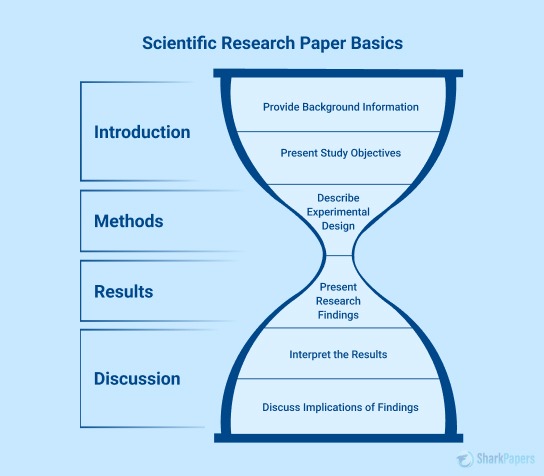
Adhering to a coherent structure enhances the readability and professionalism of your scientific article. The IMRaD (Introduction, Methods, Results, and Discussion) format is widely accepted in scientific writing, providing a clear framework for presenting your research.
IMRaD Structure Explained
| Section | Purpose | Key Components |
|---|---|---|
| Introduction | Introduce the research question and its significance. | Background, problem statement, objectives |
| Methods | Detail the research design and procedures. | Participants, materials, procedures, data analysis |
| Results | Present the findings of the study. | Data presentation, tables, figures |
| Discussion | Interpret the results and their implications. | Interpretation, comparison with existing literature, limitations |
| Conclusion | Summarize the key findings and their significance. | Summary of findings, future research directions |
Additional Sections: Beyond the IMRaD format, your article should include a title, abstract, keywords, acknowledgments, and references.
6. Writing Clearly and Logically
Enhancing Readability
Clear and concise writing is paramount in scientific articles. Avoid jargon and overly complex sentences that may obscure your message. Strive for simplicity without sacrificing depth, ensuring that your findings are accessible to a broad academic audience.
Best Practices for Scientific Writing
- Use active voice to make sentences more direct and vigorous.
- Maintain logical flow between paragraphs and sections.
- Be precise with terminology and avoid ambiguous language.
- Use bullet points or numbered lists to organize information effectively.
7. Citing Your Sources
Acknowledging Prior Work
Proper citation is essential to give credit to previous researchers and to situate your work within the existing body of knowledge. Adhere to the citation style required by your target journal, ensuring consistency and accuracy in your references.
Citation Guidelines
- Include both foundational and recent studies relevant to your research.
- Use citation management tools like EndNote, Zotero, or Mendeley to organize references.
- Ensure all in-text citations have corresponding entries in the reference list.
- Double-check citation formats for compliance with journal guidelines.
8. Revising and Editing
Polishing Your Manuscript
Revision is a critical phase where you refine your manuscript to enhance clarity, coherence, and overall quality. Multiple rounds of proofreading are necessary to eliminate grammatical errors, improve sentence structure, and ensure that your arguments are logically presented.
Strategies for Effective Revision
- Take a break after writing to approach your manuscript with fresh eyes.
- Seek feedback from colleagues, mentors, or professional editors.
- Use grammar and spell-check tools, but do not rely solely on them.
- Ensure that each section aligns with the overall objectives of the paper.
9. Submitting to a Journal
Navigating the Publication Process
Selecting the right journal for your research increases the likelihood of acceptance and ensures that your work reaches the appropriate audience. Carefully review the journal’s submission guidelines, including formatting requirements, word limits, and specific documentation standards.
Steps for Successful Submission
-
Identify Suitable Journals: Consider the journal's scope, impact factor, and audience.
-
Adhere to Guidelines: Follow the journal’s specific formatting, referencing, and submission protocols.
-
Prepare Supplementary Materials: Include necessary documents such as cover letters, conflict of interest statements, and data availability statements.
-
Submit Through Proper Channels: Use the journal’s online submission system and ensure all required information is provided.
Conclusion
Writing an original scientific article is a meticulous process that demands clarity, precision, and a deep understanding of your research area. By systematically defining your research question, conducting a thorough literature review, designing a robust methodology, and adhering to best practices in writing and revision, you can craft a compelling manuscript that contributes meaningfully to your field. Remember to choose the right journal and meticulously follow submission guidelines to enhance the prospects of your work being published and recognized.
References
Last updated February 13, 2025