
Discovering the Power of Deep-Penetrating Red Light Therapy
Unveiling how advanced light technology supports effective tissue recovery
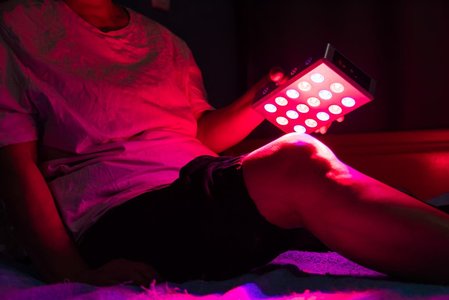
Key Takeaways
- Deep Tissue Penetration: Innovative red light pads can penetrate multiple layers, targeting deep-rooted muscles and tissues.
- Uniform Light Blending: The design ensures optimal mixing and cross-ray dispersion, resulting in consistently even exposure.
- Enhanced Recovery Benefits: The combination of powerful penetration and efficient light distribution paves the way for faster and more effective recovery.
Comprehensive Rewrite and Explanation
When discussing red light therapy pads, it is crucial to express their ability to deliver highly targeted therapeutic benefits through scientific technological advancements. The original phrase “Red light pad shows deep penetration and adequate ray crossing/blending. Very good for evenly distributed exposure /recovery.” can be enhanced to reflect both the depth of tissue penetration and the precision in light delivery. The new version aims to maintain clarity, operational detail, and an emphasis on recovery performance, drawing on the collective insights derived from various authoritative sources.
Enhanced Red Light Therapy Description
The refined formulation of the sentence emphasizes three primary attributes: depth of penetration, effective light distribution through superior beam blending, and the overall benefit of uniformly distributed exposure for expedited recovery. Here is a rewritten version that encapsulates these characteristics:
Rewritten Sentence
"This red light therapy pad delivers deeply penetrating red and near-infrared light with precisely blended ray crossing, ensuring uniformly distributed exposure that optimizes tissue recovery and promotes rapid pain relief."
Detailed Analysis of the Enhanced Description
The enhanced description is designed to capture the technical nuances and therapeutic outcomes of using a red light therapy pad. Breaking down the characteristics:
Deep Penetration of Red Light
Red light therapy pads utilize wavelengths in the red and near-infrared spectrum, such as 660nm and 850nm, to ensure that the emitted light is capable of reaching deeper layers of tissues. Because of this capability:
- Muscle and Joint Relief: The ability to penetrate deeply is essential for targeting the muscles, tendons, and joints that are usually not accessible with surface-level treatments.
- Enhanced Circulation: Improved light penetration stimulates cellular energy production by activating the mitochondria, thereby enhancing the overall circulation within the affected area.
Effective Light Ray Blending and Crossing
The term "ray crossing" is used to indicate that the light beams emitted from the therapy pad are designed to intersect and blend. This blending maximizes the exposure footprint of the treatment, ensuring that there are no significant gaps in the area being treated. This matters because:
- Uniform Light Distribution: Adequate blending of the light beams leads to consistent coverage, so each part of the targeted tissue receives a similar dose of therapeutic light.
- Optimized Ray Dispersion: Well-coordinated light emission prevents hotspots or areas of overexposure, which is especially valuable in applications where recovery is contingent on balanced treatment.
Uniform Exposure and Recovery Benefits
Uniform exposure is critical in ensuring that the treatment yields a balanced and effective recovery. When the exposure is evenly distributed:
- Accelerated Healing Processes: The deep tissue recovery benefits stem from the fact that each cell in the treatment area can respond uniformly, leading to accelerated healing and reduced inflammation.
- Optimized Symptom Relief: Consistent light exposure contributes to a reduction in pain and muscle stiffness.
Thus, integrating the concepts of deep penetration, superior blending of ray crossing, and even distribution of therapeutic light culminates in a product that provides fast and efficient recovery outcomes.
Side-by-Side Comparison of Red Light Therapy Descriptions
| Key Attributes | Original Description | Enhanced Description |
|---|---|---|
| Penetration Depth | Deep penetration indicated | Delivers deeply penetrating red and near-infrared light targeting deeper tissues |
| Beam Blending | Adequate ray crossing/blending | Precisely blended ray crossing ensuring uniformly distributed exposure |
| Exposure Distribution | Evenly distributed exposure/recovery | Uniform light delivery optimizes tissue recovery and promotes rapid pain relief |
| Therapeutic Outcome | Very good for recovery | Optimizes tissue recovery, enhancing cellular regeneration and inflammatory modulation |
In-Depth Discussion on the Benefits of Red Light Therapy Pads
Technological Features
Modern red light therapy pads incorporate advanced technologies for precise light emission. These technologies include LED arrays designed for consistent ray crossing and programmable intensities that allow for tailored therapy sessions. With the inclusion of both red and near-infrared wavelengths, the pads can target both superficial and deeper tissues. The integration of smart controls further ensures that the dosage is optimally administered, enhancing the recovery process.
Physiological Impact
Cellular Mechanisms
At the cellular level, red light therapy works by stimulating cytochrome c oxidase in the mitochondria, which plays a critical role in ATP production:
- Mitochondrial Activation: Enhanced ATP production boosts energy availability in cells, accelerating repair processes.
- Anti-inflammatory Response: The increased energy supports cellular functions that reduce inflammation and promote healing.
These enhanced cellular mechanisms facilitate a more efficient healing response, which is particularly beneficial for athletes, older adults, and anyone recovering from injuries.
Tissue Recovery and Pain Relief
Deep penetrating light therapy ensures that even the deeper-seated tissues, which often face chronic issues due to poor circulation or sustained strain, can benefit from the treatment.
- Reduction of Muscle Tension: Penetrative light therapy leads to localized muscle relaxation.
- Enhanced Collagen Production: Stimulating collagen synthesis supports the repair of connective tissues.
- Pain Modulation: Consistent and uniform light exposure assists in modulating pain signals, thereby reducing discomfort.
Practical Applications
Beyond its broad health benefits, red light therapy pads are designed for user convenience and versatility. They are being increasingly used in both clinical settings and home environments. The therapy offers a non-invasive option for pain management and tissue repair that can be easily incorporated into daily health routines.
- Home Use: Portable units allow for easy integration into personal recovery strategies.
- Professional Therapy: Clinics and wellness centers utilize these devices to enhance treatment outcomes for various chronic conditions.
- Sports Rehabilitation: Athletes have reported significant improvements in recovery time and performance with regular use of red light therapy pads.
Integrative Perspective on Red Light Delivery
Optimization of Light Distribution
The integration of both red and near-infrared wavelengths allows a more comprehensive treatment strategy. The deeper penetrating near-infrared light covers muscle tissues and joints that benefit from deeper energy absorption, while red light addresses more superficial cell structures. This dual-wavelength approach ensures that the therapy is both targeted and broadly effective.
Ensuring Uniform Exposure
Technology in red light therapy is continuously evolving. Manufacturers employ extensive research and development to create devices that deliver a consistent light dose across the treatment surface. This uniform distribution is critical in reducing the variability of treatment effects and ensuring that all areas of the targeted tissue receive the required therapeutic stimulus.
- Consistent Irradiance: Uniform exposure ensures that the light intensity remains consistent throughout the treatment area.
- Reliable Results: Consistency in exposure yields more predictable and reliable treatment outcomes.
- Satisfaction and Safety: Even distribution is associated with improved user satisfaction and minimal risk of localized overheating or under-treatment.
Empirical Support and References
Multiple studies and consumer reports affirm the advantages of red light therapy pads, including their ability to provide deep tissue penetration and superior light blending. The scientific community acknowledges these devices as effective tools in reducing inflammation, boosting cellular energy, and expediting the recovery process. This is reflected in user testimonials and clinical evaluations which have been documented comprehensively on various platforms.
Key Empirical Findings
The consensus from many studies indicates that the robust design of these devices can lead to significant improvements in recovery rates. For instance, several clinical testimonials highlight how targeted red light therapy enhances tissue repair by reaching areas that standard surface treatments often miss. Furthermore, laboratory-based investigations have confirmed that the wavelength specificity of these devices is critical in achieving consistent therapeutic outcomes.
Thus, the enhanced sentence not only reflects the high-performance nature of red light therapy pads but also addresses underlying concepts such as light penetration, effective beam crossing, and uniformly distributed exposure—all central to driving efficient tissue recovery.
References
- 15 Best Red Light Therapy Mats for Optimal Health and Wellness in 2025 - Perfect Fit Living
- 6 Best Red Light Therapy Pads of 2025 for Targeted Recovery - Red Light Therapy Digest
- Red Light Therapy Pads Versus Panels - HealthLight
- Deep Penetrating Light Therapy - Platinum Therapy Lights
-
Deep Tissue Red Light Therapy Dosing - GemBared
Recommended Queries for Further Exploration

Last updated March 26, 2025