
Comprehensive Guide to Investing Wisely
Strategic Approaches to Building Long-Term Wealth
Key Takeaways
- Define Clear Financial Goals: Establishing short-term and long-term objectives guides your investment strategy.
- Diversify Your Portfolio: Spreading investments across various asset classes minimizes risk and enhances potential returns.
- Leverage Tax-Advantaged Accounts: Utilizing retirement accounts like 401(k)s and IRAs can maximize your investment growth through tax benefits.
1. Define Your Financial Goals
Establishing Clear Objectives
The foundation of any successful investment strategy lies in clearly defining your financial goals. These goals can be categorized into:
- Short-term Goals: Objectives you aim to achieve within the next one to five years, such as saving for a vacation, building an emergency fund, or purchasing a vehicle.
- Medium-term Goals: Targets set for five to ten years down the line, like saving for a down payment on a house or funding higher education.
- Long-term Goals: Aspirations that extend beyond ten years, including retirement planning, building generational wealth, or leaving a financial legacy.
Identifying these goals helps determine your investment horizon and risk tolerance, ensuring that your investment choices align with your financial aspirations.
2. Understand Your Risk Tolerance
Assessing Your Comfort with Risk
Risk tolerance refers to your ability and willingness to endure market volatility without making impulsive decisions. It is influenced by factors such as age, income, financial responsibilities, and investment experience.
- Low-Risk Investments: Suitable for those nearing retirement or with low-risk tolerance. Examples include bonds, savings accounts, and certificates of deposit (CDs).
- Medium-Risk Investments: Ideal for investors with a moderate risk appetite. Balanced mutual funds and dividend-paying stocks fall into this category.
- High-Risk Investments: Best for younger investors or those seeking higher returns and willing to accept greater volatility. This includes individual stocks, cryptocurrencies, and speculative assets.
Understanding your risk tolerance helps in selecting the right mix of assets, ensuring that your investments align with your emotional and financial comfort levels.
3. Diversify Your Portfolio
Spreading Risk Across Assets
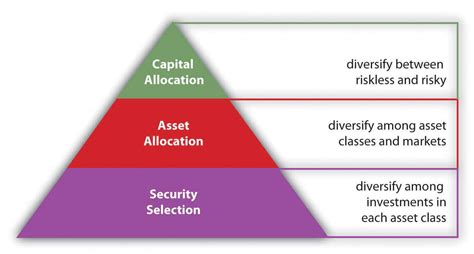
Diversification is a fundamental investment principle that involves spreading your investments across various asset classes and sectors to reduce risk. A well-diversified portfolio can mitigate losses during market downturns and enhance overall returns.
- Asset Classes: Include a mix of stocks, bonds, real estate, and alternative investments to balance risk and return.
- Sector Diversification: Invest in different industries such as technology, healthcare, finance, and consumer goods to avoid concentration risk.
- Geographical Diversification: Allocate investments across various regions and countries to hedge against regional economic uncertainties.
- Investment Vehicles: Utilize mutual funds and exchange-traded funds (ETFs) to gain broad market exposure with a single investment.
By diversifying, you ensure that poor performance in one investment is offset by better performance in others, stabilizing your portfolio's overall performance.
4. Start Early and Invest Consistently
Harnessing the Power of Compounding
Time is a critical factor in building wealth through investing. Starting early allows your investments to grow exponentially through the power of compounding, where the returns on your investments generate their own returns over time.
- Compound Interest: Reinvesting earnings can significantly increase your investment's growth potential over decades.
- Dollar-Cost Averaging: Investing a fixed amount regularly, regardless of market conditions, reduces the impact of volatility and lowers the average cost of investments over time.
- Automated Investments: Setting up automatic contributions ensures disciplined investing and removes the temptation to time the market.
Consistency in investing, combined with the benefits of time, can lead to substantial wealth accumulation, even with modest contributions.
5. Educate Yourself on Investment Options
Understanding Different Asset Classes
A thorough understanding of various investment options allows you to make informed decisions that align with your financial goals and risk tolerance.
- Stocks: Represent ownership in a company and offer potential for high returns but come with higher volatility.
- Bonds: Debt instruments that provide regular interest income with lower risk compared to stocks.
- Mutual Funds/ETFs: Pooled investment vehicles that offer diversification and are managed by professionals.
- Real Estate: Investing in property can generate rental income and appreciate in value over time.
- Alternative Investments: Includes cryptocurrency, commodities, and collectibles. These can offer high returns but are typically more volatile and risky.
Familiarizing yourself with the characteristics, benefits, and risks of each investment type is essential for building a balanced and effective portfolio.
6. Avoid High Fees
Minimizing Costs to Maximize Returns
Fees and expenses can significantly erode your investment returns over time. It's crucial to be aware of and minimize these costs wherever possible.
- Management Fees: Actively managed funds often come with higher fees compared to passive index funds or ETFs.
- Transaction Costs: Frequent trading can incur substantial brokerage fees and impact overall performance.
- Expense Ratios: Compare the expense ratios of various funds to ensure you are not overpaying for management services.
- Low-Cost Alternatives: Opt for low-fee investment options such as index funds, which typically offer broad market exposure at a fraction of the cost.
By selecting low-cost investment vehicles and minimizing unnecessary fees, you retain more of your earnings, enhancing the growth of your portfolio.
7. Leverage Tax-Advantaged Accounts
Maximizing Tax Benefits for Greater Growth
Utilizing tax-advantaged accounts can significantly boost your investment growth by deferring taxes or allowing tax-free withdrawals.
- 401(k) Plans: Employer-sponsored retirement accounts that often include matching contributions, providing immediate returns on your investments.
- Individual Retirement Accounts (IRAs): Traditional and Roth IRAs offer different tax benefits, such as tax-deferred growth or tax-free withdrawals in retirement.
- Health Savings Accounts (HSAs): For those with high-deductible health plans, HSAs offer triple tax advantages: contributions are tax-deductible, grow tax-free, and withdrawals for qualified medical expenses are tax-free.
- 529 Plans: Designed for education savings, these plans offer tax-free growth and withdrawals when used for qualifying educational expenses.
Maximizing contributions to these accounts and understanding their specific benefits can enhance your overall investment strategy by reducing your tax burden and increasing net returns.
8. Build an Emergency Fund
Creating a Financial Safety Net
Before venturing into investments, it's essential to establish an emergency fund. This fund acts as a financial buffer to cover unexpected expenses, such as medical emergencies, job loss, or major repairs.
- Savings Target: Aim to save 3–6 months' worth of living expenses in a readily accessible account, such as a high-yield savings account.
- Accessibility: The funds should be easily accessible without penalties or delays, ensuring you can use them when needed.
- Separate from Investments: Keeping your emergency fund separate from your investment accounts prevents the need to liquidate investments during unfavorable market conditions.
An adequate emergency fund provides peace of mind and financial security, allowing you to invest more confidently without the fear of unforeseen setbacks.
9. Do Your Research
Making Informed Investment Decisions
Conducting thorough research is crucial to making sound investment choices. This involves analyzing the fundamentals, historical performance, and future potential of each investment.
- Fundamental Analysis: Examine a company's financial statements, management team, competitive position, and growth prospects before investing in its stock.
- Historical Performance: While past performance is not indicative of future results, understanding an asset's performance history can provide insights into its volatility and return potential.
- Market Trends: Stay informed about current market conditions, economic indicators, and industry developments that could impact your investments.
- Avoiding Impulsive Decisions: Resist the urge to chase trends or react to short-term market movements. Stick to your long-term investment plan based on thorough analysis.
Informed investments are more likely to align with your financial goals and risk tolerance, reducing the likelihood of costly mistakes and enhancing your portfolio's performance.
10. Stay Informed but Avoid Overreacting
Maintaining a Balanced Perspective
Staying informed about market trends and economic news is important, but it's equally crucial to avoid overreacting to short-term fluctuations.
- Regular Monitoring: Keep track of your investment performance and stay updated on factors that could affect your portfolio.
- Emotional Discipline: Avoid panic selling during market downturns or exuberant buying during booms. Emotional decisions can undermine your long-term strategy.
- Long-Term Focus: Maintain a focus on your long-term goals, allowing your investments the time needed to grow and recover from temporary setbacks.
By maintaining a balanced perspective and avoiding emotional reactions, you can navigate market volatility more effectively and stay on course toward your financial objectives.
11. Avoid High Fees
Minimizing Costs to Enhance Returns
Investment fees and expenses can significantly erode your returns over time. It's essential to be mindful of the costs associated with different investment vehicles and strategies.
- Expense Ratios: Compare the expense ratios of mutual funds and ETFs. Lower expense ratios mean more of your money is working for you.
- Transaction Fees: Be aware of brokerage fees, especially if you plan to trade frequently. Opt for platforms that offer low or no transaction fees.
- Management Fees: Actively managed funds typically charge higher fees compared to passive index funds. Consider passive investing as a cost-effective alternative.
- Hidden Costs: Look out for additional costs such as account maintenance fees, advisory fees, or load fees on certain funds.
By selecting low-cost investment options and minimizing unnecessary fees, you can enhance your portfolio's net returns and accelerate your wealth-building journey.
12. Seek Professional Advice if Needed
Leveraging Expertise for Optimal Outcomes
Navigating the complexities of investing can be challenging, especially for beginners. Seeking professional advice can provide personalized guidance and help you make informed decisions.
- Certified Financial Planners (CFPs): These professionals offer comprehensive financial planning services, including investment strategies, retirement planning, and tax advice.
- Investment Advisors: Advisors can help you select the right investment products based on your goals, risk tolerance, and financial situation.
- Robo-Advisors: Automated platforms like Betterment or Wealthfront offer cost-effective investment management using algorithms to tailor portfolios to your needs.
- Fee-Only Advisors: These advisors charge a flat fee or hourly rate without earning commissions from product sales, ensuring unbiased advice.
Consulting with financial professionals can enhance your investment strategy, provide accountability, and help you stay aligned with your financial objectives.
13. Regular Review and Adjustment
Maintaining Alignment with Your Goals
The financial landscape and your personal circumstances can change over time. Regularly reviewing and adjusting your investment portfolio ensures that it remains aligned with your evolving goals and risk tolerance.
- Annual Review: Conduct a comprehensive review of your portfolio at least once a year to assess performance and make necessary adjustments.
- Rebalancing: Periodically rebalance your portfolio to maintain your desired asset allocation, ensuring that no single asset class dominates your investments.
- Goal Reassessment: Reevaluate your financial goals and update your investment strategy to reflect changes in your objectives, such as new financial responsibilities or altered retirement plans.
- Performance Monitoring: Track the performance of your investments against benchmarks and make informed decisions based on data rather than emotions.
Regular reviews and adjustments help in optimizing your investment strategy, maximizing returns, and mitigating risks, ensuring sustained progress toward your financial goals.
14. Protect Yourself from Scams and Fraud
Ensuring Investment Security
The investment landscape is rife with scams and fraudulent schemes promising high returns with little to no risk. Protecting yourself from such fraud is crucial to safeguarding your investments.
- Verify Credentials: Always verify the credentials and licensing of financial advisors and investment firms using tools like FINRA’s BrokerCheck.
- Beware of Too-Good-To-Be-True Offers: Be cautious of investments that promise guaranteed high returns with minimal risk. If it sounds unrealistic, it probably is.
- Secure Communication: Ensure that all communications and transactions with financial institutions are secure and legitimate.
- Educate Yourself: Stay informed about common investment scams and red flags to recognize and avoid fraudulent schemes.
Taking proactive measures to verify the legitimacy of investment opportunities and professionals can protect you from financial losses and maintain the integrity of your investment portfolio.
15. Utilize Behavioral Finance Principles
Understanding Psychological Influences on Investing
Behavioral finance explores how psychological factors and cognitive biases influence investor behavior. Understanding these principles can help you make more rational and objective investment decisions.
- Emotional Decision-Making: Recognize how emotions like fear and greed can lead to impulsive actions, such as panic selling or speculative buying.
- Overconfidence Bias: Avoid overestimating your knowledge or predictive abilities, which can result in excessive risk-taking.
- Herd Behavior: Resist the tendency to follow the crowd blindly. Make investment decisions based on thorough analysis rather than popular opinion.
- Loss Aversion: Understand that the fear of losses can lead to holding onto losing investments longer than advisable. Focus on long-term goals instead.
By being aware of and mitigating these behavioral biases, you can enhance your investment discipline, make more informed decisions, and improve your overall investment performance.
16. Embrace Technological Tools and Resources
Leveraging Technology for Smarter Investing
In the digital age, a plethora of technological tools and resources are available to assist investors in making informed decisions and managing their portfolios effectively.
-
Investment Platforms: Utilize online brokerage platforms that offer a wide range of investment options, research tools, and user-friendly interfaces.
-
Robo-Advisors: Automated investment services provide portfolio management based on algorithms, offering cost-effective and personalized investment strategies.
-
Financial Apps: Apps like Mint, Personal Capital, and others help track your investments, monitor performance, and manage your finances seamlessly.
-
Educational Resources: Access webinars, online courses, and financial blogs to continuously educate yourself about investing strategies and market trends.
Embracing these technological advancements can streamline your investment process, provide valuable insights, and enhance your ability to make data-driven decisions.
Conclusion
Building a Robust Investment Strategy for the Future
Investing wisely is a multifaceted endeavor that requires careful planning, continuous education, and disciplined execution. By defining clear financial goals, understanding your risk tolerance, diversifying your portfolio, and leveraging tax-advantaged accounts, you lay a strong foundation for long-term wealth accumulation. Additionally, minimizing fees, staying informed without overreacting, and seeking professional advice when necessary enhance your investment strategy's effectiveness.
Protecting yourself from scams, embracing behavioral finance principles, and utilizing technological tools further fortify your approach, ensuring that your investments remain aligned with your financial aspirations and adaptable to changing market conditions. Regularly reviewing and adjusting your portfolio keeps you on track, allowing you to navigate the complexities of the financial landscape with confidence and clarity.
By adhering to these comprehensive guidelines and maintaining a disciplined investment approach, you can achieve financial security, build substantial wealth, and realize your long-term financial goals.
References
Last updated January 19, 2025