
Comprehensive Support for Traditional Chinese
Enhancing Accessibility and Cultural Preservation in the Digital Age
Key Takeaways
- Robust Input Methods: Multiple input systems like Pinyin and Bopomofo facilitate efficient Traditional Chinese typing across devices.
- Comprehensive Language Settings: Proper configuration of language preferences and encoding ensures accurate display and functionality.
- Cultural Integration: Supporting Traditional Chinese extends beyond language, encompassing cultural practices, education, and digital resources.
Introduction
Supporting Traditional Chinese (繁體字) is essential for preserving the linguistic and cultural heritage of regions such as Taiwan, Hong Kong, and Macau. As digital globalization progresses, ensuring that software, applications, and digital content accommodate Traditional Chinese is vital for accessibility and cultural preservation. This comprehensive guide explores the various facets of supporting Traditional Chinese, including input methods, language and culture settings, technological implementations, and cultural integration.
Input Methods for Traditional Chinese
1. Keyboard Input Systems
Effective input methods are critical for typing Traditional Chinese characters on digital devices. Several input method editors (IMEs) and keyboard configurations cater to different user preferences:
a. Pinyin - Traditional
Pinyin is a widely used romanization system that allows users to type Traditional Chinese characters based on their pronunciation. It is supported across various platforms:
- Windows: Users can enable the Microsoft Traditional Chinese IME through the Language Settings. This IME allows for Pinyin input, predictive text, and other features tailored for Traditional Chinese.
- macOS: The Pinyin - Traditional input source can be added via System Preferences under Keyboard settings. It provides seamless integration with macOS applications.
- Linux: Input methods can be managed through language pack installations and configuration tools such as IBus or fcitx.
b. Bopomofo (Zhuyin)
Bopomofo, also known as Zhuyin, is a phonetic system used primarily in Taiwan. It offers an alternative to Pinyin for inputting Traditional Chinese characters:
- Windows: The Microsoft Bopomofo IME is available, allowing users to type using Zhuyin symbols.
- macOS: The Bopomofo input source can be enabled through Keyboard settings, facilitating Traditional Chinese input.
- Mobile Devices: Both iOS and Android platforms support Bopomofo through their respective keyboard settings.
c. Other Input Methods
Additional input methods offer diverse approaches to typing Traditional Chinese, catering to varied user preferences:
- ChangJie: A shape-based input method that allows users to input characters based on their component shapes. It is popular among advanced users for its efficiency.
- Wubi: Another shape-based input method that divides characters into predefined segments, enhancing typing speed for proficient users.
- FlorisBoard: An open-source keyboard for mobile devices that supports Traditional Chinese input, specifically using the Hanyu Pinyin method.
Language and Culture Settings
1. Operating System Configuration
Properly configuring the operating system is crucial for seamless Traditional Chinese support:
a. Language Installation
- Windows: Navigate to Settings > Time & Language > Language & Region. Add Traditional Chinese as a language, which installs necessary fonts and IMEs.
- macOS: Access System Preferences > Keyboard > Input Sources to add Traditional Chinese input methods like Pinyin or Bopomofo.
- Linux: Use system settings or package managers to install Traditional Chinese language packs and configure input methods via IBus or fcitx.
b. Regional Settings
Adjusting regional settings ensures that date formats, number formats, and other locale-specific settings align with Traditional Chinese conventions:
- Set the system locale to regions such as Taiwan (
zh-TW), Hong Kong (zh-HK), or Macau (zh-MO), depending on the target audience. - Configure system-wide settings to support Traditional Chinese character display and input across all applications.
2. Character Encoding and Fonts
Ensuring that Traditional Chinese characters are correctly displayed involves proper character encoding and font selection:
a. Character Encoding
- UTF-8: Using UTF-8 encoding is recommended as it supports the full range of Traditional Chinese characters, ensuring compatibility across different platforms and applications.
- Legacy Encodings: While UTF-8 is preferred, some legacy systems may use encodings like Big5. Transitioning to UTF-8 is advisable for modern applications.
b. Font Support
Selecting appropriate fonts is essential for rendering Traditional Chinese characters accurately:
- Source Han Sans: A versatile font that supports both Traditional and Simplified Chinese, as well as other CJK characters and English.
- Noto Serif CJK: Offered by Google, this font ensures consistent display across platforms.
- Microsoft JhengHei: A popular font for Traditional Chinese, commonly used in Windows environments.
- DFKai-SB: Known for its elegant style, suitable for formal documents and publications.
Tools and Resources for Traditional Chinese
1. Learning and Typing Tools
Effective tools can facilitate learning and typing Traditional Chinese characters:
a. Anki Add-ons
Anki, a popular flashcard application, offers add-ons like Chinese Support 3, which aids users in creating and studying flashcards for Traditional Chinese characters. This enhances language learning through spaced repetition.
b. Online Dictionaries and Translators
- Cambridge English-Chinese Dictionary: Provides accurate translations and linguistic guidance for Traditional Chinese.
- Google Translate: Supports Traditional Chinese, allowing users to translate text and voice inputs effectively. Users can select "Chinese (Traditional)" as the target language.
- Collins Dictionary: Another reliable resource for Traditional Chinese language learners.
c. Language Learning Platforms
Platforms like Duolingo, Rosetta Stone, and Pimsleur offer courses tailored to Traditional Chinese, enabling structured language acquisition.
2. Software and Application Support
Integrating Traditional Chinese into software and applications ensures broader accessibility:
a. Office Suites
- Microsoft Office supports Traditional Chinese inputs and provides localized versions for regions like Taiwan and Hong Kong.
- Google Workspace allows users to switch language preferences to Traditional Chinese, ensuring seamless document creation and collaboration.
b. Web Development
- Websites can support Traditional Chinese by using appropriate language codes (
zh-Hant) and ensuring that all content is properly encoded in UTF-8. - Frameworks like React, Angular, and Vue.js can be configured to handle Traditional Chinese inputs and display using compatible fonts.
- Localization efforts should consider cultural nuances and regional variations to provide a tailored user experience.
Cultural Integration and Preservation
1. Traditional Chinese Medicine (TCM)
Traditional Chinese Medicine plays a significant role in cultural heritage and continues to be widely practiced and supported:
- Digital platforms can include TCM resources, such as databases of herbal remedies, acupuncture techniques, and wellness practices, all presented in Traditional Chinese.
- Telemedicine applications can facilitate consultations with TCM practitioners, ensuring that language barriers do not impede access to these services.
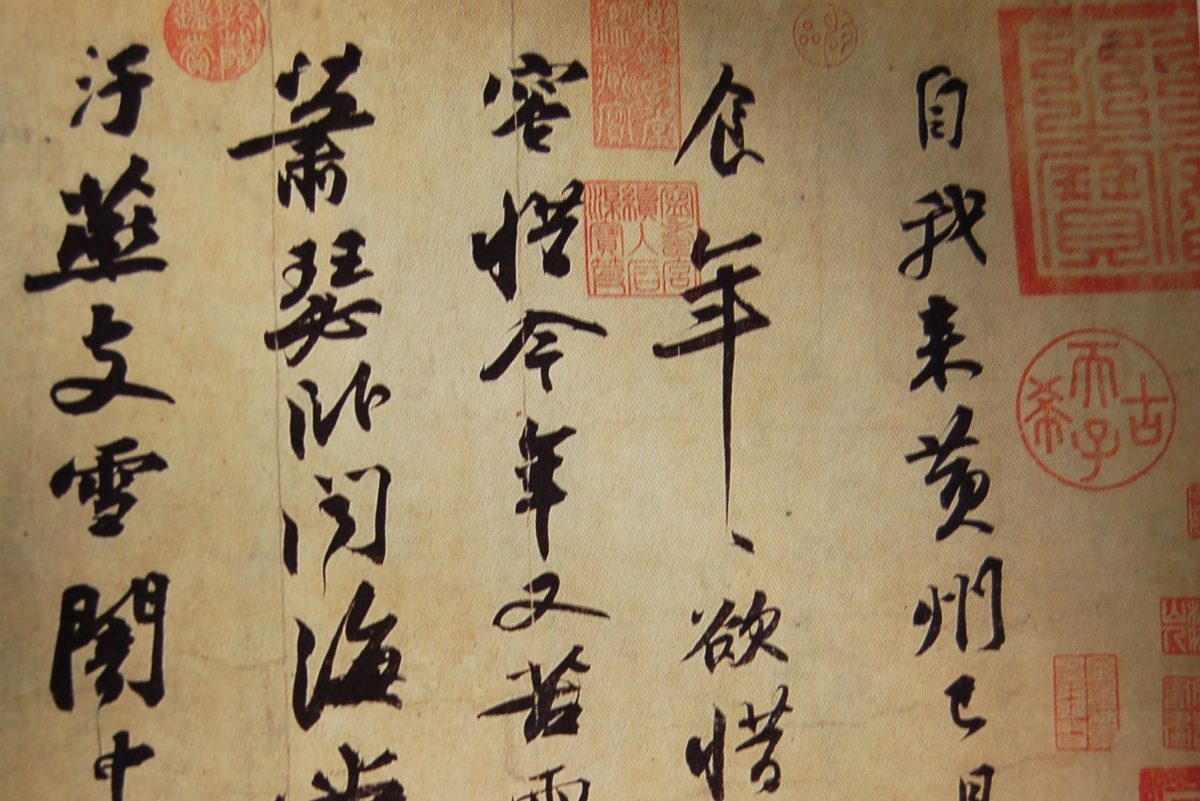
2. Calligraphy and Classical Arts
Promoting Traditional Chinese calligraphy and classical arts helps in maintaining cultural identity:
- Educational apps can offer tutorials on calligraphy, teaching users the stroke order and techniques for writing Traditional Chinese characters.
- Digital galleries can showcase classical Chinese artworks, providing virtual access to cultural treasures.
3. Literature and Media
Supporting Traditional Chinese in literature and media ensures that content remains accessible to native speakers:
- E-books, online articles, and media platforms should offer content in Traditional Chinese, catering to readers from regions that use this script.
- Subtitles and dubbing services should include Traditional Chinese options to accommodate diverse audiences.
Technical Implementations for Traditional Chinese Support
1. Web Development Best Practices
Implementing Traditional Chinese on websites involves several technical considerations to ensure proper display and functionality:
a. Language Codes and Metadata
- Use the correct language codes in HTML tags, such as
, to specify Traditional Chinese. - Include meta tags like
<meta charset="UTF-8">to ensure proper character encoding.
b. Responsive Design
Ensure that Traditional Chinese characters display correctly across different devices and screen sizes by using responsive design techniques and scalable fonts.
c. Font Embedding
To maintain consistency, embed fonts that support Traditional Chinese characters using CSS:
@font-face {
    font-family: 'Source Han Sans';
    src: url('SourceHanSans-Regular.ttf') format('truetype');
}
body {
    font-family: 'Source Han Sans', sans-serif;
}
2. Software Localization
Localization involves adapting software interfaces and content to meet the linguistic and cultural norms of Traditional Chinese-speaking users:
a. Translation Management
- Use translation management systems (TMS) like SDL Trados or Lokalise to manage and streamline the translation process.
- Collaborate with native speakers to ensure accuracy and cultural relevance in translations.
b. User Interface (UI) Adjustments
Adapt UI elements to accommodate the longer length of Traditional Chinese phrases and ensure that all components are culturally appropriate:
- Icons and symbols should be reviewed for cultural sensitivity.
- Layout adjustments may be necessary to prevent text overflow and maintain visual balance.
3. Database and Backend Support
Ensuring that backend systems can handle Traditional Chinese data is crucial for seamless functionality:
a. Database Encoding
- Use Unicode (UTF-8) encoding in databases to store and retrieve Traditional Chinese characters without data loss or corruption.
- Ensure that database collation settings support Traditional Chinese sorting and searching.
b. API Integration
When integrating with third-party APIs, confirm that they support Traditional Chinese inputs and outputs. This ensures interoperability and data consistency across platforms.
Cultural and Educational Support
1. Traditional Chinese in Education
Educational institutions play a pivotal role in teaching and preserving Traditional Chinese:
a. Curriculum Development
- Incorporate comprehensive Traditional Chinese language courses that cover reading, writing, and speaking skills.
- Use digital tools like interactive textbooks and language learning apps to enhance the learning experience.
b. Online Learning Platforms
Platforms such as Coursera, edX, and Khan Academy can offer courses focused on Traditional Chinese literature, history, and language, providing accessible education to a global audience.
2. Community and Cultural Initiatives
Supporting Traditional Chinese extends beyond technology, involving community engagement and cultural initiatives:
a. Cultural Festivals and Events
- Organize and support events that celebrate Traditional Chinese culture, such as Lunar New Year celebrations, calligraphy contests, and cultural exhibitions.
- Use digital platforms to promote and stream these events, reaching a wider audience.
b. Digital Archives
Create and maintain digital archives that preserve traditional texts, artwork, and historical documents in Traditional Chinese. This ensures that future generations have access to their cultural heritage.
3. Mental Health and Well-being
Supporting Traditional Chinese also involves providing resources for mental health and well-being within the community:
- Develop guides and resources in Traditional Chinese that address mental health topics, accessible to Chinese-speaking communities.
- Integrate Traditional Chinese support into mental health apps, enabling users to seek help and information in their native language.
Enhancing Digital Accessibility
1. Accessibility Standards
Adhering to accessibility standards ensures that Traditional Chinese content is usable by all individuals, including those with disabilities:
a. Web Content Accessibility Guidelines (WCAG)
- Implement WCAG guidelines to make Traditional Chinese content accessible. This includes providing text alternatives for non-text content and ensuring readability for screen readers.
- Use ARIA (Accessible Rich Internet Applications) landmarks to enhance navigation for users relying on assistive technologies.
b. Screen Readers and Assistive Technologies
Ensure compatibility with popular screen readers like JAWS, NVDA, and VoiceOver by properly structuring Traditional Chinese content and using semantic HTML.
2. Mobile Accessibility
With the increasing use of mobile devices, ensuring Traditional Chinese support on these platforms is essential:
a. Responsive Design
- Adopt responsive design principles to ensure that Traditional Chinese content is legible and navigable on various screen sizes.
- Optimize touch targets and interactive elements for ease of use on mobile devices.
b. Mobile Applications
Develop mobile applications with built-in Traditional Chinese support, allowing users to switch languages seamlessly and access content in their preferred script.
Best Practices for Supporting Traditional Chinese
1. Consistent Language Implementation
Ensure that Traditional Chinese is consistently implemented across all facets of a digital platform:
- Use consistent language codes throughout the application or website to avoid display issues.
- Regularly update language packs and fonts to incorporate new characters and maintain compatibility.
2. User Testing and Feedback
Conduct user testing with native Traditional Chinese speakers to identify and rectify any issues related to language support:
- Gather feedback on the accuracy and usability of Traditional Chinese inputs and displays.
- Implement iterative improvements based on user experiences to enhance overall support.
3. Security and Privacy Considerations
Ensure that Traditional Chinese inputs and data are handled securely, maintaining user privacy and data integrity:
- Implement robust encryption methods for data transmission and storage.
- Adhere to regional data protection regulations relevant to Traditional Chinese-speaking regions.
4. Regular Updates and Maintenance
Maintain Traditional Chinese support by regularly updating software and resources:
- Monitor and apply updates to language packs, fonts, and input methods to ensure ongoing compatibility.
- Address any emerging issues promptly to maintain a seamless user experience.
Challenges and Solutions
1. Complexity of Characters
The complexity of Traditional Chinese characters can pose challenges in digital environments:
a. Rendering Performance
- Optimize rendering engines to efficiently handle the display of intricate Traditional Chinese characters, reducing lag and ensuring smooth performance.
- Utilize vector-based fonts that scale without loss of quality, maintaining clarity across different display resolutions.
b. Input Efficiency
Enhance input efficiency by providing predictive text and intelligent input suggestions tailored to Traditional Chinese usage patterns:
- Implement machine learning algorithms that learn user typing habits to offer more accurate predictions and suggestions.
- Provide customizable shortcuts and macros to streamline repetitive typing tasks.
2. Regional Variations and Dialects
Traditional Chinese encompasses regional variations and dialects that can affect language support:
a. Regional Language Codes
- Use specific language codes like
zh-TWfor Taiwan,zh-HKfor Hong Kong, andzh-MOfor Macau to address regional nuances. - Ensure that regional settings reflect local terminology and expressions to enhance user relatability.
b. Dialect Support
Incorporate support for local dialects within Traditional Chinese-speaking communities, such as Hokkien or Cantonese:
- Provide voice recognition and synthesis systems that handle regional accents and pronunciations.
- Offer localized content that respects and preserves the diversity of dialects.
Future Trends in Traditional Chinese Support
1. Artificial Intelligence and Machine Learning
Advancements in AI and machine learning are set to enhance Traditional Chinese support:
- Develop more sophisticated AI-driven input methods that predict and suggest characters with higher accuracy.
- Implement natural language processing (NLP) systems that understand and generate Traditional Chinese, improving translation and communication tools.
2. Augmented and Virtual Reality
Integrating Traditional Chinese into AR and VR environments will offer immersive language learning and cultural experiences:
- Create AR applications that teach Traditional Chinese characters through interactive visuals and exercises.
- Develop VR experiences that simulate traditional settings, allowing users to practice language skills in context.
3. Enhanced Localization Tools
Localization tools are becoming more robust, facilitating easier integration of Traditional Chinese into global applications:
-
Use AI-powered translation tools to automate parts of the localization process while maintaining cultural accuracy.
-
Implement collaborative platforms where native speakers can contribute to localization efforts in real-time.
Conclusion
Supporting Traditional Chinese is a multifaceted endeavor that encompasses technological integrations, cultural preservation, and educational initiatives. By implementing robust input methods, configuring language and regional settings accurately, and fostering cultural and educational resources, digital platforms can ensure comprehensive support for Traditional Chinese. Embracing these practices not only enhances accessibility but also contributes to the preservation and thriving of Traditional Chinese heritage in the digital age.
References
Last updated January 23, 2025