
Exploring Traditional Chinese Cuisine
A deep dive into history, regional diversity, and culinary philosophy
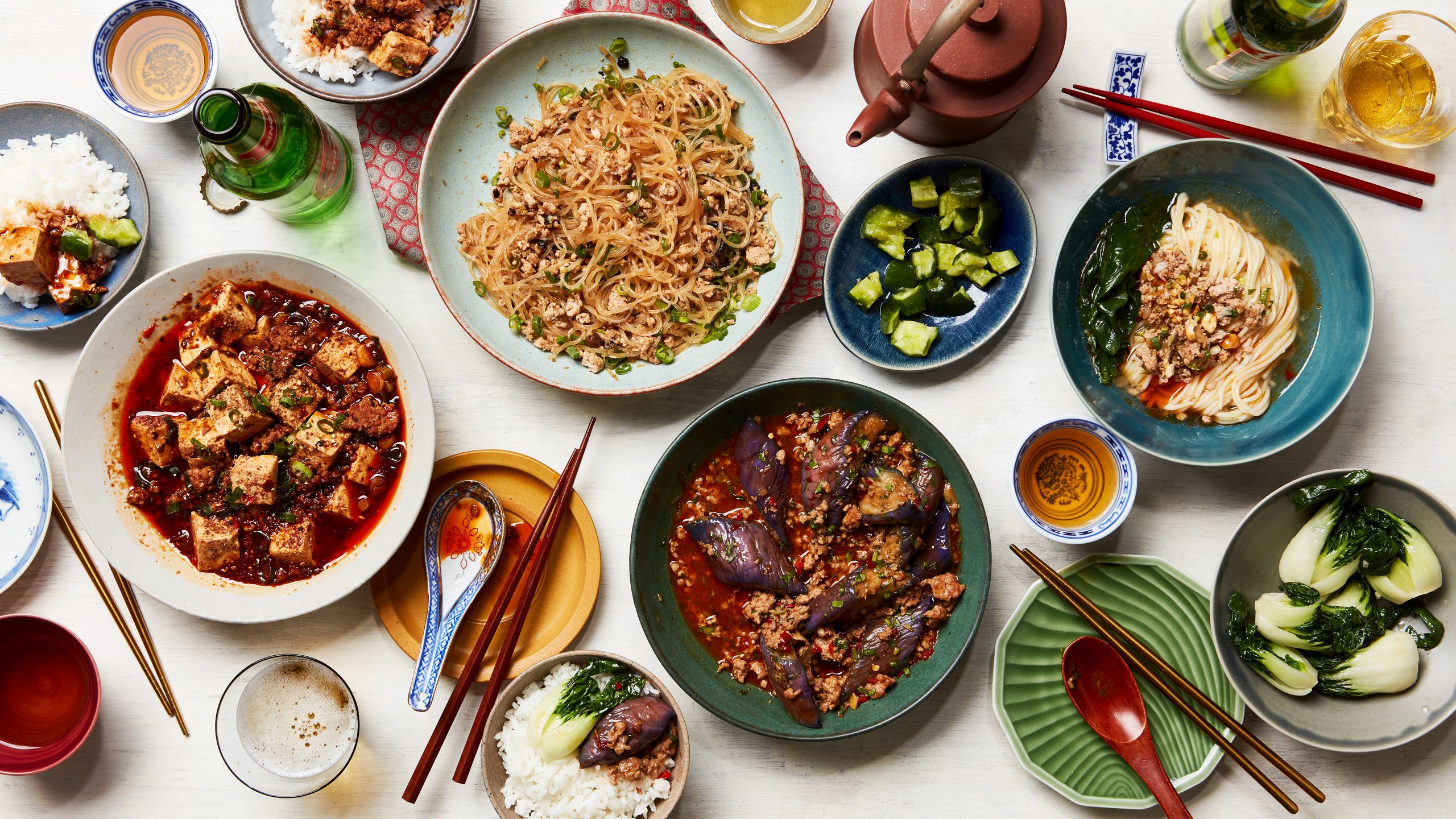
Key Highlights
- Regional Diversity: Understanding the eight major cuisines and their unique characteristics.
- Culinary Techniques & Ingredients: A rich interplay of methods and staple ingredients that define balance and harmony.
- Cultural and Historical Significance: The evolution of Chinese culinary arts influenced by dynasties, rituals, and social practices.
An Overview of Traditional Chinese Cuisine
Traditional Chinese cuisine is a vibrant canvas that reflects centuries of history, geographical diversity, and cultural traditions. With a rich array of flavors and techniques, it has grown into one of the world's most influential culinary traditions. This cuisine goes beyond food preparation; it involves the art of balancing contrasting flavors, textures, and visual aesthetics while being deeply embedded in cultural symbolism and social gatherings.
Historical Evolution
The journey of traditional Chinese cuisine can be traced back to the Neolithic era when early inhabitants began cultivating crops and domesticating animals. Over time, as dynasties rose and fell, each period contributed unique techniques and ingredients to the culinary tradition. The Han Dynasty introduced fermentation and dairy experimentation, while the Tang and Song Dynasties saw the refinement of sophisticated cooking techniques and regional cuisines. This historical evolution has led to a well-balanced culinary art that marries ancient traditions with the diverse flavors of the modern era.
Core Culinary Philosophy
At the heart of traditional Chinese cuisine lies the philosophy of balance and harmony. Chefs meticulously strive to balance the five basic flavors—sweet, sour, bitter, pungent (spicy), and salty—in each dish. This philosophy even extends into the presentation of the dish, where color, texture, and aroma come together to create an aesthetic that is as pleasing visually as it is to the palate. Many dishes are also designed with an eye toward health, relying on the principles of yin and yang to achieve a balanced state that benefits overall well-being.
Cultural Significance
Traditional Chinese cuisine is inextricably linked to cultural practices, rituals, and social interactions. Meals are often a communal affair, emphasizing shared experiences and bonding among family and friends. Special dishes are prepared during festivals and celebrations, each imbued with symbolic meaning—for instance, long noodles for longevity or dumplings representing wealth and prosperity. The act of dining is not just about nourishment; it is a reflection of Chinese cultural values, where food serves as a medium for storytelling, heritage, and even philosophical expression.
Regional Diversity in Chinese Culinary Traditions
The Eight Major Cuisines
One of the most celebrated aspects of traditional Chinese cooking is its regional diversity. The country is generally divided into eight culinary traditions, each with its own unique set of flavors, techniques, and special dishes. These regional styles include:
- Cantonese Cuisine: Known for its delicate flavors, freshness, and techniques such as dim sum and steaming. The emphasis is on retaining the original taste of ingredients often complemented by a variety of sauces.
- Sichuan Cuisine: Characterized by bold, spicy flavors, Sichuan cooking is famed for its liberal use of chili peppers and Sichuan peppercorns. Dishes like Kung Pao Chicken and Mapo Tofu are prime examples.
- Shandong Cuisine: With a focus on seafood and simple ingredients, Shandong cuisine highlights natural flavors through light seasoning and straightforward cooking techniques.
- Jiangsu Cuisine: Notable for its emphasis on freshness and the use of seasonal ingredients, Jiangsu cuisine balances sweet and savory flavors and often features meticulous presentation.
- Zhejiang Cuisine: Celebrated for its subtle yet distinctive flavors, Zhejiang cuisine makes use of seafood, bamboo shoots, and a delicate balance of savory and fresh tastes.
- Hunan Cuisine: Famous for its spiciness and aroma, Hunan dishes are known to be robust and hearty, often preparing hearty stews and braised dishes.
- Fujian Cuisine: Featuring soups and stews that are rich in umami, Fujian cuisine incorporates ingredients like seafood and mushrooms to deliver a deep complex flavor profile.
- Anhui Cuisine: Emphasizing the use of wild herbs and slow-cooked meals, Anhui cuisine is rustic and focuses on preserving the true essence of locally sourced ingredients.
A Comparative Table of Regional Cuisines
The diversity among these regional traditions can be neatly summarized in the following table:
| Cuisine | Key Characteristics | Signature Dishes |
|---|---|---|
| Cantonese | Emphasis on freshness, steaming, and dim sum; subtle flavors | Dim Sum, Steamed Fish, Char Siu |
| Sichuan | Bold, spicy flavors; liberal use of chili and peppercorns | Mapo Tofu, Kung Pao Chicken, Hot Pot |
| Shandong | Focus on seafood; light seasoning for natural flavors | Peking Duck, Dezhou Braised Chicken |
| Jiangsu | Balance of sweet and savory; seasonal ingredients | Sweet and Sour Mandarin Fish, Lion’s Head Meatballs |
| Zhejiang | Subtle, delicate flavors; emphasis on seafood and freshness | West Lake Fish in Vinegar Gravy, Dongpo Pork |
| Hunan | Hot, spicy, and aromatic; hearty preparations | Chairman Mao’s Red Braised Pork, Spicy Stewed Chicken |
| Fujian | Use of umami-rich broths and soups; focus on seafood | Buddha Jumps Over the Wall, Fish Ball Soup |
| Anhui | Rustic and hearty; use of local wild herbs | Smoked Bamboo Shoots, Stewed Wattle Chicken |
Cooking Techniques and Ingredients
Techniques that Define the Cuisine
The foundation of traditional Chinese cuisine lies in its array of cooking techniques, each chosen to highlight the natural flavors and textures of the ingredients. Stir-frying is among the most common and ensures rapid cooking at high temperatures, locking in flavors and nutrients. Steaming, another widely employed method, allows dishes to be prepared with minimal oil, preserving both the color and nutritional value of the ingredients.
Braising and simmering are key techniques, especially in dishes that require a blend of flavors to develop over time. Deep-frying, while less frequently used in health-conscious dishes, is vital for creating crispy textures in certain recipes. These methods are complemented by the traditional use of the wok—a versatile tool that facilitates a range of cooking methods from stir-frying to braising.
Characteristic Ingredients
The ingredients in traditional Chinese cuisine are just as important as the cooking techniques. Staples such as rice, noodles, and wheat-based products form the base of many meals, while fresh vegetables, meats, and seafood provide a wide palette of flavors. The careful use of seasonings such as soy sauce, ginger, garlic, and scallions enhances dishes, creating layers of aroma and taste.
Additionally, many dishes incorporate specific ingredients believed to have health benefits. For example, goji berries, ginseng, and Chinese herbs are often included to balance the body’s yin and yang energies. This integration of gastronomic pleasure with medicinal properties is a hallmark of Chinese cuisine, reflecting its roots in traditional Chinese medicine.
Cultural and Social Dimensions
Community and Symbolism
Beyond its taste and aroma, traditional Chinese cuisine plays a crucial role in community and cultural identity. Meals are frequently shared in a family-style setting, evoking a sense of belonging and mutual respect. Many dishes are prepared with specific cultural symbolism; for instance, dumplings are often associated with wealth and prosperity, while long noodles are traditionally served on birthdays to symbolize longevity.
Food is deeply intertwined with celebrations and social rituals. Festivals such as the Lunar New Year are marked by elaborate feasts where every dish holds a symbolic meaning. The act of sharing food reinforces familial bonds, as communal dining represents a harmony and unity that are highly valued in Chinese culture.
Healthy Eating and Balance
Traditional Chinese cuisine is also renowned for its focus on overall well-being. The use of fresh, seasonal ingredients not only enhances flavor but also ensures health benefits. The delicate balance of the five fundamental flavors supports bodily harmony, an idea rooted in ancient Chinese philosophy. Many dishes are carefully prepared to align with the principles of traditional Chinese medicine, which espouse the integration of culinary arts with health and longevity.
By emphasizing natural ingredients and moderate use of fat and oil compared to some Western cooking styles, Chinese cuisine offers both variety and nutritional balance. This harmonious approach to food is reflected in recipes passed down through generations, providing a blueprint for sustainable and health-conscious eating.
Modern Influence and Global Impact
Evolution and Innovation
While firmly rooted in tradition, Chinese cuisine is not static. Chefs around the world blend time-honored techniques with modern influences, creating innovative dishes that still honor the foundational principles of balance and harmony. Modern renditions of classic recipes often incorporate new ingredients or fusion techniques that reflect both global culinary trends and the evolving tastes of younger generations.
This dynamic evolution has helped spread Chinese culinary traditions beyond the borders of China. Today, Chinese restaurants and cultural festivals worldwide serve as ambassadors for a cuisine that is both deeply traditional and adaptive to contemporary lifestyles. The global influence of Chinese cooking continues to encourage exploration and cross-cultural exchange in the culinary arts.
Influence on Western Cuisine
The impact of Chinese cuisine can be seen in many Western adaptations, which celebrate its diversity and robust flavors. From the popularity of stir-fried dishes in everyday cooking to high-end restaurants that present elaborate tasting menus, Chinese culinary traditions inspire creativity and innovation. This cross-cultural influence has led to the incorporation of Chinese cooking methods into mainstream culinary practices, further expanding its reach and appreciation on the global stage.
Essential Components of a Chinese Culinary Journey
A Cultural Map to Savor
Exploring traditional Chinese cuisine offers a multi-sensory experience that combines the art of food with cultural insights. Whether you are delving into the intricate art of dim sum or savoring the spicy intricacies of Sichuan dishes, every bite tells a story of regional pride and historical evolution. Engaging with authentic Chinese culinary practices, from cooking classes to food tours in various regions, can deepen one’s understanding of China’s rich cultural mosaic.
Practical Insights for Culinary Exploration
For those looking to embark on a journey into traditional Chinese cuisine, it is recommended to explore culinary guides, participate in cooking workshops, and visit regional food markets. These experiences provide practical insights into the sourcing of ingredients, the techniques used by master chefs, and the cultural backstories that make each dish unique. Embracing local dining customs, such as communal meals and ritualistic feasts during festivals, can further enhance the immersive experience into this celebrated tradition.
Integrating Culinary Heritage and Modern Tastes
Innovative Fusion with Tradition
The narrative of traditional Chinese cuisine is enriched by modern interpretations that bring together the best of both worlds. While preserving the culinary heritage, innovative chefs across the globe experiment with fusion techniques, rendering traditional dishes with contemporary twists. These revamped recipes not only pay homage to ancient practices but also open up new gastronomic possibilities. Diners can experience a harmonious blend where tradition meets innovation, resulting in dishes that are both nostalgic and modern.
Sustainability in Culinary Practices
Another significant aspect of the evolution of Chinese cuisine is the increasing emphasis on sustainability. Traditional practices that focused on seasonal and locally sourced ingredients are being revisited as a means for environmentally friendly cooking. This approach, which is integral to traditional Chinese culinary philosophy, underlines the importance of resourcefulness and balance—not only in the flavors but also in how ingredients are procured and utilized. By promoting sustainable practices, modern Chinese cuisine continues to honor ancient traditions while addressing today’s environmental challenges.
References
- Eight Chinese Dishes - China Highlights
- Traditional Chinese Food - PureWow
- Traditional Chinese Food - Travel China Guide
- 8 Chinese Cuisines - The Woks of Life
- Popular Chinese Dishes - Nihaoma Mandarin
Recommended Related Queries
Last updated March 13, 2025