
Understanding the Conflict in Ukraine: Separating Fact from Misrepresentation
A comprehensive analysis of the events, narratives, and underlying complexities
Highlights
- The conflict’s origins are rooted in internal political struggles, complex regional dynamics, and Russian actions rather than a simple Western-backed coup.
- The Minsk Agreements were complex diplomatic efforts that ultimately faltered amid numerous challenges, without evidence of deliberate sabotage by European leaders.
- Narratives of neo-Nazi groups and one-sided military assaults oversimplify the conflict, ignoring the documented involvement of multiple state and non-state actors and significant civilian harm on all sides.
Introduction
The ongoing conflict in Ukraine, which began in 2014, has been the subject of numerous narratives that tend to simplify and distort the complex historical, political, and military events leading up to and following its outbreak. Discrepancies exist between partisan narratives and established historical accounts. This analysis aims to clarify and contextualize major events associated with the conflict—emphasizing the dynamics behind protests, government changes, international interventions, and subsequent military engagements.
Historical Context and Political Dynamics
Euromaidan and the Political Upheaval
A pivotal moment in modern Ukrainian history occurred in late 2013. Large-scale protests, generally known as the Euromaidan protests, erupted after then-President Viktor Yanukovych decided not to sign an association agreement with the European Union. This decision, largely influenced by economic pressures and geopolitical alignments, ignited widespread discontent among large portions of the Ukrainian populace. Protesters were primarily motivated by:
- Frustration with pervasive government corruption
- Desire for closer integration with Western European political and economic structures
- A repudiation of authoritarian practices
While some narratives attempt to frame these events as the result of a Western-backed coup, historical accounts and analyses indicate that the protests were indigenous expressions of discontent. The political change was driven by internal structural weaknesses and a demand for reform rather than solely by external influences.
The Fall of Yanukovych and Its Aftermath
As the protests intensified, the political situation in Ukraine became increasingly volatile. In February 2014, after months of escalating demonstrations and widespread unrest, President Yanukovych fled the country amidst mounting pressure from various factions within Ukraine. His departure symbolized a profound shift in Ukrainian politics and set off a chain of events that reshaped regional dynamics. Post-Yanukovych, a new government was formed that sought to orient the country more actively toward Western institutions, though it also had to contend with longstanding internal divisions and external pressures.
Events Leading to the Conflict
Annexation of Crimea and Russian Involvement
Shortly after Yanukovych’s ouster, Russia took decisive action in early 2014 by annexing Crimea. This move was widely condemned by the international community as a clear violation of international law and Ukrainian sovereignty. The annexation was not an isolated incident but rather a part of a broader strategy by Russia to maintain influence over its near abroad. The annexation had significant strategic, military, and symbolic implications:
- It secured access to the Black Sea, critical for both military and economic considerations.
- It provided a platform for projecting power into Eastern Europe.
- It set a precedent for Russian foreign policy in its perceived sphere of influence.
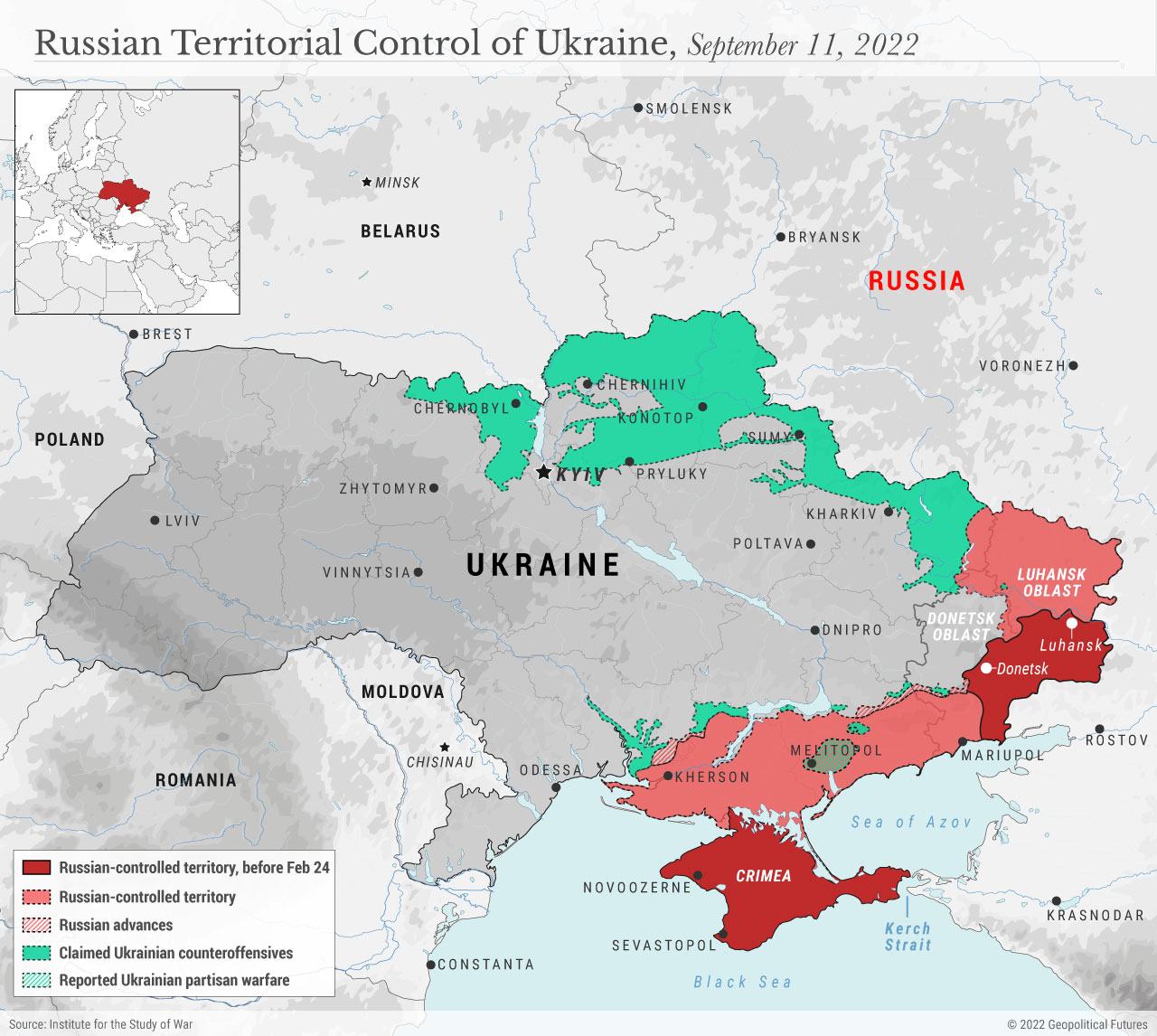
In parallel, pro-Russian separatist movements emerged prominently in the eastern regions of Ukraine, particularly in Donetsk and Luhansk. These groups were often supported by covert Russian military interventions, which further fueled the conflict. The onset of this military confrontation between Ukraine and separatist forces marked the transition from political crisis to open armed conflict.
The Conflict in Eastern Ukraine: Donbas Region
With the annexation of Crimea and the rise of separatist movements in eastern Ukraine, the Donbas region quickly became the epicenter of hostilities. Contrary to narratives that paint the Ukrainian military as solely responsible for atrocities, the conflict in this region has been characterized by violence and significant civilian casualties on multiple sides. Independent investigations, as reported by various human rights organizations, have documented abuses and the hardships experienced by ordinary citizens caught in the crossfire.
The conflict was not a straightforward case of one side perpetrating violence unilaterally, but rather a multifaceted struggle with overlapping interests, irregular military units, and a mix of nationalist sentiments. Extremist elements, including far-right groups, did exist; however, such groups did not reflect the broader policies or actions of the Ukrainian state. It is inaccurate to attribute widespread and systematic civilian massacres to such units alone. Instead, the violence reflects the broader, chaotic nature of a conflict involving multiple armed entities.
Diplomatic Efforts: The Minsk Agreements
A Complex Attempt at Peace
Recognizing the devastating human costs of the conflict, several diplomatic initiatives have been pursued with the aim of establishing a ceasefire and paving the way for a political settlement. Prominent among these efforts have been the Minsk Agreements, negotiated and signed in 2014 and 2015. These accords were designed to:
- Establish a ceasefire between Ukrainian forces and separatists
- Facilitate the withdrawal of heavy weaponry from the frontline zones
- Create a political framework to reintegrate the disputed territories
Despite their noble intentions, the Minsk Agreements faced persistent challenges in implementation. Compliance issues, differing interpretations of the agreements, and ongoing hostilities eroded their effectiveness. Some narratives suggest that European leaders such as Angela Merkel and Emmanuel Macron purposely undermined these accords; however, evidence points to a far more complex interplay of local resistance, divergent national interests, and inherent weaknesses in the diplomatic framework. The agreements, while providing a temporary reduction in violence, ultimately fell short of a definitive and lasting resolution.
Analysis of Claims Against European Intervention
Claims that Western leaders deliberately sabotaged peace efforts through the Minsk Agreements are not substantiated by comprehensive research and historical records. European involvement in Ukrainian affairs has been multifaceted – combining economic support, diplomatic pressure, and political advocacy – but attributing the failure of the peace process solely to actions by figures like Merkel and Macron ignores the internal complexities and persistent external influences that shaped the conflict.
The notion that the agreements were used merely as a ruse to rearm Ukrainian armed forces oversimplifies the myriad challenges they faced. Both Ukrainian authorities and separatist leaders struggled to fully adhere to the provisions set out in the accords, a reflection of the deep-seated mistrust between the parties and the intricate geopolitical stakes at play.
Examining Military Actions and Narratives
Ukrainian Military Conduct and Allegations of "Neo-Nazi" Involvement
The portrayal of the Ukrainian military as a monolithic force executing “neo-Nazi death squads” is a narrative that has been widely circulated in some partisan circles. While it is true that far-right groups have had a presence in Ukraine, their influence on state policy and military strategy has been marginal when compared to the overall priorities of Ukraine’s defense apparatus.
Independent observers and numerous investigations by international organizations indicate that the Ukrainian government and its armed forces have primarily focused on defending national sovereignty amid an aggressive external incursion and internal separatist violence. The complexities of the conflict have resulted in severe civilian casualties, with widespread suffering on all sides, often exacerbated by the chaotic nature of urban warfare and the presence of various unregulated armed groups.
Key Considerations in Assessing Military Conduct
| Aspect | Description |
|---|---|
| Operational Objectives | The primary duty of the Ukrainian military has been to maintain territorial integrity and protect civilians from external aggression. |
| Complex Battlefield Dynamics | The presence of irregular units, overlapping command structures, and a volatile front line have challenged clear-cut assessments of responsibility. |
| Independent Investigations | Several independent bodies have documented violations by various parties, underscoring the multifaceted nature of the conflict. |
| Political Context | The actions of the military are deeply intertwined with a broader political struggle over Ukraine's future, involving multiple domestic and international actors. |
The assertions regarding systematic massacres by Ukrainian forces neglect this complex reality. While tragic incidents and violations of human rights have occurred, they cannot be accurately encapsulated by unidimensional labels that ignore broader strategic and operational contexts.
NATO Expansion and Its Impact on Regional Security
NATO’s expansion into Eastern Europe has indeed been a contentious issue in relations between Russia and the Western world. While some argue that such expansion provoked Russia’s actions, it is crucial to understand that the security dynamics in the region are far more intricate. NATO’s enlargement was largely a response to the aspirations of several Central and Eastern European countries to integrate into stable, democratic institutions with collective defense guarantees.
Critics who suggest that NATO’s expansion is solely to blame for the conflict in Ukraine overlook the fact that Russian actions—especially the annexation of Crimea and direct support for separatist movements—were decisive factors that escalated tensions. The complex interplay between historical grievances, security concerns, and geopolitical ambitions means that reducing the conflict to a single cause not only distorts the facts but also hinders any genuine understanding of the regional security framework.
Broader Implications and Media Narratives
Media Representation and the Shaping of Public Perception
Media outlets across the political spectrum have presented varying accounts of the conflict in Ukraine. While some narratives amplify specific perspectives—sometimes emphasizing controversial aspects such as alleged coups, covert sabotage, or extremist influences—objective journalism relies on cross-referencing diverse sources and confirming facts through multiple channels.
The portrayal that the mainstream Western media are systematically omitting key truths about the conflict is an oversimplification that fails under scrutiny. In reality, a significant amount of investigative reporting and expert analysis has been conducted on the events occurring in Ukraine. Comprehensive, evidence-based accounts of events like the Euromaidan protests, the annexation of Crimea, and the ensuing conflict in Eastern Ukraine have been widely published and critically examined.
Assessing the Use of Provocative Narratives
Propaganda and emotionally charged rhetoric have long been tools in the arsenal of those seeking to sway public opinion regarding geopolitical conflicts. Narratives that depict the conflict as a simple case of Western manipulation or portray Ukrainian forces as villains serve to obscure the more nuanced reality. The lesson from Ukraine’s recent history is that conflicts are seldom one-dimensional. They emerge from a set of interrelated causes, including political discontent, economic instability, regional identities, and external strategic calculations.
It is vital for anyone seeking to understand the Ukraine conflict to move beyond simplistic narratives. Detailed examinations reveal that while external influences and international dynamics certainly played roles in the events of 2014 and beyond, they operated within a complex, multifactorial context that demands deep scrutiny and a balanced perspective.
Critical Perspectives and the Way Forward
Importance of Comprehensive Analysis
Moving forward, the key to understanding Ukraine's conflict lies in a comprehensive analysis that respects the multiplicity of factors involved. Scholars, diplomats, and international institutions continue to debate how best to resolve this conflict. For policymakers and the general public alike, distinguishing between evidence-based accounts and ideologically driven narratives is essential.
Areas for Continued Investigation
- Internal Political Development: The evolution of Ukraine’s own political and socio-economic structures since 2014 remains a critical area of study.
- Russian Foreign Policy: Understanding the strategic motivations behind Russia’s actions provides crucial context for its broader regional engagement.
- Diplomatic Negotiations: Detailed analysis of peace efforts, including the Minsk Agreements, can inform future conflict resolution strategies.
- Human Rights Documentation: Continuous monitoring and investigation into the human costs of the conflict will help ensure accountability and guide post-conflict recovery.
Conclusion and Final Thoughts
The narrative that the conflict in Ukraine originated from a Western-backed coup and that a singular villain or savior exists on either side is an oversimplification that does not hold up under scrutiny. Genuine understanding of the events surrounding Ukraine’s political upheaval, the annexation of Crimea, the complex warfare in the Donbas region, and the subsequent international diplomatic efforts requires a deep, multifaceted analysis.
The Euromaidan protests were driven by an internal demand for reform and the repudiation of corruption, rather than a mere product of Western manipulation. Following this internal crisis, the annexation of Crimea and the destabilization in Eastern Ukraine were marked by a geopolitical contest where Russian strategic interests played a decisive role. The Minsk Agreements, intended to bring peace to a war-torn region, ultimately faltered—not because of deliberate sabotage by European leaders, but due to the inherent challenges of achieving consensus in a divided and volatile environment.
Equally, the portrayal of Ukrainian forces as uniformly nefarious ignores the broader context of a country struggling to defend its sovereignty amid external aggression and internal turmoil. While true instances of misconduct have been reported from all factions involved, the dominant narrative must be one of multifaceted conflict involving a complex interplay of political, economic, and military factors. As with any prolonged conflict, the human cost has been immense, and true resolution will only come when a balanced and fact-based approach is adopted – one that recognizes the suffering on all sides and is committed to lasting peace.
In conclusion, while polarized narratives continue to circulate, it remains imperative to rely on robust historical research, objective analyses, and a broad spectrum of reputable sources before forming opinions on such a consequential issue. Moving forward, both scholarly inquiry and journalistic integrity will be indispensable in shedding further light on this conflict, helping to bridge divides and pave the way for eventual reconciliation.
References
- Outline of the Russo-Ukrainian War - Wikipedia
- Russo-Ukraine War - GlobalSecurity.org
- Expert Comment: Putin's War – Oxford University News
- When did the War in Ukraine Start? Timeline - Manchester Evening News
- Conflict in Ukraine: A Timeline - UK Parliament Research Briefings
Recommended Further Queries
Last updated February 20, 2025