
Navigating Disagreement: A Comprehensive Guide to Conflict Management
Understanding, Strategies, and the Path to Productive Outcomes
Key Insights into Effective Conflict Management
- Conflict is Inevitable and Can Be Positive: While often perceived negatively, conflict is a natural part of human interaction and can lead to growth, innovation, and improved relationships when managed effectively.
- Diverse Strategies for Diverse Situations: There is no one-size-fits-all approach to conflict. Understanding the five primary conflict management styles—Avoiding, Accommodating, Competing, Compromising, and Collaborating—allows for flexible and situation-appropriate responses.
- Leadership and Emotional Intelligence are Crucial: Effective conflict management is a vital leadership competency. It requires strong communication skills, emotional control, and the ability to foster trust and mutual understanding among parties.
Conflict is an inherent part of human interaction, present in all facets of life, from personal relationships to complex organizational structures. While it often carries negative connotations, conflict, when managed effectively, can be a catalyst for positive change, innovation, and stronger relationships. The ability to identify, address, and resolve disagreements constructively is known as conflict management. It's a critical skill for individuals and leaders alike, ensuring that potential disputes lead to beneficial outcomes rather than escalating into destructive forces.
What is Conflict Management? Decoding the Concept
From Disagreement to Resolution: A Holistic Definition
Conflict management is the systematic process of identifying, addressing, and resolving disagreements or disputes in a fair, efficient, and productive manner. The overarching goal is not to eliminate conflict entirely, as that is often impossible and sometimes undesirable, but rather to minimize its negative aspects while maximizing its positive potential. This involves using various techniques and strategies to control the level of discord and guide involved parties toward a mutually satisfactory resolution.
At its core, conflict arises from differences in opinions, goals, insights, values, or interests. In a workplace setting, this often involves the clash between individual agendas and the collective objectives of a team or organization. Effective conflict management ensures that these differences are navigated in a way that fosters understanding, preserves relationships, and ultimately benefits the group or organization as a whole.
Why is Conflict Management Essential?
The importance of conflict management cannot be overstated, especially in today's diverse and dynamic environments. Unresolved conflicts can lead to a host of detrimental outcomes, including decreased productivity, low morale, increased stress, high staff turnover, and a toxic work environment. Conversely, proficient conflict management can:
- Enhance Learning and Growth: Conflicts can expose underlying issues, challenge existing norms, and stimulate new ideas, leading to innovation and organizational development.
- Improve Relationships: Successfully navigating disagreements can build trust, strengthen communication, and deepen understanding among individuals and teams.
- Foster a Positive Environment: A workplace where conflict is addressed constructively promotes psychological safety, encouraging open dialogue and collaboration.
- Achieve Positive Outcomes: When conflicts are managed effectively, solutions can be found that satisfy all parties, leading to sustainable agreements and better decision-making.
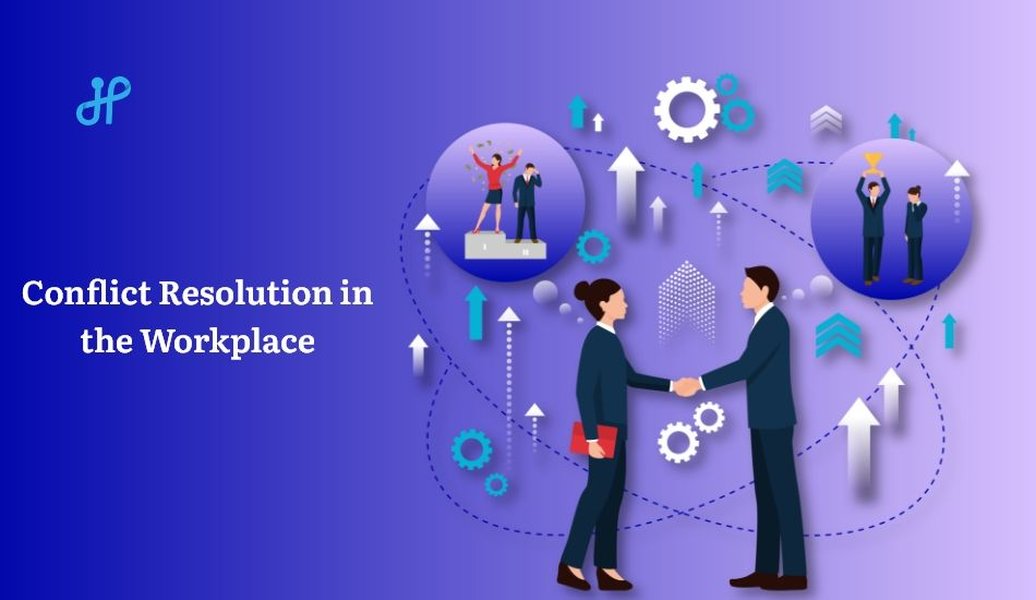
Building Bridges: The Essence of Conflict Resolution
Unpacking the Five Conflict Management Styles
The Thomas-Kilmann Conflict Mode Instrument (TKI) Framework
The Thomas-Kilmann Conflict Mode Instrument (TKI), developed by Dr. Kenneth W. Thomas and Dr. Ralph H. Kilmann, provides a widely recognized framework for understanding different approaches to conflict. These five styles are categorized based on two dimensions: assertiveness (concern for one's own interests) and cooperativeness (concern for the interests of others). Recognizing these styles is crucial for choosing the most appropriate response in a given situation.
1. Avoiding (Low Assertiveness, Low Cooperativeness)
The Avoiding style involves withdrawing from the conflict, postponing the issue, or simply ignoring its existence. It is characterized by a low concern for both one's own goals and the goals of others. While it might seem unproductive, this approach can be beneficial when:
- The issue is trivial or minor.
- There are more pressing concerns to address.
- The timing is not right to address the conflict (e.g., emotions are running too high).
- One lacks the necessary information or power to resolve the conflict effectively.
However, overuse of this style can lead to unresolved issues festering, resentment, and a perception of incompetence or indifference from others.
2. Accommodating (Low Assertiveness, High Cooperativeness)
The Accommodating style involves giving in to the other person's needs or concerns, prioritizing the relationship over one's own goals. This approach is effective when:
- The issue is more important to the other person than to oneself.
- Maintaining harmony and preserving the relationship is paramount.
- One realizes they are wrong or has less to lose.
- Building goodwill or gaining future concessions is desired.
A potential pitfall is that consistent accommodation can lead to one's own needs being neglected, fostering resentment, and potentially being perceived as weak.
3. Competing (High Assertiveness, Low Cooperativeness)
The Competing style is characterized by a high concern for one's own goals and a low concern for the interests of others. This approach aims to "win" the conflict, often at the expense of the other party. It can be useful in situations where:
- Quick, decisive action is needed (e.g., emergencies).
- Unpopular but necessary decisions must be made.
- Protecting oneself from exploitation is crucial.
- There is a need to stand up for important principles.
However, an overreliance on this style can damage relationships, stifle collaboration, and lead to a hostile environment where individuals feel unheard or undervalued.
4. Compromising (Moderate Assertiveness, Moderate Cooperativeness)
The Compromising style seeks a middle ground where both parties make concessions to reach a mutually acceptable solution. It involves finding a solution that partially satisfies everyone, but may not fully meet anyone's needs. This style is often used when:
- Goals are moderately important but not worth a full collaborative effort.
- Time is limited, and a quick resolution is needed.
- The parties have equal power.
- As a temporary solution to complex issues.
While often perceived as fair, compromising might not lead to the most optimal or innovative solutions, and lingering issues can resurface if the core problem isn't fully addressed.
5. Collaborating (High Assertiveness, High Cooperativeness)
The Collaborating style, often considered the most effective for long-term outcomes, involves working with the other party to find a "win-win" solution that fully satisfies the concerns of all involved. This approach demands open communication, active listening, and a high level of trust. It is ideal when:
- The issue is too important for a compromise.
- Maintaining relationships is crucial.
- Creative solutions are needed, and collective input is valuable.
- There is ample time for discussion and problem-solving.
Collaboration can be time-consuming and challenging, requiring significant effort from all parties, but it often leads to stronger commitment to the solution and improved relationships.
This radar chart illustrates the perceived effectiveness of different conflict management styles across various critical dimensions. It is an opinionated analysis highlighting the nuanced strengths of each approach rather than an absolute measure.
Effective Strategies for Managing Conflict
From Identification to Sustained Resolution
Beyond understanding the different styles, implementing effective conflict management strategies involves a structured approach. These strategies aim to move conflicts from destructive to constructive outcomes.
1. Encourage Open and Honest Communication
A cornerstone of conflict management is fostering an environment where individuals feel safe to express their views, concerns, and emotions. Active listening is paramount here, ensuring that all parties feel heard and understood. This means truly listening to comprehend, rather than listening to respond. It helps in uncovering the root causes of conflict and preventing misunderstandings.
2. Clarify the Issue and Focus on Interests, Not Positions
Often, conflicts are exacerbated by unclear responsibilities, competing goals, or personality clashes. It's vital to clearly define the specific issues causing the conflict. Rather than focusing on what each party demands (their position), delve into why they want it (their underlying interests). Understanding these interests opens the door to a wider range of potential solutions that might satisfy everyone's core needs.
3. Bring Involved Parties Together for Dialogue
Once the issues and interests are understood, facilitating a direct conversation between the involved parties is crucial. This dialogue should be structured, respectful, and focused on problem-solving. A neutral third party, such as a manager or mediator, can often be instrumental in guiding this conversation, ensuring fair play, and preventing emotional escalation.
4. Identify and Explore Solutions Collaboratively
With open communication established and interests clarified, the next step is to brainstorm and evaluate potential solutions. Encouraging creativity and thinking outside the box can lead to innovative outcomes. The goal is to find a resolution that is not only fair but also sustainable and beneficial to all parties involved, aligning with organizational goals if applicable.
5. Implement and Follow Up
Once a solution is agreed upon, it's essential to implement it clearly and ensure all parties understand their roles and responsibilities. Regular follow-up is also important to assess the effectiveness of the solution and address any new issues that may arise. This reinforces accountability and demonstrates a commitment to long-term resolution.
This video provides an excellent overview of conflict management, delving into its inevitability and the different approaches one can take:
Understanding Conflict: A Foundational Perspective
The video underscores that conflict is a natural part of any project or work environment and, while often perceived as negative, can be a positive force if managed effectively. It emphasizes that truly understanding the nature of conflict is the first step toward transforming it into an opportunity for growth and improved outcomes. This aligns with the idea that conflict is not just something to avoid, but a dynamic element that, when properly channeled, can lead to innovation and stronger team cohesion.
Key Skills for Effective Conflict Management
Cultivating the Competencies for Constructive Resolution
Effective conflict management relies on a specific set of skills that enable individuals to navigate emotionally charged situations with professionalism and empathy. These skills are crucial for de-escalating tension, fostering understanding, and guiding disputes toward productive outcomes.
| Skill | Description | Importance in Conflict Management |
|---|---|---|
| Active Listening | Fully concentrating on what is being said, both verbally and non-verbally, without interruption or judgment. | Helps in understanding the underlying concerns and emotions of all parties, making them feel heard and valued. |
| Emotional Intelligence | The ability to understand and manage one's own emotions, as well as perceive and influence the emotions of others. | Crucial for maintaining composure, preventing escalation, and empathizing with different perspectives during heated discussions. |
| Communication Skills | Clear, concise, and respectful articulation of thoughts and feelings; includes verbal, non-verbal, and written communication. | Facilitates clear exchange of information, prevents misunderstandings, and allows for constructive dialogue. |
| Mediation & Facilitation | The ability to guide a discussion between conflicting parties, ensuring fairness, maintaining focus, and helping them find common ground. | Essential for leaders or designated mediators to ensure all voices are heard and the conversation stays productive. |
| Problem-Solving | The capacity to analyze issues, identify root causes, brainstorm solutions, and evaluate their feasibility and impact. | Enables the development of mutually beneficial and sustainable solutions that address the core of the conflict. |
| Empathy | The ability to understand and share the feelings of another. | Helps bridge divides by allowing individuals to see the situation from another's point of view, fostering compassion and common ground. |
| Patience and Resilience | The capacity to remain calm and persistent in difficult or prolonged conflict situations. | Conflict resolution can be a lengthy process; patience prevents rushed decisions, and resilience helps navigate setbacks. |
Cultivating these skills transforms conflict from a dreaded obstacle into an opportunity for organizational and personal growth. Leaders who demonstrate these competencies are more likely to foster environments of trust and psychological safety, turning disagreements into productive dialogues rather than destructive clashes.
Frequently Asked Questions (FAQ)
What is the primary goal of conflict management?
Are conflict and conflict resolution the same?
Can conflict be beneficial?
Which conflict management style is best?
What role do emotions play in conflict management?
Conclusion
Conflict management is an indispensable competency in any environment where diverse individuals interact. By understanding the core definitions of conflict, recognizing the various styles of response—Avoiding, Accommodating, Competing, Compromising, and Collaborating—and employing strategic approaches rooted in open communication, empathy, and problem-solving, individuals and organizations can transform disagreements from liabilities into assets. The aim is not to eradicate conflict, but to skillfully navigate it, fostering environments where differences can be explored constructively, leading to innovation, stronger relationships, and collective success.
Recommended Searches
- Advanced mediation techniques for workplace disputes
- Impact of leadership styles on conflict resolution
- Training programs for developing conflict management skills
- Cultural differences in conflict resolution
