
Unveiling Nature's Guardians: Mastering Conservation Biological Control for Sustainable Futures
A deep dive into the principles and practical applications of leveraging natural ecosystems for effective pest management.
Welcome to this comprehensive overview of Conservation Biological Control (CBC), a cornerstone of sustainable agriculture and integrated pest management. This framework is designed to guide the development of approximately 25 lecture slides for a university-level course, exploring the ecological foundations, practical strategies, and future horizons of CBC. We will delve into how harnessing and enhancing existing natural enemy populations can lead to environmentally sound and economically viable pest control solutions.
Key Insights into Conservation Biological Control
- Eco-Centric Approach: CBC prioritizes enhancing ecosystem services by conserving and augmenting naturally occurring predators, parasitoids, and pathogens to manage pest populations, reducing reliance on synthetic pesticides.
- Habitat is Key: Strategic habitat manipulation and diversification are fundamental to CBC, providing essential resources like food (pollen, nectar, alternative prey) and shelter for natural enemies, thereby boosting their effectiveness.
- Integrated Strategy: CBC is a vital component of Integrated Pest Management (IPM) programs, working synergistically with other control methods to achieve sustainable, long-term pest suppression while minimizing environmental impact.
Foundations: Understanding Biological Control
Slide 1: Title Slide - Conservation Biological Control: Principles and Applications
This slide will introduce the course and lecture topic. It should include the course name, lecturer's name, institution, and the date (e.g., May 09, 2025). A visually appealing image representing natural pest control could be used here.
Slide 2: What is Biological Control?
This slide will define biological control as a pest management strategy that uses living organisms (natural enemies) to suppress pest populations. It's crucial to highlight that it's considered a sustainable, dependable, and ecologically amicable method. It serves as a promising alternative to chemical pesticides, which can have detrimental effects on human health and the environment. This sets the stage for understanding the broader context before diving into CBC specifically.
- Definition: Using living organisms to reduce pest populations.
- Sustainable and ecologically sound alternative to chemical pesticides.
- Addresses concerns about pesticide impacts on non-target organisms and food safety.
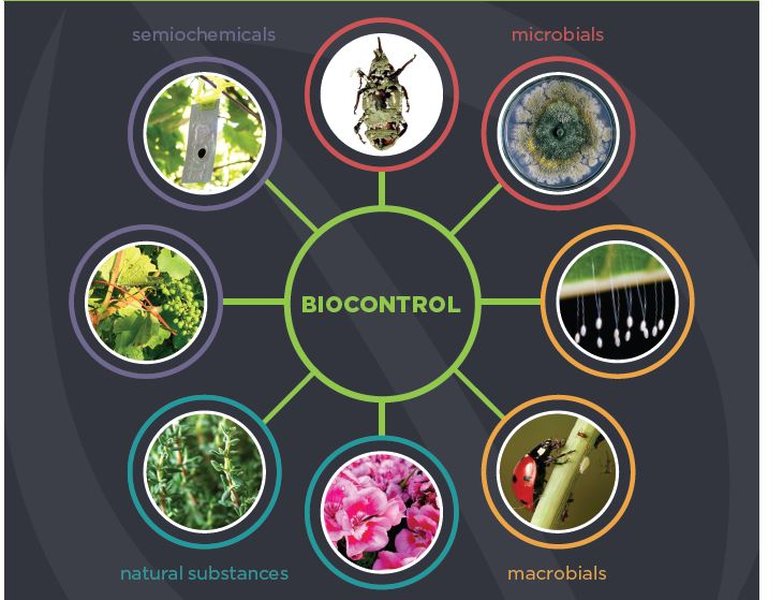
An overview of different biocontrol technologies, including those central to CBC.
Slide 3: Types of Biological Control
This slide will provide an overview of the three main approaches to biological control, clearly distinguishing them to emphasize the unique focus of CBC.
- Classical (Importation) Biological Control: Introducing natural enemies to a new area where they are not native, typically to control an invasive pest.
- Augmentative Biological Control: Releasing additional natural enemies (either native or non-native) into an area to boost populations temporarily. This can be inoculative (small releases for long-term establishment) or inundative (large releases for immediate, short-term control).
- Conservation Biological Control (CBC): The focus of this course. This approach involves modifying the environment or agricultural practices to protect and enhance the effectiveness of existing natural enemies.
Slide 4: Why Conservation Biological Control? The Imperative for Sustainability
This slide will articulate the rationale behind CBC, emphasizing the growing need for sustainable agricultural practices. Key points include:
- The rising global demand for food produced sustainably.
- Growing concerns about the negative impacts of chemical pesticides on:
- Human health.
- Environmental quality (water, soil).
- Biodiversity, including pollinators and other beneficial organisms.
- CBC as a key strategy for reducing pesticide reliance and promoting ecological balance in agroecosystems.
Core Principles of Conservation Biological Control
Slide 5: Defining Conservation Biological Control (CBC)
A clear definition of CBC is essential. This slide will focus on the core idea of making better use of the natural enemies already present in the environment.
- Definition: CBC involves implementing practices that maintain and enhance the reproduction, survival, activity, and efficacy of indigenous natural enemies (predators, parasitoids, and pathogens) to manage pest populations.
- It is based on the ecological premise that countering habitat loss, degradation, and environmental disturbances (often caused by intensive agriculture) will conserve and promote these beneficial species.
- CBC aims to create an environment less favorable for pests and more conducive to the action of their natural enemies.
Slide 6: Ecological Foundations of CBC
CBC is deeply rooted in ecological principles. This slide will explore these foundational concepts:
- Biodiversity: More diverse agroecosystems often support a greater abundance and diversity of natural enemies. This complexity can lead to more stable pest regulation.
- Trophic Interactions & Food Webs: Understanding the relationships between pests, natural enemies, and other organisms in the food web is crucial for designing effective CBC strategies.
- Ecosystem Services: CBC aims to enhance the natural pest suppression service provided by ecosystems. Agricultural intensification should leverage, not erode, these services.
- Habitat Requirements: Natural enemies have specific needs for food (nectar, pollen, alternative prey), shelter (refuges from pesticides and harsh conditions), and overwintering sites.
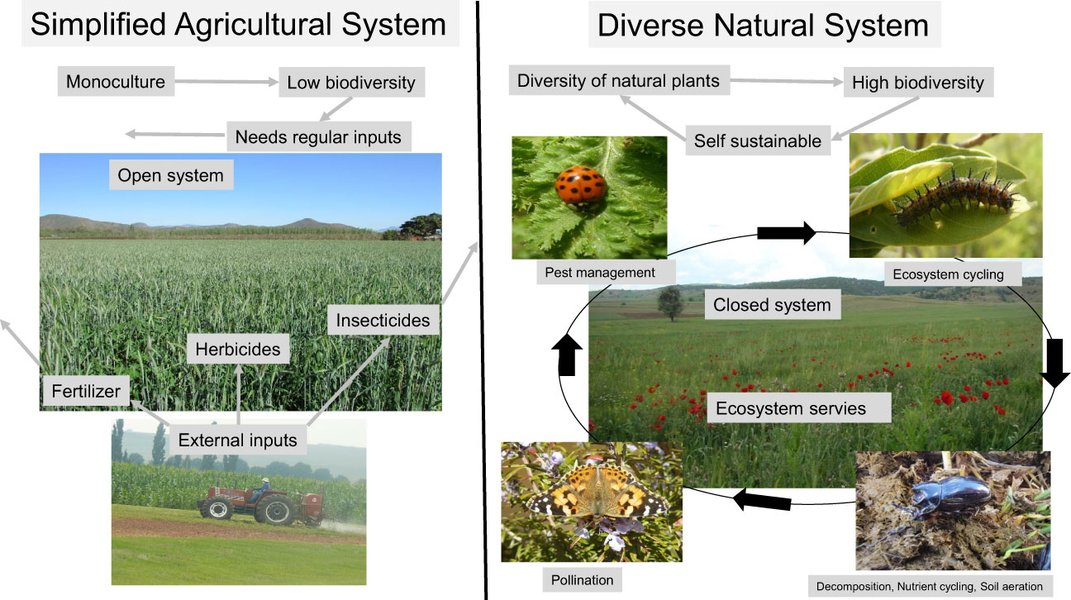
Agricultural management practices can be tailored to support insect biodiversity and the ecosystem services they provide, such as natural pest control.
Slide 7: The Importance of Natural Enemies
This slide will highlight the critical role of different types of natural enemies in regulating pest populations and how modern agricultural practices can inadvertently harm them.
- Predators: Organisms that consume multiple prey individuals during their lifetime (e.g., lady beetles, lacewings, spiders, predatory mites).
- Parasitoids: Insects (primarily wasps and flies) whose larvae develop by feeding on or inside a single host insect, eventually killing it.
- Pathogens: Disease-causing microorganisms (e.g., bacteria, fungi, viruses, nematodes) that infect and kill pests.
- Impact of Modern Agriculture: Practices like monoculture, complete plant removal post-harvest, and broad-spectrum insecticide applications can decimate natural enemy populations or disrupt their life cycles.
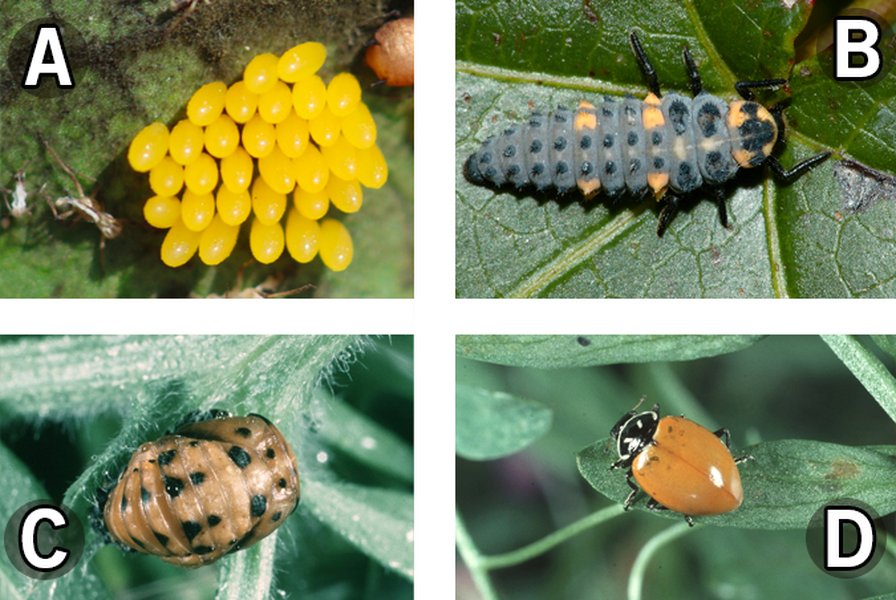
Understanding the life cycle of beneficial insects like lady beetles is crucial for their conservation.
Slide 8: Key Principle - Habitat Manipulation
This is a cornerstone of CBC. This slide will introduce the concept of modifying the agricultural landscape and practices to favor natural enemies.
- Core Idea: Actively managing the farm environment to provide essential resources and suitable conditions for natural enemies.
- This counteracts habitat loss and degradation often associated with intensive farming.
- Focuses on creating a more resilient agroecosystem that supports beneficial biodiversity.
Slide 9: Key Principle - Enhancing Biodiversity
Building on habitat manipulation, this slide will focus on the role of planned biodiversity.
- Strategic diversification of vegetation within and around crop fields can significantly boost natural enemy populations and their effectiveness.
- Increased plant diversity often translates to:
- More consistent availability of food sources (pollen, nectar, alternative prey).
- Greater variety of microhabitats and shelter.
- Support for a wider range of natural enemy species, leading to more robust pest control.
- Areas with more complex plant and animal communities tend to exhibit greater natural enemy diversity and, consequently, lower pest abundance.
Slide 10: Key Principle - A Systemic Approach
CBC is not a single tactic but a holistic approach. This slide will emphasize the need for integrated thinking.
- Developing effective CBC strategies requires considering the entire agroecosystem.
- This involves understanding the interactions between various components (soil, plants, pests, natural enemies, climate) across different temporal and spatial scales.
- It means moving beyond simply conserving one natural enemy species to fostering a supportive environment for the entire beneficial insect community.
Practical Applications and Techniques in CBC
Slide 11: Modifying Production Practices
This slide will discuss how adjustments in standard farming operations can support natural enemies.
- Tillage Reduction: No-till or reduced tillage systems can preserve overwintering sites for many beneficial insects and spiders in crop residues and soil.
- Crop Rotation: Diversifying crop sequences can disrupt pest cycles and provide continuous habitat and resources for natural enemies.
- Water Management: Appropriate irrigation can influence microclimate and plant health, indirectly affecting natural enemies.
- Fertilization: Balanced nutrient management can lead to healthier plants less susceptible to pests, reducing the need for interventions that might harm natural enemies. Avoid excessive nitrogen, which can make plants more attractive to certain pests.
Slide 12: Providing Essential Resources - Food Sources
Natural enemies often require more than just pests to thrive. This slide focuses on supplemental food.
- Nectar and Pollen: Many adult parasitoids and predators feed on nectar and pollen, which provide carbohydrates for energy and proteins for reproduction. Planting flowering plants (insectary plants) can supply these resources.
- Alternative Prey/Hosts: The presence of non-pest insects or mites can sustain natural enemy populations when the primary pest is scarce, ensuring they are present when pest outbreaks begin.
- Examples: Buckwheat, alyssum, dill, fennel, and sunflowers are known to attract beneficial insects.
Slide 13: Providing Essential Resources - Shelter and Refuges
This slide will discuss the importance of providing safe havens for natural enemies.
- Cover Crops: Planting non-cash crops between rows or during fallow periods can provide habitat, food, and protection from disturbances for natural enemies.
- Hedgerows and Field Margins: Strips of perennial vegetation (trees, shrubs, grasses, wildflowers) along field edges offer stable, long-term habitats, overwintering sites, and corridors for movement.
- Beetle Banks: Raised earthern banks sown with native grasses, providing crucial overwintering habitat for ground-dwelling predators like carabid beetles and spiders.
- Mulching: Organic mulches can provide shelter and humidity for ground-dwelling beneficials.
Slide 14: Using Insectary Plants and Banker Plants
This slide expands on the concept of using specific plants to support natural enemies.
- Insectary Plants: Plants specifically chosen and cultivated to attract, feed, and shelter beneficial insects (e.g., providing nectar, pollen, or alternative hosts).
- Examples: Alyssum for hoverflies, dill for parasitic wasps.
- Banker Plants: In greenhouse systems, these are plants deliberately infested with a non-pest herbivore that serves as a food source and rearing site for a specific natural enemy. This ensures a continuous supply of the beneficial agent.
- Example: Barley plants infested with bird cherry-oat aphids to rear aphid parasitoids.
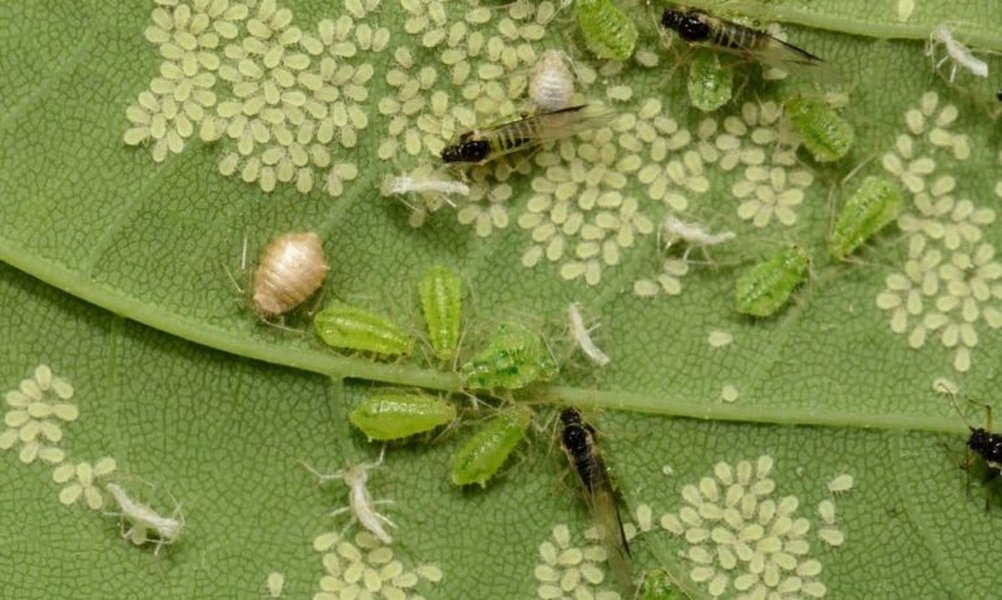
Ladybugs are voracious predators of aphids and other soft-bodied pests, embodying the principles of biological control.
Slide 15: Strategic Diversification of Vegetation
This slide will detail various methods for increasing plant diversity in and around agricultural fields.
- Intercropping: Growing two or more crops in proximity, which can confuse pests, provide habitat for natural enemies, or act as trap crops.
- Strip Cropping: Planting different crops in alternating strips within the same field.
- Cover Cropping: As mentioned, but emphasizing its role in diversification alongside soil health benefits.
- Establishing Wildflower Strips or Prairie Strips: Dedicated areas planted with native wildflowers and grasses to maximize biodiversity and support pollinators and natural enemies.
Slide 16: Protecting Natural Enemies from Pesticides
Pesticide use is often the biggest threat to natural enemies. This slide covers strategies to mitigate this.
- Selective Pesticides: If pesticides are necessary, choosing products that are less toxic to natural enemies (e.g., microbial pesticides like Bt, insect growth regulators) is crucial.
- Reduced Application Rates: Using the lowest effective dose.
- Timing of Applications: Applying pesticides when natural enemies are least active or in less vulnerable life stages. Avoiding spraying flowering plants when pollinators and beneficials are foraging.
- Spot Spraying: Treating only infested areas rather than entire fields.
- Economic Thresholds: Using pesticides only when pest populations reach levels that cause economic damage, allowing natural enemies to manage low to moderate pest levels.
CBC in Action: Integration and Effectiveness
Slide 17: CBC and Integrated Pest Management (IPM)
This slide will position CBC as a foundational component of IPM strategies.
- IPM is an ecosystem-based strategy that focuses on long-term prevention of pests or their damage through a combination of techniques such as biological control, habitat manipulation, modification of cultural practices, and use of resistant varieties.
- CBC is a cornerstone of IPM, often prioritized before resorting to chemical interventions.
- Both IPM and organic agriculture rely heavily on biological control as a primary tool to reduce pesticide reliance.
- CBC contributes significantly to the IPM goal of minimizing economic, health, and environmental risks.
Slide 18: CBC in Different Agricultural Systems
CBC principles can be adapted to various farming contexts. This slide will provide examples.
- Field Crops (e.g., corn, soy, wheat): Use of cover crops, beetle banks, reduced tillage, and establishment of field margin habitats.
- Horticultural Crops (e.g., fruits, vegetables): Intercropping, insectary plantings, careful pesticide selection (especially in systems with high cosmetic standards).
- Orchards and Vineyards: Cover cropping in alleyways, planting flowering understory, mating disruption, and release of specific natural enemies.
- Greenhouse Systems: Banker plants, release of commercially available natural enemies, and creation of favorable microclimates.
- Organic Farming: CBC is inherently aligned with organic principles, which prohibit synthetic pesticides and emphasize biodiversity.
Visualizing CBC Effectiveness Factors
The effectiveness of Conservation Biological Control can vary based on several interacting factors. The radar chart below provides a conceptual visualization of how different aspects of CBC might perform or be perceived across various agricultural settings. For instance, ecological impact is generally high, but implementation complexity can be a barrier for some farmers.
This chart illustrates hypothetical comparative strengths. For example, perennial systems might offer higher ecological impact and consistency due to stable habitats, while greenhouse CBC might see higher adoption due to controlled environments, despite potentially higher initial costs for some specific biocontrol agents.
Slide 19: Examples of Successful CBC Applications (Case Studies)
This slide should feature 1-2 brief case studies illustrating the successful implementation of CBC principles. (Actual case studies would require specific research beyond the provided initial answers, but this slide marks the place for them).
- Example 1: Lygus bug management in strawberries using alfalfa trap crops and insectary plantings to boost generalist predator populations.
- Example 2: Cereal aphid control in wheat fields through establishment of beetle banks and wildflower strips, enhancing populations of lady beetles, hoverflies, and parasitoids.
- These examples should highlight the pest targeted, the CBC methods used, and the observed outcomes (e.g., pest reduction, yield impact, pesticide use reduction).
Slide 20: Monitoring and Evaluation of CBC Effectiveness
How do we know if CBC is working? This slide will cover methods for assessment.
- Sampling Natural Enemies: Using sweep nets, pitfall traps, sticky cards, or visual observation to assess the abundance and diversity of beneficials.
- Monitoring Pest Populations: Tracking pest densities to see if they remain below economic injury levels.
- Assessing Predation/Parasitism Rates: Using sentinel prey (e.g., pest eggs or larvae placed in the field) or collecting pest individuals to rear out parasitoids.
- Economic Analysis: Comparing costs and benefits of CBC strategies versus conventional pest control.
Interconnectedness of Conservation Biological Control
Conservation Biological Control is not an isolated strategy but a web of interconnected ecological principles and practical applications. The mindmap below illustrates the central concept of CBC and its main components, showing how principles like biodiversity enhancement and habitat manipulation lead to various techniques and ultimately contribute to sustainable pest management. Understanding these connections is key to designing and implementing effective CBC programs.
(e.g., Lady Beetles, Spiders)"] id2b["Parasitoids
(e.g., Wasps, Flies)"] id2c["Pathogens
(e.g., Fungi, Bacteria, Viruses)"] id3["Applications & Techniques"] id3a["Modifying Production Practices
(Tillage, Crop Rotation)"] id3b["Providing Food Sources
(Nectar, Pollen, Alt. Prey)"] id3c["Creating Habitats/Refuges
(Cover Crops, Hedgerows)"] id3d["Insectary & Banker Plants"] id3e["Vegetation Diversification
(Intercropping, Flower Strips)"] id3f["Selective Pesticide Use"] id4["Integration & Context"] id4a["Integrated Pest Management (IPM)"] id4b["Different Agroecosystems
(Field, Orchard, Greenhouse)"] id4c["Organic Farming"] id5["Challenges & Limitations"] id5a["Variability in Efficacy"] id5b["Complexity of Interactions"] id5c["Farmer Knowledge & Adoption"] id5d["Economic Considerations"] id5e["Directing Services to Target Pests"] id6["Benefits & Outcomes"] id6a["Reduced Pesticide Reliance"] id6b["Enhanced Ecosystem Services"] id6c["Improved Biodiversity"] id6d["Safer Food Production"] id6e["Environmental Protection"] id7["Future Directions"] id7a["Molecular Techniques"] id7b["Landscape-Scale Strategies"] id7c["Climate Change Adaptation"] id7d["Technological Integration (AI, Drones)"]
This mindmap provides a visual summary of how the core idea of CBC branches out into various principles, the types of natural enemies it supports, the diverse applications and techniques employed, its integration into broader agricultural contexts, the challenges faced, the significant benefits, and promising future directions.
Challenges, Future Directions, and Conclusion
Slide 21: Challenges and Limitations of CBC
While promising, CBC is not without its hurdles. This slide will address these realistically.
- Complexity and Variability: Ecological systems are complex, and the effectiveness of CBC can vary with location, season, crop, and specific pest-enemy interactions. Success is not always guaranteed.
- Knowledge Intensive: Effective CBC often requires a good understanding of local ecology and pest-enemy dynamics, which can be a barrier for some farmers.
- Time Lag: Benefits of CBC, especially those involving habitat establishment, may not be immediate.
- Economic Considerations: Initial costs of establishing habitats (e.g., diverse field margins) or perceived risks of transitioning away from familiar chemical controls.
- Difficulty in Directing Services: One key limitation is adequately directing biological control services specifically for target pest suppression, as generalist natural enemies might also feed on non-target species.
- Landscape Context: The surrounding landscape can significantly influence the success of on-farm CBC efforts. Fragmented or hostile surrounding environments can limit the influx of natural enemies.
Slide 22: The Role of Molecular Techniques in Advancing CBC
Modern science offers new tools to enhance CBC. This slide explores the contributions of molecular biology.
- Molecular techniques are revolutionizing life sciences and hold significant potential for addressing constraints in CBC.
- Species Identification: DNA barcoding and other molecular markers for rapid and accurate identification of pests, natural enemies (including cryptic species or immature stages), and their dietary range (gut content analysis).
- Understanding Interactions: Studying gene expression to understand natural enemy responses to environmental stressors or cues.
- Improving Augmentation: Genetic studies on beneficial insect populations to identify robust strains for release programs.
- Identifying constraints where molecular approaches can offer solutions, such as tracing the movement of natural enemies or assessing their impact on pest populations.
Slide 23: Future Directions and Research Needs
CBC is an evolving field. This slide will look at what's next.
- Landscape-Scale CBC: Moving beyond individual farm strategies to coordinated efforts across entire agricultural landscapes.
- Climate Change Impacts: Researching how changing climate patterns will affect pest distributions, natural enemy phenology, and the efficacy of CBC strategies. Developing climate-resilient CBC approaches.
- Integration with Technology: Using tools like drones for monitoring, precision agriculture for targeted habitat management, and AI for decision support systems.
- Enhanced Farmer Participation: Developing more user-friendly and economically attractive CBC methods and improving knowledge transfer and extension services.
- Continued research is needed to improve the effectiveness, predictability, and consistency of CBC across diverse agricultural systems.
Slide 24: Conclusion - The Future is Biological
This slide will summarize the key takeaways and reinforce the importance of CBC.
- Recap CBC's vital role in sustainable agriculture, biodiversity conservation, and reducing reliance on chemical pesticides.
- Emphasize that CBC is a knowledge-based approach that works best as part of a holistic, integrated pest management strategy.
- While it may not always replace conventional sprays entirely in all situations, it significantly contributes to more resilient and environmentally sound food production systems.
- The ongoing need for research, innovation, farmer education, and supportive policies to further implement and refine CBC strategies globally.
This video discusses the scope and challenges of Conservation Biological Control, offering insights into its global relevance and implementation hurdles, pertinent to a university-level discussion.
Slide 25: Q&A and Further Reading
This final slide is for opening the floor to questions and providing a list of key references, influential papers, books, and reputable online resources for students wishing to delve deeper into the subject of Conservation Biological Control.
Key Natural Enemy Groups in CBC
Understanding the main types of natural enemies is fundamental to implementing effective Conservation Biological Control strategies. The table below summarizes these groups, their roles, and common examples found in agricultural ecosystems.
| Natural Enemy Type | Description/Role in Pest Control | Common Examples |
|---|---|---|
| Predators | Consume multiple prey individuals during their lifespan. Both adult and immature stages can be predatory. They are often generalists but can be crucial in suppressing pest outbreaks. | Lady beetles (Coccinellidae), lacewings (Chrysopidae), ground beetles (Carabidae), hoverflies (Syrphidae larvae), spiders (Araneae), predatory mites (Phytoseiidae), minute pirate bugs (Anthocoridae). |
| Parasitoids | Insects whose larvae develop by feeding on or inside a single host insect, eventually killing it. Adults are typically free-living and may feed on nectar/pollen. Many are highly specialized. | Parasitic wasps (e.g., Ichneumonidae, Braconidae, Chalcidoidea such as Trichogramma spp., Aphidiinae), Tachinid flies. |
| Pathogens (Entomopathogens) | Microorganisms that cause disease in insects, leading to their death. These include fungi, bacteria, viruses, and nematodes. Some can be applied as biological pesticides. | Bacillus thuringiensis (Bt) (bacteria), Beauveria bassiana (fungus), Metarhizium anisopliae (fungus), Nucleopolyhedroviruses (NPVs), Entomopathogenic nematodes (e.g., Steinernema, Heterorhabditis). |
By fostering environments that support these diverse natural enemies, CBC aims to build resilient agroecosystems capable of naturally regulating pest populations.
Frequently Asked Questions (FAQs)
What is the main goal of Conservation Biological Control?
The primary goal of Conservation Biological Control (CBC) is to enhance the effectiveness of naturally occurring pest enemies (predators, parasitoids, and pathogens) by creating favorable environmental conditions and modifying agricultural practices. This leads to reduced pest populations, minimized reliance on chemical pesticides, and more sustainable agricultural systems.
How does CBC differ from other biological control methods?
CBC focuses on conserving and enhancing existing natural enemy populations within an agroecosystem. This contrasts with classical biological control (importing non-native natural enemies) and augmentative biological control (releasing mass-reared natural enemies). CBC emphasizes habitat manipulation and sustainable practices to support indigenous beneficials.
What are some common habitat manipulation techniques in CBC?
Common techniques include planting insectary plants (to provide nectar, pollen, and alternative prey), establishing cover crops, creating beetle banks, maintaining hedgerows or diverse field margins, reducing tillage, and diversifying crop rotations. These practices provide food, shelter, and overwintering sites for natural enemies.
Can CBC completely replace chemical pesticides?
In some systems and under certain conditions, CBC can significantly reduce or even eliminate the need for chemical pesticides. However, it's often most effective as part of an Integrated Pest Management (IPM) program. While CBC aims to maximize natural pest suppression, occasional targeted interventions (preferably with selective pesticides) might still be needed for severe outbreaks, especially in high-value or cosmetic-sensitive crops. The goal is to make chemical pesticides a last resort.
What are the main challenges in implementing CBC?
Key challenges include the ecological complexity and variability in effectiveness, the knowledge-intensive nature requiring farmer education, potential time lags before benefits are seen, economic considerations for habitat establishment, and the difficulty in precisely directing biocontrol services to specific target pests. Landscape context and farmer adoption rates also play significant roles.
Recommended Further Exploration
- How can farmers effectively monitor natural enemy populations in their fields?
- What are the economic benefits of implementing conservation biological control compared to conventional pest management?
- Explore specific examples of insectary plants and their associated beneficial insects for different cropping systems.
- How does landscape complexity influence the success of conservation biological control strategies at the farm level?
References
Last updated May 9, 2025