
Creating Your Ultimate Cooking Tips and Tricks eBook
A comprehensive guide to crafting an engaging culinary eBook
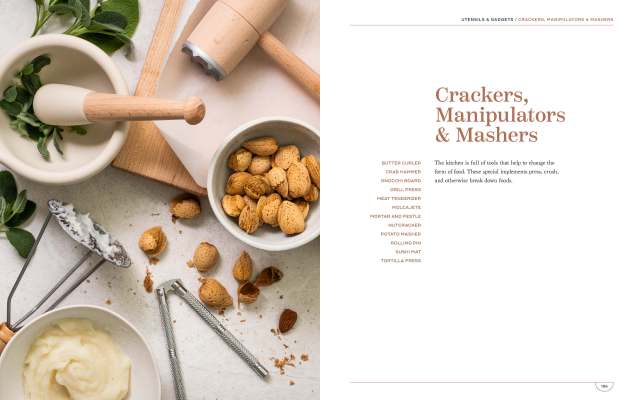
Highlights
- Content Organization: Structure your eBook by categorizing tips, recipes, and interactive elements for an intuitive reader experience.
- Design & Technology: Leverage design platforms and AI tools to seamlessly integrate aesthetically pleasing layouts with powerful functionalities.
- Audience Engagement: Tailor your content based on your target readership, including beginners and seasoned cooks, to maximize impact.
Introduction
Creating an eBook that combines cooking tips, tricks, and hacks is an excellent way to share culinary wisdom and foster an engaging community amongst food enthusiasts. This guide explores the steps required to successfully craft your eBook, covering everything from initial content collection to final publication. Whether you are a cooking novice or a seasoned chef, these insights will help you compile a resource that is both practical and innovative.
Step 1: Content Planning and Organization
Defining Your Scope
Begin with defining what aspects of cooking you want to cover in your eBook. Focus on various categories such as:
- Kitchen hacks for everyday cooking challenges
- Time-saving techniques and quick fixes
- Ingredient substitutions and creative alternatives
- Step-by-step guides for essential recipes
- Culinary techniques for both amateur and advanced cooks
Identifying these categories not only structures the content but also guides you in the collection of valuable tips and useful tricks. Consider the interests of your target audience by including a mix of simple and advanced techniques.
Developing an Outline
Outlining your eBook early on is crucial. An effective outline might include:
- Introduction
- Cooking Essentials and Tools
- Quick Kitchen Hacks
- Ingredient Substitutions & Alternatives
- Step-by-Step Recipes
- Advanced Techniques and Tips
- Conclusion & Recommended Resources
Creating a Structured Table
| Section | Topics Covered | Examples |
|---|---|---|
| Introduction | Purpose, audience, and overview | Why cooking hacks matter |
| Cooking Essentials | Basic techniques, tools, and preparation | How to handle knives, proper mise en place |
| Quick Kitchen Hacks | Fast tips for everyday cooking | Peeling garlic easily, preventing tears with onions |
| Ingredient Alternatives | Substitution tips for common ingredients | Using yogurt instead of sour cream |
| Step-by-Step Recipes | Recipes that integrate hacks and tips | Healthy meals under 30 minutes |
| Advanced Techniques | Methods for refining skills | Perfecting sauces and emulsions |
Step 2: Content Generation
Gathering Valuable Cooking Tips, Tricks, and Hacks
Collect ideas from diverse sources, including personal experience, expert advice, and widely trusted culinary sites. Some creative content ideas include:
- Effective meal prep and storage solutions
- Guidance on balancing flavors and spices
- Innovative methods to save time during meal preparation
- Tactical techniques that professional chefs use
- Practical advice for managing a kitchen on a budget
It is beneficial to include a mix of text-based advice and visual guides (images, diagrams, or infographics) to enhance reader comprehension and engagement.
Testing and Verifying Content
It is essential to run through test batches of recipes and hacks to ensure reliability. Each tip or trick should be tested or validated before it is included in your eBook. This step is necessary for creating a trustworthy resource.
Using eBook Generators and AI Tools
Modern technology has simplified the process of eBook creation. Diverse AI tools now assist in generating content, structuring chapters, and ensuring a consistent tone throughout your writing. These tools help accelerate the process by:
- Providing creative suggestions during content drafting
- Automating part of the editing and formatting tasks
- Facilitating the incorporation of interactive elements such as hyperlinks or QR codes
- Creating visually appealing templates that enhance aesthetic consistency
Consider exploring tools that integrate with modern design software to craft professional layouts tailored to your specific audience.
Step 3: Designing a Visually Appealing eBook
Choosing a Design Platform
The design of your eBook is as important as its content. A well-structured and vivid layout can significantly enhance user experience and engagement. Popular design platforms include web-based tools that offer customizable templates. Such platforms typically provide:
- Pre-designed templates tailored for eBooks
- Drag-and-drop interfaces for images and text
- Customization features that permit branding elements insertion (such as logos or color schemes)
- Options for creating interactive hyperlinks and QR codes
Design Considerations
Focus on the following design principles:
- Consistency: Use consistent fonts, colors, and layout patterns.
- Navigation: Ensure your headings, subheadings, and bullet points provide a clear structure.
- Visual Elements: Incorporate images, diagrams, and tables to make your eBook more interactive and engaging.
- Accessibility: Design your eBook so that it is easy to read on various devices, including smartphones and tablets.
An effectively designed eBook not only looks appealing but also enhances the overall reading experience. Use appropriate calls to action (CTAs) that guide the audience through your content effortlessly.
Step 4: Integrating Interactive Elements
Enhancing User Engagement
To make your eBook even more engaging, consider adding interactive features that elevate the reader’s interaction:
- Hyperlinks: Link to external resources, videos, or detailed articles that offer additional insights into the cooking tips provided.
- QR Codes: Embed QR codes that viewers can scan to watch short video demonstrations of cooking techniques.
- Interactive Tables and Lists: Organize content in tables to present complex information in an easily digestible format.
Interactive elements create a dynamic reading experience that goes beyond static text. They encourage the audience to engage deeply with the content and offer a blend of practical advice and multimedia instruction.
Step 5: Finalizing and Publishing Your eBook
Editing and Refinement
Once your content and design are set, focus on the final review process. This includes thorough editing to fix grammatical errors, verify facts, and ensure consistency in tone. It might also be beneficial to have the content peer-reviewed or tested on multiple devices for compatibility and ease of navigation.
Consider incorporating feedback to refine the layout, interactive elements, and content details. This step adds an additional layer of credibility to your eBook.
Choosing a Publishing Platform
After finalizing your eBook, choose a publishing platform that will best reach your target audience. Popular platforms include:
- Amazon Kindle Direct Publishing: Reach millions of readers by publishing in Kindle format.
- Apple Books: Upload your eBook for distribution on iOS devices.
- Self-Publishing Websites: Utilize web-based services that cater specifically to digital publications.
- Email Marketing and Blogs: Share your eBook directly through your website or mailing list, offering it as a free resource to attract new followers.
Ensure your eBook is available in multiple formats (PDF, EPUB, MOBI) to maximize accessibility across different devices and platforms.
Additional Tips and Best Practices
Enhancing Practical Usability
To stand out from other similar publications, consider these additional recommendations:
- Include Anecdotes: Stories from personal experiences or well-known figures can motivate readers and offer practical context.
- Focus on Clarity: Use concise language and verify that every tip is applicable and simple to execute.
- Regular Updates: With the evolving nature of culinary trends and techniques, update your eBook periodically for freshness and ongoing relevance.
- Feedback Integration: Encourage readers to offer their own tips and share feedback, creating a dynamic community resource.
- Visual Enhancements: Intersperse the text with step-by-step photos, infographics, and illustrative diagrams to assist visual learners.
Utilizing Advanced Tools
Consider taking advantage of specialized AI and design platforms. These tools not only accelerate the production process but also enhance the overall quality of your eBook’s presentation. For example, AI-powered generators can offer suggestions on layout and copy optimization, while online design tools like Canva allow for fully customizable templates that make the design process efficient and creative.
Resources and Interactive Elements Table
Interactive Table: Key Components of Your eBook
| Component | Description | Interactive Element |
|---|---|---|
| Content Planning | Organize categories of culinary tips, recipes, and hacks. | Clickable outline |
| Design Platform | Use tools such as Canva for professional layouts. | Template previews |
| Interactive Features | Add hyperlinks, QR codes, and multimedia. | Embedded links and codes |
| Editing & Refinement | Thorough review and feedback incorporation. | Comment sections |
| Publishing Options | Select the best platform(s) for distribution. | Downloadable formats |
References
-
Cookbook Tip Generator - Generator Fun
- How To Write An eBook Cookbook - Robots.net
-
eBook Outline Tips - WriteMe.ai
- AI eBook Generator - Galaxy.ai
- Create Cookbooks Online - MyFoodBook
- Cooking Hacks - Busy But Cooking
- Canva - Online Design Tool
-
Amazon Kindle Direct Publishing
- Apple Books - Digital Publishing
- WP Recipe Maker - WordPress Plugin
Recommended Related Queries
Last updated March 4, 2025