
Mastering the Art of Juicy Chicken Breast: A Comprehensive Guide
Unlock the secrets to consistently tender and flavorful chicken with expert techniques and essential tips.
Key Highlights for Succulent Chicken Breasts
- Preparation is paramount: Techniques like pounding, brining, and marinating significantly enhance moisture retention and tenderness even before cooking begins.
- Temperature control is critical: Avoid overcooking by using an instant-read thermometer and aiming for an internal temperature around 155-160°F, allowing it to reach 165°F during resting.
- Resting is non-negotiable: Always allow cooked chicken to rest for 5-10 minutes to redistribute juices, ensuring a uniformly moist and tender result.
Chicken breasts, often lauded for their lean protein content and versatility, can be notoriously challenging to cook without drying out. The absence of bone and skin means less natural fat and connective tissue to provide moisture, making them prone to becoming tough and bland if not handled correctly. However, with the right approach, you can transform this finicky cut into a consistently tender, juicy, and flavorful centerpiece for countless meals.
The Foundation of Juiciness: Pre-Cooking Preparations
Achieving a truly moist chicken breast begins long before it touches a pan or oven. Proper preparation sets the stage for success, ensuring the meat retains as much moisture as possible throughout the cooking process.
Pounding for Even Cooking and Tenderness
Chicken breasts often have an uneven thickness, with one end being significantly thicker than the other. This disparity leads to uneven cooking, where thinner parts dry out while thicker sections struggle to reach the desired internal temperature. Pounding the chicken breast to an even thickness is a simple yet highly effective technique.
Why Pound Chicken Breasts?
- Even Cooking: By creating a uniform thickness, all parts of the chicken breast cook at the same rate, preventing overcooked edges and undercooked centers.
- Tenderization: Pounding helps break down tough muscle fibers, resulting in a more tender texture.
- Faster Cooking: Thinner chicken breasts cook more quickly, reducing the overall cooking time and lessening the chance of drying out.
To pound, place the chicken breast between two sheets of plastic wrap or in a Ziploc bag. Use the flat side of a meat mallet, a rolling pin, or even the bottom of a heavy pan to gently and evenly pound the chicken until it reaches your desired uniform thickness (typically around 1 inch for most recipes).
The Power of Brining and Marinating
Brining and marinating are two of the most recommended methods by chefs for ensuring succulent chicken breasts. Both involve soaking the chicken in a liquid solution before cooking, but they achieve slightly different results.
Brining for Moisture Retention
A brine is a saltwater solution that works by altering the protein structure of the chicken, allowing it to absorb and hold onto more moisture. Even a quick brine can make a significant difference. A common ratio is 1 tablespoon of salt per cup of water, often with a pinch of sugar. Soaking the chicken for at least 15-30 minutes, or even up to an hour or two for a quick brine, can dramatically improve juiciness. For even better results, some recommend brining for 4 hours to overnight. Remember to pat the brined chicken very dry before cooking to encourage browning.
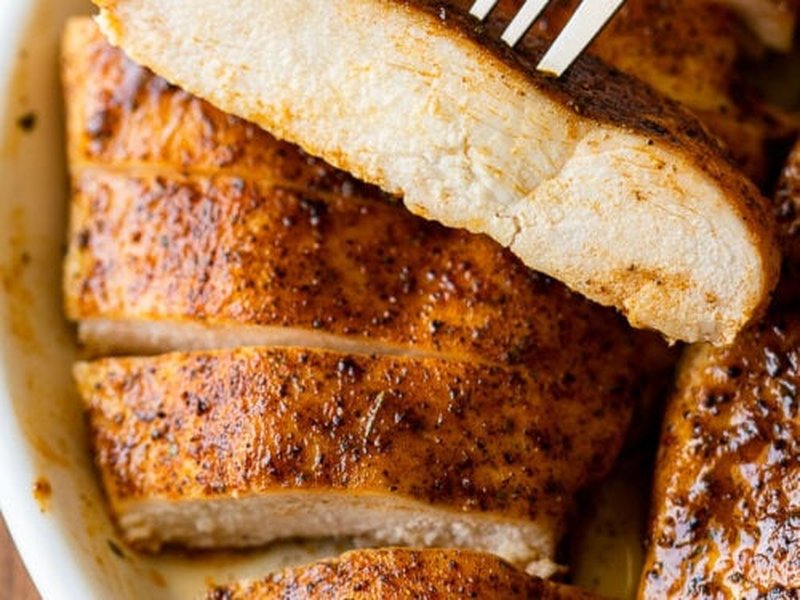
Succulent baked chicken breasts, a testament to proper brining and cooking techniques.
Marinating for Flavor and Tenderness
Marinades typically consist of an acidic component (like lemon juice or vinegar), oil, and various herbs and spices. The acid helps to tenderize the meat by breaking down proteins, while the oil and other ingredients infuse flavor. Marinades also help retain moisture during cooking. The longer you marinate, the more flavor the chicken will absorb, with overnight being ideal. Some sources even suggest using mayonnaise as a marinade due to its fat content and the tenderizing effect of the vinegar. Ensure the chicken is patted dry after marinating, especially if searing, to prevent splattering and promote a good crust.
Optimal Cooking Methods for Juicy Results
Once prepped, selecting the right cooking method and executing it precisely is crucial to avoid dry, rubbery chicken. The goal is to cook the chicken just enough to be safe, without evaporating all its natural juices.
Pan-Searing and Stovetop Techniques
Pan-searing is a popular method for achieving a golden crust while keeping the interior moist. The key is to use medium to medium-high heat initially to sear, then often reduce the heat and cover the pan to allow the chicken to finish cooking gently in its own juices or with a splash of liquid.
- Sear and Poach Method: Heat a skillet with a little oil over medium heat. Add seasoned chicken breasts and cook undisturbed for about 1 minute to get a light sear. Flip the chicken, reduce the heat to low, cover the pan with a tight-fitting lid, and cook for 10-15 minutes (depending on thickness). Crucially, do not lift the lid during this time. After 10-15 minutes, turn off the heat (or remove from heat if using an electric stove) and let the chicken rest, still covered, for another 10 minutes. This method essentially poaches the chicken from the inside out in its own steam, ensuring incredible juiciness.
- Sear then Bake: For thicker breasts, sear both sides in a hot pan to develop a crust, then transfer the pan to a preheated oven (around 350°F or 175°C) to finish cooking. This hybrid method ensures thorough cooking without drying.
Baking and Roasting for Consistent Moisture
Baking chicken breasts in the oven is a straightforward way to achieve tender results, especially if you follow a few key principles.
- High Heat, Shorter Time: Roasting at a higher temperature, such as 400-450°F (200-230°C), for a shorter duration (15-25 minutes, depending on thickness) can lead to juicier chicken. The high heat helps to cook the chicken quickly before it has a chance to dry out.
- Lower Temperature, Longer Time: Some prefer baking at a moderate temperature, around 350-375°F (175-190°C), particularly after an initial sear. This gentler heat helps to keep the chicken moist.
- Covering the Pan: Covering the baking dish tightly with aluminum foil or parchment paper can trap moisture, mimicking a poaching effect and preventing the exterior from drying out. Some even suggest using parchment paper directly over the chicken breasts to create a "faux skin" that holds in moisture.
Regardless of the baking temperature, the critical factor is the internal temperature.
Sous Vide and Poaching for Ultimate Tenderness
For unparalleled juiciness and tenderness, methods that involve cooking in a liquid bath are highly effective.
- Sous Vide: This technique involves vacuum-sealing chicken breasts and cooking them in a precisely temperature-controlled water bath. By cooking at a lower, consistent temperature (e.g., 140-150°F or 60-65°C), the chicken cooks evenly from edge to edge and remains incredibly moist. After sous vide, a quick sear in a hot pan can add a desirable crust.
- Poaching: Poaching involves gently simmering chicken breasts in a liquid such as water, broth, or wine. The low heat and moist environment prevent the chicken from drying out. This method is excellent for preparing chicken for salads or sandwiches.
Professional Chef Frank Proto demonstrates how to achieve restaurant-quality juicy chicken breasts.
This video offers a comprehensive guide from a professional chef, providing actionable tips and techniques to elevate your chicken breast cooking. It covers essential steps such as proper seasoning, searing techniques, and the critical importance of resting the meat, all designed to ensure a perfectly succulent result that often eludes home cooks.
The Science of Doneness: Temperature and Resting
The single most common reason for dry chicken breast is overcooking. Understanding safe internal temperatures and the importance of resting are paramount.
Mastering Internal Temperature
The FDA recommends cooking chicken to 165°F (74°C) to instantly eliminate harmful bacteria like salmonella. However, chicken can be safely cooked to a slightly lower temperature if held at that temperature for a certain duration. For instance, chicken cooked to 155°F (68°C) is safe if held for 60 seconds, or 150°F (66°C) if held for 3 minutes. Many chefs and home cooks aim to pull chicken breasts off the heat when they reach 155-160°F (68-71°C), knowing that the temperature will rise to 165°F (74°C) during resting due to carryover cooking. An instant-read meat thermometer is an indispensable tool for accuracy, preventing guesswork and ensuring both safety and juiciness.
The Indispensable Rest
After cooking, it is absolutely crucial to let the chicken breast rest for at least 5-10 minutes before slicing. During cooking, the muscle fibers contract, pushing juices to the center of the meat. Resting allows these juices to redistribute throughout the entire breast. If you cut into the chicken immediately, all the moisture will seep out, leaving you with dry meat.
Additional Tips for Maximum Juiciness
Beyond the core techniques, several other factors contribute to keeping chicken breasts moist and flavorful.
Seasoning and Flavor Infusion
Proper seasoning is not just about taste; salt, in particular, plays a role in moisture retention. Seasoning generously before cooking, especially with salt, can help the meat hold onto its natural moisture. Experiment with various dry rubs, herbs, and spices to enhance flavor without adding moisture.
Adding Fat and Moisture During Cooking
- Basting: Periodically spooning hot oil or butter over the chicken as it cooks can help distribute fat and juices, keeping the surface moist and enhancing flavor.
- Pan Sauces: Deglazing the pan with a liquid (water, chicken stock, or white wine) after cooking the chicken not only creates a delicious sauce but also adds moisture back to the dish.
- Cooking in Marinade: Some recipes call for cooking chicken directly in its marinade, which can help keep it moist, although this might hinder browning.
Storage and Reheating
Leftover chicken can quickly dry out. Store cooked chicken breasts in an airtight container in the refrigerator for 3-4 days. When reheating, use lower temperatures or methods that add moisture (e.g., a splash of broth in a covered pan) to prevent further drying.
Comparative Analysis of Chicken Breast Cooking Techniques
To summarize and compare the effectiveness of different methods for cooking juicy chicken breasts, consider the following radar chart. This chart evaluates various techniques based on key attributes such as ease of use, juiciness, tenderness, and flavor absorption potential.
The radar chart illustrates that while no single method scores perfectly across all attributes, combinations of techniques often yield the best results. For instance, the "Pan-Sear & Poach" method excels in juiciness and tenderness, while "Brined & Pan-Seared" offers excellent flavor absorption and a good balance of other qualities. Sous Vide, though less convenient for quick meals, provides superior moisture and tenderness control.
A Quick Reference Guide: Key Steps to Juicy Chicken
This table summarizes the essential steps and tips discussed to help you achieve perfectly moist and juicy chicken breasts every time.
| Phase | Technique/Tip | Why It Works |
|---|---|---|
| Preparation | Pound to Even Thickness | Ensures uniform cooking, prevents drying of thinner parts, tenderizes meat. |
| Brine (Salt & Water) | Alters protein structure, allowing meat to absorb and retain more moisture. | |
| Marinate (Acid, Oil, Spices) | Tenderizes, infuses flavor, and adds moisture. | |
| Pat Dry | Crucial for achieving a good sear and preventing steaming. | |
| Cooking | Use Medium-High Heat Initially | Creates a flavorful crust (sear). |
| Reduce Heat & Cover | Allows chicken to gently cook through in its own juices or added liquid. | |
| Cook to 155-160°F Internal Temp | Prevents overcooking while allowing carryover cooking to reach 165°F. | |
| Post-Cooking | Rest for 5-10 Minutes | Allows juices to redistribute throughout the meat, preventing dryness. |
| Slice Against the Grain | Further enhances tenderness by shortening muscle fibers. |
Frequently Asked Questions
What is the ideal internal temperature for chicken breast?
How long should I brine chicken breasts?
Why is resting cooked chicken breast important?
Can I use frozen chicken breasts directly for cooking?
What if I don't have a meat mallet to pound the chicken?
Recommended Further Exploration
- Explore various marinade recipes that enhance chicken tenderness and flavor.
- Learn the basics of sous vide cooking for consistently perfect proteins.
- Deepen your knowledge of carryover cooking and its impact on meat doneness.
- Discover simple, delicious recipes that highlight juicy chicken breasts for weeknight meals.
References
Last updated May 21, 2025