
Exploring the Best Jobs for Creative People
Unveiling top creative careers that blend imagination and innovation
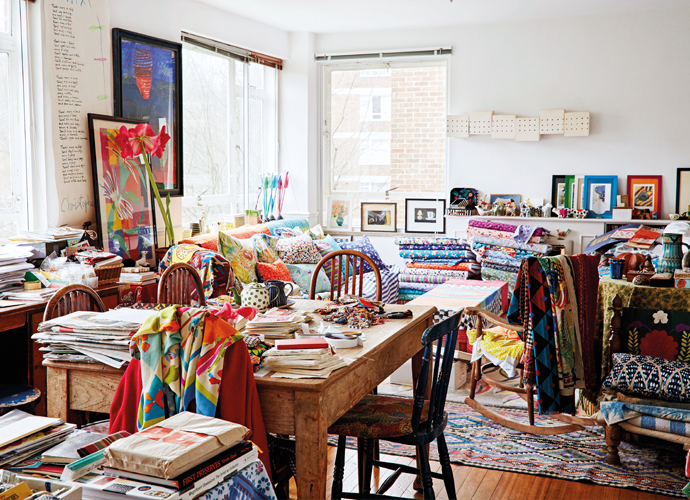
Key Insights for Creative Careers
- Innovative Roles: Opportunities like Creative Director, Graphic Designer, and UX/UI Designer allow for the fusion of art and technology.
- Dynamic Work Environment: Many creative jobs offer freelance, project-based, or full-time roles with evolving challenges.
- Competitive Compensation: Salaries can range from moderate to very high depending on specialization, experience, and industry.
Overview of Creative Careers
In today’s expanding economy, creative careers are flourishing in various industries including media, technology, advertising, and design. The demand for creative individuals is driven by the need for unique perspectives and innovative solutions that combine artistic intuition with modern digital skills. Whether you are drawn to visual arts, digital marketing, or storytelling, there are abundant career paths designed to satisfy both professional development and personal passion.
Creative professionals are celebrated for their ability to turn abstract ideas into tangible products, connect with audiences through powerful narratives, and provide visual and experiential enhancements to everyday life. Such careers not only allow for wide-ranging expression of creativity but also adapt to the ever-evolving technological landscape, ensuring that creative skills remain at the forefront of modern innovation.
Diverse Career Paths for Creative Minds
1. Creative Direction & Art Leadership
Creative leadership roles such as Creative Director and Art Director are fundamental in steering the visual narrative of a brand or project. These positions require an acute sense of aesthetics, strong leadership capabilities, and the ability to transform client briefs into compelling visions. The Creative Director typically manages teams, collaborates with marketing and production departments, and ensures that the creative output aligns with the company’s strategic goals.
Additionally, Art Directors work closely with designers, copywriters, and photographers to transform ideas into high-quality visual presentations. These roles are found in industries like advertising, film production, fashion, and publishing. Compensation in these fields is often commensurate with experience and project scale, offering competitive salaries that reflect their critical contribution to brand identity and market differentiation.
2. Design-Centric Roles
Design professionals are the backbone of visual communication. They merge artistic vision with digital tools to create everything from logos to complete brand identities. Some of the key positions in this domain include:
Graphic Designers
Graphic Designers develop visual concepts by hand or using computer software. They work across various media such as print, digital marketing, and social media. Their role is essential in communicating complex messages through visually appealing layouts and designs. Salary ranges for graphic designers vary greatly, with experienced professionals earning significantly higher incomes.
UX/UI Designers
UX (User Experience) and UI (User Interface) Designers play important roles in the digital sphere. Their focus lies in designing user-friendly, interactive, and aesthetically pleasing digital platforms. They take on the responsibility of enhancing the overall journey of digital users, ensuring functionality, accessibility, and visual appeal. Due to the increasing emphasis on digital transformation in businesses, these roles are in high demand.
Product and Digital Designers
Product Designers combine creative thinking with practical problem-solving to design products that fulfill consumer needs. Digital Designers, on the other hand, specialize in creating visual content for digital platforms. Both positions require familiarity with new technologies, an understanding of consumer trends, and the ability to iterate based on feedback. They are pivotal in industries ranging from tech startups to established multinational companies.
3. Marketing & Content Creation
With the rise of digital platforms, marketing roles have evolved to embrace creative responsibilities. Creative jobs in marketing include:
Digital Marketing Specialist and Social Media Manager
Professionals in these roles leverage creativity alongside data analytics to craft campaigns, develop social media strategies, and engage audiences online. They often design campaigns that are visually engaging and strategically sound, blending storytelling with technical knowledge to maximize brand impact.
Copywriters and Content Creators
Copywriters use creative writing to produce persuasive, engaging content for advertising, websites, and social media. Content creators often work as freelancers or influencers, crafting blog articles, videos, or photography that build brand presence. Both fields require excellent communication skills and the ability to produce consistent, high-quality content that resonates with diverse audiences.
4. Film, Video, and Animation
The entertainment and media industries offer numerous opportunities for creatives. In roles like Video Producers, Video Editors, Animators, and Motion Designers, professionals translate creative ideas into moving images that captivate audiences. These jobs bring together skills in storytelling, technical expertise with software, and an understanding of the audience’s visual preferences. Increasingly, the integration of digital effects and advanced animation techniques boosts the scope and earning potential within these roles.
5. Specialized Creative Professions
There are also several unique career paths for creative individuals who wish to work in niche fields:
Interior Designers
Interior Designers use creativity to enhance living and working environments. They blend aesthetics with functionality to create spaces that improve quality of life. Their work requires a deep understanding of spatial planning, color coordination, and material selection.
Photographers and Illustrators
Photographers capture moments and tell stories through images, while Illustrators contribute unique artistic renderings for books, magazines, and digital platforms. These roles require a mix of technical proficiency with cameras or illustration tools and a persistent drive for artistic expression.
Other Niche Roles
Additional creative roles include Makeup Artists, Tattoo Artists, Journalists, and even Building Architects. Each profession brings its own set of challenges—from the precision required by Tattoo Artists to the blend of art and mathematics needed by Architects. Creative individuals in these areas often find that their work does not only provide financial stability but also immense personal satisfaction through the expression of unique visions.
Salary Ranges and Work Environment
Salaries for creative roles vary widely based on factors such as industry, location, and level of experience. For example, UX/UI Designers and Creative Directors often command higher salaries due to their specialized skills and the strategic importance of their roles. Conversely, entry-level roles like Junior Graphic Designers or Content Creators may have modest starting salaries, which can increase significantly with experience and recognition.
In terms of work environments, creative professionals have the flexibility to work in both traditional office settings and unconventional spaces like coworking environments or home studios. Many creative jobs also offer freelance or project-based work that allows for varied experiences and the opportunity to work with multiple clients across different industries.
Illustrative Comparison Table
Below is a table that compares several key creative roles and their typical salary ranges:
| Creative Role | Average Salary Range (USD) | Key Responsibilities |
|---|---|---|
| Creative Director | $90,000 - $160,000 | Oversees creative process, manages teams, sets artistic vision |
| Graphic Designer | $60,000 - $156,000 | Develops visual concepts and layouts across print and digital media |
| UX/UI Designer | $70,000 - $120,000 | Designs user-friendly interfaces and enhances digital interactions |
| Copywriter | $50,000 - $100,000 | Creates engaging written content for advertising and marketing |
| Video Producer | $60,000 - $110,000 | Oversees video production from conceptualization to editing |
| Digital Marketing Specialist | $55,000 - $100,000 | Develops and executes online campaigns, uses data analysis |
| Interior Designer | $50,000 - $90,000 | Designs aesthetically pleasing and functional interior spaces |
Key Skills and Educational Background
While creative talent is paramount, most roles demand a blend of technical skills and theoretical knowledge. Many creative professionals attain degrees in fields such as graphic design, visual arts, marketing, or computer science. However, a formal education is not always required; portfolios, certifications, and hands-on experience often speak louder than academic credentials.
Professionals who wish to excel in creative fields should consider:
Continuous Learning
The creative industry is dynamic, and technologies such as augmented reality (AR), virtual reality (VR), and artificial intelligence (AI) are starting to influence creative processes in significant ways. Staying updated with the latest tools and techniques is essential for remaining competitive.
Networking and Collaboration
Engaging with professional communities, attending workshops, and collaborating on interdisciplinary projects can provide creative professionals with valuable exposure and growth opportunities. Sharing ideas and gaining feedback from peers often leads to breakthroughs and innovation.
Portfolio Development
A strong portfolio that highlights a wide range of skills is indispensable for creative professionals. Whether you’re a designer or a content creator, showcasing your best work can be the key to unlocking higher-profile contracts, job offers, or freelance opportunities.
Modern Trends Shaping Creative Careers
Digital transformation has heavily influenced creative careers, integrating technical skill sets with traditional artistic talents. Creative roles are progressively incorporating elements of data analysis, user behavior, and technological innovation, further enhancing the value of these professions. Moreover, remote work and freelance platforms have enabled creative professionals to work with international clients and diversify their projects.
The integration of technology in artistic disciplines has also facilitated the emergence of hybrid roles, where creative professionals combine skills in design, marketing, and even programming. For example, web developers and UX/UI designers work side by side to create websites that are not only functional but also visually engaging. This trend has effectively blurred the traditional boundaries between art and technology, making creative careers increasingly interdisciplinary.
Industry Outlook and Future Opportunities
As companies continue to pivot towards digital-first strategies, the future looks promising for creative careers. Organizations recognize that creative innovation is a key driver of growth and competitive advantage. Therefore, investment in creative talent is rising across industries such as technology, healthcare, education, and finance. Creative professionals will likely see ongoing salary growth, enhanced benefits, and an increased number of hybrid roles that allow them to utilize a multiplicity of skills.
The convergence of online media, mobile technologies, and social platforms constantly creates new niches where creative thinking is essential. This includes interactive design, immersive digital marketing, and even areas such as virtual reality storytelling. As businesses continue to explore and harness these new avenues, creative professionals have the unique opportunity to play transformational roles in shaping how content is created, delivered, and experienced.
Challenges and Strategies for Advancing in Creative Careers
Despite the abundant opportunities, creative professionals may face challenges such as intense competition, rapidly changing technologies, and fluctuating market demands. To overcome these challenges, individuals should invest in continuous learning, build robust networks, and remain adaptable to evolving industry trends. Developing a personal brand and establishing a distinctive creative voice can significantly boost one’s career prospects.
A dedicated approach to self-improvement, coupled with a strategic understanding of market dynamics, enables creatives to navigate challenges effectively. Strategies such as seeking mentorship, engaging in interdisciplinary projects, and attending industry conferences can provide invaluable feedback and guidance. Additionally, the exploration of freelance work or contractual roles may offer the flexibility needed to experiment with new media and innovate continuously.
Conclusion and Final Thoughts
In conclusion, the landscape for creative careers is as vibrant as it is diverse. Whether you lean towards leadership roles like Creative Director and Art Director, or prefer hands-on design roles like Graphic Designer, UX/UI Designer, or Animator, the scope and opportunities for creative individuals are expansive. Many of these roles offer competitive compensation, provide the opportunity to influence trends, and enable professional growth in dynamic industries.
Success in these careers hinges not only on raw creativity and talent but also on the ability to adapt and incorporate evolving digital technologies. Continuous learning, strong networking, and a well-curated portfolio are all vital components for thriving in a competitive creative market. As industries further embrace digital transformation, creative professionals are poised to play a major role in shaping the future of work, influencing everything from user experiences to marketing strategies and digital innovation.
References
- 25 Creative Jobs & Careers for Creative People - CreativeLive
- 15+ High-Paying Jobs for Creative People - Insight Global
- Top 10 High-Paying Jobs for Creative People in 2025 - JetPrint
- 10 High-Paying Creative Jobs & How to Get Them - Coursera
- Top 10 In-Demand Creative Roles for 2025 - Mondo
Recommended Queries
Last updated February 27, 2025