
Unlocking Peak Performance: The Indispensable Role of Crew Resource Management in High-Stakes Environments
Discover how CRM transforms human collaboration into a shield against error, enhancing safety and efficiency where it matters most.
Key Insights into Crew Resource Management
- Systematic Approach to Safety: CRM is a comprehensive set of training procedures and a management system designed to optimize human performance and reduce errors by leveraging all available resources—personnel, equipment, and information.
- Focus on Non-Technical Skills: It emphasizes critical non-technical skills such as communication, teamwork, decision-making, situational awareness, and leadership, which are vital for effective operations, especially under pressure.
- Broad Applicability: Initially developed for aviation, CRM principles have proven invaluable and are now widely adopted in various high-reliability industries, including healthcare, maritime operations, and firefighting, to manage human factors and improve safety outcomes.
The Genesis and Evolution of CRM
Crew Resource Management (CRM) emerged from a critical need to address human factors in aviation accidents. In the 1970s, analyses of flight incidents, often aided by flight data and cockpit voice recorders, revealed a startling trend: many accidents were not due to mechanical failures or lack of piloting skill, but rather to breakdowns in crew communication, coordination, and decision-making. This realization spurred the development of a new approach to flight safety.
The term "Cockpit Resource Management" was coined in 1979 by NASA psychologist John Lauber. His work, along with that of other researchers, highlighted that even highly skilled pilots could falter if they failed to work effectively as a team. Early CRM programs focused on the flight deck, aiming to change the traditionally authoritarian cockpit culture into one that encouraged open communication and mutual support.
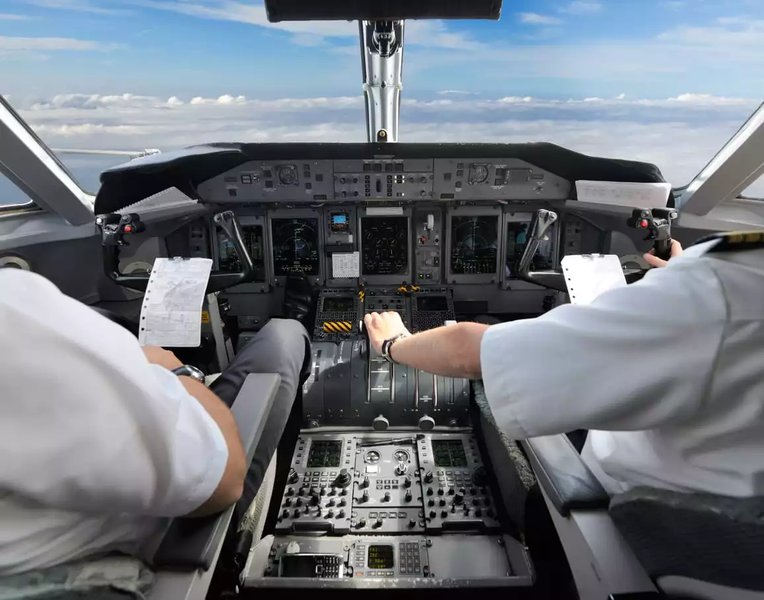
Visual representation of Crew Resource Management concepts in aviation.
Over time, the concept broadened from "Cockpit" to "Crew" Resource Management, acknowledging the vital roles of all personnel involved in flight operations, including cabin crew, maintenance staff, and air traffic controllers. CRM has continuously evolved over the decades, incorporating new research in human factors, psychology, and organizational behavior. It has transformed from a specific training program into an overarching philosophy for managing human performance and enhancing safety culture within aviation and beyond.
The Core Pillars of Crew Resource Management
CRM is built upon several interconnected components, often referred to as non-technical skills. These skills are essential for effective teamwork and safe operations in complex, dynamic environments. Mastering these pillars allows crews to function cohesively and manage threats and errors effectively.
Visualizing the Interconnectedness of CRM Components
The following mindmap illustrates the primary components of Crew Resource Management and their key sub-elements. It showcases how various skills and processes interlink to form a comprehensive system for optimizing crew performance and safety. Understanding these relationships is crucial for appreciating the holistic nature of CRM.
Each of these components is crucial, and their effective integration is what makes CRM a powerful tool for safety. For instance, clear communication underpins good teamwork, which in turn supports robust situational awareness and sound decision-making, all guided by effective leadership and followership, while managing workload, stress, and potential errors.
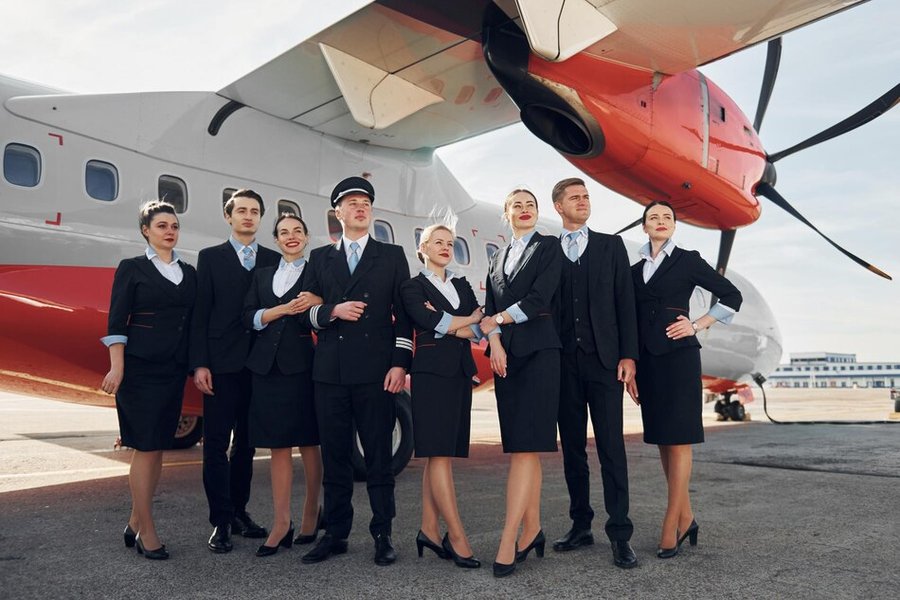
Effective teamwork and communication, central to CRM, demonstrated in a modern cockpit environment.
Assessing CRM Skill Dimensions
The effectiveness of Crew Resource Management relies on the proficiency of individuals and teams across its various dimensions. The radar chart below provides a conceptual visualization of how different CRM skills might be prioritized during initial training, their ideal proficiency levels for experienced crews, and their heightened criticality during high-stress operational scenarios. This helps illustrate the dynamic importance of each CRM component.
As the chart suggests, while foundational training might emphasize certain skills like communication and teamwork, all CRM components become highly critical and demand peak proficiency during challenging situations. Continuous training and reinforcement aim to elevate crew performance across all these dimensions.
CRM Training and Implementation
Effective CRM implementation hinges on robust training programs. These programs are designed to instill CRM principles and practices, transforming theoretical knowledge into applied skills. Training typically involves a blend of methods:
- Classroom Instruction: Theoretical concepts, case studies of accidents and incidents where CRM (or lack thereof) played a role, and discussions on human factors.
- Simulator Training (Line-Oriented Flight Training - LOFT): Crews participate in realistic flight scenarios in full-flight simulators. These scenarios are designed to challenge their CRM skills in a safe, controlled environment, allowing for practice, feedback, and refinement of teamwork, communication, and decision-making under pressure.
- Role-Playing and Group Exercises: Activities designed to practice specific skills like assertiveness, conflict resolution, and briefing techniques.
- E-learning and Computer-Based Training (CBT): Interactive modules for foundational knowledge and recurrent training.
- Ongoing Reinforcement: CRM is not a one-time course but a continuous process, reinforced through recurrent training, operational debriefings, and integration into standard operating procedures (SOPs).
The goal is to foster a safety culture where CRM principles are deeply embedded in daily operations, not just seen as a training requirement. Evaluating the effectiveness of CRM training often involves assessing crew reactions, attitudes, knowledge, and, most importantly, observed behaviors during operations and simulator sessions.
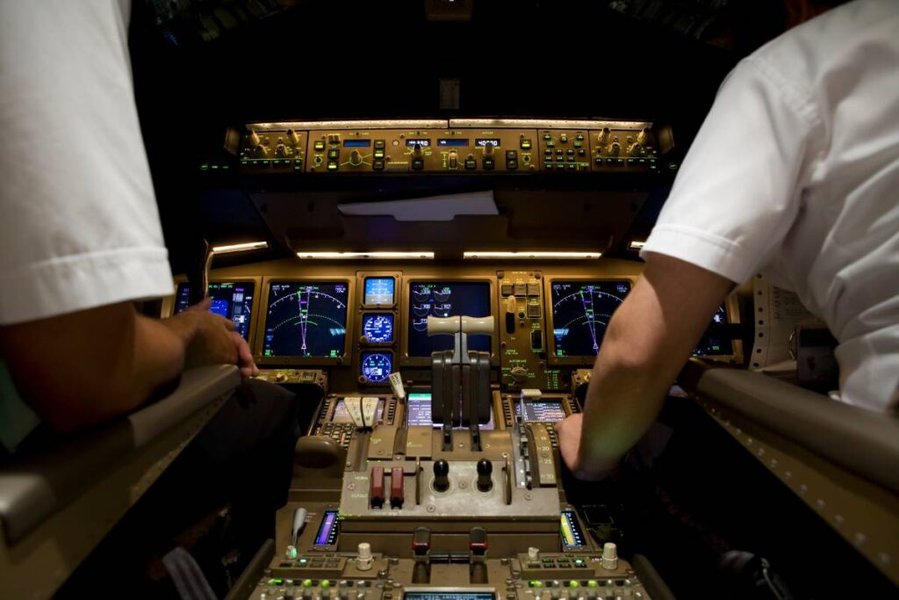
Simulator training provides a vital environment for practicing and honing CRM skills.
Core CRM Skills and Their Operational Significance
The effectiveness of Crew Resource Management is rooted in the mastery and application of specific skills. The table below outlines some of these core CRM skills, their primary focus, and why they are particularly critical in high-stakes operational environments, such as commercial aviation or complex medical procedures.
| CRM Skill | Core Focus | Why It's Critical in High-Stakes Operations |
|---|---|---|
| Communication | Clear, concise, and unambiguous exchange of information; active listening; assertiveness and advocacy. | Prevents misunderstandings that can lead to errors, ensures all crew members have a shared understanding of the situation and plan. |
| Situational Awareness | Accurate perception of environmental elements, comprehension of their meaning, and projection of their future status. | Enables proactive threat identification and error management, allowing crews to anticipate and respond to developing situations effectively. |
| Decision Making | Systematic approach to gathering information, identifying problems, evaluating options, assessing risks, and selecting appropriate courses of action. | Ensures sound judgments, especially under time pressure or with incomplete information, leading to safer and more effective outcomes. |
| Teamwork & Coordination | Collaborative effort, mutual support, shared responsibility, and effective coordination of tasks among crew members. | Optimizes crew performance, distributes workload effectively, and builds resilience to unexpected challenges. |
| Leadership & Followership | Appropriate exercise of authority, guidance, and direction by leaders; constructive and assertive support from followers. | Establishes a positive team climate, empowers all members to contribute, and ensures clear direction and accountability. |
| Workload Management | Organizing and managing tasks to prevent overload or underload, maintaining performance and situational awareness. | Reduces stress, minimizes errors due to distraction or cognitive tunneling, and ensures critical tasks are prioritized. |
| Stress & Error Management | Recognizing and mitigating the effects of stress; anticipating, identifying, and trapping errors before they escalate. | Maintains crew performance under pressure and builds system resilience by managing the inevitability of human error. |
These skills are not isolated; they are highly interdependent and must be practiced collectively to achieve the full benefits of CRM.
CRM in Action: Learning Through Experience
Understanding CRM theoretically is one thing; seeing how it applies in practice offers deeper insights. The following video provides an overview of Crew Resource Management concepts, illustrating how these principles are vital for aviation safety. It can help in visualizing the dynamic interactions and skill applications discussed.
This video provides a foundational overview of Crew Resource Management in aviation.
Such educational materials, often supplemented by real-world case studies and simulator exercises, are crucial for internalizing CRM principles. They bridge the gap between knowing what CRM is and understanding how to effectively apply it during actual operations, reinforcing the importance of each component in preventing incidents and accidents.
Benefits and Wider Applications of CRM
The implementation of CRM has yielded significant benefits, primarily in aviation:
- Enhanced Safety: The most critical benefit is a reduction in human error-related incidents and accidents.
- Improved Team Coordination: Fosters a more collaborative and less hierarchical environment.
- Better Decision-Making: Equips crews with tools for making sound judgments under pressure.
- Increased Operational Efficiency: Optimizes the use of all available resources.
- Strengthened Safety Culture: Promotes an organizational culture where safety is prioritized and openly discussed.
The success of CRM in aviation has led to its adoption and adaptation in other high-reliability, high-consequence industries where human error can have severe outcomes. These include:
- Healthcare: Surgical teams, emergency rooms, and intensive care units use CRM principles (often termed "TeamSTEPPS" or similar) to improve patient safety by enhancing communication, teamwork, and leadership among medical professionals.
- Maritime Operations: Known as Bridge Resource Management (BRM) or Maritime Resource Management (MRM), these principles are applied to ship navigation and operations.
- Firefighting and Emergency Services: CRM helps incident commanders and teams manage complex, rapidly evolving emergency situations.
- Nuclear Power Industry: Control room operations benefit from CRM to prevent errors in managing complex systems.
- Rail Transport: CRM principles are increasingly being integrated into train crew training and operations.
This cross-industry adoption underscores the universal applicability of CRM's core tenets in managing human factors and improving safety and performance in any team-based, high-risk environment.
Single-Pilot Resource Management (SRM)
While CRM traditionally focuses on multi-crew environments, many of its foundational principles are equally applicable to single-pilot operations. This adaptation is known as Single-Pilot Resource Management (SRM). SRM is the art and science of managing all available resources, both onboard the aircraft and from external sources, to ensure the successful outcome of a flight when flying solo.
Resources for a single pilot include:
- Internal Resources: The pilot's own knowledge, skills, physical and mental condition. Self-assessment is crucial.
- Aircraft Resources: Avionics, autopilot, aircraft documentation (manuals, checklists).
- External Resources: Air Traffic Control (ATC), Flight Service Stations (FSS), weather information services, navigation aids, and even passengers who might assist with non-critical tasks.
Key SRM concepts parallel CRM, emphasizing situational awareness, workload management, automation management, risk assessment, and effective decision-making. The challenge for the single pilot is to perform all these functions without the direct support of other crew members. SRM training helps solo pilots develop strategies to compensate for the absence of a crew, such as verbalizing plans, meticulously managing tasks, and utilizing checklists rigorously.
Frequently Asked Questions about CRM
What is the fundamental purpose of Crew Resource Management?
The fundamental purpose of CRM is to enhance safety and efficiency in operations, particularly in high-risk environments like aviation. It achieves this by optimizing the use of all available resources—human (crew members, ATC, etc.), hardware (aircraft systems, tools), and information (checklists, procedures, weather data)—to minimize human error and improve team performance through better communication, teamwork, decision-making, situational awareness, and leadership.
How did Crew Resource Management originate?
CRM originated in the late 1970s, largely driven by research from NASA and findings from aviation accident investigations. These studies revealed that many accidents were attributable not to technical failures or lack of piloting skills, but to breakdowns in crew coordination, communication, and decision-making processes (i.e., human factors). NASA psychologist John Lauber coined the term "Cockpit Resource Management" in 1979, marking the formal beginning of CRM development aimed at addressing these human factor issues.
Is CRM relevant outside of aviation cockpits?
Yes, absolutely. While CRM was initially developed for aviation, its principles have proven highly effective and adaptable to other high-reliability industries where human error can have severe consequences. These include healthcare (e.g., surgical teams, emergency rooms), maritime operations (Bridge Resource Management), firefighting, nuclear power operations, rail transport, and other fields that involve complex tasks, teamwork, and high stakes.
What are the common methods used in CRM training?
CRM training typically employs a variety of methods to be effective. These include:
- Classroom-based learning for theoretical concepts and case studies.
- Simulator training, especially Line-Oriented Flight Training (LOFT), where crews practice CRM skills in realistic scenarios.
- Role-playing exercises to develop specific skills like communication and conflict resolution.
- Group discussions and debriefings to analyze performance and identify learning points.
- Computer-Based Training (CBT) and e-learning modules for initial and recurrent training.
What is Single-Pilot Resource Management (SRM) and how does it relate to CRM?
Single-Pilot Resource Management (SRM) adapts CRM principles for pilots operating an aircraft alone. It involves managing all available resources—both internal (pilot's own skills, health) and external (aircraft systems, ATC, weather services, checklists)—to ensure safe and efficient flight. While CRM focuses on multi-crew interaction, SRM emphasizes self-management, workload prioritization, automation management, and utilizing external supports effectively. The core goals of managing human factors to enhance safety are shared between CRM and SRM, tailored to the specific operational context.
Recommended Further Exploration
- How has CRM training evolved since its inception and what are the latest trends?
- What are specific case studies demonstrating the success or failure of CRM in aviation accidents?
- How is Crew Resource Management implemented and measured in the healthcare industry?
- What are the psychological principles that underpin effective Crew Resource Management?
References
Last updated May 10, 2025