
Mastering the CTO Tightrope: A Strategic Blueprint for Balancing Innovation, Leadership, and Your Passion Project
Navigate the complexities of an early-stage startup CTO role with focused strategies for prioritization, daily organization, and sustainable high performance.
Key Insights for Immediate Impact
- Ruthless Prioritization is Paramount: Employ frameworks like the Eisenhower Matrix and define daily Most Important Tasks (MITs) to ensure your efforts align with strategic objectives and high-impact activities.
- Structure with Intentional Time Blocks: Design your days and weeks around dedicated blocks for deep technical work, leadership duties, strategic thinking, client engagement, and your valuable side project, minimizing context switching and maximizing focus.
- Embrace Delegation and Leverage Technology: Free up your strategic capacity by delegating tasks that don't require your unique CTO expertise and by integrating productivity tools to automate, streamline, and organize your multifaceted workflow.
Understanding Your Multifaceted Role: The Startup CTO's Balancing Act
As the CTO of an early-stage startup, especially one pioneering software development and AI Agents, your role is inherently dynamic and demanding. You're not just a technical leader; you're an innovator, a strategist, a team builder, a business developer, and in your case, a mentor through your side project. Recognizing and categorizing these diverse responsibilities is the first step towards effective management.
Core Responsibility Clusters:
- Technical Leadership & Execution: This encompasses hands-on coding, architecting scalable systems, spearheading AI agent development, and ensuring the technical quality and velocity of your team's output.
- Strategic Vision & Innovation: This involves identifying new technological opportunities, generating novel ideas for product development (especially in AI), aligning technology with business goals, and staying ahead of industry trends.
- Team Leadership & Management: Building, mentoring, and leading your engineering team, fostering a productive and positive culture, and managing technical talent are crucial.
- Business Development & Client Engagement: Actively seeking and engaging with potential clients, understanding market needs, and translating them into technical solutions contribute directly to the startup's growth. This includes meetings and presentations.
- Learning & Personal Growth: The tech landscape, particularly AI, evolves rapidly. Continuous learning is not a luxury but a necessity.
- Side Project – Candidate Training: Your commitment to training candidates for tech jobs requires dedicated time for curriculum development, coaching, and administration.
Acknowledging these distinct yet interconnected areas allows for a more granular approach to planning and prioritization.
Strategic Prioritization: Making Every Minute Count
With so many demands on your time, knowing what to focus on is critical. Effective prioritization ensures that your most valuable contributions are made consistently.
The Eisenhower Matrix: Discerning Urgency from Importance
A powerful tool for decision-making is the Eisenhower Matrix, which helps categorize tasks based on their urgency and importance:
- Urgent & Important (Do First): Critical bug fixes, vital client meetings, approaching project deadlines. These demand immediate attention.
- Important & Not Urgent (Schedule): Strategic planning, relationship building, developing new AI models, skill development, preparing training materials for your side project. These are key to long-term success and should be proactively scheduled.
- Urgent & Not Important (Delegate): Some administrative tasks, routine requests that others can handle. Delegate these where possible to free up your time.
- Neither Urgent nor Important (Eliminate/Minimize): Time-wasting activities, distractions. Be ruthless in cutting these out.
Defining Your Most Important Tasks (MITs)
Each day, identify 1-3 MITs – tasks that, if completed, would make the day a success. These should align with your strategic goals and the "Urgent & Important" or "Important & Not Urgent" quadrants. Focus on completing these before diving into less critical activities.
The 2-Minute Rule
For small tasks that appear and would take less than two minutes to complete, consider doing them immediately. This prevents a buildup of minor to-dos that can create mental clutter. However, use this judiciously to avoid derailing focused work.
Crafting Your Ideal Week and Day: The Power of Time Blocking
A structured schedule, built around time blocks, provides a framework for your diverse responsibilities. While flexibility is key in a startup, a general structure helps ensure all critical areas receive attention. Defend your calendar vigorously to protect these blocks.

An organized workspace can significantly enhance focus and productivity when planning and executing your demanding schedule.
A Sample Daily Blueprint
This is a template; adjust it based on your personal energy levels and startup rhythm:
- Morning (e.g., 7:00 AM - 8:00 AM): Personal Well-being & Learning Kickstart. Engage in activities that prepare you for the day: exercise, meditation, or focused reading on AI advancements or industry news. This sets a proactive tone.
- Deep Work Block (e.g., 8:00 AM - 11:00 AM): Hands-on Technical & Strategic Thinking. This is prime time for tasks requiring intense concentration, such as coding, AI model development, architectural design, or strategic planning for new ideas. Minimize distractions.
- Mid-Morning Sync & Quick Tasks (e.g., 11:00 AM - 12:00 PM): Team & Operations. Quick team stand-ups (if applicable), email review, and addressing urgent but short operational items.
- Lunch & Recharge (e.g., 12:00 PM - 1:00 PM): Essential Downtime. Step away from work to eat, reflect, or briefly disengage. This prevents afternoon fatigue.
- Afternoon Block 1 (e.g., 1:00 PM - 3:00 PM): Meetings & Client Engagement. Schedule external meetings with potential clients, internal strategic discussions, or collaborative sessions. Try to batch meetings to avoid constant interruption.
- Afternoon Block 2 (e.g., 3:00 PM - 5:00 PM): Side Project Focus / Flexible Work. Dedicate specific, recurring slots for your candidate training project – curriculum prep, coaching sessions. Alternatively, use this for idea generation, follow-ups, or less intensive technical tasks.
- Late Afternoon Wrap-up (e.g., 5:00 PM - 5:30 PM): Review & Plan. Review the day's accomplishments, address any outstanding quick communications, and plan your MITs for the next day.
- Evening (Variable): Optional networking, extended learning, or personal time. Ensure strict boundaries to avoid burnout.
Illustrative Daily Time Allocation Table
Here’s a more detailed look at how you might allocate time. Remember, this is a guide, not a rigid prescription. Adapt it to your startup's evolving needs and your personal productivity peaks.
| Time Slot | Primary Focus | Activities & Notes |
|---|---|---|
| 6:30 AM - 7:30 AM | Personal Well-being / Learning | Exercise, meditation, reading industry news (e.g., AI advancements). |
| 7:30 AM - 8:00 AM | Day Planning & Prioritization | Review MITs, quick email scan for urgencies. |
| 8:00 AM - 11:00 AM | Deep Work: Technical / Strategic | Coding, AI agent development, architectural design, idea exploration. Minimal interruptions. Pomodoro technique can be useful here. |
| 11:00 AM - 12:00 PM | Team Sync / Quick Comms | Brief team check-ins, respond to urgent communications, delegate tasks. |
| 12:00 PM - 1:00 PM | Lunch & Mental Break | Step away from work. Essential for recharging. |
| 1:00 PM - 3:00 PM | Meetings & Collaboration | Client calls, C-suite meetings, internal strategy sessions, partner discussions. Ensure agendas and clear outcomes. |
| 3:00 PM - 4:30 PM | Side Project: Candidate Training | Dedicated time for curriculum work, coaching sessions, or admin related to your training program. (Adjust frequency/duration as needed). |
| 4:30 PM - 5:30 PM | Learning / Business Development / Admin | Dedicated learning slot, client outreach follow-ups, process improvement, clearing minor admin tasks. |
| 5:30 PM - 6:00 PM | Daily Review & Next Day Prep | Assess progress on MITs, plan for tomorrow, tidy workspace. |
| Evening | Personal Time / Optional Networking | Family, hobbies, relaxation. Maintain work-life balance. Occasional networking events. |
Visualizing Your CTO Focus: A Radar Chart Analysis
A radar chart can be a helpful tool to visually assess how your time and energy are currently distributed across key CTO responsibilities versus your ideal or target allocation. This exercise can highlight areas needing more attention or where you might be overextended. The goal is not perfect equality but conscious, strategic balance. The axes below represent critical domains for a CTO in your position. Consider plotting your "Current Estimated Focus" against your "Target Ideal Focus" on a scale (e.g., 1-100, or as a percentage of effort), with a minimum value (e.g., 20) to ensure data points are clear of the origin for better readability.
Regularly revisiting this self-assessment can help you adapt your time allocation as your startup grows and priorities shift.
Integrating Your Side Project Seamlessly
Your passion for training tech job candidates is valuable, but it needs to coexist with your demanding CTO role without leading to burnout.
- Set Clear Boundaries: Allocate specific, non-negotiable time slots for your side project. Treat these appointments with yourself as seriously as client meetings. Avoid letting it spill over into your core startup responsibilities or personal rest time.
- Leverage Synergies: Consider how your side project can complement your CTO role. Perhaps it helps you identify potential talent for your startup, refine your own understanding of core concepts, or build your network.
- Batch Similar Tasks: For your training project, group similar activities. For instance, dedicate one block of time for curriculum development, another for recording content (if applicable), and separate slots for live coaching sessions. This reduces context switching.
- Automate and Streamline: Explore ways to automate administrative aspects of your side project, such as scheduling, sending reminders, or distributing materials. This frees you up for the high-value coaching itself.
- Protect Your Primary Focus: While your side project is important, your fiduciary duty as a CTO is to your startup. Ensure it doesn't detract from your ability to deliver on your core responsibilities.
Mapping Your Responsibilities: A CTO's Mindmap
A mindmap can offer a clear visual overview of your diverse responsibilities, helping you see the connections and delineate specific areas of focus. This can be particularly useful for ensuring all facets of your role, including your side project and personal development, are accounted for in your planning.
This mindmap visually breaks down your key domains, offering a holistic view that can inform your time allocation and prioritization efforts.
Leveraging Tools and Delegation for Maximum Efficiency
As a CTO, your most valuable asset is your strategic thinking and leadership. Free up this capacity by effectively using tools and delegating tasks.
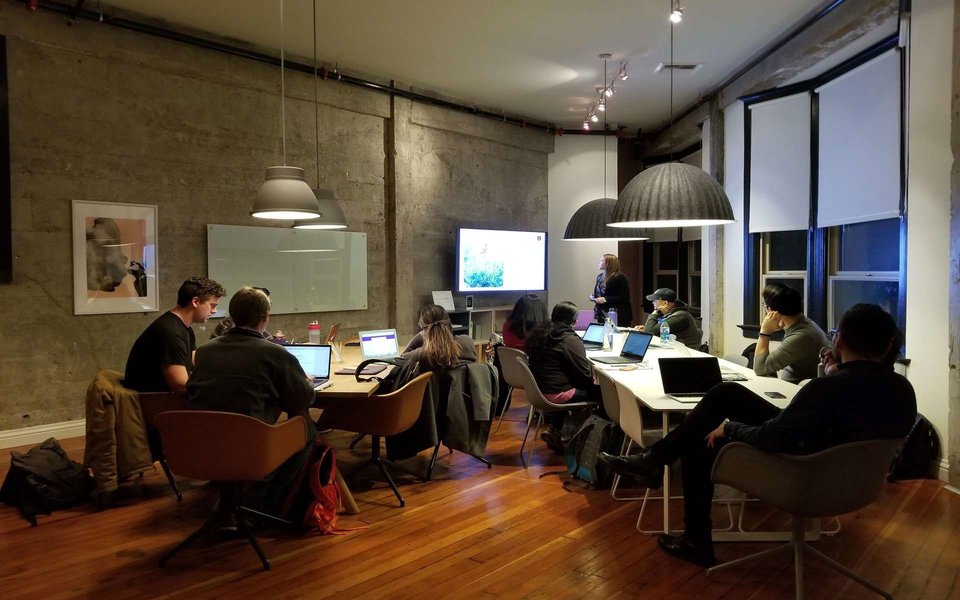
Effective delegation within your team can free you up for high-impact strategic tasks.
Essential Toolkit Categories:
- Calendar & Scheduling Tools: Google Calendar, Outlook Calendar for strict time-blocking and reminders. Consider tools like Calendly for scheduling external meetings efficiently.
- Task & Project Management: Asana, Trello, Jira, Notion, or Linear for tracking tasks, managing projects (both for the startup and potentially your side project), and visualizing workflows.
- Communication & Collaboration: Slack or Microsoft Teams for team communication. Emphasize asynchronous communication where possible to reduce meeting load.
- Time Tracking Tools (Optional but Insightful): Tools like Toggl Track or RescueTime can provide data on how you're actually spending your time, helping identify areas for optimization. This aligns with the "Passive Time Quantification" idea.
- Automation Tools: Explore tools for automating repetitive tasks, e.g., email templates, automated social media posting for client outreach (if applicable), or workflow automation for your side project (e.g., Zapier).
The Art of Delegation
Avoid the trap of trying to do everything yourself, especially tasks that can be competently handled by others on your team. Focus on outcomes and empower your team members. Ask yourself:
- Is this task critical for me to do personally?
- Can someone else on my team do this effectively (perhaps with some guidance)?
- Is this a development opportunity for a team member?
Delegation not only frees up your time but also helps develop your team's skills and ownership.
Sustaining Peak Performance: Well-being and Continuous Improvement
The marathon of a startup CTO role, combined with a side project, requires sustainable practices to avoid burnout and maintain high performance.
Prioritize Personal Well-being
- Adequate Rest: Ensure you get enough sleep. It's foundational for cognitive function, decision-making, and creativity.
- Physical Activity & Nutrition: Incorporate exercise into your routine and maintain a healthy diet to boost energy levels and resilience.
- Mindful Breaks: Take short breaks throughout the day to step away, stretch, or clear your head. The Pomodoro Technique (25 mins work, 5 mins break) can be effective.
- Set Boundaries: Define clear start and end times for your workday and "no work" zones or hours to protect personal and family time.
Continuous Review and Adaptation
Your time management system isn't static. It should evolve with you and your startup.
- Daily Review: At the end of each day, briefly review what you accomplished and plan for the next.
- Weekly Retrospective: Dedicate 30-60 minutes at the end of each week to reflect on your time management. What worked well? What were the biggest time sinks? How can you adjust your schedule or priorities for the upcoming week?
- Seek Feedback: Regularly check in with your co-founders and team to ensure your priorities are aligned and your workload is manageable.
Insights on Time Management from Experts
General time management principles can be incredibly valuable. The following video offers practical tips that can be adapted to your specific context as a CTO and entrepreneur, focusing on maximizing productivity and achieving goals. Understanding these fundamentals can provide a strong base for your personalized system.
This video, "How I Manage My Time - 10 Time Management Tips," offers valuable strategies applicable to busy professionals.
By committing to these practices, you build resilience, maintain focus, and ensure you can lead effectively over the long term, successfully balancing your startup responsibilities with your passion for training future tech talent.
Frequently Asked Questions (FAQ)
How do I handle unexpected urgent tasks that disrupt my schedule? ▼
Acknowledge that disruptions are inevitable in a startup. Build buffer time into your schedule (e.g., 10-15% unallocated). When an urgent task arises, quickly assess its true importance against your MITs using the Eisenhower Matrix. If it's critical, reprioritize and reschedule other tasks. Communicate any impact on deadlines to your team or stakeholders promptly. The key is agile adaptation rather than rigid adherence.
What's the best way to say "no" to commitments that don't align with my priorities? ▼
Saying "no" respectfully is a crucial skill. Explain your current priorities and workload briefly. Offer alternatives if possible, such as suggesting someone else who might help, proposing a later time, or recommending a different approach. Frame your "no" in terms of protecting your focus on existing high-impact commitments that benefit the startup. For example: "Thank you for thinking of me for this. Currently, my focus is entirely on [MIT 1] and [MIT 2] to meet our upcoming deadline. Perhaps [alternative solution/person] could assist?"
How often should I revise my time management system? ▼
Your time management system should be dynamic. Conduct a brief daily review (5-10 minutes) to plan the next day and a more thorough weekly review (30-60 minutes) to assess what worked, what didn't, and how your priorities might be shifting. As your startup evolves, your role changes, or your side project demands fluctuate, be prepared to adjust your strategies, tools, and time allocations. Major revisions might be needed quarterly or when significant changes occur (e.g., new funding, product launch).
How can I effectively balance deep work (coding, AI research) with frequent meetings? ▼
Protect your deep work time fiercely. Block out specific, non-negotiable "focus time" slots in your calendar, ideally during your most productive hours (often mornings). Communicate these blocks to your team. Batch meetings into specific days or times of day to minimize context switching. For every meeting, ensure there's a clear agenda, objective, and necessity. Decline meetings where your presence isn't critical or where an email/async update would suffice.
Recommended Further Exploration
- Explore advanced strategies for delegating tasks effectively as a startup CTO.
- Learn how to build and lead high-performing AI development teams within an early-stage startup environment.
- Discover techniques for effectively validating new product ideas and successfully conducting client outreach.
- Find strategies for balancing a demanding CTO role with essential personal development and burnout prevention.
References
Last updated May 6, 2025