
Marie Curie's Scientific Legacy
Exploring milestones in her groundbreaking research
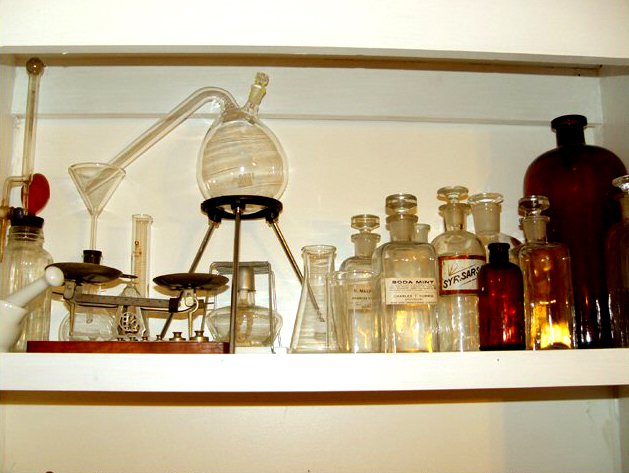
Key Highlights
- Polonium Discovery: Marie Curie, together with her husband Pierre Curie, discovered a new element named polonium, honoring her homeland of Poland.
- Radium Research: She played a crucial role in isolating and identifying the properties of radium, setting the stage for advances in radioactivity research.
- Overcoming Adversity: Despite operating in environments without modern safety measures, her unwavering commitment to science and discovery left an indelible mark in history.
Detailed Analysis of the Questions
1. Polonium Discovery
The phrase "Along with her husband Pierre, she ________ a new element called polonium, named after her homeland" can be completed with the word "discovered." In 1898, Marie and Pierre Curie worked collaboratively to identify this element. They chose the name “polonium” as a tribute to Marie Curie’s native country, which, at the time, was partitioned and under foreign control. This naming was not only a nod to her national identity but also a subtle political statement of pride and hope for her homeland.
Correct Answer:
C) discovered
2. Radium Discovery
The second question, "Marie Curie was also ________ for discovering another radioactive element, radium," is best responded to with the word "responsible." Marie Curie's work was instrumental in establishing the existence and properties of radium. While some might argue that alternative phrasing (such as "credited") could be used, "responsible" is appropriate within the context given. The breakthrough work on radium, following initial findings with polonium, helped reshape the scientific understanding of radioactivity and paved the way for its practical applications in medicine, industry, and further scientific research.
Correct Answer:
A) responsible
3. Lack of Safety Measures
The third fill-in-the-blank states, "She faced many challenges, including working in a laboratory ________ many safety measures." Marie Curie conducted her experiments in what would now be considered perilous conditions due to insufficient safety protocols against radiation. With modern laboratory standards now in place to protect researchers from such hazards, her early work was marked by significant personal sacrifice and risk. The correct term in this context is "without," emphasizing that her experiments were carried out without many of the protective measures that would have safeguarded her health.
Correct Answer:
A) without
4. Determination in Scientific Pursuits
The final statement reads, "Curie is remembered not only for her scientific work but also for her ________ determination in continuing her research despite many challenges." Here, the best choice is "firm." This word accurately encapsulates her unwavering dedication to science, even in the face of immense obstacles such as social bias, financial hardship, and health risks. Her resolute character, despite the many adversities encountered, continues to inspire generations of scientists.
Correct Answer:
B) firm
Summary Table of Answers
| Question | Sentence | Correct Answer & Explanation |
|---|---|---|
| 1 | Along with her husband Pierre, she ________ a new element called polonium, named after her homeland. | C) discovered - Reflects the historic discovery of polonium and its naming to honor Poland. |
| 2 | Marie Curie was also ________ for discovering another radioactive element, radium. | A) responsible - Indicates her significant role and accountability in the discovery of radium. |
| 3 | She faced many challenges, including working in a laboratory ________ many safety measures. | A) without - Emphasizes the lack of contemporary safety measures during her experimental work. |
| 4 | Curie is remembered not only for her scientific work but also for her ________ determination in continuing her research despite many challenges. | B) firm - Captures the resilient and unyielding spirit she maintained throughout her life. |
In-depth Discussion: Marie Curie's Impact
Polonium and Its Symbolic Significance
Marie Curie’s discovery of polonium is not merely a note in the annals of chemistry; it is emblematic of her broader scientific contributions as well as a tribute to her heritage. At a time when Poland was struggling for its identity under partitioning forces, naming the element polonium served as an homage to her native land. This act of naming underscored the personal and national pride that fueled her passion for scientific inquiry.
Historical Context
The socio-political climate of Europe in the late 19th century was fraught with nationalistic identities and political struggles. The decision to name the element polonium was a deliberate act that resonated with sentiments of patriotism and independence. This historical context adds an extra layer of meaning to the discovery, illustrating how scientific achievements can intersect with national identity and cultural pride.
Radium: A Beacon in Radioactivity Research
Following the success of identifying polonium, Marie Curie’s work on radium further established her reputation as a pioneer in the field of radioactivity. The isolation of radium was technically challenging and demanded rigorous experimentation and analysis. Despite the rudimentary safety standards of the era, Curie pressed on with her research. The element would later give rise to various medical applications, particularly in cancer treatment through radiotherapy.
Scientific and Medical Implications
The discovery of radium not only advanced theoretical understanding in physics and chemistry but also had profound practical implications. It paved the way for the development of treatments that leverage radioactivity for therapeutic purposes, thereby transforming approaches to disease management and oncology. Marie Curie's work serves as a cornerstone in the transition from theoretical science to applied research with tangible benefits for humanity.
Safety Challenges in Early Scientific Research
One of the most striking aspects of Marie Curie’s career was the peril she faced by working in laboratories that were not equipped with modern safety protocols. The research environment of the late 19th and early 20th centuries was largely experimental and exploratory, with little forethought given to the long-term health risks posed by radiation exposure. Marie Curie’s perseverance, under these hazardous conditions, is a testament to her dedication. Her willingness to expose herself to danger in the pursuit of scientific discovery is both admirable and cautionary, influencing later developments in laboratory safety standards.
Legacy of Laboratory Safety
The lack of safety measures during her time has since led to improved protocols that now govern research laboratories around the globe. Her experiences have indirectly contributed to heightened awareness and better protection measures for scientists. In modern times, strict safety regulations ensure that while researchers continue to push the boundaries of knowledge, their health is not compromised. The progress in safety standards in scientific laboratories is one of the enduring legacies of her pioneering work, reminding us to balance innovation with responsible practice.
Resilience and Determination
Beyond her scientific contributions, Marie Curie is celebrated for her extraordinary determination. Despite facing numerous challenges, including financial hardship, gender discrimination, and the physical toll of her research conditions, she remained steadfast in her pursuit of knowledge. Her resilience is reflected in the term "firm" used to describe her determination. This quality not only allowed her to overcome the obstacles of her era but also continues to serve as an inspiration for scientists and researchers today.
Inspiration for Future Generations
Marie Curie's legacy extends far beyond the confines of her discoveries. Her perseverance and commitment serve as a beacon for aspiring scientists, particularly women, who seek to make their mark in fields traditionally dominated by men. The narrative of her life demonstrates how scientific endeavor can be pursued with unwavering resolve, even in the face of societal and environmental challenges. This narrative has become a cornerstone in motivational literature and educational curricula across the globe.
References
- Marie Curie - Wikipedia
- Marie Curie: The Scientist - Marie Curie
- Marie and Pierre Curie and Their Contributions - Nobel Prize
- Marie Curie and Radium - Britannica
-
Scientific Analysis of Curie's Research - PubMed
Recommended Further Queries

Last updated March 15, 2025