
Marie Curie's Wartime Innovations and Legacy
Exploring the Impact of Mobile X-Ray Units and Her Inspiring Dedication
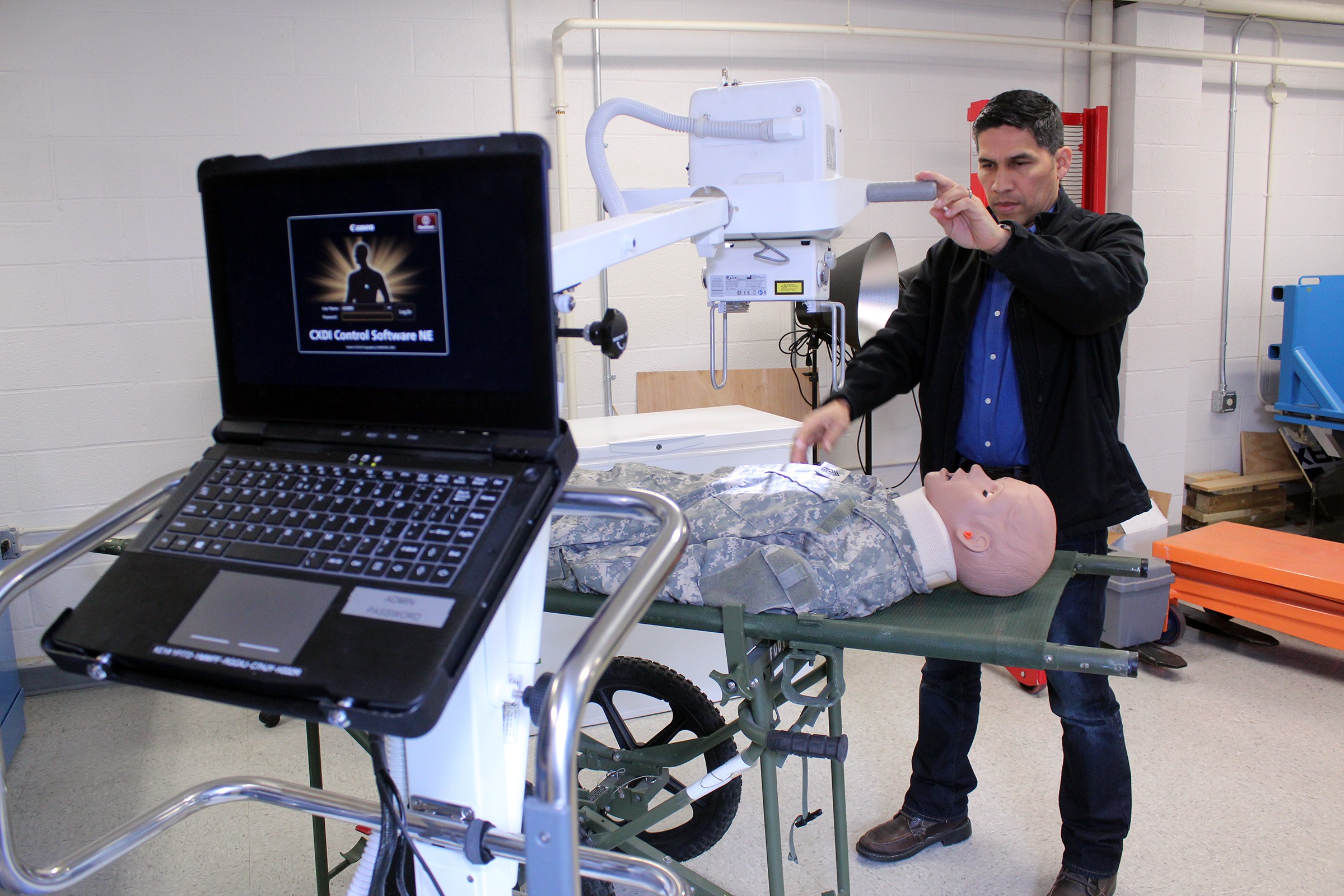
Key Highlights
- Diagnose: Curie’s mobile X-ray units drastically improved battlefield diagnostics.
- Risked: Her personal sacrifices in health underline the seriousness of her scientific pursuits.
- Motivation: Marie Curie remains a lasting inspiration to scientists around the world.
Detailed Analysis of Marie Curie’s Contributions
Introduction to Mobile X-Ray Units
In the midst of World War I, the necessity for rapid and accurate diagnosis of battlefield injuries became paramount. Marie Curie, renowned for her pioneering research in radioactivity and her innovative spirit, stepped into a critical role during this time by developing mobile X-ray units. These units, affectionately nicknamed "Little Curies," were designed to allow medical staff to quickly and efficiently diagnose injuries in soldiers. The implementation of these mobile units was a turning point in military medicine, as they enabled doctors to identify the locations of bullets, shrapnel, and other foreign objects within the bodies of injured soldiers.
Function and Impact on Battlefield Medicine
The primary function of these mobile X-ray units was to assist doctors in diagnosing injuries. The ability to "diagnose" injuries using X-ray technology revolutionized how injuries were treated in the field. Instead of relying solely on physical examinations or delayed results from stationary equipment, doctors on the battlefield could now immediately visualize internal injuries. This rapid diagnostic capability meant that critical decisions could be made almost instantly, potentially saving lives by ensuring that soldiers received the appropriate surgical intervention or treatment without delay.
The Sacrifice: Risking Personal Health for Science
Beyond the technological innovation, Marie Curie’s story is also one of immense personal sacrifice and commitment to the cause of scientific progress. Her passion for discovery and her profound desire to contribute to science meant that she was willing to endure significant risks, including the dangers associated with prolonged exposure to radiation. Curie’s work with radioactive materials, carried out without the benefit of later-established safety protocols, eventually had severe consequences for her own health. The term "risked" best describes her actions—she risked her health, time and personal well-being to further her research and, in the process, to revolutionize medical diagnostics during a time of dire need.
This willingness to accept personal harm in the name of scientific progress was emblematic of her overall dedication. Even as she confronted a health decline that would eventually lead to her untimely demise—likely due to aplastic anemia—Curie's sacrifices laid the groundwork for future improvements in both medical diagnostics and public health policies regarding radiation safety.
Inspiration and the Global Legacy of Marie Curie
A Motivation for Scientists Worldwide
Beyond her tangible contributions to medicine, Marie Curie’s legacy is cemented in her role as an enduring source of motivation for scientists globally. Described as a “motivation” in many tributes to her life, Curie’s story exemplifies the unyielding spirit of inquiry and perseverance. Her career, marked by groundbreaking discoveries in both physics and chemistry, has served to inspire countless individuals to pursue scientific studies and to meet challenges head-on.
As a symbol of determination, innovation, and the relentless pursuit of knowledge, Curie has transcended the realm of her immediate scientific contributions to become a role model and a beacon for future generations. Her life story reminds us that the pursuit of scientific breakthroughs often comes at personal cost, yet it is this very sacrifice that can lead to monumental advancements in human understanding. Her achievements underline the crucial realization that progress in any field often requires a readiness to take calculated risks for the greater good.
Comprehensive Comparison Table
| Aspect | Innovative Contribution | Impact | Description |
|---|---|---|---|
| Technology | Mobile X-ray Units | Improved Battlefield Diagnostics | Developed during World War I, the mobile X-ray units enabled doctors to quickly diagnose injuries by displaying internal damage and foreign objects such as bullets and shrapnel. |
| Personal Sacrifice | Risked Health | Set Standard of Dedication | Despite the risks associated with handling radioactive materials, Curie's willingness to risk her own health paved the way for unprecedented scientific discoveries, emphasizing the importance of perseverance. |
| Legacy | Inspiration | Global Motivation | Marie Curie remains a source of motivation for scientists worldwide. Her groundbreaking work and exemplary dedication to science continue to inspire innovation and commitment in the scientific community. |
Insights on the Multiple-Choice Answers
Answering the Questions
The context of the multiple-choice questions provided revolves around three key aspects of Marie Curie’s work and legacy:
-
During World War I, Curie developed mobile X-ray units to help doctors ________ injuries more effectively on the battlefield.
Correct Answer: A) diagnose
The verb “diagnose” aptly captures the primary function of the mobile units. By enabling doctors to identify the precise location of foreign objects in wounded soldiers, these units played a critical role in the rapid and accurate treatment of injuries, a significant innovation during wartime.
-
Her love of science was so strong that she even ________ much of her own health for the sake of her discoveries.
Correct Answer: D) risked
The word “risked” reflects Marie Curie’s acceptance of hazardous working conditions, particularly with regard to the exposure to radioactive materials, which ultimately compromised her own health. This choice underscores her extraordinary commitment to scientific progress.
-
Marie Curie is a _______ to scientists worldwide for her groundbreaking work and her amazing spirit.
Correct Answer: C) motivation
Labeling Marie Curie as a “motivation” illustrates how her tireless dedication and monumental contributions to science continue to inspire a wide range of future scientists. Her life’s work remains a testament to the impactful blend of passion, innovation, and self-sacrifice.
Historical and Scientific Context
Historical Background of World War I
World War I was characterized by rapid changes in the nature of warfare, including technological innovations and advances in medical treatment. The harsh conditions of trench warfare and the massive scale of military conflict created urgent needs for novel medical interventions. In this atmosphere of immense challenge and urgency, technological innovations such as mobile X-ray units provided critical support to battlefield medicine.
Prior to the introduction of mobile diagnostic equipment, the ability to accurately assess injuries in real time was severely limited. Doctors had to rely primarily on physical examinations and rudimentary imaging techniques, which often led to delays in treatment. The advent of mobile X-ray units marked a significant milestone in medical technology, enabling rapid diagnostics that improved surgical outcomes and overall patient care.
Scientific Innovations and Their Long-Term Impact
Marie Curie’s innovative approach to solving complex medical and scientific problems extended far beyond her immediate wartime contributions. By integrating the properties of radioactivity with practical medical diagnostics, she not only improved the standard of care on the battlefield but also set the stage for later developments in radiology and cancer treatment.
Through her work, Curie demonstrated that perseverance in the face of risk could lead to ground-breaking advancements. Her research into radioactivity has inspired decades of scientific inquiry and opened up new fields of study. The legacy of her work can be observed in modern medical imaging techniques and the ever-growing field of nuclear medicine.
Safety Protocols and Ongoing Research
One important lesson drawn from Curie’s work is the eventual emphasis placed on safety protocols when dealing with hazardous materials. Although her direct exposure to radiation had tragic consequences, it sparked an increased awareness and rigorous development of modern safety guidelines in laboratories and hospitals worldwide.
Today, the principle of calculated risk-taking in pursuit of scientific knowledge is acknowledged, with safety measures now integral to research involving radioactive materials. Curie’s pioneering work, therefore, not only advanced scientific knowledge but also reshaped the ethical and procedural frameworks of modern scientific research.
Marie Curie’s Enduring Influence in Science Education
Inspiring Future Generations
The inspirational narrative of Marie Curie transcends the specifics of her scientific achievements. Across academic institutions and research facilities worldwide, her determined spirit is celebrated as a paradigm of intellectual rigor and heroic innovation. Educational curricula frequently highlight her life's work as an example of how dedication and innovation can alter the course of history.
Countless students and emerging scientists draw motivation from her story, seeing in it a template for achieving excellence in even the most challenging circumstances. Marie Curie’s example serves as a powerful reminder that the pursuit of scientific discovery often requires the willingness to face significant personal risk, yet the rewards in terms of human progress can be immeasurable.
Legacy in Modern Medicine
The mobile X-ray units developed by Curie have not only served to advance wartime medicine but have also influenced modern practices in emergency and trauma care. The principles of rapid diagnosis and immediate treatment remain core aspects of contemporary medical practice, widely implemented in both civilian and military healthcare systems across the globe.
As a continuing tribute to her contributions, numerous medical research initiatives and academic programs dedicate sections of their studies to her work. By bridging the gap between pure research and its practical applications, Marie Curie’s approach continues to foster innovation in ways that directly enhance patient care.
Additional Comparisons and Insights
Technological Impact Versus Personal Sacrifice
The dual aspects of Curie’s legacy—the significant technological impact and the profound level of personal sacrifice—offer a comprehensive picture of what it means to be a pioneer in science. Her work serves as an incredible case study in understanding how innovation often carries an inherent risk, and how those who push the boundaries of human knowledge may endure severe challenges.
The mobile X-ray units not only improved diagnostic capabilities during one of the most brutal periods of modern history, but they also laid the foundation for further technological evolution in the field. Meanwhile, the personal risks she undertook remind today's researchers of the importance of balancing scientific ambition with stringent safety measures.
Role as an Inspirational Figure
Over the years, scholars, medical professionals, and students have chronicled the remarkable contributions of Marie Curie. Her lasting influence is evident in memorials, educational exhibits, and in the reverence with which her life is discussed in academic circles. The qualities of 'risking' her health and being a constant 'motivation' for others resonate deeply in a world that continues to push the frontiers of science.
Her dynamic journey from innovative research practices to the eventual establishment of protocols that safeguard modern scientists is a narrative filled with lessons in resilience, resourcefulness, and a commitment to the advancement of society. For these reasons, Marie Curie remains an enduring symbol of what can be achieved when one is willing to take bold risks in the pursuit of transformative discoveries.
Summary and Contextual Learning
Key Learning Points
The discussion surrounding Marie Curie’s contributions is multi-faceted. It incorporates the revolutionary aspect of developing mobile X-ray units that allowed for quicker, more precise diagnosis ("diagnose") on the battlefield, alongside the personal cost she endured by risking (“risked”) her health for science. Furthermore, her legacy as a motivational force ("motivation") continues to inspire scientists worldwide.
Integrating historical context with technical achievements, her story advocates for the tremendous benefits of applying scientific discovery in real-world scenarios, even when such paths carry inherent risks. As advancements in modern medicine continue to be built upon the innovations of pioneers like Curie, her life remains a critical reference point in both academic research and practical applications in healthcare.
References
- How Marie Curie Helped Save a Million Soldiers - IEEE Spectrum
- How Marie Curie Brought X-ray Machines to Battlefield - Smithsonian Magazine
- Marie Curie Story - Nobel Prize
- Marie Curie and the X-rays - War History Online
- Marie Curie and the 1903 Nobel Prize - Nobel Prize
Recommended Further Queries
Last updated March 15, 2025