
Exploring Cybersecurity Threats and Attacks Through Innovative Data and Research Methods
A deep dive into modern security challenges and data-driven approaches
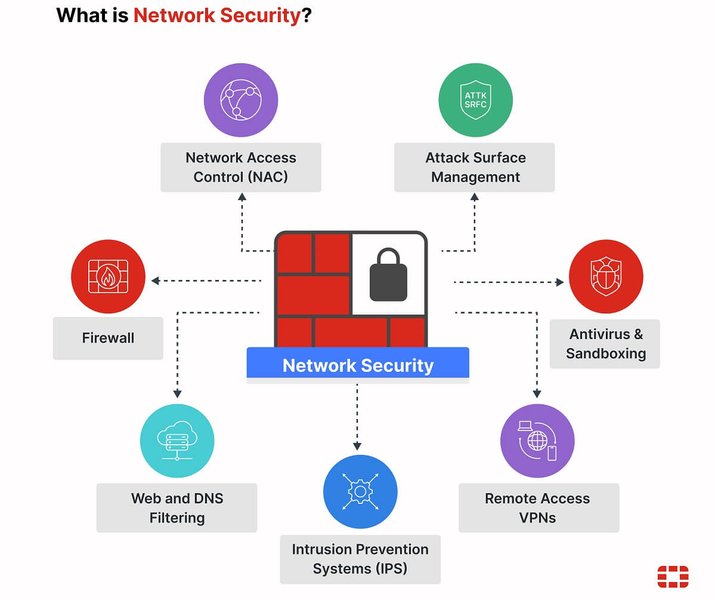
Highlights
- Comprehensive Overview: Detailed exploration combining data collection and research methods.
- Methodical Analysis: Emphasizes mango image datasets, powdery mildew analysis, and cybersecurity defense strategies.
- Integrated Visualization: Uses interactive data charts, mind maps, and easy-to-read tables to consolidate key ideas.
1. Introduction
As technology advanced and interconnected systems became prevalent, both the agricultural and cybersecurity sectors have witnessed significant transformations, with one of the most critical intersections being the use of innovative data collection and analysis methods. This document outlines methods like exploring specialized datasets – such as the Mango Image Datasets for agricultural insights and advanced research methods in identifying and mitigating cybersecurity threats. By examining methods from both realms, we can establish robust mechanisms to gather, analyze, and protect data against modern cyberattacks.
Understanding the Dual Impact: Agriculture and Cyber Defense
The convergence of data analysis techniques from agriculture with cybersecurity research offers new perspectives on handling modern challenges. By implementing methods typically used for agricultural data collection, such as the Mango Image Datasets and Powdery Mildew analysis, specialists can adapt similar strategies for recognizing patterns in network traffic and malware spread. Cybersecurity today depends on rapid detection and analysis—methods that borrow from the systematic approaches of fields such as crop management.
1.1 Overview
Cybersecurity threats and attacks have grown exponentially in their complexity and impact in the digital age. Today, these threats range from AI-driven attacks, ransomware, and social engineering strategies to nation-state attacks and insider threats. These sophisticated attacks necessitate an in-depth understanding of both data collection techniques and analytical research methodologies. By leveraging datasets which are originally used in non-traditional fields – like agriculture for yield prediction or disease detection – researchers can develop refined predictive models for detecting anomalous behavior in network systems.
1.2 Methods of Data Collection
Effective cybersecurity relies on robust data collection techniques that can capture detailed information regarding network traffic, system vulnerabilities, and potential attack vectors. Researchers and security teams have begun to integrate approaches that draw inspiration from domains such as agricultural image processing, where datasets are created and processed to extract detailed insights from visual data. Below, we discuss two prominent methods emblematic of this integrated approach.
1.2.1 The Mango Image Datasets
The Mango Image Datasets are an excellent example of how agriculture benefits from advanced computer vision techniques to accurately count fruit yields, assess crop health, and monitor disease spread in fields. In cybersecurity, a similar methodology assists in the visualization process by transforming raw data into easily interpretable images, which can then be analyzed using machine learning algorithms. These datasets provide a robust foundation for training algorithms to detect subtle anomalies, which in the security domain would translate into identifying early signs of a security breach or unusual network behavior.
For example, machine learning models trained on the Mango Image Datasets are capable of distinguishing normal patterns from rare ones. Similarly, AI-powered threat detection systems can be trained to recognize the “normal” baseline of network activity and quickly flag deviations. Such adoption paves the way for robust, anticipatory security measures.
1.2.2 The Powdery Mildew
In agriculture, powdery mildew represents a significant risk to crop health, and timely detection through image analysis prevents its extensive spread. This methodology is applicable to cybersecurity where a similar pattern of analysis is used to detect malware and other malicious operations in network traffic. Using datasets originally designed for powdery mildew detection, security systems can be enhanced to identify the early propagation of malicious code or unauthorized activities.
The approach commonly involves steps such as data acquisition, preprocessing, feature extraction, and finally, classification. For cybersecurity, an analogous framework can be implemented: network logs replace leaf images, preprocessing algorithms clean and standardize the traffic data, and advanced classifiers spot potential security threats or deviations from normal behavior. This not only ensures faster response times but also aids in predicting potential vulnerabilities before they can be exploited.
1.3 Research Methods
Cybersecurity research today employs various methodologies drawn from quantitative and qualitative approaches. These include laboratory-based simulations, real-world incident case studies, and the analysis of extensive datasets through big data analytics. The utilization of machine learning and data analytics is pivotal, as these techniques help in identifying hidden patterns, predicting the spread of cyber threats, and providing crucial context for security analytics.
Data-Driven Approaches
Leveraging datasets such as the Mango Image Datasets and those used for detecting powdery mildew, researchers apply advanced algorithms that allow the detection of cyber anomalies. This methodology ensures a high degree of precision in recognizing typical network behaviors versus unusual patterns that may signify a security breach.
Simulation and Case Studies
Detailed simulations of cyberattacks, including ransomware and phishing schemes, enable organizations to rehearse incident response strategies. Case studies, on the other hand, offer a deep dive into specific events, providing valuable insights that directly inform future security protocols and risk evaluations.
Integration with AI and Machine Learning
Artificial intelligence not only aids in data analysis but also in predicting threats. By training AI models on datasets that include both benign and malicious activities, systems can learn to effectively differentiate nuanced differences in network behaviors, much like differentiating between healthy and diseased plants in agricultural settings.
1.4 Approaches
The ever-evolving landscape of cybersecurity demands a proactive and multi-layered approach to both prevention and response. The strategies include a combination of technical measures, effective policy frameworks, and robust incident response plans.
Cybersecurity Threats and Attacks: Key Areas
Cybersecurity challenges manifest in various forms. The most notable ones include:
- AI-Powered Attacks: These leverage artificial intelligence for crafting sophisticated phishing scams, adaptive malware, and evasion techniques.
- Ransomware: An ongoing concern where critical data is encrypted, and attackers demand a ransom to restore it.
- Social Engineering: Tactics such as phishing and spear phishing that exploit human psychology to steal sensitive data.
- Supply Chain Attacks: Targeting third-party vendors to gain access to broader networks.
- Nation-State and Insider Threats: Both external attackers and those within an organization can pose significant risks.
Strategic and Technical Measures
To counter these threats, organizations must:
- Adopt Proactive Security Postures: Implement multifactor authentication, continuous monitoring, and threshold-based anomaly detection systems.
- Conduct Regular Training: Educate employees about the dangers of phishing and social engineering practices.
- Integrate AI and Behavioral Analytics: Use machine learning models to swiftly identify and mitigate anomalies in network traffic.
- Develop and Update Incident Response Plans: Prepare for fast and effective responses to attacks, reducing potential damages.
- Enforce Strong Access Controls: Utilize robust methods for data encryption and ensure that only authorized personnel have access to sensitive systems.
The integration of these approaches helps establish a durable and resilient framework that can withstand both current and emerging cyber threats.
A Radar Chart Visualizing Derived Security Metrics
The following radar chart provides an illustrative snapshot of various dimensions of cybersecurity effectiveness as conceptualized in our analysis. The categories include AI-Driven Threat Detection, Ransomware Preparedness, Social Engineering Awareness, Supply Chain Security, Incident Readiness, and Insider Threat Monitoring.
Mindmap of Cybersecurity Research and Data Collection
The mindmap below illustrates the interconnection between traditional data collection approaches, including agricultural datasets, and modern cybersecurity research. It demonstrates how datasets originally designed for agriculture are re-engineered for threat detection, incident response, and predictive analysis in cybersecurity.
Integrating Key Concepts into a Single Framework
To provide a consolidated view, the table below outlines the connection between agricultural data collection methodologies and corresponding cybersecurity research strategies. This framework supports both fields by assigning similar processes to data acquisition, analysis, and response activities.
| Component | Agricultural Data Collection | Cybersecurity Research |
|---|---|---|
| Data Acquisition | Utilizing Mango Image Datasets to assess fruit count and health | Collecting network logs, system metrics, and threat feeds |
| Data Processing | Preprocessing images to remove noise and enhance features | Filtering network data and normalizing input for analysis |
| Analysis Method | Employing computer vision and machine learning to identify diseases | Using machine learning for anomaly detection and threat modeling |
| Response Strategy | Implementing early intervention to mitigate crop disease spread | Deploying incident response protocols, continuous monitoring and patch management |
| Preventive Measures | Regular updates to models based on seasonal variability | Adopting multi-factor authentication, SIEM, and threat intelligence sharing |
Frequently Asked Questions
References
- SentinelOne - Cyber Security Threats Overview
- World Economic Forum - Biggest Cybersecurity Threats 2025
- Cybersecurity Insiders - Top Threats and Protection
- Cloud Security Alliance - Emerging Threats 2025
-
Google Cloud - Cybersecurity Forecast 2025
Recommended
Additional Multimedia Insight
For a more dynamic understanding of current cyber threat strategies, watch the following video that presents real-world examples and best practices for preventing cyber attacks:
Last updated April 1, 2025