
Importance of Demographic Profile of Dance Students
A Comprehensive Review of Related Literature
Highlights
- Understanding Diversity: Recognizing age, gender, cultural, and socioeconomic diversity to inform tailored educational programs.
- Enhancing Safety and Well-being: Identifying injury patterns and developmental needs to improve health outcomes and curriculum design.
- Fostering Inclusive Environments: Incorporating diverse backgrounds to promote cultural appreciation, academic benefits, and social integration.
Introduction
The demographic profile of dance students is a focal point in research aiming to improve dance education and health outcomes. A thorough understanding of the varying ages, cultural backgrounds, gender ratios, socioeconomic statuses, and other social indicators helps educators, healthcare providers, and policymakers design programs that address the specific needs of diverse student populations. This review of the literature provides a comprehensive overview of the importance of demographic profiling in dance, backed by various studies and scholarly references.
1. Demographic Dimensions and Their Impact
1.1 Age and Developmental Considerations
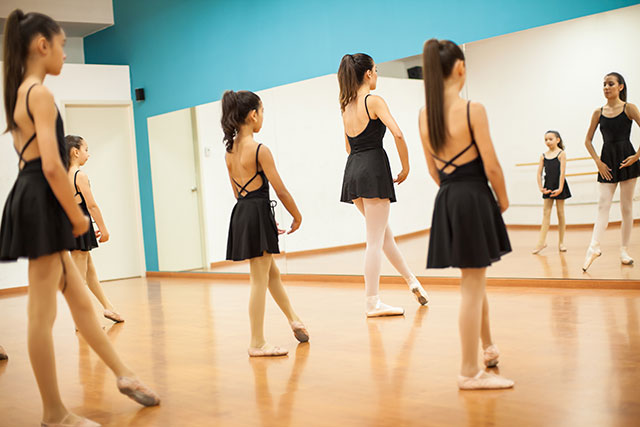
Research widely indicates that most dance students fall in the younger age bracket, primarily between 10 and 21 years old. This period is critical, as students are in a phase of physical development and cognitive growth. Studies have focused on the vulnerability of this age group regarding injuries, with statistics suggesting that up to 76% of injuries in the dance arena occur within this bracket. The intersection of age and physical maturity is crucial for implementing age-appropriate training methods and rigorous preventive measures.
1.2 Gender, Cultural, and Socioeconomic Diversity
Beyond age, gender imbalance and cultural diversity also play significant roles in shaping dance programs. The literature often underscores issues such as male underrepresentation in dance due to societal stereotypes and the unique contributions of diverse ethnic backgrounds that enrich dance forms. Socioeconomic factors further influence participation rates and access to quality dance education. Understanding these variables allows educators to adapt curricula and teaching strategies to accommodate diverse learning styles and life experiences, making dance education more inclusive.
1.3 Psychological and Social Benefits
Dance, as an art form and physical activity, offers profound psychological and social advantages. These include improved mental health, enhanced self-esteem, and opportunities for social integration. Demographic studies provide a framework to explore how these benefits may vary across different subgroups. For example, carefully analyzing variations by gender and ethnicity can lead to interventions that maximize the positive outcomes of dance participation. Researchers have found that dance additionally contributes to academic performance and long-term civic engagement, making it a valuable tool for holistic education.
2. Educational Implications
2.1 Curriculum Development and Pedagogical Strategies
One primary benefit of understanding the demographic composition of dance students lies in the design of educational curricula. Knowledge of students’ backgrounds informs adaptive teaching methods that not only cater to the physical but also to the cognitive aspects of learning. Educators who harness detailed demographic data can develop curricula that promote inclusivity and engage every student effectively. This is particularly important in dance education, where kinesthetic learning and creative expression require nuanced and context-aware approaches.
2.2 Inclusive Teaching Practices
Teaching diverse populations in dance settings involves anticipating the unique challenges faced by students from underrepresented and varied socioeconomic backgrounds. Studies stress the importance of incorporating culturally responsive pedagogy into dance education. By understanding students' cultural and familial backgrounds, educators can design lessons that celebrate differences and foster a supportive environment. This approach not only enhances artistic expression but also contributes to a more equitable and enriching educational experience.
2.3 Funding and Resource Allocation
Detailed demographic profiles provide valuable insights that can drive funding and resource allocation decisions. When the specific needs of diverse student communities are understood, governmental bodies and private sponsors can direct resources more effectively. This includes investments in safety measures, specialized training programs, and community outreach initiatives designed to bolster participation among underrepresented groups. Demographic data serves as a critical tool in advocating for equitable dance education funding and resources.
3. Health and Injury Prevention
3.1 Physical Vulnerability and Injury Trends
Dance requires rigorous physical activity, and students are particularly susceptible to injuries due to overuse, improper technique, or insufficient supervision. Research has consistently shown that students aged 10-21 are at higher risk. By analyzing these trends, educators can institute preventative regimes, such as tailored warm-up routines, better supervision, and modified training programs. The aim is to establish a balance between rigorous practice and the physical well-being of the dance students.
3.2 Program Adjustments to Enhance Well-being
Understanding the specific health challenges that dance students face enables the development of targeted interventions. Programs can be designed to address not only physical injuries but also mental health challenges, including stress and performance anxiety. Dance studios and institutions that integrate demographic analysis into program development are better equipped to identify risk factors and implement strategies that reduce injury rates while promoting overall well-being.
4. Research Overview and Scholarly Contributions
4.1 Key Research Studies
Multiple studies contribute to our understanding of the demographic profile of dance students. For example, research published on platforms like ResearchGate and PubMed highlights the significant impact of age-related vulnerabilities and the importance of tailoring dance programs accordingly. Other studies have provided detailed demographic statistics on gender ratios, regional variations, and cultural influences in dance education. Each piece of research contributes to building a comprehensive view of the challenges and potentials within the field.
4.2 Synthesis of Findings
The body of literature reviewed here converges on several central themes. These include the need for adaptive and inclusive curricula, the importance of addressing both physical and psychological health issues in dance education, and the role of detailed demographic data in supporting funding and resource management. Such synthesis not only aids educators in designing better programs but also provides policymakers with robust data to advocate for sector-specific funding.
4.3 Comparative Analysis
To better organize the research findings, the following table summarizes key points from several influential studies and reports. This table highlights the study focus, major findings, and provided links for further exploration.
| Study Focus | Major Findings | Reference Link |
|---|---|---|
| Age and Injury Trends | High injury rates among 10-21 years old; need for age-specific training | ResearchGate: Demographics of Dance |
| Cultural and Socioeconomic Diversity | Highlights varied cultural backgrounds and the impact on curriculum | Data USA: Dance Profile |
| Psychological and Social Benefits | Improved mental health, increased academic performance, and social integration | National Endowment for the Arts Research |
| Injury Prevention and Health | Implementation of tailored injury prevention programs | PubMed: Modern Dancers Profile |
| Inclusive Educational Practices | Need for culturally responsive pedagogy in dance | UNCO Theses: Diverse Populations |
5. Integrative Discussion
5.1 Intersectionality in Dance Education
The review of multiple research studies underscores the significance of intersectionality in understanding the demographic profile of dance students. It is evident that different demographic factors such as race, gender, and socioeconomic background do not operate in isolation; rather, they interact to create unique experiences in dance education. Tailoring dance programs according to these nuanced intersections fosters an environment where every student can thrive.
5.2 Implications for Policy and Practice
The robust analysis of demographic data in dance has implications that extend beyond classroom instruction. Policymakers can use these insights to develop supportive frameworks that fund specialized programs, safeguard student well-being, and promote artistic growth. Additionally, administrators in dance institutions are better equipped to design targeted training sessions and outreach programs based on verified demographic trends.
5.3 Future Directions
Emerging trends in dance education suggest an evolving focus on integrating technology and innovative teaching methods. Future research might explore the long-term outcomes of demographic-tailored interventions in dance academies, and how these affect career trajectories in the performing arts. Incorporating advanced tracking of demographic factors can assist in crafting feedback loops that continually improve educational outcomes and student safety. Researchers and practitioners alike can look forward to richer, data-driven insights that further refine the art and science of dance education.
References
- ResearchGate: The Demographics of Dance in the United States - ResearchGate
- Data USA: Dance Degree Recipients - Data USA
- PubMed: Profile of Professional Modern Dancers - PubMed
- National Endowment for the Arts Research - NEA
- UNCO Theses: Preparing Dance Educators for Diverse Populations - UNCO
Recommended Exploratory Queries
Last updated March 9, 2025