
Importance of Demographic Profiles in Dance Education
Understanding Dance Student Demographics: Insights & Resources
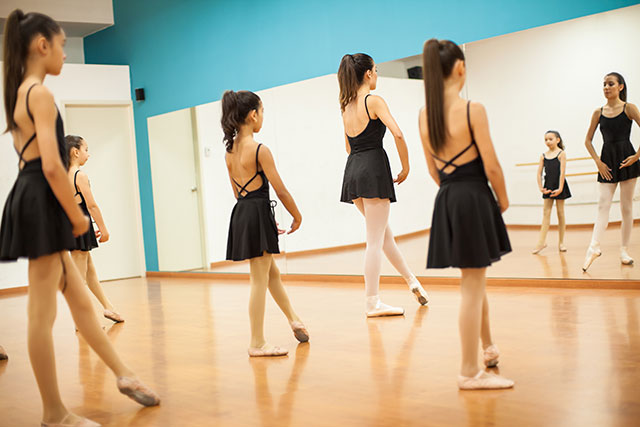
Key Highlights
- Tailoring Educational Programs: Demographic data helps craft culturally relevant and inclusive curricula.
- Health and Performance Optimization: Analysis of age and training characteristics informs injury prevention and performance improvement strategies.
- Promoting Inclusivity and Diversity: Understanding varied student backgrounds aids in overcoming biases and fostering cultural awareness.
Introduction
In the sphere of dance education, recognizing and understanding the demographic profile of dance students is a crucial component for educators, researchers, and policymakers alike. Demographic profiling encompasses key factors such as age, gender, ethnicity, and socioeconomic background. A comprehensive analysis of these factors not only shapes teaching practices and safety protocols but also significantly enriches curricula design, helping institutions to better cater to their student populations. This extensive overview explores the importance of demographic profiles in dance education, integrating insights on program tailoring, performance optimization, health monitoring, and the crucial need for inclusivity. Additionally, this discussion provides a variety of relevant resources and research links that further the discourse on this critical subject.
Understanding Demographic Data in Dance Education
What Constitutes Demographic Data?
Demographic data in the context of dance education includes variables such as age, gender, ethnicity, socioeconomic status, geographic region, and even aspects like previous training experience. These parameters provide a snapshot of the diverse backgrounds present within dance programs. Educators can leverage these statistics to understand who is participating, identify potential barriers for underrepresented groups, and ensure that the educational approaches employed are both effective and inclusive.
Variables and Metrics
The demographic profile of dance students is typically segmented into several core metrics:
- Age Distribution: Predominantly, dance students fall into distinct age segments. Research suggests that a significant percentage of dance-related injuries occur in the 10-21 age bracket, necessitating age-specific training, care, and injury prevention strategies.
- Gender Representation: Dance has historically been seen as a feminine pursuit, yet male dancers are equally important. Analyses of gender distribution help to challenge and overcome societal biases related to gender roles within the field.
- Ethnicity and Cultural Backgrounds: Diverse ethnic backgrounds enrich dance programs. Recognizing these differences permits the integration of multicultural perspectives, ensuring that dance styles from various cultures are acknowledged and celebrated.
- Socioeconomic Status: The financial backgrounds of students affect their access to dance education. Understanding the socioeconomic demographics aids in addressing potential disparities by designing subsidy programs or inclusive initiatives.
- Previous Training and Experience: Profiling training backgrounds—from novices to those with advanced technical training—provides insights into teaching needs and skill development requirements.
Practical Applications of Demographic Analysis
Tailoring Instruction and Curriculum Development
One of the most immediate benefits of analyzing demographic profiles is the opportunity to tailor dance instruction more precisely. When educators understand student demographics, they can modify teaching methods and course designs to optimize both learning outcomes and engagement.
Culturally Responsive Teaching
By recognizing the cultural and ethnic makeup of their students, dance educators can integrate a range of dance styles, including classical, modern, cultural, and contemporary forms. This not only enriches the curriculum but also fosters an environment of acceptance and cultural exchange. Such practices contribute to a well-rounded educational experience that respects and celebrates the diversity of its participants.
Adaptive Training Programs
Tailoring training programs based on age and prior experience can significantly impact student performance and their overall well-being. Younger dancers might require a program that minimizes injury while gradually increasing physical demands, whereas older or more advanced students might benefit from complex choreographies and advanced technique training. By aligning educational methods to the specific demographic subgroup, institutions ensure a tailored learning journey that respects individual pace and capacity.
Injury Prevention and Health Monitoring
Injury prevention is a critical area where demographic insights have profound implications. Research indicates that the younger dance student group, particularly those aged 10-21, has a higher risk of injuries due to the intensity and demands of training.
Targeted Health Strategies
A focused understanding of age-related vulnerabilities enables educators and health professionals to develop strategies specifically for injury prevention. Programs can be designed to teach safe techniques, proper warm-up and cool-down routines, and emphasize the importance of rest and recovery. In addition, periodic health and fitness assessments become more meaningful by pinpointing high-risk demographic segments and addressing specific needs before they escalate into severe injuries.
Monitoring Psychological Well-Being
Beyond physical injuries, demographic profiles also provide insights into the psychological aspects of dance training. Dance is both a physical and emotional endeavor, where stress, anxiety, and self-image issues can drastically affect performance. Recognizing these challenges, particularly in high-risk groups, enables institutions to integrate wellness programs and mental health support into their curricula. This proactive approach not only minimizes the risk of burnout but also enhances the overall educational experience.
Promoting Diversity and Inclusivity
Addressing Societal Biases
The demographic study of dance students is invaluable for identifying and dismantling long-standing societal biases. Dance, historically perceived in stereotypical roles, sometimes faces prejudice—most notably concerning male participation. By closely analyzing the demographic distribution, educators can develop targeted interventions to challenge these stereotypes.
Equal Representation and Opportunity
Ensuring that both male and female dancers receive equal opportunities, support, and recognition is imperative. Demographic data provide the evidence needed to back initiatives aiming at creating balanced environments in dance classes and professional formations alike. Furthermore, recognizing and nurturing talent across genders expands the overall scope of dance education, leading to more diversified artistic expression.
Cultural Awareness and Integration
The demographic analysis also sheds light on the cultural diversity existing among dance students. With students representing various ethnicities and cultural backgrounds, dance curriculums are enriched through the inclusion of various traditional dance forms and techniques. This exposure fosters cultural sensitivity and understanding among students, which is crucial in today’s globalized society. Educators can better address cultural nuances in artistic expression, empowering students to appreciate the fusion of global dance traditions.
Professional Pathways and Career Development
Insights into Career Transitions
Beyond the classroom, demographic profiles also offer useful insights into the professional trajectories of dance students. Analyzing data on training backgrounds, performance records, and career transitions equips institutions with valuable information regarding the pathways dancers typically follow.
Developing Tailored Career Support Programs
Colleges, dance academies, and professional training programs can use demographic insights to shape career guidance, mentorship programs, and networking opportunities. Such support structures are especially beneficial for emerging dancers trying to navigate a highly competitive industry. Understanding training characteristics and demographic challenges can guide program designs that support smooth transitions from education to professional employment in the arts.
Evaluating Program Success and Attrition
Monitoring outcomes using demographic data allows for a critical evaluation of dance programs. Educators can track success rates, dropout factors, and career progression among various demographic groups. This ensures that programs remain adaptive and responsive to the evolving needs of their student body.
Data-Driven Resource Allocation
Funding and resource allocation in dance education can be optimized by analyzing demographic trends. When institutions are aware of the specific needs and challenges within their student population, they are better equipped to direct resources towards programs with the highest potential impact—whether that is injury prevention, diversity initiatives, or advanced training methods.
A Summary Table of Key Demographic Considerations
| Aspect | Description | Application in Dance Education |
|---|---|---|
| Age Distribution | Focus on key age groups (e.g., 10-21) prone to injuries and developmental differences. | Design age-appropriate training programs and injury prevention strategies. |
| Gender Representation | Analyzing the proportion of male and female dancers to address stereotypes. | Implement inclusive teaching methods and promote equal opportunities. |
| Ethnicity and Culture | Understanding the cultural backgrounds and traditions present among students. | Creating multicultural curricula that respect and incorporate diverse dance forms. |
| Socioeconomic Status | Examining economic backgrounds to identify access and participation disparities. | Develop scholarship programs and support mechanisms to ensure equitable access. |
| Previous Training | Assessing varied levels of dance training and technical experience. | Tailor instructional techniques to meet the needs of beginners and advanced dancers alike. |
Further Insights into the Educational and Health Benefits
Holistic Educational Benefits
Dance education, when informed by thorough demographic analysis, extends far beyond the realms of technique and performance. Studies have consistently shown that engaging in dance results in improved coordination, enhanced motor skills, and even better problem-solving abilities for students. The discipline inherent in dance cultivates focus, perseverance, and confidence. These attributes contribute to a more holistic form of education where academic and personal development go hand in hand.
Cognitive and Emotional Growth
Apart from the physical benefits, dance serves as an avenue for cognitive enrichment and emotional expression. Regular engagement and practice are linked to improved memory, creativity, and even social skills. When demographic data pinpoint the varying needs based on age and socio-cultural backgrounds, educators are in a prime position to harness these benefits through customized learning experiences that nurture both mind and body.
Health and Wellness Programs
Alongside improving artistic capabilities, dance education supports physical and mental wellness. With the high incidence of injuries among younger students, strategies such as dynamic warm-up routines, targeted strength training, and recovery protocols become indispensable. These health-focused initiatives are most effective when demographic data is used to identify risk factors and vulnerable groups. Moreover, incorporating mental health awareness into dance programs can provide students with the resilience needed to tackle the dual demands of both performance and academic achievement.
Key Research and Reference Links
The field of dance education is supported by a robust body of research that delves into the impacts of demographic variables on training, injury rates, inclusivity, and cultural diversity. The following resources provide further insights into these aspects:
- Dance Data Project - DanceDataProject
- The Demographics of Dance in the United States - ResearchGate
- University Theses on Dance Demographics - UNCO Digital Scholarship
- Dance Studio Industry Stats - The Studio Director
- Research on Dance-Related Injuries - PubMed
Additional Perspectives and Recommendations
Integrating Demographic Insights with Practical Strategies
The analysis and integration of demographic profiles into dance education is not a one-size-fits-all solution but rather a dynamic approach that evolves alongside emerging research and shifting societal norms. Educational institutions that embrace this analysis are better positioned to not only reduce injury risks but also harness the full spectrum of benefits that dance offers—from cognitive and social development to artistic mastery.
In addition to tailoring curricula, demographic profiling encourages dance educators to collaborate closely with health professionals, cultural institutions, and community programs. Such collaborative initiatives can lead to the development of enhanced training modules, personalized coaching, and outreach programs designed to make dance accessible to all segments of society. Bridging the gap between the physical, psychological, and educational components of dance creates a resilient and adaptive learning environment.
Implications for Policy and Future Research
By examining demographic trends, policymakers and educational institutions can better advocate for the necessary resources to support diverse dance programs. With reliable data, the case for funding—whether it’s for scholarships, facility upgrades, or specialized training programs—is significantly strengthened. Moreover, this data helps identify ongoing challenges such as socioeconomic disparities and cultural biases, which future research can target, ensuring that dance as an art form continues to evolve in an inclusive and comprehensive manner.
Policy Recommendations
Implementing policies informed by demographic analyses can lead to meaningful changes in the delivery of dance education. For example, mentoring programs for underrepresented groups, targeted outreach in economically challenged neighborhoods, and gender-neutral recruitment initiatives have all proven to raise both participation and performance levels among students. With a data-led approach, these policy changes are not only justified but also tailored to the actual needs of the community.
It is also essential for continuous feedback mechanisms to be in place, whereby changes in demographics are monitored and teaching practices are dynamically updated. Such iterative assessments ensure that educational outcomes are optimized, not just from an academic perspective, but also in fostering lifelong skills, resilience, and a passion for dance.
References
- Dance Data Project - DanceDataProject
- The Demographics of Dance in the United States - ResearchGate
- University Theses on Dance Demographics - UNCO Digital Scholarship
- Dance Studio Industry Stats - The Studio Director
- Research on Dance-Related Injuries - PubMed
Recommended Queries for Further Exploration
Last updated March 9, 2025