
Data Center Interview Guide for Energy Utilities
A comprehensive guide to estimate and capitalize on market potential
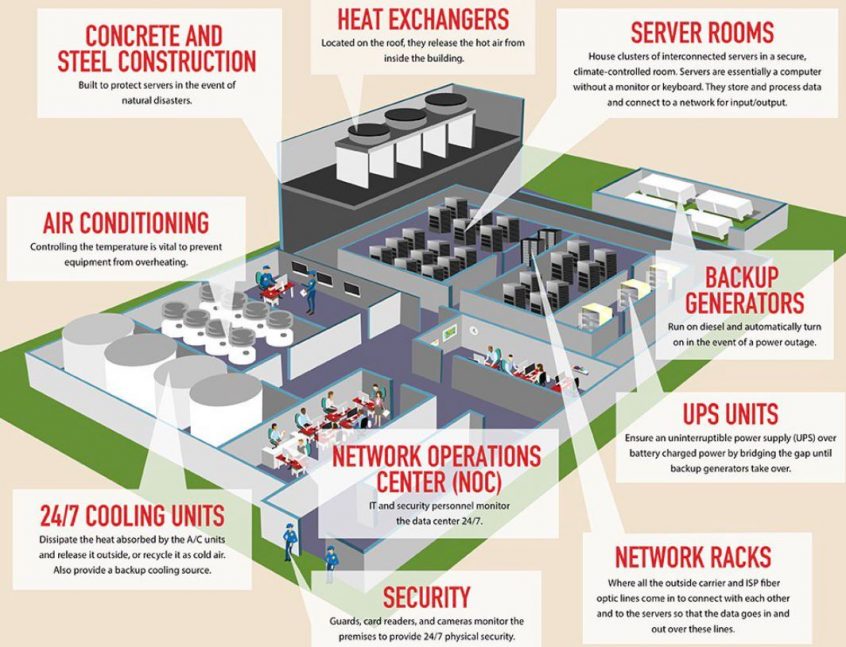
Key Highlights
- Understanding Infrastructure: Deep dive into data center types, energy consumption metrics, and efficiency technologies.
- Market Drivers: Analyze trends such as cloud computing, AI, renewable integration, and regulatory impacts.
- Interview Methodology: Structured questions to assess operational challenges, technological advancements, and future growth potential.
Introduction
In the rapidly evolving landscape of data centers, energy utilities face both challenges and opportunities. Emerging digital shifts and increasing data workload have led to a surge in data center construction and operations, imposing significant energy demands. Utilities seeking to forecast market potential can benefit from a bottoms-up approach by examining the operational details, investment decisions, and efficiency strategies of data centers. This comprehensive interview guide is designed to provide energy utilities with a detailed framework to collect insights, identify trends, and forecast energy consumption based on data center operations.
Understanding Data Center Infrastructure
Types and Operations
Data centers vary widely in terms of their design and operational scale. Utility professionals must first understand the different data center classifications:
Types of Data Centers
Identifying the type of data center is fundamental in assessing its energy consumption. Common types include:
- Hyperscale: Large-scale facilities designed to efficiently support cloud computing platforms.
- Enterprise: Data centers maintained by companies for internal operations.
- Colocation: Facilities where multiple customers share infrastructure, optimizing resource utilization.
- Edge: Smaller setups located closer to end-users to reduce latency.
Operational Efficiency and Critical Metrics
Power Usage Effectiveness (PUE)
A key indicator for evaluating data center energy efficiency is Power Usage Effectiveness or PUE. This metric is defined by the ratio of the total energy used by the data center to the energy used by IT equipment:
\( \text{\( PUE = \frac{\text{Total Facility Energy}}{\text{IT Equipment Energy}} \)} \)
Lower PUE values signal more efficient energy utilization. Interview questions should probe how facilities measure, track, and work to improve their PUE.
Cooling Systems and Infrastructure
Cooling systems represent a significant share of energy consumption. Ask questions about:
- The type of cooling technologies used (free cooling, air and water economization, advanced HVAC systems).
- Mitigation strategies for thermal management and power surge containment.
- The use of cutting-edge monitoring and automation tools to optimize energy consumption and reduce downtime.
Market Drivers and Growth Trends
Trends Impacting the Data Center Sector
Understanding the larger market dynamics is critical for forecasting energy demands. Energy utilities should examine the following trends:
Digital Transformation
Digital transformation, spurred by cloud computing, big data, IoT, and AI, has significantly increased the need for robust data center infrastructure. As workloads become increasingly data-driven, facilities are expanding, leading to higher energy demands.
Renewable Energy Integration
Many data centers are now exploring the integration of renewable resources into their power mix. Interview questions should explore:
- How facilities balance traditional vs. renewable energy sources.
- Innovative approaches to integrate solar, wind, or geothermal options.
- The anticipated impact of these integrations on grid stability and cost management.
Regulatory Environment and Incentives
Compliance with strict energy efficiency and environmental regulations can drive investment in innovative technologies. Interview discussions should consider:
- Ways in which governmental incentives and tax credits influence investment decisions for energy-efficient upgrades.
- Local and federal regulatory frameworks that impact operational strategies.
- Utility-specific initiatives that may support data centers through favorable rate structures and cost recovery mechanisms.
Developing a Structured Interview Guide
Interview Areas and Key Questions
Introduction and Background
Start by gathering background information to set the context:
- Role and Responsibilities: "Can you describe your current role and responsibilities in managing data center operations?"
- Data Center Classification: "Which types of data centers do you operate or collaborate with (hyperscale, enterprise, colocation, or edge)?"
Energy Efficiency and Consumption
Focus on the core aspects that determine energy use and efficiency:
- Efficiency Metrics: "What methods and technologies do you deploy to monitor energy usage, and how do you track PUE?"
- Cooling and Hardware: "How do you ensure effective cooling, and which technologies have been most effective in reducing energy waste?"
- Energy Sources: "Have you implemented any renewable energy sources, and what benefits or challenges have you encountered?"
Market Trends and Expansion Strategies
Uncover insights related to longer-term strategic growth and operational plans:
- Growth Forecasts: "Based on your observations, what key factors are driving the growth in data center demand over the next five years?"
- Investment in Energy Efficiency: "What investments have you made in energy efficiency, and do you foresee further investments as the digital landscape evolves?"
- Geographical Preferences: "How do regional power costs and infrastructure challenges influence your facility locations and expansion decisions?"
Incentives, Policies, and Technological Advancements
Examine how external forces shape operational decision-making:
- Incentive Programs: "What role do local or federal incentives and programs play in driving your energy efficiency strategies?"
- Regulatory Impacts: "How do evolving regulatory requirements affect your investment choices and operational practices?"
- Emerging Technologies: "What emerging technologies do you believe will significantly influence data center efficiency and energy consumption moving forward?"
Using Interview Insights for Market Forecasting
Analyzing Responses to Identify Emerging Trends
The collected data from these structured interviews can provide energy utilities with the granular insights needed to forecast market potential. A multi-step approach enables more accurate predictions:
Identifying Energy Demand Trends
By analyzing responses on current energy consumption, PUE metrics, and cooling technology efficiency, utilities can extrapolate how data centers scale their operations and prepare for future capacity requirements. Quantitative data regarding energy usage can inform investments, while qualitative insights on technological innovation shape strategic planning.
Evaluating the Impact of Renewable Integration and Regulation
Questions about renewable energy adoption and regulatory compliance reveal the external pressures influencing data center design and ongoing operations. Utilities should note trends that point towards a greater reliance on renewables and assess how policy changes may affect long-term energy demand forecasts.
Segmenting the Market by Data Center Type
Classifying responses by data center type (hyperscale, enterprise, colocation, and edge) assists in differentiating energy demands. Each category has distinct operational models, energy requirements, and growth rates that can be factored into more tailored market forecasting models.
Leveraging Data Insights through Structured Analysis
Comprehensive Table of Interview Focus Areas and Metrics
| Focus Area | Key Metrics/Questions | Impact on Market Forecasting |
|---|---|---|
| Infrastructure & Data Center Types |
- Facility classification (hyperscale, enterprise, etc.) - Operational scale and design considerations |
Defines energy demand profiles and scalability considerations. |
| Energy Efficiency & PUE |
- PUE calculation methods - Energy monitoring and efficiency strategies |
Offers quantitative data for capacity planning and investment analysis. |
| Cooling and Infrastructure |
- Cooling technologies used - Thermal management methods |
Identifies areas for optimization that can lead to cost savings and reduced energy waste. |
| Market Trends & Growth Drivers |
- Adoption of cloud and AI - Expansion plans and geographical location drivers |
Outlines drivers that shape energy usage and future investment requirements. |
| Incentives, Regulations, and Renewables |
- Governmental incentives and compliance issues - Integration of renewable energy solutions |
Influences operational strategies and external funding support for upgrades. |
Implementing the Interview Guide in Practice
Steps for Utility Professionals
Implementing this interview guide involves a systematic approach that begins with planning, execution, data collection, and finally, analysis. Energy utilities should:
Step 1: Preparation
Develop a comprehensive list of target data center contacts ranging from facility managers to technology heads. Ensure that a detailed questionnaire, based on the areas described earlier, is well-prepared.
Step 2: Conducting Interviews
Engage with interviewees using face-to-face meetings, video conferencing, or detailed questionnaires. Emphasize data quality and encourage detailed responses about energy consumption, cooling strategies, investment in renewable energy, regulatory compliance, and future growth plans.
Step 3: Data Aggregation and Analysis
Once the interviews are conducted, aggregate the data to identify common trends. Use both quantitative data—like energy usage figures and PUE scores—and qualitative insights regarding strategic plans and technological adoption. A bottoms-up approach will allow utilities to quantify energy requirements and anticipate grid investments accurately.
Step 4: Forecast Modeling
Incorporate the gathered insights into forecast models. This modeling should evaluate:
- Projected increases in electricity demand based on data center growth.
- The potential cost recovery strategies from new rate scheduling for data centers.
- Adjustments for renewable energy contributions and regulatory changes.
With these analyses, utilities can strategically plan for necessary grid and power generation investments.
Best Practices and Additional Considerations
Integrating Data Center Feedback into Strategic Planning
Closely tie insights from these interviews to your long-term planning strategies:
- Customizing Incentives: Tailor incentive programs for energy efficiency upgrades based on the specific operational challenges faced by various data centers.
- Investment Justification: Leverage gathered data to justify increased investments in energy infrastructure, helping distribute costs more equitably between residential and commercial users.
- Industry Collaboration: Foster collaborations between technology providers, data center operators, and energy utilities to innovate in cooling, grid-stability measures, and renewable integrations.
Ongoing Market Monitoring
As data centers continue to evolve, it is crucial for utilities to continuously update their market analyses. Regular updates from interview data help in recalibrating forecast models and staying ahead of emerging trends in data center developments.
References
- Top 25 Data Center Interview Questions & Answers - InterviewBaba
- Data Center Technician Interview Questions - Teal HQ
- 10 Data Center Operations Interview Questions and Answers - ClimbTheLadder
- 2025 Power and Utilities Industry Outlook - Deloitte Insights
- How Data Centers and the Energy Sector Can Sate AI’s Hunger for Power - McKinsey
Recommended Related Queries
Last updated March 14, 2025