
Deep Brain Stimulation (DBS) for Parkinson’s Disease
Comprehensive Overview of Risks, Technologies, Procedures, and Reversibility
Key Takeaways
- Effective Symptom Control: DBS significantly alleviates motor symptoms, enhancing quality of life for Parkinson’s patients.
- Advanced Technologies: Innovations such as directional leads and adaptive systems enhance precision and customization of treatment.
- Reversible and Adjustable: The procedure offers flexibility with the ability to adjust or remove the system as needed.
Introduction to Deep Brain Stimulation (DBS)
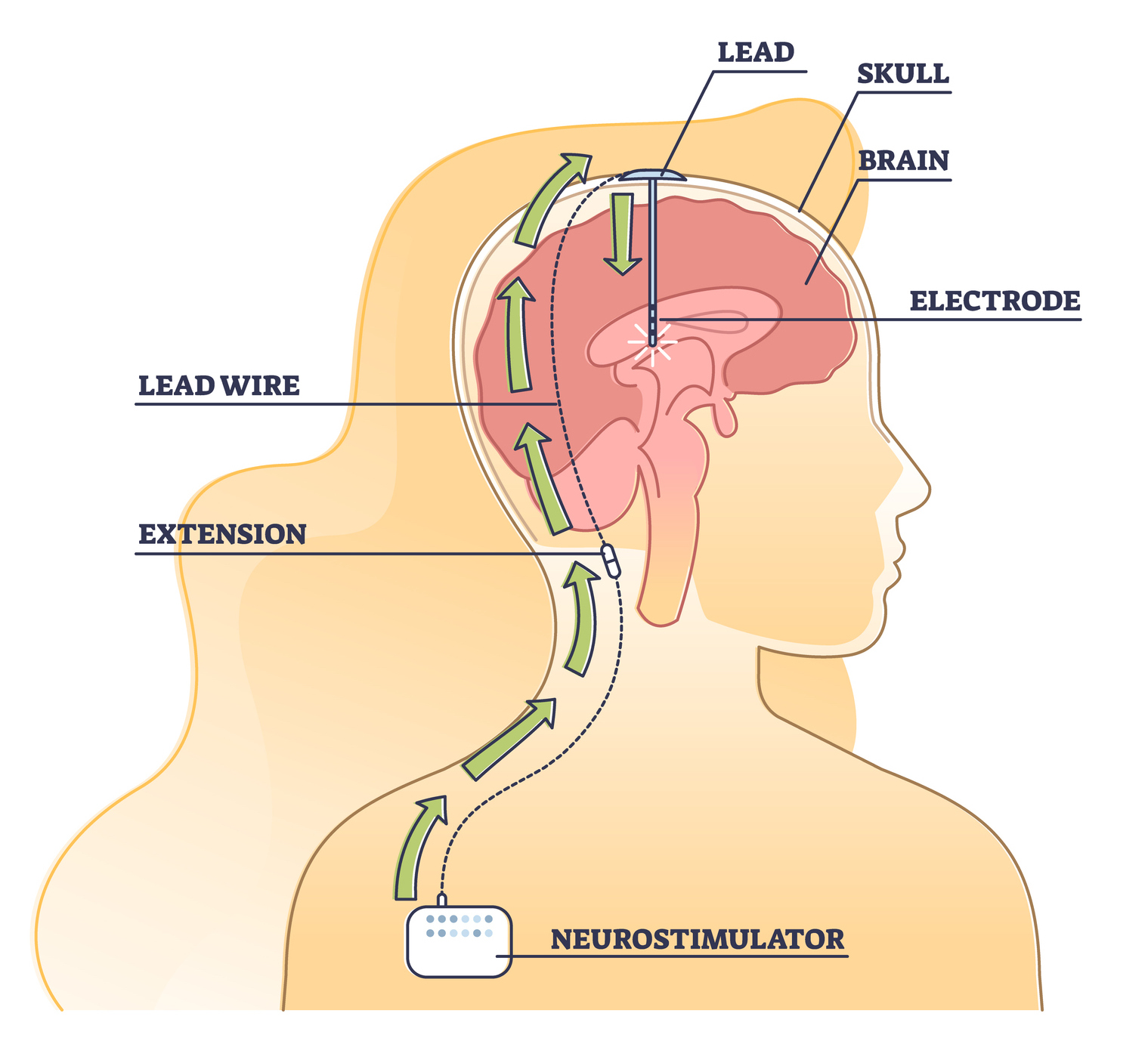
Deep Brain Stimulation (DBS) is a highly specialized neurosurgical procedure designed to manage the debilitating motor symptoms associated with Parkinson’s disease. By implanting electrodes in targeted brain regions, DBS modulates abnormal electrical signals that contribute to symptoms such as tremors, rigidity, bradykinesia (slowness of movement), and issues with balance and coordination.
Understanding the Risks of DBS
1. Surgical Risks
As with any major surgical intervention, DBS carries inherent risks. These primarily stem from the invasive nature of the procedure and the complexities involved in operating within the brain’s delicate structures.
a. Infection
Infection is a notable risk, with incidence rates varying between 2.6% to 7.9%. Infections can occur at the site of the implant or deeper within the brain, potentially necessitating revision surgery.
b. Bleeding and Stroke
Hemorrhage within the brain, though rare (0.0%-5%), poses a serious complication. This can lead to stroke-like symptoms, requiring immediate medical attention and intervention.
c. Seizures
Seizures may occur during or shortly after the surgical procedure. While typically transient, they can complicate the recovery process.
d. Neurological Damage
Permanent neurological impairments such as paralysis can occur in approximately 1% of cases, although this is exceedingly rare.
e. Mortality
The risk of death associated with DBS is very low (<0.5%), aligning with other major surgical procedures.
2. Hardware-Related Risks
DBS involves the implantation of hardware components, each carrying specific risks related to their function and longevity.
a. Lead Migration or Malposition
Incorrect placement or shifting of electrodes can result in suboptimal therapeutic outcomes, potentially requiring revision surgery to reposition the leads.
b. Device Malfunction
The implantable pulse generator (IPG) or associated wires may malfunction, leading to inadequate stimulation or complete device failure. This necessitates surgical intervention to repair or replace the faulty components.
c. Allergic Reactions
Though rare, patients may experience hypersensitivity to the materials used in the implanted components, resulting in localized inflammation or more systemic allergic reactions.
3. Stimulation-Induced Side Effects
The electrical stimulation provided by the DBS system can sometimes cause unintended side effects, which are typically adjustable by reprogramming the device.
a. Cognitive and Emotional Changes
Patients might experience mood swings, depression, anxiety, or cognitive decline. These changes necessitate careful monitoring and potential adjustment of stimulation parameters.
b. Speech and Voice Difficulties
Alterations in speech patterns or voice volume can occur, impacting communication effectiveness.
c. Motor Side Effects
Issues such as muscle tightness, weakness, or balance problems may arise, although these are generally manageable through device adjustments.
d. Sensory Disturbances
Sensations like tingling, numbness, or other sensory irregularities can occur in various parts of the body.
Newest Technologies and Advancements in DBS
1. Directional Leads
Modern DBS systems incorporate directional electrodes, which allow for more precise targeting of brain regions. This minimizes side effects by focusing stimulation precisely where it is needed, avoiding adjacent areas that could cause unwanted effects.
2. Adaptive/Closed-Loop DBS Systems
Adaptive DBS (aDBS) systems represent a significant advancement by automatically adjusting stimulation intensity in response to real-time brain activity. This ensures that stimulation is delivered optimally based on the patient's immediate needs, enhancing symptom control and potentially extending the battery life of the device.
3. Rechargeable Implantable Pulse Generators (IPGs)
Rechargeable IPGs offer extended device longevity, reducing the frequency of battery replacement surgeries. These systems allow patients to recharge their devices externally, ensuring continuous operation without the need for invasive procedures.
4. Wireless Programming Capabilities
Recent DBS devices feature wireless connectivity, enabling non-invasive and remote programming. This innovation facilitates quicker and more convenient adjustments to stimulation settings without requiring multiple clinic visits.
5. Enhanced Imaging and Navigation
Advancements in high-resolution imaging techniques, such as 3T MRI, and the use of robotic assistance improve the accuracy of electrode placement. Enhanced imaging allows for better planning and execution of the surgical procedure, reducing the risk of complications.
6. MRI-Compatible Systems
Developments in MRI-compatible DBS systems allow patients to undergo necessary imaging studies post-implantation without risking device interference, ensuring safer and more comprehensive diagnostic capabilities.
The DBS Procedure
1. Preoperative Phase
The DBS process begins with a thorough preoperative evaluation to determine patient eligibility and optimal treatment plans.
a. Patient Selection
Ideal candidates for DBS are those who respond well to levodopa therapy but experience motor fluctuations and dyskinesias that are not adequately controlled with medication alone. Comprehensive neurological and psychological evaluations are conducted to ensure suitability, including assessments of cognitive function and absence of severe psychiatric conditions.
b. Imaging and Planning
Advanced imaging techniques, such as MRI or CT scans, are utilized to map the brain’s anatomy precisely. This aids in planning the exact placement of electrodes to maximize therapeutic benefits while minimizing risks.
2. Surgical Procedure
DBS surgery is typically performed in stages to ensure precision and safety.
a. Electrode Implantation
Under stereotactic guidance, thin metal electrodes are implanted into target brain regions, commonly the subthalamic nucleus or globus pallidus internus. This placement is often performed while the patient is awake to allow real-time feedback and ensure accurate positioning based on the patient’s responses.
b. Neurostimulator (IPG) Placement
A small, battery-powered neurostimulator is implanted under the skin near the collarbone or abdomen. This device is connected to the electrodes via extension wires, facilitating the delivery of electrical impulses to modulate brain activity.
3. Postoperative Adjustments
Following surgery, the DBS system is programmed and fine-tuned to achieve optimal symptom control. This involves multiple follow-up appointments where settings are adjusted based on the patient’s response and any emerging side effects.
4. Maintenance and Follow-Up
Ongoing maintenance is crucial for the continued efficacy of DBS. This includes regular monitoring of device functionality, periodic reprogramming sessions, and eventual battery replacements for non-rechargeable IPGs. Patients are advised to maintain regular consultations with their neurologist or movement disorders specialist to ensure sustained symptom management.
Reversibility of DBS
Understanding Reversibility
One of the significant advantages of DBS is its reversibility, providing patients and clinicians with flexibility in managing the treatment over time.
a. Device Adjustments
The stimulation delivered by DBS can be adjusted or turned off entirely, allowing for modifications based on the patient’s evolving needs and responses. This adaptability is crucial for optimizing therapy and managing any side effects that may arise.
b. Removal of Hardware
If necessary, the entire DBS system can be surgically removed. While this removes the stimulation capability, it is important to note that the surgical implantation creates permanent pathways within the brain, although it does not cause irreversible damage to neurons or brain tissue.
c. Long-Term Considerations
Although the electrical stimulation is reversible, the physical presence of electrodes and wires constitutes a permanent change. Removal of the hardware does not typically reverse the disease progression of Parkinson’s but can eliminate the benefits the patient was receiving from the stimulation.
Debating Full Reversibility
There is ongoing discussion regarding the extent to which DBS is truly reversible. While the device can be turned off or removed, some studies suggest that long-term implantation may have non-stimulation-dependent effects on brain function. These potential changes highlight the importance of thorough patient evaluation and informed consent prior to undergoing DBS.
Effectiveness of DBS
Symptom Management
DBS is highly effective in reducing the cardinal motor symptoms of Parkinson’s disease by approximately 60-70% in well-selected patients. This includes significant reductions in tremors, rigidity, and bradykinesia, allowing for decreased medication dosages and improved motor function.
Quality of Life
By alleviating motor symptoms, DBS enhances the overall quality of life, enabling patients to engage more fully in daily activities and reducing the burden of dyskinesias and motor fluctuations associated with advanced Parkinson’s disease.
Limitations
While DBS is highly effective for motor symptoms, it is less effective in managing non-motor symptoms such as balance issues, speech difficulties, and cognitive impairments. Additionally, DBS does not alter the underlying progression of Parkinson’s disease, meaning that some symptoms may continue to worsen over time despite the therapy.
Maintenance and Long-Term Care
Regular Programming Adjustments
To maintain optimal symptom control, regular programming adjustments are necessary. These adjustments are made based on the patient’s current symptoms, activities, and any side effects encountered, ensuring that the DBS system continues to provide maximum benefit.
Battery Management
For non-rechargeable IPGs, battery replacement surgeries are required every 3-7 years, depending on usage and the specific device. Rechargeable systems, however, offer longer device lifespans and reduce the frequency of invasive procedures.
Ongoing Monitoring
Continuous monitoring of device functionality and patient symptoms is essential. Regular follow-ups with healthcare providers ensure that any issues are promptly addressed and that the DBS system is functioning correctly to manage symptoms effectively.
Conclusion
Deep Brain Stimulation represents a transformative treatment option for individuals with Parkinson’s disease, offering substantial relief from motor symptoms and enhancing quality of life. The procedure’s reversibility and the advancements in DBS technology, such as directional leads and adaptive systems, provide a customizable and adaptable approach to managing this chronic condition. However, careful patient selection, thorough preoperative evaluation, and diligent postoperative care are critical to maximizing the benefits and minimizing the risks associated with DBS. As technology continues to advance, DBS is poised to become even more effective and patient-friendly, solidifying its role as a cornerstone in the management of Parkinson’s disease.
References
Last updated January 28, 2025