
Exploring the Interconnected World: A Deep Dive into Ecology
Understanding the Science of Life and Its Environment
Ecology is a fundamental branch of biology that provides a crucial lens through which to understand the intricate web of life on Earth. At its core, ecology is the scientific study of the relationships between living organisms, including humans, and their physical environment. This encompasses how organisms interact with each other, how they interact with the non-living components of their surroundings, and how these interactions shape the distribution and abundance of life across various scales.
The term "ecology" itself has roots in the Greek word "oikos," meaning "house," "home," or "place to live," and "-logia," meaning "study of." This etymology aptly captures the essence of the discipline – the study of the "household of nature." Ernst Haeckel, a German zoologist, is credited with coining the term "oekologie" in 1866 to describe the relationship of an animal to both its organic and inorganic environment. While the core concept remains, the field has expanded significantly since its inception in the mid-19th century, incorporating diverse perspectives and exploring complex systems at various levels of organization.
Key Highlights of Ecology
- Understanding Interconnections: Ecology emphasizes the interconnectedness of all living things and their environment. It moves beyond studying individual species in isolation to examine the complex relationships and dependencies that exist within and between ecological systems.
- Levels of Organization: Ecological study occurs at multiple scales, from individual organisms and populations to communities, ecosystems, and the entire biosphere. This multi-level approach allows for a comprehensive understanding of ecological processes and patterns.
- Addressing Real-World Challenges: Ecology plays a vital role in addressing pressing global issues such as climate change, biodiversity loss, environmental pollution, and sustainable resource management. Ecological knowledge is essential for developing effective conservation strategies and ensuring human well-being.
The Foundational Concepts of Ecology
Ecology is built upon several fundamental concepts that help frame the study of organisms and their environment. These concepts are interconnected and form the basis for understanding complex ecological phenomena.
Interactions Between Organisms and Environment
A central theme in ecology is the study of how organisms interact with both the living (biotic) and non-living (abiotic) components of their environment. Biotic factors include other organisms, such as predators, prey, competitors, and symbionts. Abiotic factors encompass the physical and chemical aspects of the environment, such as temperature, light, water availability, soil composition, and nutrient levels.
These interactions are not one-sided; organisms influence their environment, and the environment, in turn, shapes the organisms that inhabit it. For example, plants alter the soil composition, and the presence of certain predators can influence the behavior and distribution of their prey.
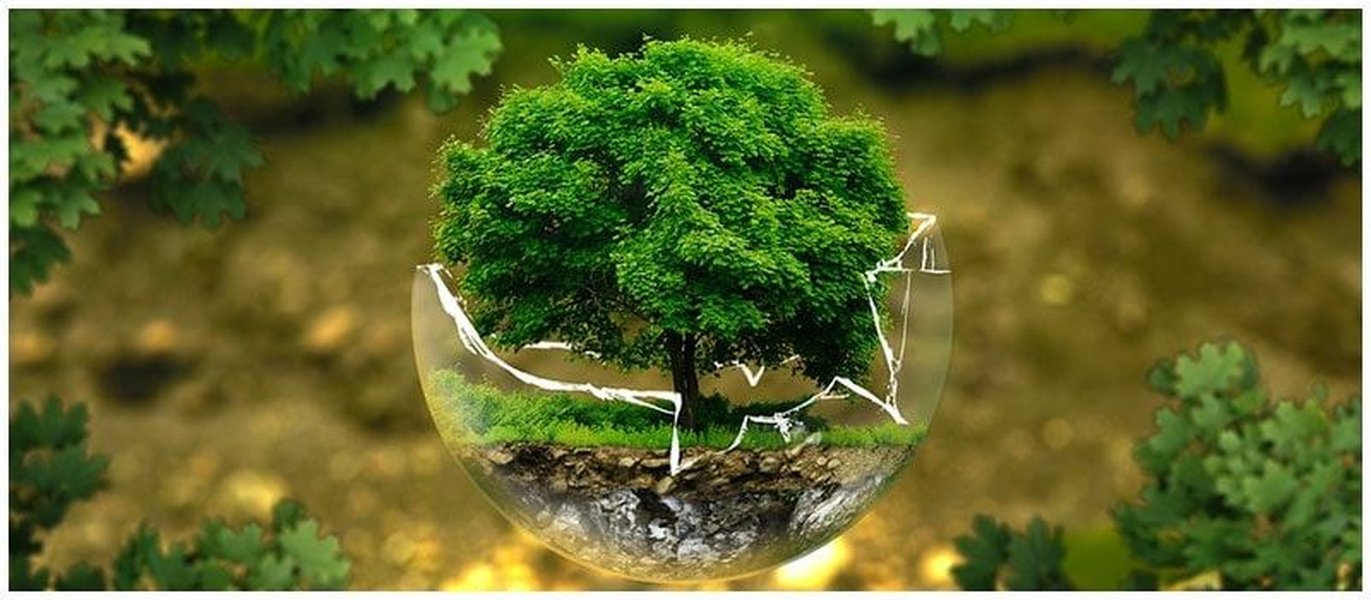 Subtitle: Illustrating the dynamic interactions within an ecosystem.
Levels of Ecological Organization
Ecologists study life at various levels of organization to gain a holistic understanding of ecological systems. These levels are hierarchical and represent increasing complexity:
-
Organismal Ecology:
Focuses on how individual organisms interact with their environment through physiological, morphological, and behavioral adaptations. This level examines how a single organism survives and reproduces in its specific habitat. -
Population Ecology:
Studies the dynamics of populations, which are groups of individuals of the same species living in the same area. This includes investigating factors that influence population size, growth rate, density, and distribution, as well as interactions within the population. -
Community Ecology:
Examines the interactions between different species living within a particular area. This level explores concepts such as species diversity, competition, predation, herbivory, symbiosis, and the structure and organization of ecological communities. -
Ecosystem Ecology:
Studies the flow of energy and matter through ecosystems, which consist of all the living organisms in an area and their physical environment. This includes analyzing processes like primary production, decomposition, nutrient cycling, and trophic relationships. -
Biosphere Ecology:
Investigates the global sum of all ecosystems, encompassing all life on Earth and its interactions with the atmosphere, hydrosphere, and lithosphere. This level considers large-scale processes such as global biogeochemical cycles and climate change.
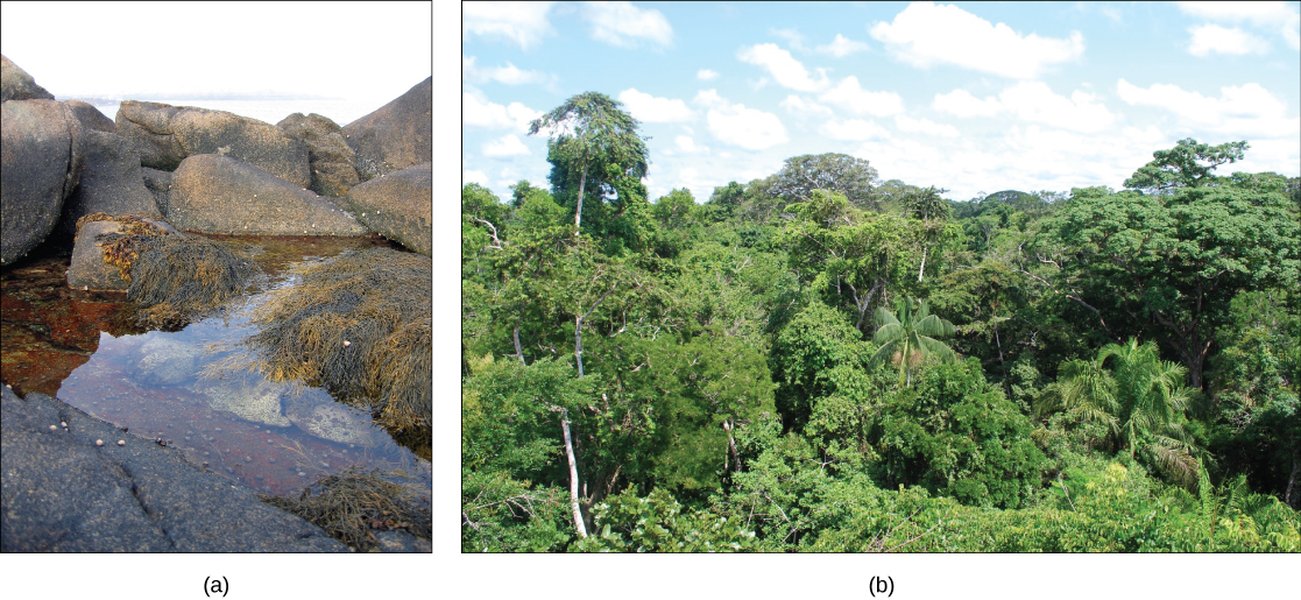 Subtitle: Visualizing the hierarchical structure of ecological study.
Distribution and Abundance of Organisms
A key objective of ecology is to understand what determines where organisms live (distribution) and how many individuals of a species are found in a particular area (abundance). These patterns are influenced by a complex interplay of biotic and abiotic factors. For example, the distribution of a plant species might be limited by temperature and water availability, while its abundance in a specific location could be affected by competition with other plants or predation by herbivores.
The Importance of Ecology in the Modern World
Ecological knowledge is not merely an academic pursuit; it has profound implications for addressing many of the most critical challenges facing humanity today. Understanding ecological principles is essential for making informed decisions about environmental management, conservation, and sustainable development.
Environmental Problems and Solutions
Many pressing environmental problems, such as pollution, habitat destruction, climate change, and the spread of invasive species, are fundamentally ecological in nature. Ecology provides the scientific basis for understanding the causes and consequences of these issues and for developing effective solutions. For example, ecological research on nutrient cycles helped identify the causes of water pollution from fertilizers and detergents, leading to changes in product formulations and agricultural practices.
Subtitle: Highlighting the human role in conserving biodiversity and ecosystems.Biodiversity and Ecosystem Services
Ecology highlights the importance of biodiversity, the variety of life at all levels of organization, from genes to ecosystems. Biodiversity is crucial for the health and functioning of ecosystems and provides essential ecosystem services, the benefits that humans derive from nature. These services include clean air and water, pollination of crops, climate regulation, and recreational opportunities. Ecological research helps us understand how human activities impact biodiversity and how to conserve it.
Sustainable Resource Management
Ecology provides the principles and tools needed for managing natural resources sustainably. This involves utilizing resources like forests, fisheries, and water in a way that meets current needs without compromising the ability of future generations to meet their own needs. Ecologists study the dynamics of populations and ecosystems to determine sustainable harvest levels, design effective conservation reserves, and restore degraded habitats.
Branches and Subdisciplines of Ecology
The field of ecology is vast and encompasses numerous specialized branches and subdisciplines. These areas of focus allow ecologists to delve deeply into specific aspects of organisms, environments, and their interactions.
| Branch of Ecology | Focus of Study |
|---|---|
| Physiological Ecology | How individual organisms adapt to their environment through physiological and biochemical mechanisms. |
| Behavioral Ecology | The evolutionary basis of animal behavior and how behavior influences an organism's survival and reproduction in its environment. |
| Population Ecology | The dynamics of populations, including factors affecting their size, growth, and distribution. |
| Community Ecology | Interactions between different species within a community and the resulting community structure and dynamics. |
| Ecosystem Ecology | Energy flow and nutrient cycling within ecosystems, including the interactions between biotic and abiotic components. |
| Landscape Ecology | The spatial patterns and interactions of ecosystems across a landscape and how these patterns influence ecological processes. |
| Urban Ecology | The study of ecological processes in urban environments, including the interactions between humans and nature in cities. |
| Restoration Ecology | The scientific study and practice of assisting the recovery of degraded ecosystems. |
The Role of Ecologists
Ecologists are scientists who study the relationships between organisms and their environments. They conduct research using a variety of methods, including field observations, experiments, and computer modeling. Their work contributes to our understanding of natural systems and helps inform conservation efforts, resource management, and environmental policy.
Ecologists work in diverse settings, including universities, government agencies, non-profit organizations, and private consulting firms. Their research can range from studying microscopic organisms in a test tube to analyzing large-scale patterns in global ecosystems.
Subtitle: A brief video explaining the concept of ecology and its importance.This video provides a concise overview of what ecology is and why it is a significant field of study. It touches upon the fundamental interactions that ecologists investigate and the broader implications of their work for understanding and protecting the natural world.
Ecology and Evolution
Ecology and evolution are closely intertwined disciplines. Ecological interactions, such as competition, predation, and symbiosis, can drive evolutionary change by favoring individuals with traits that enhance their survival and reproduction in a particular environment. Conversely, evolutionary history shapes the ecological characteristics of species, influencing their interactions and distribution.
For example, the evolution of mimicry in some species is an ecological adaptation to avoid predation. Similarly, the co-evolution of flowering plants and their pollinators is a result of reciprocal ecological interactions that have shaped the traits of both groups of organisms.
Frequently Asked Questions About Ecology
What is the primary goal of ecology?
The primary goal of ecology is to understand the principles that govern the distribution and abundance of organisms and their interactions with their environment. This understanding helps to explain the patterns observed in nature and to predict how ecological systems might respond to changes.
How is ecology different from environmentalism?
Ecology is a scientific discipline that studies the natural world, while environmentalism is a social movement that advocates for the protection and conservation of the environment. While environmentalism is informed by ecological knowledge, they are distinct. Ecologists conduct research to understand ecological systems, while environmentalists work to address environmental problems and promote sustainable practices.
Why is studying ecology important for humans?
Studying ecology is crucial for humans because we are an integral part of ecological systems. Our well-being depends on the healthy functioning of ecosystems, which provide us with essential resources and services. Ecological knowledge helps us to understand the impact of our activities on the environment and to develop sustainable ways of interacting with the natural world.
What are some examples of ecological interactions?
Examples of ecological interactions include predation (one organism hunts and kills another), competition (organisms vie for the same limited resources), symbiosis (a close and long-term interaction between two different species), and mutualism (a type of symbiosis where both species benefit).
References
 d3dqsm2futmewz.cloudfront.net
Last updated May 5, 2025