
Trends and Room Service Packaging in Delhi NCR Hotels
An in-depth literature review on evolving practices and sustainable innovations
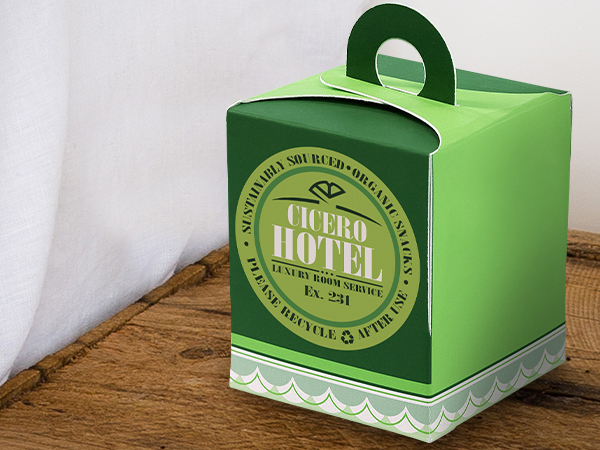
Highlights
- Sustainability Integration: Eco-friendly and biodegradable packaging trend rising in response to environmental concerns.
- Customization and Technology: Enhanced personalization is driven by digital ordering platforms and flexible service models.
- Operational Efficiency: Innovative packaging and room service strategies boost guest satisfaction while reducing costs.
Overview of the Delhi NCR Hotel Industry Context
In recent years, the hospitality sector in the Delhi NCR region has experienced remarkable evolution, reflecting dynamic shifts in guest expectations, operational practices, and technological adoption. With a surge in domestic tourism, rising disposable incomes, and a broader cultural embrace of innovation, hotels in this region are rethinking traditional service models. Literature reviews and industry research have highlighted that this evolution is highly influenced by strategies aimed at sustainability, efficiency, and personalized guest experiences—particularly in the context of room service packaging.
Historically, traditional room service in hotels was perceived as a high-cost operation with little flexibility for customization. However, in Delhi NCR, as well as in global markets, the rise in demand for quicker, more convenient, and technology-enabled dining experiences has necessitated a paradigm shift. Modern guests are not only seeking quality cuisine but also expect environmental responsibility in every aspect of their stay, including food packaging. This has fostered an environment ripe for strategic innovations that address both operational needs and the growing demand for sustainable practices.
Key Trends in Room Service and Packaging
Sustainability and Eco-Friendly Packaging
One of the most prominent trends emerging from the literature is the movement towards sustainable practices. In an era increasingly defined by environmental awareness, hotel operators in Delhi NCR are placing strong emphasis on reducing their ecological footprint. This pushes the adoption of eco-friendly room service packaging, primarily through:
Biodegradable Materials
To minimize the impact on the environment, many hotels are transitioning away from traditional plastic packaging in favor of biodegradable alternatives, such as paper, cardboard, bamboo, and sugarcane-derived materials. These options not only reduce plastic waste but also resonate with the eco-conscious consumer, thereby enhancing brand loyalty. The literature consistently supports that such sustainable innovations are increasingly expected by guests, and hotels are leveraging these practices as a marketing advantage.
Reduction in Single-Use Plastics
The drive to eliminate single-use plastics has led to the integration of waste management systems and the development of packaging alternatives. Hotels are employing innovative smart packaging solutions that feature interactive elements, traceability, and improved product protection. Such smart packaging does more than just contain a meal; it communicates a commitment to sustainability, a trait that appeals particularly to younger, environmentally aware travelers.
Customization and Personalized Experiences
Alongside sustainability, another core trend is the emphasis on personalization. Modern room service in Delhi NCR is evolving to offer customizable dining experiences that address specific consumer needs. Hotels can now tailor menus to seasonal trends or dietary requirements, thereby not only meeting but exceeding guest expectations. Personalized packaging where guests can see the local flavor, unique culinary presentations, and even detailed information about the ingredients used—all contribute to a more engaging experience.
Seasonal and Local Influences
Drawing from locally sourced ingredients, many hotels emphasize regional authenticity. The customization of seasonal menus is becoming prevalent, allowing hotels to integrate local flavors into their room service offerings. This trend not only supports local economies and producers but also provides guests with an immersive local culinary journey. The practice of incorporating region-specific details into room service packaging reinforces a connection between the guest experience and local culture.
Digital Transformation for Customized Orders
In the wake of the COVID-19 pandemic, digital platforms have regained strategic importance. The integration of mobile applications and online ordering systems is pivotal in enhancing the customization aspect. These systems facilitate real-time order placement, tracking, and customization, which in turn improves guest satisfaction and operational efficiency. Guests can now customize their orders through digital menus, making adjustments based on their preferences and even scheduling delivery times, which is particularly beneficial for business travelers and families alike.
Technological Integration in Service Delivery
The technological revolution in hospitality is revolutionizing how room services are delivered. In addition to digital menus and real-time tracking systems, hotels are implementing innovative solutions such as contactless delivery, enhanced sanitation protocols, and integrated customer feedback systems. This convergence of technology and service is aimed at streamlining operations and providing a safer and more efficient guest experience.
Contactless and Real-Time Ordering
A significant post-pandemic adaptation involves the use of contactless ordering technologies. Guests can now place orders through apps where each step—from selection to confirmation—is made digitally. This not only minimizes physical contact but also accelerates service delivery. It ensures that the room service process is managed efficiently, reducing delays and operational bottlenecks.
Smart Room Service Packaging
The deployment of smart packaging technology offers enhanced tracking and quality control. This technology confirms that food items are delivered in optimal conditions while also providing data that can be used to further tailor guest services. Smart packaging can include QR codes that allow guests to access details about the food's origin, nutritional information, and even suggestions for pairing or usage, all of which add value to the service experience.
Operational Innovation and Efficiency Gains
Alongside guest-oriented innovations, the literature emphasizes the operational benefits that arise from modern room service packaging strategies. The conversion from traditional service models to more dynamic, technology-enabled processes is instrumental in driving both short-term efficiency and long-term competitiveness in the market.
Optimization of Service Delivery
Hotels are not only upgrading the look and feel of their packaging but also optimizing the entire delivery process. Streamlined logistics, powered by sophisticated software solutions, ensure that deliveries are prompt and consistent. This operational transformation removes bottlenecks associated with traditional room service, thus enhancing overall guest satisfaction and reducing overhead costs.
Enhanced Quality Control
With real-time tracking systems integrated into packaging, quality control measures have seen a significant improvement. Any deviation, whether in temperature or presentation, is swiftly identified and addressed, ensuring that food quality is maintained without disruption. This systematic approach to maintaining service quality forms the basis for a robust operational strategy.
Cost-Efficiency Through Innovation
Innovations in room service packaging have also led to cost efficiencies. Standardizing sustainable packaging options that are both cost-effective and biodegradable result in lower resource consumption and waste management costs. Moreover, the smart use of technology to streamline service not only enhances the guest experience but also allows hotels to make informed decisions that save on labor and logistical expenses.
Adapting to Health and Safety Dynamics
The influence of the COVID-19 pandemic continues to shape the landscape of hospital services. The sector's renewed focus on health and safety has driven changes in packaging protocols. Enhanced sanitization measures and the adoption of contactless service mechanisms are central to ensuring a risk-free guest experience.
Enhanced Sanitation Protocols
In response to heightened safety concerns, hotels have adopted rigorous sanitation protocols that extend into the room service process. Packaging is meticulously sanitized and often designed for single-use to prevent contamination. This shift does not only ensure a secure environment but also builds guest confidence at a time when health security is paramount.
Integration of Contactless Technology
The necessity for minimal human interaction has led to the widespread use of contactless delivery systems. With fully integrated mobile order systems and automated packaging processes, service delivery is managed with minimal physical contact, aligning with public health guidelines and providing a safer experience for all parties involved.
Adoption of Digital Platforms for Enhanced Engagement
Digital technologies are redefining how hotels interact with guests. With the rapid incorporation of mobile applications and web platforms, the room service experience in Delhi NCR has been revolutionized to become more interactive, customizable, and efficient. This digital shift encapsulates various facets of modern hospitality.
Benefits of a Digital Ecosystem
Digital platforms serve as the bridge between physical service and modern expectations. They enable hotels to offer digital menus that are frequently updated and tailor-made to each guest's preferences. Guests can choose from a diverse range of options, interact with visually appealing menus, and even gain access to multimedia content that enriches their dining experience. Furthermore, analytics derived from digital interactions aid hotels in continuously improving their service and addressing the evolving tastes of their clientele.
Real-Time Feedback and Responsiveness
One of the most significant advantages of digital platforms is the capacity for real-time feedback. Customers can immediately rate their experience or request changes during the service. This capability allows hotels to quickly rectify issues which might otherwise affect guest satisfaction. Over time, such responsive practices directly contribute to service improvements and higher loyalty.
Integration with Local Sourcing Practices
Digital platforms also facilitate the incorporation of locally sourced ingredients by highlighting regional offerings. Hotels can use these platforms to tell the story behind each dish, illustrate its connection to local culture, and promote food sustainability. This integrated experience ensures that both the packaging and the entire guest dining experience are framed within the context of regional authenticity and culinary innovation.
Comparative Analysis Using a Comprehensive Table
The following table provides a consolidated view of the key trends and practices identified in the literature reviewed, thereby offering a quick reference overview of how modern room service and packaging strategies are evolving in the Delhi NCR hotel sector.
| Aspect | Trend/Innovation | Key Benefits | Implementation Focus |
|---|---|---|---|
| Sustainability | Eco-friendly, biodegradable packaging | Reduced waste, enhanced environmental image | Use of paper, bamboo, sugarcane materials |
| Customization | Personalized menus and packaging | Improved guest satisfaction, regional authenticity | Seasonal offerings, locally sourced ingredients |
| Technology Integration | Digital ordering & smart packaging | Efficiency, real-time tracking, contactless delivery | Mobile apps, QR codes, digital menus |
| Health & Safety | Enhanced sanitation & contactless service | Increased guest confidence, minimized contamination | Rigorous cleaning protocols, automated deliveries |
| Operational Efficiency | Streamlined service delivery | Reduced costs, higher quality control | Integrated feedback systems, process automation |
Implications for Hotel Management in Delhi NCR
Strategic Considerations
For hoteliers, particularly in the competitive Delhi NCR market, adopting these trends is not merely about keeping pace with market developments but is becoming a strategic imperative. Hotel management must focus on both operational efficiency and the guest-centric nature of these suites:
Adoption of Sustainable Practices
Embracing eco-friendly packaging is crucial not only for complying with environmental regulations but also for appealing to a market that increasingly values sustainability. Hotels are now expected to invest in research and development to innovate further in sustainable packaging solutions that lower greenhouse gas emissions, minimize harmful waste, and promote a greener operational model.
Investing in Digital Infrastructure
The rapid rise in digital order platforms and smart packaging systems make it necessary for management to upgrade technological systems. Integration of these technologies will enhance responsiveness during service operations and provide metrics that allow for fine-tuning of guest experiences. Such investments are key to ensuring that room service remains a vital component of the overall strategy.
Marketing and Guest Engagement Strategies
In the highly competitive hospitality market, room service packaging is evolving into a key marketing tool. It is increasingly used to communicate a hotel’s commitment to environmental stewardship and guest wellness. Advanced packaging designs can complement overall brand narratives while underscoring the hotel’s dedication to quality and cleanliness.
Leveraging Eco-Friendly Credentials
Consumers today are more informed and conscientious than ever before. They are attracted to brands that are transparent about their sustainable practices. By publicizing the transition to biodegradable packaging and showcasing innovative packaging solutions, hotel management can attract eco-conscious guests. This proactive approach not only reinforces the hotel’s corporate responsibility but also creates compelling marketing narratives that drive consumer choice.
Enhancing Overall Guest Experience
Beyond numerous functional benefits, innovative room service packages enhance the final guest experience. With smart packaging, guests are offered added value in the form of detailed nutritional information and insights into food preparation. Such enhancements foster trust and deepen engagement, resulting in higher overall satisfaction and loyalty.
The Role of Research and Future Trends
Continued research in hospitality trends is essential for adapting to market changes. Current studies indicate that as technology and ecological considerations become more deeply intertwined with guest services, hotels will further develop more seamless, integrated solutions for room service and packaging.
Future explorations may delve into how emerging smart packaging technologies can incorporate augmented reality features or dynamic sustainability indicators. Additionally, refined studies on consumer behavior post-pandemic will lead to more detailed strategies that align with evolving expectations. Until then, existing trends indicate that a forward-thinking approach combined with continuous research will solidify the competitive edge of Delhi NCR hotels.
References
-
HVS Anarock Monitor - HVS
-
Indian Hospitality Industry Poised for Continued Growth in 2025 - HospitalityBizIndia
- 11 Hotel Trends to Watch in 2025 - Hotel.Report
- Top Hospitality Industry Trends in India for 2025 - Revnomix
- In Room Dining Practices in Hotels - Academia.edu
Recommended Related Queries
Last updated March 10, 2025