
Delta Smelt: A Comprehensive Overview
Unraveling the Decline and Conservation of California's Iconic Estuarine Fish
Key Takeaways
- Indicator Species: The delta smelt's health reflects the overall state of the Sacramento-San Joaquin Delta ecosystem.
- Critical Decline: Factors such as water diversion, pollution, invasive species, and climate change have driven the delta smelt to the brink of extinction.
- Conservation Efforts: Ongoing initiatives include monitoring programs, hatchery breeding, habitat restoration, and legal protections to prevent total extinction.
Introduction
The delta smelt (Hypomesus transpacificus) is a small, slender-bodied fish endemic to the Sacramento-San Joaquin Delta in California. As an indicator species, its population health provides critical insights into the overall ecological well-being of one of the state's most vital water systems. Over the past few decades, the delta smelt has faced a precipitous decline, raising urgent concerns among conservationists, scientists, and policymakers.
Biological Characteristics
Physical Appearance
Delta smelt are diminutive fish, typically measuring between 5 to 7 centimeters (2.0 to 2.8 inches) in length, with some individuals reaching up to 12 centimeters (4.7 inches). Their bodies are nearly translucent, adorned with a steely-blue sheen along their sides and a faint blue lateral line, which aids in their maneuvering within the estuarine waters. Their delicate structure and weak swimming capabilities make them particularly vulnerable to changes in their environment.
Habitat and Distribution
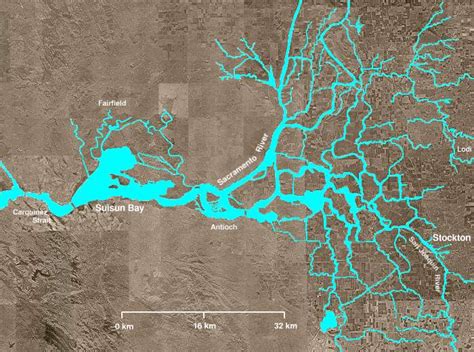
Historically, delta smelt thrived in the brackish waters where freshwater from the Sacramento and San Joaquin Rivers meets the saltwater from the Pacific Ocean, creating a dynamic mixing zone within the Sacramento-San Joaquin Delta. This estuarine habitat provides the necessary conditions for their feeding, breeding, and migration. During their spawning season, triggered by winter "first flush" flows, delta smelt migrate upstream to freshwater areas to lay their eggs. Their preference for specific temperature ranges—around 20°C—and sensitivity to changes in salinity and water quality make them particularly susceptible to environmental disturbances.
Ecological Importance
The delta smelt plays a pivotal role in the Sacramento-San Joaquin Delta ecosystem. As both predator and prey, they contribute to the food web by feeding on zooplankton and serving as a vital food source for larger fish species and birds. The health of delta smelt populations is a direct indicator of the overall health of the estuarine environment. A declining delta smelt population often signals broader ecological issues, such as habitat degradation, declining water quality, and imbalances caused by invasive species. Thus, the delta smelt is not just another fish species but a barometer for the ecosystem's vitality.
Conservation Status
The delta smelt is currently classified as critically endangered under both the U.S. Endangered Species Act (ESA) and California state laws. Recent surveys have suggested that the species may be functionally extinct in the wild, as no wild specimens have been detected in several years despite extensive monitoring efforts. This drastic decline represents a nearly 100% reduction in population since the establishment of major water projects like the State Water Project in 1967.
Threats to Delta Smelt
Water Management and Diversion
The Sacramento-San Joaquin Delta is a central hub in California's extensive water distribution system, supplying water to agricultural lands, urban areas, and industries across the state. The extensive pumping and diversion of freshwater from the Delta for these purposes have significantly altered the natural flow regimes and salinity gradients that delta smelt depend on. Reduced freshwater inflows diminish the critical brackish habitats, exacerbating the stress on delta smelt populations.
Pollution and Water Quality Degradation
Agricultural runoff laden with pesticides, fertilizers, and other pollutants has deteriorated water quality in the Delta. Urban wastewater discharge further contributes to the pollution burden, introducing contaminants that can directly harm delta smelt or indirectly affect their food sources. Elevated pollutant levels can lead to hypoxic conditions and disrupt the delicate balance of the estuarine ecosystem.
Invasive Species
Non-native species have invaded the Delta, altering the food web dynamics. For instance, the overabundant clam Potamocorbula amurensis consumes vast quantities of plankton, which is the primary food source for delta smelt. The reduction in plankton availability has led to diminished food resources, further stressing delta smelt populations.
Climate Change
Climate change has introduced additional stressors, including rising water temperatures, altered precipitation patterns, and sea-level rise. Delta smelt are highly sensitive to temperature changes, with optimal conditions around 20°C and intolerance to temperatures exceeding 25°C. Increased temperatures can exacerbate water quality issues and alter habitat suitability, hastening the decline of delta smelt populations.
Conservation Efforts
Monitoring Programs
One of the cornerstone efforts in delta smelt conservation is the Enhanced Delta Smelt Monitoring Program (EDSM). This high-effort, year-round initiative involves systematic sampling of delta smelt populations and habitat conditions. The data collected through EDSM is crucial for understanding population trends, evaluating the effectiveness of conservation measures, and informing policy decisions related to water management.
Hatchery-Based Supplementation
To mitigate the declining wild populations, programs such as the Delta Smelt Supplementation Program focus on breeding delta smelt in captivity. Hatchery-raised smelt are then released into the wild in an attempt to bolster the remaining populations. This effort aims to preserve the genetic diversity of the species and provide a buffer against further declines. However, the success of supplementation programs is contingent upon the restoration of natural habitats and the alleviation of ongoing environmental stressors.
Habitat Restoration
Restoring and improving habitat conditions are vital for the recovery of delta smelt. Initiatives include wetland restoration projects that aim to recreate the natural brackish environments essential for delta smelt survival. Enhancing water flows to mimic historical conditions can help maintain the salinity gradients and temperature profiles necessary for the species. Additionally, removing invasive species and controlling pollutant sources are integral components of habitat restoration efforts.
Legal Protections and Policy Measures
The delta smelt is afforded protection under both federal and state laws, which impose regulations on water usage and habitat conservation. Legal battles have ensued as water agencies and agricultural interests seek to balance water allocation with environmental protection mandates. Policies derived from the Endangered Species Act require the implementation of measures that ensure sufficient water flows and habitat quality to support delta smelt populations, although these measures often face opposition due to competing human water demands.
Research and Collaborative Initiatives
Collaborative research between federal and state agencies, academic institutions, and non-governmental organizations plays a pivotal role in delta smelt conservation. Studies focused on understanding the species' biology, reproductive behaviors, and responses to environmental changes inform more effective conservation strategies. Interdisciplinary approaches that integrate hydrology, ecology, and climate science are essential for developing comprehensive solutions to the multifaceted challenges facing delta smelt.
Summary of Conservation Efforts
| Conservation Strategy | Description | Current Status |
|---|---|---|
| Enhanced Delta Smelt Monitoring Program (EDSM) | Systematic population and habitat monitoring year-round. | Ongoing and critical for data collection. |
| Hatchery-Based Supplementation | Breeding and releasing smelt to bolster wild populations. | Active, with planned releases by 2024. |
| Habitat Restoration | Restoring wetlands and improving water flows. | Progressing through various projects and initiatives. |
| Legal Protections | Regulatory measures to ensure adequate water flows and habitat quality. | Enforced through state and federal laws, ongoing legal debates. |
| Collaborative Research | Interdisciplinary studies to inform conservation strategies. | Active collaboration among agencies and institutions. |
Controversies and Policy Implications
The plight of the delta smelt has become a flashpoint in California's water policy debates, often framed as a conflict between "farmers vs. fish." Agricultural and urban water users argue that water allocations necessary for delta smelt conservation disproportionately limit human water use, especially during times of drought. These stakeholders contend that stringent water management policies hinder economic activities and community needs.
Conversely, environmentalists and scientists assert that the decline of the delta smelt is indicative of broader ecological degradation that will have far-reaching consequences beyond a single species. They advocate for sustainable water management practices that balance human needs with ecosystem preservation. The delta smelt controversy underscores the complex interplay between environmental conservation and resource utilization, highlighting the need for integrated policy solutions that address both human and ecological requirements.
Current Status as of January 2025
As of January 2025, the delta smelt is considered functionally extinct in the wild. Recent surveys, including the California Department of Fish and Wildlife's Fall Midwater Trawl Survey, have not detected any wild delta smelt for the past six years. This alarming trend suggests that the species may no longer be viable without sustained and intensified conservation efforts. The absence of wild specimens raises critical questions about the future of delta smelt recovery and the effectiveness of current conservation measures.
Future Prospects
The future of the delta smelt hinges on the successful implementation of comprehensive conservation strategies that address the multifaceted threats facing the species. Key areas of focus include enhancing habitat quality, ensuring adequate water flows, controlling invasive species, and mitigating the impacts of climate change. Additionally, increasing public awareness and fostering collaborative efforts among stakeholders are essential for the sustained recovery of delta smelt populations.
Innovative approaches, such as adaptive management practices and the incorporation of climate resilience into water management policies, may offer pathways to stabilize and eventually recover delta smelt populations. The integration of scientific research with policy-making can facilitate the development of informed strategies that honor both ecological needs and human water demands.
Conclusion
The delta smelt serves as a poignant symbol of the delicate balance between human resource use and environmental conservation. Its precipitous decline highlights the urgent need for sustainable water management practices and ecosystem restoration in the Sacramento-San Joaquin Delta. While significant efforts are underway to prevent total extinction, the prospects for delta smelt recovery remain uncertain without continued research, monitoring, and policy interventions. The delta smelt's fate underscores the broader challenges of preserving biodiversity in the face of competing human and environmental demands, emphasizing the necessity for integrated and forward-thinking conservation strategies.
References
Last updated January 19, 2025