
Democratic Senate Vote Prospects on the Continuing Resolution
An in-depth analysis of which Senate Democrats are likely to support the CR to avert a government shutdown
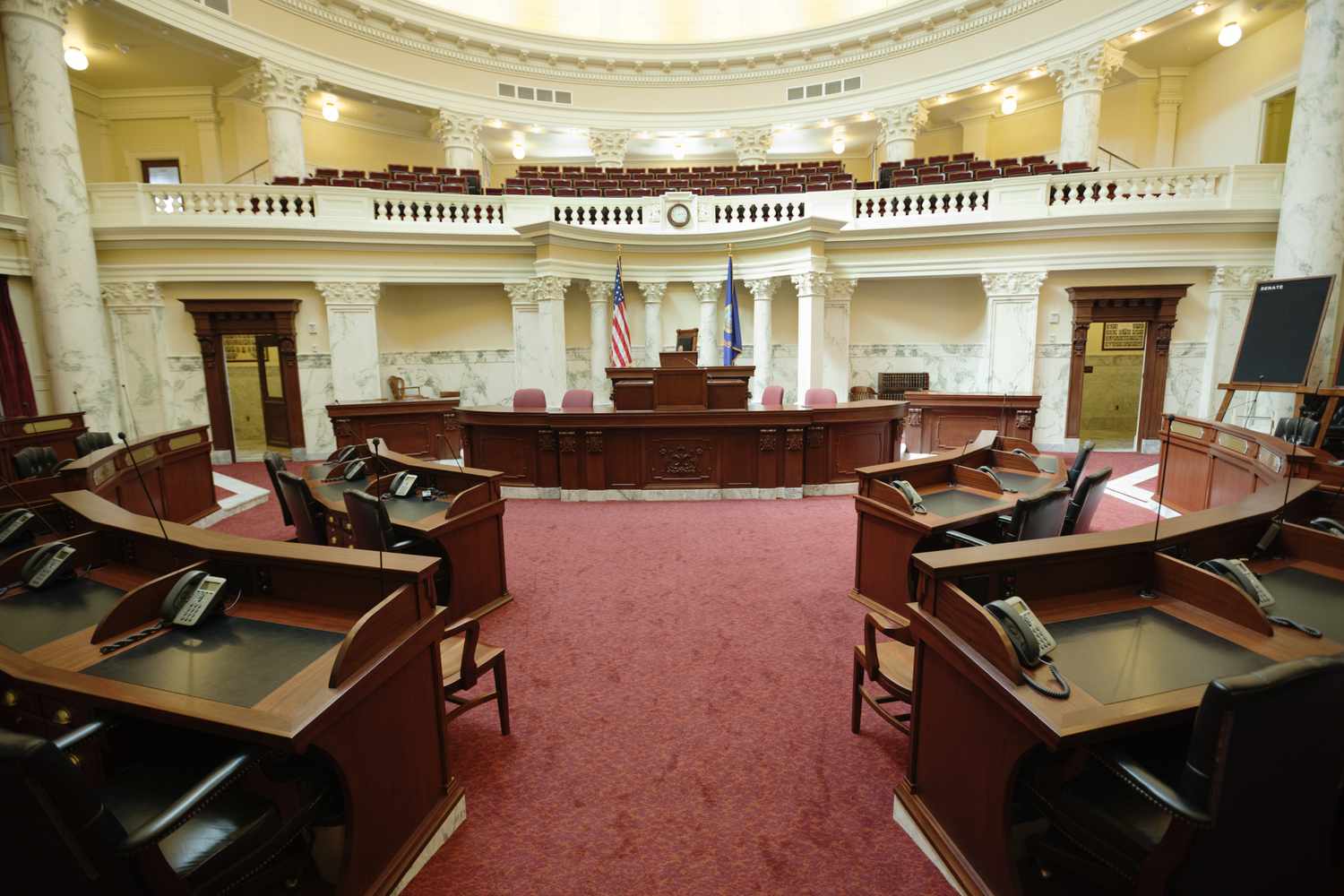
Key Takeaways
- Senator John Fetterman (D-Pa.) appears to be one of the most likely supporters, having clearly expressed opposition to a government shutdown.
- Other Senators’ Stances such as those of Senators Chris Van Hollen, Tim Kaine, and Gary Peters show a mixed picture, with some hinting at support or preference for alternative strategies.
- Political and Procedural Complexity underpins the Senate debate, where political pressures, committee assignments, and negotiations play central roles.
Context and Importance of the CR
The Continuing Resolution (CR) is a critical legislative measure designed to fund the federal government temporarily, thereby preventing a shutdown. With the House having already passed the CR to fund government operations through September 2025, the Senate is now faced with making the final decision that will either secure continued government operations or lead to a shutdown if a vote against the measure prevails.
The decision rests on the calculated votes of Senate Democrats, who must balance political ideals, public pressure, and the very real consequences of a government shutdown. The Senate must muster at least eight Democratic votes to overcome any potential filibuster or partisan opposition, making each senator's stance highly consequential.
Senators Showing Potential Support
Senator John Fetterman (D-Pa.)
Senator John Fetterman is prominently noted for his expressed aversion to a government shutdown. Multiple sources have indicated that his anti-shutdown stance positions him as a key supporter of the CR. Fetterman’s position not only reflects his policy concerns but also aligns with the pragmatic approach many Democratic senators are beginning to adopt, understanding the widespread disruptions that a shutdown can cause.
Senator Chris Van Hollen (D-Md.) and Senator Tim Kaine (D-Va.)
Although Senators Chris Van Hollen and Tim Kaine have not explicitly confirmed their votes for the CR, both have signaled a strong anti-shutdown sentiment in past discussions. Their reluctance to endorse a government shutdown suggests that, barring unforeseen political obstacles, they may lean toward supporting the CR. These senators, however, remain cautious, often opting to wait for additional details regarding the funding package or exploring alternative proposals before making a final decision.
Senator Gary Peters (D-Mich.)
Senator Gary Peters has been engaged in bipartisan discussions about alternative funding strategies. His stance reflects a broader trend within the Senate where a number of Democrats are weighing the options between supporting the CR as presented and seeking alternative fiscal strategies. While his final position on the CR is not clearly defined, his participation in these discussions and his known opposition to a shutdown increase the likelihood that he might support the CR, at least as a compromise solution.
Factors Influencing the Voting Decision
Political Pressures and Public Sentiment
Senate Democrats are under significant pressure from constituents, interest groups, and media outlets as the potential of a government shutdown looms larger. Public sentiment overwhelmingly favors measures that ensure government continuity, especially when the alternative may disrupt federal services and programs. In regions where communities rely heavily on government programs and subsidies, senators face the dual challenge of addressing immediate constituent concerns while navigating long-term policy ramifications.
In addition to public opinion, the party leadership has ramped up discussions on how the CR affects their overall political strategy. With approval ratings sensitive to economic disruptions and administrative delays, many senators lean toward supporting the CR as a pragmatic remedy rather than risking the consequences of a shutdown.
Committee Assignments and Legislative Record
Another influential factor is the senators' committee assignments and their past legislative decisions. Senators who are part of committees with significant oversight on government spending, such as the Appropriations Committee, tend to scrutinize the details of the CR more closely. Their prior voting records, especially in budgetary matters, provide insight into their likely stance on the current measure.
For example, senators who have consistently advocated for fiscal responsibility might exhibit a dual approach: on one hand, they support continued funding to avoid immediate disruption, but on the other, they may push for amendments that control spending in the long term. This delicate balancing act often results in nuanced votes, where the decision to support the CR could include stipulations or the expectation of further negotiations.
Negotiations and Last-Minute Shifts
The fluid nature of Senate negotiations means that voting behaviors are subject to change right up until the last minute. Senators can be swayed by hallway conversations, pressure from party leadership, or changing economic indicators. The CR’s final text might also contain amendments or concessions that alter its appeal to important political factions. As what may initially appear as a reluctant yes could transform into an unequivocal endorsement, the dynamics of the Senate floor always leave room for the unexpected.
This ongoing negotiation process underscores the importance of monitoring real-time developments in Washington, especially as senators weigh the risks associated with unprecedented fiscal decisions. Such negotiation dynamics exemplify the complexity involved in passing temporary funding measures in a highly partisan environment.
Detailed Analysis of Voting Trends and Predictions
Senate Caucus Dynamics
The Democratic caucus in the Senate is far from monolithic. Despite a broadly shared objective of avoiding a government shutdown, individual senators vary significantly in their approach. Those with a more progressive inclination may push for stricter fiscal oversight or alternative funding mechanisms, while more moderate Democrats might opt to support the CR as a necessary compromise.
This divergence means that each vote becomes critical in close calls. The procedural rules in the Senate also require a minimum threshold of votes from Democrats to overcome filibuster-induced hurdles or to ensure that the resolution does not face obstruction from a procedural standpoint. Given these nuances, predicting votes involves scrutinizing individual political profiles and understanding the broader strategy that each senator's voting record advocates.
Historical Voting Record on Appropriations and CRs
Historical trends can offer clues as to which Democratic senators might support the CR. Typically, senators who have consistently voted in favor of previous Continuing Resolutions or have a track record of prioritizing government funding tend to lean toward supporting current proposals. In the present scenario, elected officials like Senator John Fetterman have signaled their disinclination toward embracing the shutdown risk, drawing from their past positions which favored continued appropriations.
In contrast, those who have previously championed fiscal reforms over unfettered spending might require additional guarantees or amendments before casting a vote. The strategic bargaining within the Senate is often influenced by these prior decisions, where the historical context of each senator's career informs their stance on today’s CR.
Comparative Table of Likely Support
| Senator | State | Stance on CR | Political Factors |
|---|---|---|---|
| John Fetterman | Pennsylvania | Likely Support | Direct opposition to shutdown, consistent voting record favoring government funding. |
| Chris Van Hollen | Maryland | Potential Support | Cautious anti-shutdown stance, pending further details on alternative strategies. |
| Tim Kaine | Virginia | Potential Support | Previous patterns of supporting pragmatic measures, leaning toward compromise. |
| Gary Peters | Michigan | Undecided/Potential | Part of bipartisan discussions; may support CR if concessions align with fiscal priorities. |
Broader Implications of the Senate Decision
Impacts on Government Operations and Public Confidence
The Senate's decision on the CR directly influences the stability of government operations. A vote in favor of the CR ensures that essential services, federal programs, and administrative functions continue seamlessly. This stability is vital for public confidence, as uncertainty regarding government operations could adversely affect everything from social support programs to national security measures.
On the other hand, even the mere threat of a shutdown has tangible repercussions. Financial markets, government contractors, and everyday citizens who depend on public services are all attentive to these developments. This heightened scrutiny forces senators to weigh their political fates not only in terms of votes but also in terms of long-term impacts on their constituents’ livelihoods.
Negotiation Leverage and Future Legislative Agenda
The CR vote is more than a simple yes or no decision—it serves as a barometer for the Democratic Party's legislative strategy moving forward. Senators using the CR as leverage may pursue more substantive negotiations on long-term budget priorities and reforms. This strategic maneuvering could pave the way for a future where temporary funding measures evolve into comprehensive fiscal policy reforms.
In essence, a successful vote for the CR might be seen as a necessary compromise that buys additional time for lawmakers to deliberate over more entrenched issues such as tax reform, social services funding, and infrastructure investments. However, this balancing act is inherently risky. The pressure to avoid immediate disruptions can sometimes lead to concessions that are unpopular with certain factions within the party, creating internal tensions that could resurface during future critical votes.
Legislative Comparison: CR vs. Alternative Strategies
While the primary discussion centers on whether to pass the CR, it is important to consider the alternative strategies discussed among Senate Democrats. Alternative funding measures or amendments to the CR might emerge during last-minute negotiations. These strategies could either modify the current proposal or serve as a basis for future fiscal policy.
| Aspect | CR Support | Alternative Strategies |
|---|---|---|
| Government Continuity | Ensures uninterrupted federal operations | May involve phased or conditional funding |
| Fiscal Oversight | Often tied to short-term appropriations | Possibly linked to longer-term reforms and spending controls |
| Political Negotiations | Relies on immediate consensus | May foster more robust long-term agreements |
| Public Perception | Votes against shutdown boost confidence | Complex alternatives might create mixed public reactions |
Real-Time Dynamics and Future Considerations
Emerging Trends on the Senate Floor
As discussions continue on the Senate floor, affiliations and alliances within the Democratic caucus are constantly evolving. Some senators, traditionally seen as progressive, might hesitate to endorse a measure they perceive as a short-term fix. Conversely, more moderate voices within the party could deliver critical support by highlighting the urgency of avoiding a shutdown.
It is essential to recognize that while personal convictions and public statements provide guidance, the spontaneity of legislative negotiations means that stances can be fluid until the final roll-call vote occurs. The dynamic interplay between immediate pressures and strategic long-term goals creates a scenario where every senator’s vote carries significant weight, and even a single defection from expected support could alter the outcome.
Considerations for Future Funding Bills
The outcome of this vote may have a lasting impact on how future funding bills are negotiated and framed in the Senate. With critical attention on the CR, political leaders are likely to consider ways to streamline decision-making processes in subsequent votes or reevaluate the balance between quick fixes and thorough fiscal overhauls. The lessons learned from this process could shape strategies in both the short run—ensuring government continuity—and in the long run—addressing systemic budgetary challenges.
This process also highlights the inherent tension between the need for immediate operational stability and the desire for comprehensive policy reforms. In the coming months, as the government functions under the temporary CR, efforts may intensify to craft more permanent solutions that address the underlying issues contributing to budgetary gridlock.
Summary of Key Points
Outline of the Senate Democratic Perspective
Senate Democrats are navigating a challenging political landscape as they decide on the CR. Their decision-making process is influenced by:
- Strong public and constituent pressures to avoid a government shutdown.
- Historical voting behaviors and committee influences that favor government funding.
- Active negotiations and the possibility of last-minute amendments affecting the CR’s appeal.
- Internal tensions between progressive calls for extensive reforms and moderate voices supporting pragmatic, interim solutions.
In this context, Senator John Fetterman stands out as a key supporter, given his clear past positions against shutdowns, while senators such as Chris Van Hollen, Tim Kaine, and Gary Peters carry potential sway pending further negotiations or amendments to the CR. Collectively, these dynamics underscore that the likely outcomes of this vote hinge on a complex interplay of political strategy, public sentiment, and real-time legislative negotiations.
References
- Government Shutdown - MSN
- House Funding Bill - New York Post
- Senate Dynamics - NBC News
-
Continuing Resolution - LA Times
- CR Vote - CBS News
Recommended Further Queries
Last updated March 12, 2025