
Major Changes to the Research Environment
Understanding the Impact of the Continuing Resolution on Research Funding and Policy
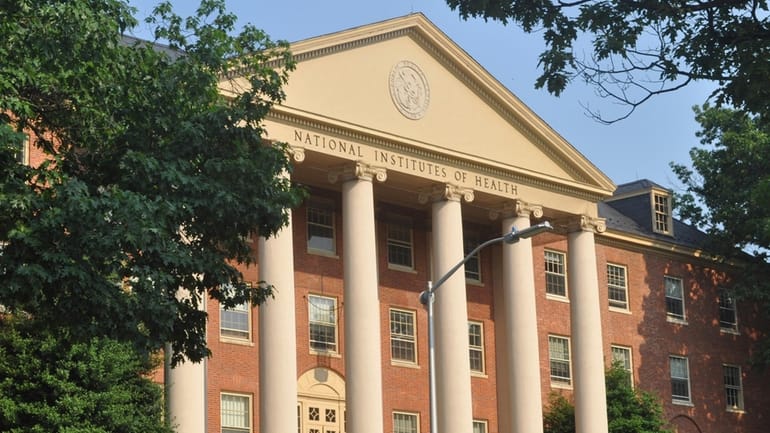
Key Highlights
- Funding Shifts and Reductions: Significant cuts, especially in nondefense discretionary spending, leading to changes in the allocation of research funds.
- Policy and Operational Changes: Adjustments such as a controversial indirect cost cap and changes affecting key agencies like the NIH.
- Uncertainty and Disruptions: Delays in processing new grant applications and potential disruptions in ongoing projects due to funding freezes.
Overview of the Continuing Resolution and Its Context
A Continuing Resolution (CR) is a temporary funding measure enacted by Congress to keep the government functioning in the absence of a fully approved budget. The current CR for Fiscal Year 2025 ensures continued government operations by maintaining funding at current levels while lawmakers work out a long-term budget agreement. However, the CR also brings several pivotal changes affecting the research environment. These modifications have profound implications for funding allocations, research priorities, and the operational stability of research institutions.
Funding Levels and Shifts
One of the most significant aspects of the CR is the redistribution of funds within the federal budget. The CR sets an overall base discretionary budget authority of approximately $1.600 trillion for FY 2025. However, this figure comes with notable adjustments in specific sectors:
Nondefense and Defense Budget Adjustments
The CR includes considerable funding cuts, particularly for nondefense discretionary programs. Some key points regarding these funding levels include:
- Nondefense Spending: The CR reduces nondefense discretionary funds by approximately $15 billion compared to previously agreed fiscal levels. Since a large portion of federal research funding comes from these discretionary accounts, this reduction could hinder new research initiatives and ongoing projects.
- Defense Spending: In contrast, the CR allows for an increase in defense spending by around $3 billion (or more in certain contexts), thereby shifting priorities within the federal budget. Although defense research benefits from this increase, civilian research, including biomedical and academic research, may face tighter financial constraints.
Targeted Changes in Agency Funding
While some research agencies like the National Science Foundation (NSF) and the Office of Science under the Department of Energy remain relatively stable, specific programs face distinct changes:
- NIH Funding and Policy Revisions: The National Institutes of Health (NIH) encounters either stagnation or cuts in certain areas. Notably, while the overall NIH budget might not be directly slashed by the CR, policy shifts—such as canceled grants in areas like LGBTQ+ and DEI research and cutbacks in initiatives like brain research and genomic medicine—have created a turbulent funding environment.
- Indirect Cost Cap: A significant policy change has been the introduction of a 15% cap on indirect cost reimbursements for NIH grants. Typically, research institutions negotiated higher rates reflecting their actual overhead expenses, averaging in the upper twenties percentage points. The imposition of a 15% cap aims to control federal spending; however, it also means that universities and research organizations might struggle to cover the indirect expenses associated with conducting high-quality research. Notably, this policy has faced legal challenges and was temporarily blocked by a federal judge, creating further uncertainty.
Impact on Research Programs and Institutions
The effects of the CR extend well beyond abstract budget numbers. They have concrete consequences for researchers, institutions, and the progression of scientific discovery:
Delayed Funding and Grant Application Freezes
One of the immediate operational challenges posed by the CR is the delay in funding processes and the temporary freezing of new grant applications. When the grant review process is halted or slowed, thousands of research proposals and applications experience significant delays. This situation can:
- Disrupt ongoing research projects and delay the initiation of new studies.
- Reduce the competitive edge of research institutions and national research competitiveness.
- Cause financial stress on academic and research institutions that depend heavily on timely grant funding.
Shifts in Research Priorities
The reallocation of funds as stipulated under the CR causes a reordering of research priorities across federal agencies. With increased emphasis on defense research spending and reduced funds for civilian research, there is a notable shift in focus. This redirection can have several implications:
- Emerging Research Areas: While traditional research areas may see defensive stability, emerging fields such as renewable energy, cybersecurity, and advanced biomedical research might experience slower growth unless alternative funding sources are explored.
- Program-Specific Cuts: Some agencies face cuts in specific programs. For example, reductions in initiatives within the NIH have direct consequences for research in underserved or emerging medical fields, potentially stalling progress in vital health research sectors.
Effects on University and Institutional Operations
Beyond project-specific impacts, the CR has broader implications for the operational aspects of educational and research institutions:
- Admissions and Staffing: Some universities have already begun scaling back operations in response to anticipated funding uncertainties. This includes reducing graduate admissions in certain medical schools or cutting research-related staff positions.
- Indirect Overhead Issues: The cap on indirect costs as applied to NIH grants complicates the budgeting process for institutions that rely on negotiated overhead reimbursement. With lower indirect cost support, many universities may struggle to maintain the quality of their research infrastructure, potentially leading to long-term declines in research capacity.
Detailed Comparison Table: Key Aspects of the CR Impact on Research
| Aspect | Details | Implications |
|---|---|---|
| Overall Budget | \( \$1.600 \text{ trillion (FY 2025)} \) | Stability in total spending; however, crucial shifts in allocation. |
| Nondefense Cuts | \( -\$15 \text{ billion} \) | Reduced funding for civilian research, affecting academic and biomedical research programs. |
| Defense Spending Increase | \( +\$3 \text{ billion (or more)} \) | Greater emphasis on defense-oriented research programs, possibly at the expense of civilian research sectors. |
| NIH Indirect Cost Cap | \(15\%\) (from previous ~27-28%) | Potential challenges for research institutions in covering overhead costs; legal disputes add uncertainty. |
| Grant Application Delays | Temporary freezes and delays | Disruptions to project timelines and uncertainty for future research initiatives. |
Legal and Policy Environment
The legal and policy landscape surrounding the CR is marked by active challenges and interventions that add layers of complexity to the research environment. These include judicial rulings and policy reforms intended to either limit or defend specific aspects of the funding model.
Judicial Interventions
There have been notable court cases challenging elements such as the fossil cap on indirect cost reimbursements. A federal judge has temporarily blocked the 15% cap imposed on NIH grants, shining a light on the legal contestations that shape operational funding. Such interventions introduce a dynamic layer of uncertainty for the research community, as courts may alter how funding policies are implemented.
Administrative Policy Shifts
In addition to judicial challenges, administrative decisions—such as the cancellation of specific grant programs (including those focused on LGBTQ+ issues and diversity, equity, and inclusion initiatives)—play a crucial role in shaping research policy. These measures, often enacted under broader fiscal constraints, add to the complexities faced by researchers depending on stable governmental support.
Long-Term Implications for the Research Landscape
The adjustments implemented through the CR may have enduring effects on the future of research in the United States. The immediate changes in funding and administrative policies result in:
Reduced Research Momentum
Many research projects depend on long-term funding stability to yield significant advancements. With the CR creating an environment of uncertainty through funding freezes and reduced grant application processes, there is a substantial risk that scientific innovation may slow down. This slowdown not only affects individual researchers and institutions but can also diminish the nation's global competitive edge in scientific research.
Increased Operational Challenges
Research institutions face greater operational challenges, including managing the administrative fallout of delayed funding decisions and navigating the complexities of reduced indirect expense reimbursements. These challenges might force some institutions to re-evaluate their research portfolios, scale back certain efforts, or even alter admission capacities in key academic programs—a decision with long-term ramifications for educational and research development.
Potential Areas for Policy Innovation
On a more optimistic note, the constricted funding environment may spur creative and innovative policy responses. Some institutions and research communities may look towards alternative funding mechanisms, increased public-private partnerships, or restructured internal funding models as a way to mitigate the effects of government-imposed constraints. While such responses require time and further policy support, they may ultimately foster a more resilient research ecosystem.
Detailed Impact on Agencies and Specific Research Programs
The CR's impact on federally funded research is not uniform across all agencies. While some agencies, such as the NSF or DOE’s Office of Science, maintain relatively stable funding levels, others, particularly those within the NIH framework, face more drastic alterations. Below is a detailed examination of some of these agency-specific effects:
National Institutes of Health (NIH)
The NIH confronts a complex funding scenario. On one hand, its base funding levels remain relatively constant under the temporary measures of the CR. On the other hand, significant policy revisions—like the 15% cap on indirect costs—threaten to undermine the operational flexibility of research institutions. Moreover, some specialized NIH programs analyzing cutting-edge topics in brain research and genomic medicine have reverted to levels seen several years ago, thereby limiting the scope of these initiatives. Additionally, administrative moves such as the cancellation of grants focused on diversity and sexual and gender minority research contribute to a nuanced and challenging era for biomedical research.
Other Key Agencies
National Science Foundation (NSF): While the NSF is expected to experience fewer disruptions in its baseline funding, the overall environment of fiscal uncertainty forces caution. With the broader fiscal landscape under revision, NSF-funded projects might undergo delays or be forced to compete more aggressively for available funds.
Department of Energy (DOE) Office of Science: Similarly, the DOE’s research programs, particularly those related to energy innovation and physics research, remain relatively robust. Nevertheless, shifts in overall government priorities and a focus on defense may indirectly reallocate resources, potentially limiting growth opportunities within the energy research domain.
Summative Analysis
The Continuing Resolution for Fiscal Year 2025, by sustaining overall government funding while redrawing allocation boundaries, has introduced several critical changes to the research environment:
- Significant funding cuts in nondefense discretionary spending directly impact research initiatives, particularly in biomedical research and academic settings.
- The imposition of a 15% cap on indirect cost reimbursements raises operational challenges for institutions that depend on these funds to cover essential overhead costs.
- Delays in grant applications and the temporary freezing of new research projects compromise the momentum of scientific discovery and innovation.
- Judicial interventions and administrative policy changes contribute to a dynamic, albeit uncertain, funding environment.
- Shifts in overall priorities reflect a broader trend of favoring defense spending over civilian research, which may have long-term ramifications for research competitiveness on a global scale.
With each of these changes comes both a challenge and an opportunity. While the environment becomes more constrained and uncertain, researchers and institutions may also be spurred to innovate in terms of funding mechanisms and strategic priorities. Navigating this complex landscape requires adaptive policies, increased reliance on alternative funding sources, and agile management strategies to mitigate the adverse effects of reduced federal support.
References
- Republican Full-Year Continuing Resolution - Democrats Appropriations
- What's in the House's Full-Year CR? - CRFB
-
US Judge Bars Cut to NIH Research Funding - Reuters
- NIH Funding Freeze - NPR
- Universities Face Higher Education Cuts - The Guardian
Recommended Related Queries
Last updated March 12, 2025