
The Evolving Landscape of Organizational Socialization in the Digital Age: Insights from Dr. Denise Gates
Exploring the Impact of Digital Transformation on Workplace Integration and Connection
Key Insights
- Dr. Denise Gates's work centers on organizational socialization, exploring how individuals integrate into new work or educational environments.
- Digital transformation profoundly influences organizational socialization, altering communication methods, access to information, and the very nature of workplace interactions.
- Dr. Gates's research highlights both the opportunities and challenges presented by digital technologies in shaping how people are socialized into organizations, including the potential for enhanced connection and the risks of isolation or miscommunication.
Dr. Denise Gates, a distinguished business professor, author, and consultant, specializes in the critical area of organizational socialization. Her research provides valuable insights into how individuals become integrated into organizations and the factors that influence this process. With the accelerating pace of digital transformation across all sectors, understanding its impact on organizational socialization is more crucial than ever. Dr. Gates's work specifically addresses the ways in which digital technologies are reshaping how individuals are onboarded, how they build relationships, and how they ultimately become effective and engaged members of an organization.
Understanding Organizational Socialization Through the Lens of Dr. Denise Gates
Defining the Process of Integration
Organizational socialization, as explored by Dr. Gates, is the process by which new members learn the values, norms, skills, and knowledge required to function effectively within an organization. It's a critical phase for both the individual and the organization, impacting everything from job satisfaction and commitment to productivity and retention. Dr. Gates's models and research have contributed significantly to our understanding of this complex process, particularly her organizational socialization model first published in 2009.
The Core Components of Socialization
Traditional organizational socialization often involves formal training, mentorship, informal interactions with colleagues, and learning through observation and experience. These components help newcomers understand the organizational culture, their roles and responsibilities, and the unwritten rules of the workplace.
The Pervasive Influence of Digital Transformation
A Shift in How We Work and Interact
Digital transformation refers to the integration of digital technology into all areas of a business, fundamentally changing how companies operate and deliver value. This transformation is not just about adopting new tools; it's a cultural shift that requires organizations to continually challenge the status quo, experiment, and become comfortable with failure.
Key Aspects of Digital Transformation Impacting the Workplace
- Remote and Hybrid Work Models: Digital technologies have enabled a significant shift towards remote and hybrid work, altering the physical proximity and interaction frequency among colleagues.
- Digital Communication Tools: The widespread use of email, instant messaging, video conferencing, and collaboration platforms has changed how information is shared and relationships are built.
- Access to Information and Resources: Digital platforms provide employees with unprecedented access to company information, training materials, and resources, often on demand.
- Automation and AI: The increasing integration of automation and artificial intelligence is changing job roles and requiring employees to adapt to new ways of working.
The image below illustrates the concept of digital workplace transformation, highlighting the integration of technology to create a more connected and efficient work environment.
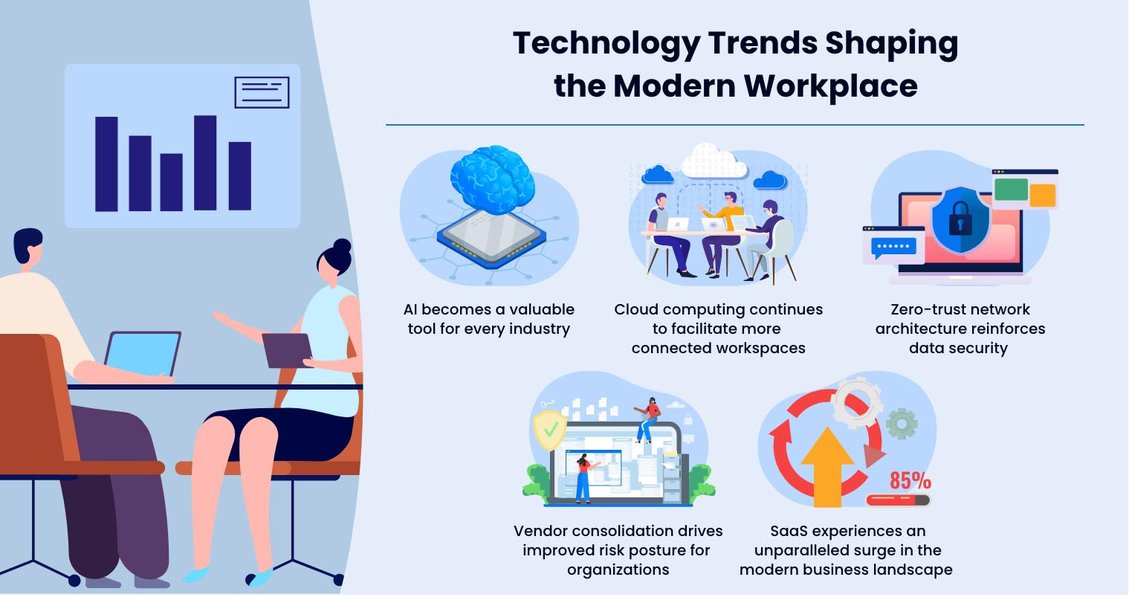
Figure 1: Illustrating the facets of digital workplace transformation.
Dr. Denise Gates on Digital Transformation and Socialization
Navigating the Digital Socialization Landscape
Dr. Denise Gates's research acknowledges that digital transformation is not merely a backdrop to organizational socialization but an active force shaping its dynamics. Her work examines how the principles of organizational socialization apply in increasingly digital environments and identifies the unique challenges and opportunities that arise.
Opportunities Presented by Digital Transformation
- Enhanced Access to Information: Digital platforms can provide newcomers with immediate access to company policies, training modules, and resources, facilitating a faster understanding of the organization.
- Flexible Onboarding Processes: Digital tools allow for more flexible and personalized onboarding experiences, accommodating different learning styles and schedules.
- Broader Networks: Digital communication tools can help employees connect with colleagues across different departments and locations, potentially expanding their internal networks beyond immediate team members.
- Continuous Learning: Digital platforms support ongoing learning and development, crucial for staying current in a rapidly changing digital landscape.
Challenges in Digital Socialization
-
Lack of Face-to-Face Interaction: Reduced in-person contact in remote or hybrid settings can make it more challenging to build strong interpersonal relationships and understand subtle cultural cues.
-
Information Overload: The sheer volume of digital communication can be overwhelming for newcomers, making it difficult to discern essential information from noise.
-
Maintaining Organizational Culture: Transmitting organizational culture effectively through purely digital means can be challenging, potentially leading to a diluted sense of belonging.
-
Digital Divide and Equity: Unequal access to technology or digital literacy can create disparities in the socialization experience.
-
Workplace Betrayals and Ostracism: Dr. Gates's work also touches upon negative aspects that can be exacerbated in digital environments, such as workplace ostracism and traumatic workplace betrayals, which can significantly hinder the socialization process.
The following table summarizes some of the key ways digital transformation impacts organizational socialization, based on the themes present in Dr. Gates's research and related literature:
| Aspect of Socialization | Impact of Digital Transformation | Opportunities | Challenges |
|---|---|---|---|
| Information Acquisition | Shift to digital resources and platforms | Immediate access to information, personalized learning paths | Information overload, difficulty discerning critical information |
| Relationship Building | Increased reliance on digital communication | Connections across geographies, broader networks | Reduced informal interactions, difficulty building rapport, risk of misinterpretation |
| Cultural Understanding | Transmission of culture through digital channels | Access to digital artifacts of culture (e.g., shared documents, online forums) | Difficulty conveying subtle norms and values, potential for diluted culture |
| Role Clarity | Defined through digital platforms and communication | Clear documentation of roles and responsibilities, digital performance tracking | Lack of informal guidance, potential for isolation when seeking help |
| Learning and Development | Access to online training and digital resources | On-demand learning, personalized skill development | Need for self-direction, potential for disengagement from online learning |
The Role of Technology in Facilitating or Hindering Socialization
Dr. Gates's work, including her book "Mastering Organizational Socialization and Communication," highlights the dual nature of technology in the socialization process. While technology can be a powerful tool for connection and information dissemination, its effectiveness depends on how it is implemented and utilized within the organization. Simply providing digital tools is not enough; organizations must also consider the human element and actively foster a supportive and inclusive digital environment.
The image below shows individuals collaborating in a digital environment, which can be a key component of organizational socialization in the digital age.
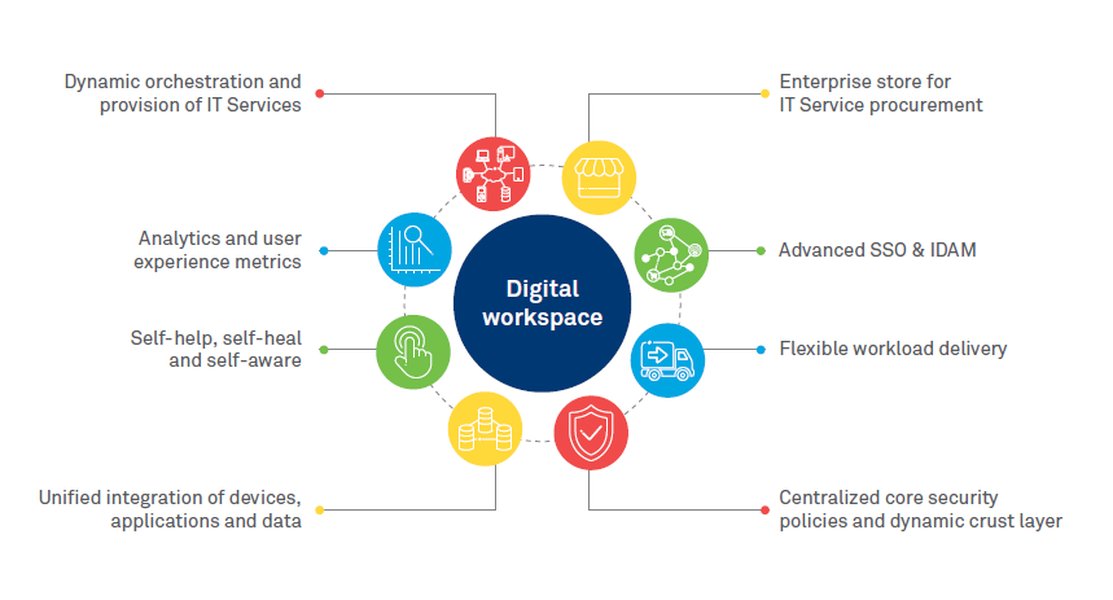
Figure 2: Depicting collaboration in a digital workplace setting.
Strategies for Optimizing Digital Socialization
Leveraging Dr. Gates's Insights for Effective Integration
Based on Dr. Denise Gates's research and expertise, organizations can adopt several strategies to navigate the challenges and maximize the opportunities of digital transformation for organizational socialization:
Intentional Onboarding Programs
Designing structured digital onboarding programs that go beyond just providing information is crucial. These programs should incorporate virtual introductions, online team-building activities, and clear guidance on navigating digital tools and communication norms.
Promoting Digital Literacy and Etiquette
Providing training on effective digital communication and collaboration tools can help ensure that all employees are equipped to participate fully in the digital workplace. Establishing clear guidelines for digital etiquette can also help prevent misunderstandings and foster a positive online environment.
Fostering a Culture of Connection
Organizations need to be proactive in creating opportunities for digital connection and relationship building. This can include virtual coffee breaks, online social events, and the use of collaboration platforms that encourage informal interactions.
Addressing Digital Isolation
Recognizing the potential for digital isolation, especially for remote workers, is important. Managers and colleagues should make a conscious effort to check in on remote employees and ensure they feel connected and supported.
Utilizing Technology to Support Mentorship and Peer Support
Digital platforms can be used to facilitate virtual mentorship programs and connect new employees with experienced colleagues for support and guidance.
The Future of Organizational Socialization
Adapting to a Continuously Evolving Digital World
As digital transformation continues to accelerate, the process of organizational socialization will also continue to evolve. Dr. Denise Gates's ongoing research in this area remains vital for understanding these changes and developing effective strategies for integrating individuals into the modern workplace. The focus will likely remain on finding the right balance between leveraging the efficiency and connectivity of digital technologies and preserving the human elements of connection, culture, and support that are essential for successful socialization.
The image below represents the broader concept of digital transformation, which underpins the changes in organizational socialization.

Figure 3: Illustrating the modern workplace shaped by digital transformation.
Frequently Asked Questions
What is organizational socialization?
Organizational socialization is the process by which new employees acquire the necessary knowledge, skills, and attitudes to become successful members of an organization. This includes understanding the company culture, norms, values, and their specific job responsibilities.
How does digital transformation affect the workplace?
Digital transformation fundamentally changes how work is done, enabling remote and hybrid work, altering communication methods through digital tools, increasing access to information, and introducing automation and AI into daily tasks.
What are the main challenges of organizational socialization in the digital age?
Key challenges include reduced face-to-face interaction, potential for information overload from digital communication, difficulty in fully transmitting organizational culture remotely, the digital divide, and the potential for increased workplace ostracism or betrayals in online environments.
What are the benefits of digital tools for organizational socialization?
Digital tools can offer enhanced access to information and training resources, more flexible and personalized onboarding experiences, the ability to connect with a wider network of colleagues, and support for continuous learning.
How can organizations improve digital organizational socialization?
Organizations can improve digital socialization through intentional digital onboarding programs, promoting digital literacy and etiquette, fostering a culture of online connection, addressing digital isolation, and utilizing technology to support virtual mentorship and peer support.
References

Last updated May 3, 2025