
Exploring the Crucial Process of Dependency Scanning in Software Development
Understanding how dependency scanning secures your software supply chain
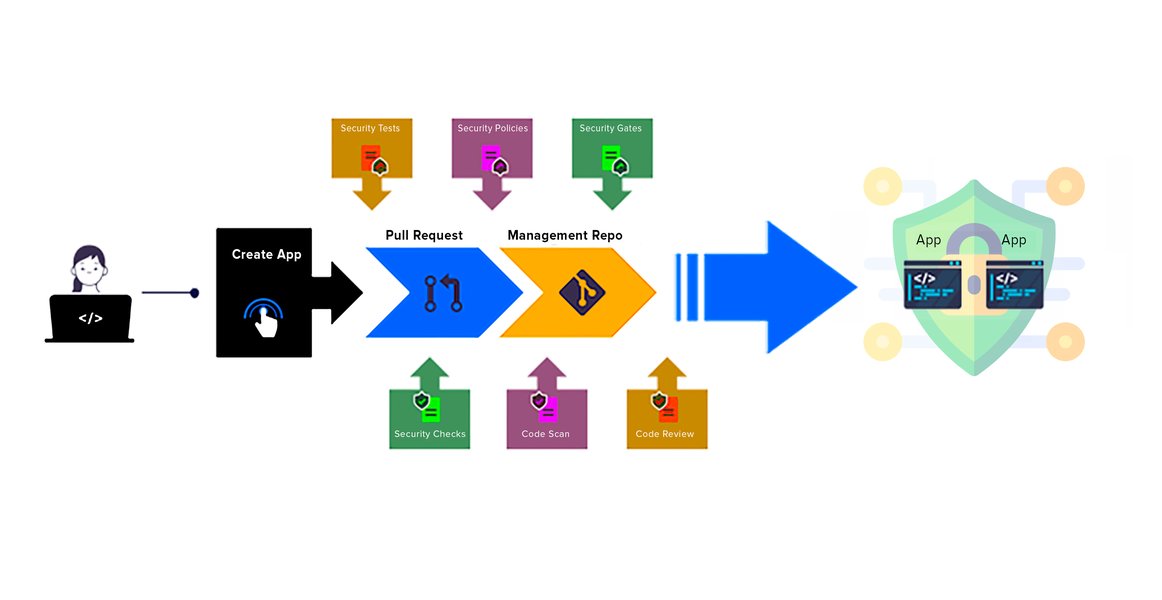
Key Highlights
- Security Enhancement: Automates the detection of vulnerabilities in third-party libraries and transitives.
- CI/CD Integration: Easily integrates with development pipelines to ensure early detection of issues.
- Remediation & Compliance: Provides guidance on remediation and helps maintain license compliance.
Understanding Dependency Scanning
Dependency scanning is a modern security practice used in software development to analyze an application's dependency graph in order to identify known vulnerabilities and compliance issues in open-source components. As software projects increasingly rely on third-party libraries, this process has become essential for maintaining security and ensuring that applications are resilient against attacks that target vulnerable components.
Core Concepts
Fundamentals
Dependency scanning, sometimes referred to as software composition analysis (SCA), involves examining direct and transitive dependencies utilized by an application. Direct dependencies are those libraries and modules which your code directly references, while transitive dependencies are the libraries required by those libraries. By comparing these dependencies against known vulnerability databases, organizations can proactively identify and mitigate risks.
In addition to flagging vulnerabilities, dependency scanning tools provide:
- Automated alerts and notifications when vulnerabilities are detected.
- Guidance on remediation, including recommendations to upgrade or replace insecure components.
- License compliance checks to ensure that all dependencies adhere to legal and corporate policies.
Benefits for Development and Security
Integrating dependency scanning into your CI/CD pipeline not only improves application security by identifying issues during development but also plays a significant role in maintaining the overall health of your software supply chain. Regular scans, especially when attached to pull request validations, help catch vulnerabilities early, reducing the risk of stress and cost associated with post-deployment patches.
Tools and Techniques
Popular Scanning Tools
Several tools have gained prominence due to their ability to scan dependencies effectively. Each tool has its unique strengths, with many integrating directly into development environments and CI/CD pipelines. Some of the most widely used tools are:
| Name | Description | Key Feature |
|---|---|---|
| OWASP Dependency-Check | An open source tool that analyzes project dependencies for known vulnerabilities using CVE entries. | Broad language support and integration with various build tools |
| GitLab Dependency Scanning | Integrated into GitLab, it scans dependencies during CI/CD runs to flag vulnerabilities and license issues. | Seamless integration with GitLab pipelines |
| Snyk | Provides detailed visibility into vulnerabilities in open-source components and offers remedial suggestions. | Automated pull-request scanning and remediation advice |
| GitHub Advanced Security | Offers dependency scanning as part of security features to detect and report vulnerable components. | Real-time alerts and direct integration with source code monitoring |
These tools typically parse project files (like package files, lockfiles, or build configurations) to construct a dependency graph. They then match the components against publicly disclosed vulnerabilities listed in databases such as the National Vulnerability Database (NVD).
Integrating Dependency Scanning in CI/CD
Best Practices
To effectively manage potential vulnerabilities in third-party components, organizations should incorporate dependency scanning early in their development process:
- Early Integration: Incorporate scanning tools during the initial coding stages or at every commit to identify and address vulnerabilities early.
- Regular Scanning: Run scans frequently (ideally on every pull request or as part of a daily/weekly schedule) to detect new vulnerabilities promptly.
- Developer Training: Educate development teams about the importance of dependency security and proper usage of scanning tools.
- Combine with Other Security Measures: Use dependency scanning in tandem with container and infrastructure scanning to provide holistic security coverage.
Automated Reporting and Remediation
Modern dependency scanning solutions not only detect issues but also generate detailed reports. These reports often include:
- Lists of vulnerable components and their associated CVE identifiers.
- Detailed severity ratings and potential impact assessments.
- Automated remediation advice, such as recommended version upgrades or replacement alternatives.
Visualizing Dependency Scanning Insights
To better understand how different aspects of dependency scanning perform according to various dimensions such as security, integration, reporting, and ease of use, the following radar chart provides an opinionated overview. This visualization brings together key factors to consider when evaluating scanning tools.
Mindmap of Dependency Scanning Workflow
The diagram below provides a concise mindmap of the primary steps and components involved in dependency scanning. It illustrates how dependency detection, vulnerability identification, reporting, and remediation interconnect in a typical security workflow.
Practical Example: Implementing Advanced Dependency Scanning
A practical approach to secure your software effectively is to integrate dependency scanning into your CI/CD pipelines. For instance, consider using the Advanced Security Dependency Scanning task in platforms like Azure DevOps or GitLab. Configure the scanning tool in your pipeline to run on each pull request. This enables immediate detection of vulnerabilities, allowing your team to act fast by updating dependencies or applying necessary patches.
Many organizations have already experienced enhanced security and reduced risk exposure through such integrations. Combining automated scanning with manual reviews, and leveraging detailed security reports, ensures that vulnerabilities in both direct and transitive dependencies are continuously monitored.
Frequently Asked Questions (FAQs)
What is dependency scanning?
Dependency scanning is a security process used to analyze the third-party components, both direct and transitive, that are included in a software project. It detects known vulnerabilities by comparing these components against public vulnerability databases and helps enforce license compliance.
How does dependency scanning integrate with CI/CD?
Most dependency scanning tools are designed to integrate seamlessly with CI/CD pipelines. They run during builds or pull requests, automatically scanning updated dependencies and alerting developers to any vulnerabilities before the code is merged into production.
What are the key benefits of dependency scanning?
The main benefits include enhanced security by early detection of vulnerabilities, improved compliance with licensing rules, reduction of potential attack surfaces, and automated remediation suggestions that help maintain software quality throughout development.
Can dependency scanning help with supply chain security?
Absolutely. By routinely scanning for vulnerabilities in third-party components used across the software supply chain, dependency scanning helps prevent compromised packages from reaching production, thereby significantly increasing the security posture of your entire application.
References
- Advanced Security Dependency Scanning Task - Microsoft Docs
- GitLab Dependency Scanning - GitLab Docs
- OWASP Dependency-Check - OWASP
- Snyk - Developer Security
- Trivy - Vulnerability Scanner
Recommended Topics
Last updated March 31, 2025