
Understanding Dermatology
Explore the breadth and depth of skin medicine and its related fields
Highlights
- Scope and Expertise: Covers diagnosis and management of skin, hair, and nail conditions.
- Medical and Surgical Procedures: Utilizes both traditional medical treatments and advanced surgical techniques.
- Subspecialties and Innovation: Encompasses diverse fields including cosmetic dermatology, pediatric dermatology, and dermatopathology.
What is Dermatology?
Dermatology is a specialized branch of medicine devoted to the study, diagnosis, treatment, and prevention of a vast array of conditions affecting the skin, hair, nails, and mucous membranes. As the body’s largest organ, the skin not only serves as a protective barrier but also acts as an indicator of overall health. Dermatologists are highly trained medical doctors who dedicate their expertise to managing both common and complex conditions ranging from acne and eczema to skin cancers and autoimmune disorders.
Foundational Aspects of Dermatology
At its core, dermatology is characterized by its comprehensive approach that spans both non-invasive treatments and surgical procedures. Its multi-faceted nature means that while many dermatologists concentrate on medical management (using topical, systemic, or light-based therapies), others may specialize in surgical technologies such as excisions, cryotherapy, and laser treatments. Advances in technology have further expanded the field, integrating state-of-the-art imaging, diagnostic techniques, and innovative treatment modalities.
Scope and Range of Conditions
The skin is the most visible indicator of health. Dermatological issues can be localized or systemic, with skin manifestations often pointing to underlying health problems. Common issues include:
- Acne, rosacea, and dermatitis
- Psoriasis and eczema
- Skin infections caused by bacteria, viruses, and fungi
- Autoimmune skin disorders
- Skin cancers including melanoma, basal cell carcinoma, and squamous cell carcinoma
Cosmetic and Aesthetic Dermatology
In addition to the treatment of pathological conditions, dermatology also addresses aesthetic concerns. Cosmetic dermatology is a rapidly growing field that helps patients enhance their appearance through minimally invasive procedures. These treatments include:
- Botulinum toxin (Botox) injections
- Dermal fillers to restore volume
- Laser resurfacing and removal of blemishes
- Treatment for pigmentation issues, scars, and stretch marks
Subspecialties Within Dermatology
Dermatology is not a monolithic field; it branches into various subspecialties to address diverse patient needs:
- Pediatric Dermatology: Focuses on skin conditions in infants, children, and adolescents, presenting unique diagnostic and treatment challenges.
- Dermatopathology: Combines aspects of dermatology and pathology to analyze skin biopsies, which is critical for diagnosing infections, neoplasms, and other complex conditions.
- Mohs Surgery: A precise surgical technique used predominantly for the treatment of skin cancers by removing tumors layer by layer while sparing healthy tissue.
- Aesthetic Dermatology: Concentrates on cosmetic procedures aimed at improving the skin’s appearance, often overlapping with plastic surgery.
The Evolution and Impact of Dermatology
The field of dermatology has evolved significantly over the centuries, incorporating developments in technology, research, and clinical practice. Early dermatological practices were rudimentary and often relied solely on observational diagnostics and topical treatments. Today, advancements in biotechnology, genetic research, and laser technologies have allowed dermatologists to offer highly targeted therapies that improve patient outcomes.
Historical Context and Modern Advancements
Historically, the practice of treating skin conditions was based on empirical observation and traditional solutions, but modern dermatology is firmly rooted in scientific research. Breakthroughs in immunology and molecular biology have contributed to the understanding of conditions like psoriasis and atopic dermatitis, leading to the development of biologic therapies and novel treatment regimens. Additionally, modern surgical techniques such as Mohs micrographic surgery have set new standards in the treatment of skin cancers through precise tumor removal and tissue conservation.
Integration of Technology
Technology has revolutionized dermatology in several key ways. Advances in imaging allow for early detection of skin cancers and other lesions, while diagnostic tools such as dermatoscopes and confocal microscopy provide detailed visualization of the skin's layers. Furthermore, teledermatology has changed the dynamics of patient care by enabling remote consultations, ensuring that patients in underserved areas have access to expert advice and treatment.
Research and Innovation
The commitment to research within dermatology has led to continuous improvements in therapeutic options. Clinical trials examining new pharmacologic agents, biologic therapies, and targeted treatments have made it possible to manage previously intractable conditions more effectively. The integration of personalized medicine into dermatological care is emerging as a beneficial strategy, where genetic insights guide the selection of appropriate treatments for individual patients.
Combining Medical Management with Cosmetic Approaches
Dermatology uniquely merges the realm of medical treatment with cosmetic enhancements. While its foundation is built on the management and prevention of diseases, a significant portion of dermatological practice is dedicated to improving patients’ quality of life through aesthetic procedures. The dual focus ensures both health preservation and enhancement of personal appearance.
Medical Dermatology
Medical dermatology primarily involves the treatment of acute and chronic skin diseases. Dermatologists prescribe medications, recommend lifestyle changes, and utilize diagnostic techniques such as biopsies and lab tests to determine the underlying causes of skin conditions. Treatments in this area range from topical creams and systemic medications to advanced therapies like phototherapy and immunomodulators.
Diagnostic Precision
A critical aspect of dermatology is accurate diagnosis. Dermatologists often rely on a combination of visual examination and diagnostic tests to identify conditions. Techniques include skin scraping, patch testing, and dermoscopy. In complex cases, a skin biopsy may be conducted, and the sample is then examined under a microscope in a dermatopathology laboratory to provide a definitive diagnosis.
Surgical Dermatology
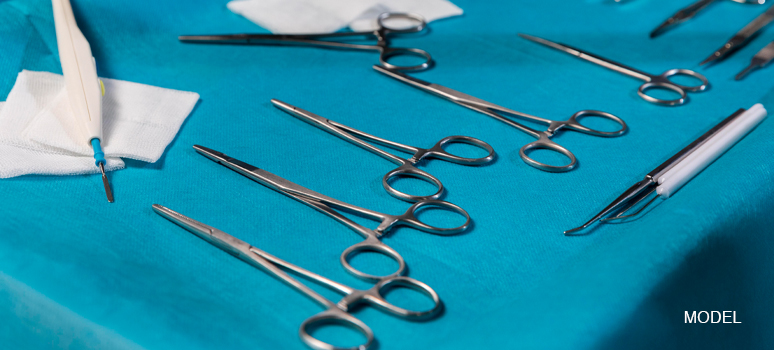
Surgical procedures in dermatology vary widely. They include the removal of benign lesions, excision of malignant tumors, and cutting-edge cosmetic surgeries. Mohs micrographic surgery, for example, allows for the removal of skin cancers with minimal loss of healthy tissue, thus ensuring optimal cosmetic outcomes while effectively treating the disease. Other common procedures include cryosurgery, electrosurgery, and laser surgeries for both medical and cosmetic indications.
Technological Innovations in Procedures
Technological innovation has refined surgical procedures in dermatology. Laser technology is now used for treating a variety of conditions, from vascular lesions to pigment disorders, while photodynamic therapy provides a non-invasive treatment for certain cancers. With such advances, dermatologists can offer state-of-the-art interventions that are both highly effective and cosmetically favorable.
Dermatology in a Broader Health Context
Beyond the direct treatment of skin conditions, dermatology has broader implications for overall health. The skin is not only a target for cosmetic concerns but also an important indicator of systemic disease. Many internal health problems manifest skin symptoms, making dermatological assessment integral to comprehensive medical care. For example, conditions like diabetes, autoimmune disorders, and even cardiovascular diseases can have dermatologic implications.
Skin as a Health Barometer
The condition of the skin often provides vital clues regarding a person's internal health. A well-trained dermatologist can recognize patterns that suggest underlying systemic conditions. This holistic approach is essential in diagnosing and managing complex health issues that extend beyond dermatological symptoms. In many cases, treating the skin can also significantly alleviate systemic problems, enhancing overall quality of life.
Collaborative Care Approaches
Dermatologists frequently work alongside other medical specialists to ensure comprehensive care. Collaborations with endocrinologists, rheumatologists, and oncologists are common, particularly when skin symptoms intersect with broader health conditions. Such interdisciplinary cooperation allows for a more thorough diagnostic process and personalized treatment plans that ultimately lead to improved patient outcomes.
A Detailed Look at Dermatology Procedures and Practices
To provide a clearer understanding of how dermatology integrates its diverse practices, the following table outlines typical procedures and their applications:
| Procedure/Technique | Description | Common Applications |
|---|---|---|
| Topical and Systemic Medications | Application of creams, ointments, or oral medications to treat various conditions | Acne, eczema, psoriasis, infections |
| Laser Therapy | Use of concentrated light to remove lesions, reduce pigmentation, and resurface skin | Vascular lesions, scars, wrinkles, pigmentation issues |
| Mohs Micrographic Surgery | Layer-by-layer removal of skin cancer with precise margin control | Skin cancers, especially on the face |
| Cryosurgery | Application of extreme cold to destroy abnormal tissues | Warts, benign lesions, precancerous cells |
| Cosmetic Procedures | Minimally invasive techniques to improve appearance | Botox, fillers, chemical peels, dermabrasion |
Interdisciplinary Relevance
In modern clinical practice, dermatology’s relevance is not isolated to skin care alone. Professionals in this field are often at the forefront of scientific research and technological innovation. Their work pushes the boundaries of personalized medicine and has notable impacts on public health by advancing our understanding of both aesthetic and systemic diseases.
Future Directions in Dermatology
The future of dermatology is promising, with ongoing research driving significant breakthroughs in treatments and methodologies. The integration of genomics, personalized medicine, and artificial intelligence is likely to enhance diagnostic accuracy and develop customized therapies tailored to individual patient needs. Researchers are continually exploring new therapeutic targets, and clinical trials are underway to address challenging conditions that until recently had limited treatment options.
Innovative Treatment Strategies
Recent innovations focus on creating targeted therapies that minimize side effects and improve quality of life for patients. The use of biologics—medications derived from living organisms—is expanding rapidly as evidence accumulates for their efficacy in treating chronic inflammatory skin disorders such as psoriasis and atopic dermatitis. In parallel, advances in laser technology and minimally invasive surgical techniques are streamlining cosmetic procedures and increasing their safety profiles.
Personalized Medicine
Tailoring treatment strategies to match individual genetic profiles is emerging as a key approach in modern dermatological practice. With the aid of genomic sequencing and data analytics, dermatologists can devise personalized treatment regimens that not only address the specific manifestations of skin disorders but also factor in the unique biological characteristics of each patient. This approach promises improved outcomes and more efficient management of chronic skin conditions.
Teledermatology and E-Health
The digital revolution has paved the way for teledermatology—a method of providing dermatological care remotely. This approach, leveraging video consultations and digital imaging, has proven especially useful in extending specialist services to remote areas and managing follow-up care. By harnessing technological advances, the field of dermatology is increasing its accessibility and efficiency, ensuring that expert care is readily available regardless of geographical constraints.
References
- Dermatology - Wikipedia
- What is Dermatology? - DermNet NZ
- What is a Dermatologist? - American Academy of Dermatology
- Dermatology - Yale Medicine
- What is Dermatology? - News-Medical
Recommended Related Queries
Last updated March 6, 2025