
Unlocking Your Potential: A Comprehensive Guide to Developing a Growth Mindset
Learn how to cultivate a growth mindset to enhance your resilience and achieve continuous self-improvement.
Key Highlights of Developing a Growth Mindset
- Embrace Challenges: View obstacles as opportunities for learning and development.
- Value Effort: Recognize that dedication and hard work are essential for growth.
- Learn from Feedback: Use criticism as a tool for improvement and adapt your strategies accordingly.
Developing a growth mindset is a transformative process that enables you to believe in your potential for growth and learning. Unlike a fixed mindset, which assumes that abilities and intelligence are static traits, a growth mindset embraces the idea that capabilities can be developed through dedication, hard work, and perseverance. This approach not only enhances your capacity for learning but also fosters resilience in the face of challenges.
Understanding the Core Principles of a Growth Mindset
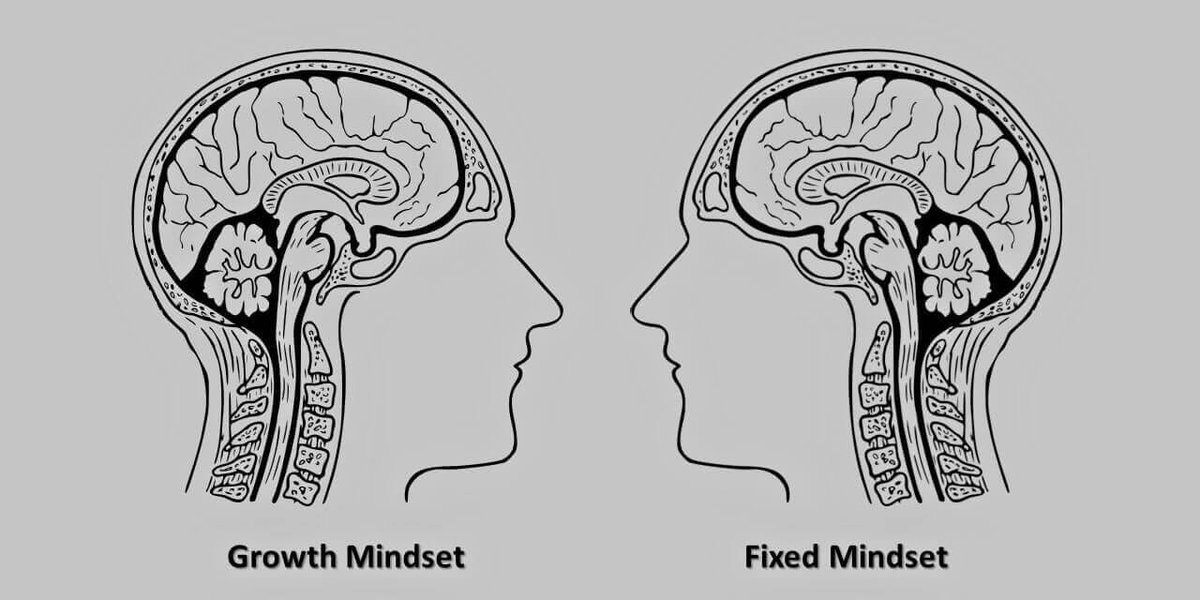 Growth mindset vs fixed mindset.
At its core, a growth mindset is about believing that your abilities and intelligence can be developed. Carol Dweck, a renowned psychologist, defines it as the belief that “their most basic abilities can be developed through dedication and hard work.” This understanding is crucial because it changes how you perceive challenges and setbacks. Instead of seeing them as indicators of your limitations, you view them as opportunities for growth and learning. Cultivating a growth mindset involves a conscious shift in how you perceive challenges, effort, and feedback. This perspective encourages resilience, adaptability, and a focus on the process of learning rather than just the outcome.
The table below contrasts fixed and growth mindsets:
| Aspect | Fixed Mindset | Growth Mindset |
|---|---|---|
| Belief | Abilities are static and unchangeable. | Abilities can be developed through dedication and hard work. |
| Challenges | Avoided because they might reveal weaknesses. | Embraced as opportunities to learn. |
| Effort | Seen as unnecessary; if you're good, you shouldn't need it. | Essential for mastery; a path to growth. |
| Feedback | Ignored or taken personally. | Welcomed as a source of information and improvement. |
| Setbacks | Discouraging and seen as failures. | Opportunities to learn and grow. |
| Success of Others | Threatening and can lead to envy. | Inspiration and a source of learning. |
Practical Strategies to Cultivate a Growth Mindset
Developing a growth mindset is not an overnight process but a continuous journey of self-improvement. Here are actionable strategies to help you foster this mindset:
1. Embrace Challenges and View Them as Opportunities
 Challenges are opportunities.
One of the foundational steps in developing a growth mindset is to actively seek out challenges. Instead of avoiding difficult tasks, view them as opportunities to expand your skills and knowledge. When faced with a challenge, remind yourself that overcoming it will make you stronger and more capable.
2. Recognize and Confront Fixed Mindset Thoughts
Becoming aware of your fixed mindset triggers is crucial for transforming your perspective. Identify the situations or topics that make you feel defensive or inadequate. Challenge these thoughts by asking yourself if they are truly accurate or if they are based on fear of failure. Reframe these thoughts into growth-oriented statements. For example, change "I'm not good at this" to "I'm not good at this yet, but I can improve with practice."
3. Value Effort and Persistence
A growth mindset emphasizes the importance of effort as a path to mastery. Understand that putting in the time and energy is essential for developing new skills and achieving your goals. Celebrate the process of learning and improvement, rather than focusing solely on the outcome. Recognize that setbacks are a natural part of the learning process and that persistence is key to overcoming them.
4. Learn from Criticism and Feedback
Feedback is a valuable tool for growth, but it can be difficult to receive. Instead of taking criticism personally, view it as an opportunity to identify areas for improvement. Ask for constructive feedback from peers, mentors, or supervisors, and be open to hearing suggestions for how you can do better. Use this feedback to adjust your strategies and refine your skills.
5. Set Achievable Goals and Celebrate Small Wins
Setting specific, measurable, achievable, relevant, and time-bound (SMART) goals can provide a clear roadmap for your growth. Break down larger goals into smaller, more manageable steps, and celebrate each milestone you achieve along the way. Recognizing and celebrating small wins can boost your confidence and motivation, reinforcing your belief in your ability to grow and improve.
6. Cultivate Resilience
Resilience is the ability to bounce back from setbacks and adversity. Building resilience involves developing coping strategies, maintaining a positive outlook, and seeking support from others. When faced with challenges, remind yourself of past successes and the lessons you learned from previous failures. Focus on what you can control and take proactive steps to address the situation.
7. Embrace Lifelong Learning
A growth mindset is characterized by a love of learning and a desire to continuously expand your knowledge and skills. Stay curious and seek out new learning opportunities, whether through formal education, online courses, books, or personal experiences. Embrace the idea that learning is a lifelong journey and that there is always something new to discover.
8. Surround Yourself with Positive Influences
The people you surround yourself with can have a significant impact on your mindset. Seek out friends, mentors, and colleagues who have a growth mindset and who support your goals. Avoid negative influences that reinforce fixed mindset beliefs. Join communities or networking events focused on personal and professional development to connect with like-minded individuals.
The Interplay Between Growth Mindset and Resilience
Developing a growth mindset is intrinsically linked to building resilience. Resilience is the capacity to recover quickly from difficulties, and a growth mindset provides the mental framework to view setbacks as temporary learning opportunities rather than permanent failures. This perspective is crucial for maintaining motivation and continuing to strive towards goals, even when faced with significant obstacles.
Here are several ways to build resilience alongside a growth mindset:
- Develop Coping Strategies: Identify healthy ways to manage stress and difficult emotions.
- Maintain a Positive Outlook: Focus on the positive aspects of situations and practice gratitude.
- Seek Support: Build a strong social network of supportive friends, family, and mentors.
- Learn from Past Experiences: Reflect on previous challenges and the lessons you learned from them.
- Set Realistic Goals: Break down larger goals into smaller, manageable steps to maintain progress and motivation.
The Impact of a Growth Mindset on Personal and Professional Life
A growth mindset can positively influence various aspects of your life. In your personal life, it fosters a greater sense of self-worth, resilience, and adaptability. You are more likely to take on new challenges, persevere through difficulties, and maintain a positive outlook, contributing to overall well-being and life satisfaction.
Professionally, a growth mindset can lead to increased innovation, collaboration, and achievement. Employees with a growth mindset are more likely to embrace challenges, seek feedback, and continuously improve their skills, which can drive success and advancement in their careers. Organizations that promote a growth mindset culture often see higher levels of employee engagement, productivity, and creativity.
Overcoming Obstacles in Developing a Growth Mindset
While the benefits of a growth mindset are clear, developing one is not without its challenges. One common obstacle is the ingrained fixed mindset beliefs that may have been reinforced throughout your life. Overcoming these beliefs requires conscious effort and a willingness to challenge your assumptions. Another challenge is dealing with the fear of failure. Many people avoid challenges because they are afraid of not succeeding. However, with a growth mindset, failure is viewed as a valuable learning experience rather than a reflection of your worth.
To overcome these obstacles, practice self-compassion and be patient with yourself. Understand that developing a growth mindset is a journey, and there will be times when you slip back into fixed mindset thinking. When this happens, acknowledge your thoughts and feelings, and gently redirect yourself back to a growth-oriented perspective. Celebrate your progress and focus on the positive changes you are making.
Visual Learning: Understanding Growth Mindset
To further illustrate the concept of a growth mindset, consider this video featuring Carol Dweck, who explains the core principles and benefits of adopting this mindset:
This video explains how to cultivate a growth mindset by embracing challenges and viewing failure as a stepping stone to success. It underscores the importance of effort and persistence in achieving personal and professional growth.
FAQ: Frequently Asked Questions About Developing a Growth Mindset
What exactly is a growth mindset?
A growth mindset is the belief that your abilities and intelligence can be developed through dedication, hard work, and learning from experiences. It's the opposite of a fixed mindset, which assumes that abilities are static and unchangeable.
How does a growth mindset differ from a fixed mindset?
In a fixed mindset, people believe their basic qualities, like intelligence or talent, are simply fixed traits. They believe talent alone leads to success without effort. In contrast, those with a growth mindset believe their abilities can be developed through dedication and hard work. They see effort as essential for mastery and view challenges as opportunities to grow.
Why is developing a growth mindset important?
Developing a growth mindset can transform the way you approach challenges and setbacks, leading to higher levels of achievement and satisfaction. It fosters resilience, adaptability, and a focus on the process of learning rather than just the outcome.
How can I start developing a growth mindset today?
Start by embracing challenges and viewing them as opportunities for growth. Recognize and confront fixed mindset thoughts by reframing them into growth-oriented statements. Value effort and persistence, learn from criticism and feedback, set achievable goals, and cultivate resilience.
Is it possible to change from a fixed mindset to a growth mindset?
Yes, it is absolutely possible to develop a growth mindset. It requires a conscious shift in how you perceive challenges, effort, and feedback. With practice and dedication, you can transform your mindset and unlock your full potential.
References
Last updated April 14, 2025